The Hidden Costs of a Botched Transmission Clutch Replacement
There are few experiences more frustrating for a manual transmission driver than picking up a vehicle from the shop, only to discover that the brand-new transmission clutch is slipping, chattering, or suffering from a spongy pedal. A standard clutch replacement in 2026 typically costs between $1,400 and $2,800, depending on the vehicle's drivetrain layout and whether a dual-mass flywheel (DMF) is involved. When post-repair transmission clutch problems emerge within the first 500 miles, the financial and mechanical implications can be severe.
Diagnosing these premature failures requires a methodical approach to separate defective components from improper installation techniques. In this comprehensive cost analysis and diagnostic guide, we break down the exact symptoms of post-repair failures, the technical root causes, and the real-world 2026 pricing for rectifying a botched job.
Symptom-to-Failure Matrix: What Went Wrong?
When a newly installed transmission clutch fails to perform, the symptoms usually manifest immediately or within the first few heat cycles. According to AA1Car's Clutch Diagnostic Guide, premature wear or immediate engagement issues are rarely caused by the friction disc itself, but rather by surrounding components that were ignored during the initial service.
| Post-Repair Symptom | Most Likely Root Cause | Liability (Shop vs. Driver) | Avg. Fix Cost (2026) |
|---|---|---|---|
| Chatter on Engagement | Uneven flywheel resurfacing, oil contamination, or broken damper springs. | Shop (Improper machining/install) | $1,200 - $1,800 |
| Slipping Under Heavy Load | Glazed flywheel surface, incorrect pressure plate torque, or weak clutch fork pivot. | Shop (Torque/Machining error) | $1,400 - $2,200 |
| Spongy or Sinking Pedal | Air trapped in the hydraulic system, failing master cylinder, or leaking CSC. | Split (Bleeding vs. Unreplaced parts) | $250 - $850 |
| Inability to Shift into Gear | Warped clutch disc hub, incorrect input shaft alignment, or thick gear oil. | Shop (Assembly error) | $1,500 - $2,500 |
Understanding the Chatter Phenomenon
Clutch chatter is characterized by a violent shuddering when releasing the pedal in first gear. If this occurs immediately after a replacement, the flywheel was likely not resurfaced correctly. A flywheel must be machined to a surface roughness of 32 to 63 micro-inches (Ra). If a shop uses a standard brake lathe or skips the resurfacing entirely to save time, the new friction material will grab unevenly, causing immediate chatter. Furthermore, if the engine's rear main seal was leaking and contaminated the new disc during installation, the entire transmission clutch assembly must be removed, cleaned, and replaced at the shop's expense.
2026 Cost Breakdown: Fixing a Botched Installation
If you are forced to pay out-of-pocket for a post-repair failure—perhaps because the original shop went out of business or voided the warranty by claiming 'driver abuse'—you need to understand the current market rates for parts and labor. Data from Schaeffler Group (LuK) indicates that modern manual transmissions require highly specific matching of components, meaning you cannot simply swap a single friction disc without addressing the entire system.
Component and Labor Pricing Guide
- Flywheel Resurfacing (Machine Shop): $85 – $150. (Mandatory for solid flywheels; if skipped, this is a primary cause of post-repair chatter).
- Dual-Mass Flywheel (DMF) Replacement: $850 – $1,450. (Common on European diesels and modern turbocharged gas engines. Part numbers like LuK 05-065 for GM LS applications or 04-236 for Ford Coyote V8s are frequent replacements).
- Concentric Slave Cylinder (CSC): $180 – $400. (Many shops fail to replace the CSC during the initial job, leading to immediate hydraulic failure post-repair).
- Clutch Master Cylinder: $120 – $350. (Often the culprit behind a spongy pedal that a shop misdiagnoses as air in the lines).
- Pull-and-Replace (R&R) Labor: $900 – $1,600. (AWD vehicles, transverse FWD layouts, and heavy-duty trucks like the Ram 2500 with the G56 transmission sit at the top of this range due to the sheer weight and complexity of removal).
- Hydraulic System Flush & Bleed: $120 – $200. (Includes DOT 4 low-viscosity fluid and vacuum bleeding equipment time).
Technical Deep Dive: Torque Specs, Runout, and Hydraulics
To prove that a shop was negligent in their installation, you must understand the precise engineering tolerances required for a modern transmission clutch. When disputing a warranty claim or diagnosing the issue yourself, reference these critical metrics:
1. Flywheel Runout Tolerances
Before installing the new pressure plate, the machined flywheel must be checked for lateral runout using a dial indicator. The maximum allowable runout for almost all OEM manufacturers is 0.004 inches (0.10 mm). If a shop installs a new clutch on a flywheel with 0.008 inches of runout, the pressure plate fingers will be subjected to cyclical bending stresses, leading to premature diaphragm spring failure and a heavy, vibrating pedal.
2. Precision Torque Specifications
Improper torque sequencing on the pressure plate or the flywheel-to-crankshaft bolts will warp the assembly. Here are standard 2026 reference specs for popular platforms:
- GM LS/LT V8 (Flywheel to Crank): M10x1.5 bolts torqued to 74 lb-ft in a star pattern.
- Ford 5.0L Coyote (Flywheel to Crank): M12 bolts torqued to 64 lb-ft.
- Honda K-Series (Pressure Plate to Flywheel): M8 bolts torqued to 19 lb-ft in a crisscross pattern.
- RAM 5.7L HEMI (Flywheel to Crank): 70 lb-ft plus an additional 90-degree turn.
If a shop uses an impact gun to zip the pressure plate bolts down without a torque wrench, the clamping load will be uneven. This results in a transmission clutch that slips under high RPM despite having brand-new friction material.
3. The Concentric Slave Cylinder (CSC) Bleeding Nightmare
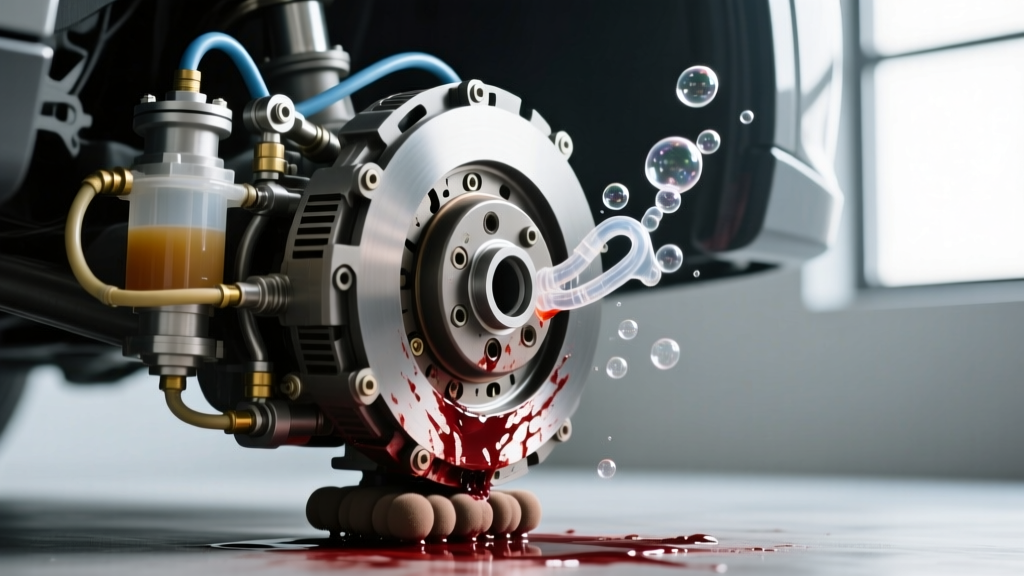
Modern manual transmissions utilize a CSC located inside the bell housing. Bleeding these systems is notoriously difficult. If a shop simply pumps the pedal and opens the bleeder valve, air will remain trapped in the high points of the hydraulic line. The correct procedure for vehicles like the C7 Corvette or modern Ford Mustangs requires vacuum bleeding from the master cylinder reservoir downward, or utilizing a scan tool to actuate the hydraulic pump (if equipped). A spongy pedal post-repair is almost always a result of rushed hydraulic bleeding, not a defective clutch.
Navigating Warranties and Shop Liability
Most reputable shops offer a 12-month/12,000-mile warranty on parts and labor. However, shops will frequently attempt to void this warranty by blaming the driver for 'riding the clutch' or 'overloading the vehicle.'
How to protect your investment:
- Demand the Old Parts: Always request your old flywheel, pressure plate, and release bearing back. If the shop claims the new clutch failed due to oil contamination, but your rear main seal is dry, the contamination likely came from their own mishandling during assembly.
- Check the Invoice for Flywheel Machining: If the invoice does not explicitly list flywheel resurfacing or replacement, and you are experiencing chatter, the shop is 100% liable for the redo. Skipping this step violates every OEM service manual.
- Verify the Part Numbers: Ensure the shop installed a matched set (e.g., a complete LuK RepSet or Sachs Advantage kit). Mixing an OEM pressure plate with an aftermarket friction disc can result in mismatched clamp loads and immediate slipping.
Conclusion
Transmission clutch problems after a repair are rarely the fault of the friction material itself. They are the direct result of skipped machine shop steps, ignored hydraulic components, or sloppy torque procedures. By understanding the exact 2026 cost breakdown and the technical tolerances required for a proper installation, you can confidently diagnose the failure, hold the installing shop accountable, and ensure your next repair is done right the first time.