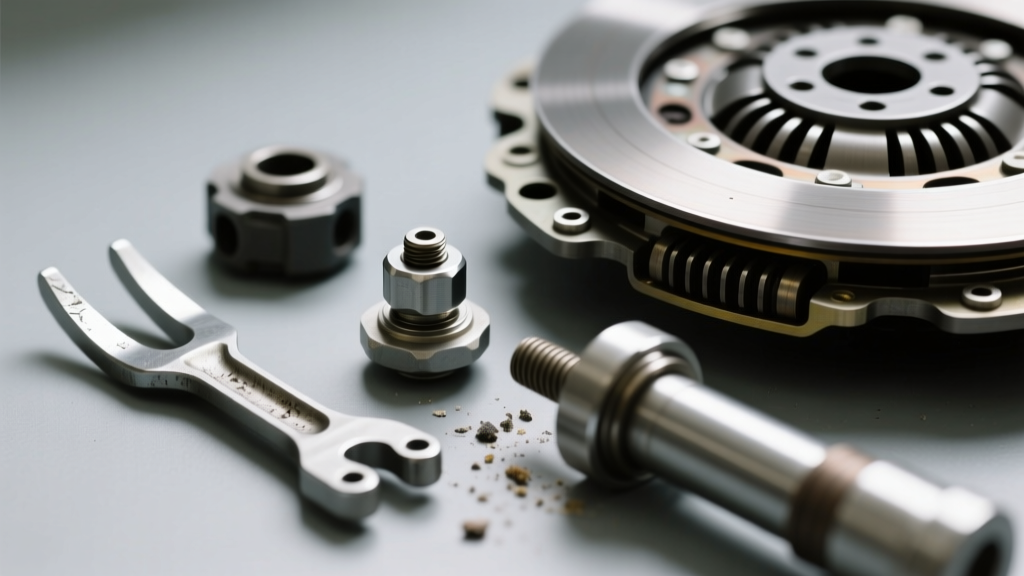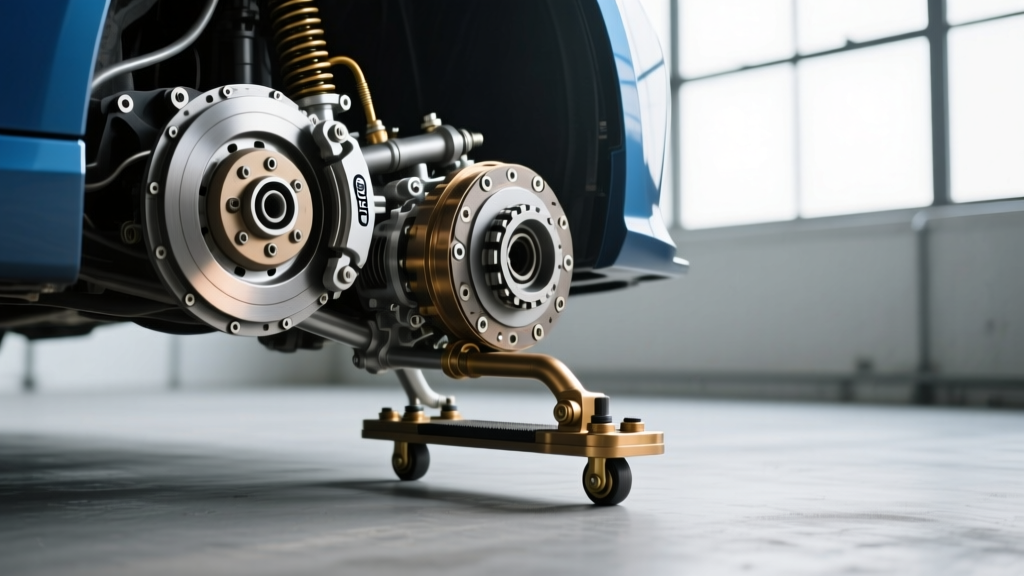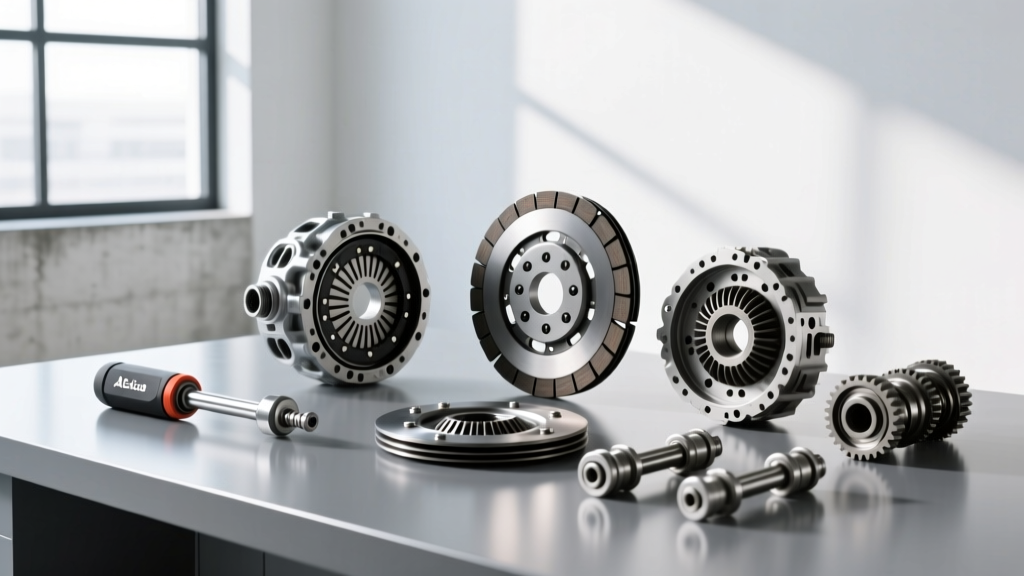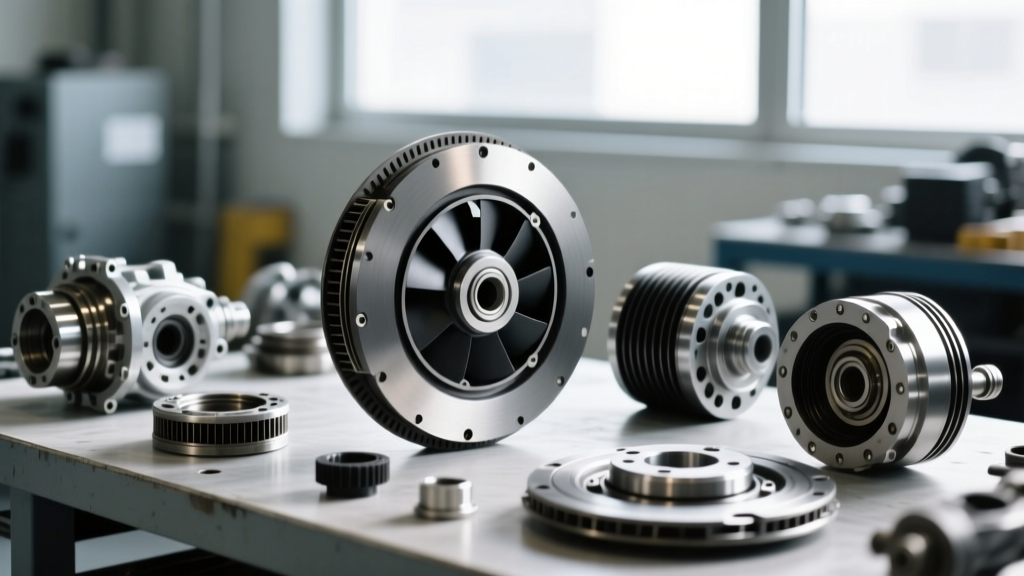
The Nightmare of Post-Replacement Clutch Failure
There are few experiences more frustrating for a heavy-duty truck owner than investing $2,000 to $3,500 in a manual transmission clutch replacement, only to experience severe chatter, slipping, or engagement failure a few hundred miles later. In the modern automotive repair landscape of 2026, a botched clutch job is not just an inconvenience; it is a massive financial liability. When a clutch system fails prematurely after a repair, the diagnostic and teardown process often reveals hidden labor traps that inflate the final bill.
At AutoGearNexus, we specialize in the brutal realities of drivetrain diagnostics. Today, we are breaking down the true cost analysis of fixing clutch problems after a repair or replacement. We will examine why seemingly unrelated ancillary tasks—such as removing a fan clutch—suddenly become mandatory line items on your warranty or out-of-pocket repair invoice, and we will provide the exact torque specs, part numbers, and diagnostic frameworks you need to hold your shop accountable.
The Hidden Labor Trap: Why Ancillary Removal Inflates the Bill
When diagnosing post-repair clutch issues on longitudinal heavy-duty platforms (such as the Ram 2500 with the G56 manual transmission or the Ford Super Duty with the ZF S6-650), accessibility is the primary enemy. If a shop incorrectly installs a pilot bearing, misaligns the friction disc, or fails to properly bleed the concentric slave cylinder, the transmission must be separated from the engine block again.
However, pulling the transmission back out or shifting the engine forward to access top-mounted bellhousing bolts and hydraulic lines requires extreme front-end clearance. In tightly packed engine bays like the 6.7L Cummins or the 6.7L Powerstroke, technicians are often forced into the tedious process of removing a fan clutch, the intercooler piping, the radiator shroud, and upper coolant hoses just to gain the necessary 4 to 6 inches of clearance to safely drop the bellhousing.
If your original repair shop botched the initial installation, this ancillary labor should be covered under their warranty. If you are paying out of pocket or dealing with a third-party mechanic who refuses to honor the original shop's work, the cost of removing a fan clutch and clearing the front accessories adds roughly 2.0 to 3.5 hours of book time to the repair. At the 2026 average heavy-duty shop rate of $185 to $245 per hour, this single accessibility hurdle adds $370 to $857 to your diagnostic and teardown bill before a single new part is even ordered.
2026 Cost Breakdown: Diagnosing and Fixing Botched Clutch Jobs
To understand the financial impact of a post-repair clutch failure, we must look at the matrix of labor, fluid, and replacement components. Below is a realistic cost analysis for correcting a failed clutch replacement on a modern heavy-duty manual truck.
| Service / Component | 2026 Estimated Cost | Labor / Spec Details |
|---|---|---|
| Ancillary Teardown (Fan Clutch, Shroud, Piping) | $370 - $857 | 2.0 - 3.5 Hours (Required for top bellhousing access) |
| Transmission R&R (Remove & Replace) | $740 - $1,225 | 4.0 - 5.0 Hours Book Time |
| Dual-Disc Clutch Kit (e.g., South Bend DD3250-6) | $1,100 - $1,650 | Required if original discs are glazed or marcel springs crushed |
| Flywheel Resurfacing / Replacement | $150 - $850 | Dual-mass or solid steel replacement if hot-spotted |
| Hydraulic Master/Slave Assembly (Mopar 52108234AE) | $220 - $310 | Mandatory if internal seals bypassed and contaminated the disc |
| G56 Transmission Fluid (6 Quarts ATF+4) | $65 - $90 | 5.7 Liters Capacity; Required upon every R&R |
Note: Total out-of-pocket costs for a complete post-repair teardown and replacement can easily exceed $3,500 if the original shop refuses to honor a workmanship warranty.
Common Post-Repair Symptoms and Their True Culprits
When you experience clutch problems after a repair, the symptoms will usually point directly to the exact shortcut the original installer took. Here is how to diagnose the root cause based on drivetrain feedback.
1. Severe Clutch Chatter and Vibration on Engagement
If the truck violently shudders when releasing the pedal in first gear, the friction surface is compromised. This is almost always caused by one of two installation errors:
- Improper Flywheel Prep: The shop reused a flywheel with microscopic hot spots or failed to clean it with brake cleaner before installation, leaving oil residue on the friction surface.
- Incorrect Pressure Plate Torque Sequence: High-performance clutches, such as those from South Bend Clutch, require a strict star-pattern torque sequence. For a standard heavy-duty pressure plate, bolts must be torqued evenly to 35-40 lb-ft. If a technician uses an impact gun or tightens them in a circle, the pressure plate diaphragm warps, causing uneven clamping force and severe chatter.
2. Hydraulic Engagement Issues and Gear Grind
If the clutch fails to fully disengage, resulting in grinding when shifting into reverse or first gear, the issue lies in the hydraulic actuation system. The internal concentric slave cylinders used in modern manual transmissions are notorious for trapping air.
If a mechanic attempts to bleed the system by simply pumping the pedal (manual bleeding), air pockets will remain trapped in the high points of the hydraulic line. The correct procedure requires vacuum bleeding from the slave cylinder bleeder valve while simultaneously pressure-feeding the master cylinder reservoir. Furthermore, if the original master cylinder (such as the common Mopar 52108234AE) has a failing rear seal, it will drip DOT 3/4 brake fluid directly onto the clutch disc, ruining a $1,500 clutch kit in a matter of days.
3. Premature Throwout Bearing Noise
A high-pitched squeal or grinding noise that occurs only when the clutch pedal is depressed indicates throwout bearing (release bearing) failure. In a post-repair scenario, this is typically caused by a misaligned pilot bearing or a damaged input shaft sleeve. If the transmission was forced into the bellhousing using the bellhousing bolts to "winch" it flush (rather than using alignment dowels and a transmission jack), the input shaft binds, placing extreme lateral load on the release bearing. According to industry data from Transmission Digest, input shaft misalignment is the leading cause of catastrophic release bearing failure within the first 1,000 miles of a replacement.
Preventing the "Double-Pay" Scenario
To protect your investment and avoid paying for hidden labor like removing a fan clutch a second time, you must establish strict parameters with your repair facility before the truck goes on the lift.
- Demand Flywheel Replacement or Certified Resurfacing: Never accept a "scuff and clean" approach on a heavy-duty truck. If the flywheel is not machined on a lathe or replaced with a new OEM/sprung unit, the warranty should be voided.
- Verify Pilot Bearing Installation: The pilot bearing must be driven in flush using the correct mandrel tool, not a random socket. A crooked pilot bearing will destroy the transmission input shaft.
- Require Vacuum Bleeding Documentation: Ensure the shop uses a pneumatic vacuum bleeder on the hydraulic system to guarantee zero air in the concentric slave cylinder.
- Check Bellhousing Dowels: Alignment dowels on the engine block must be inspected for corrosion or shearing. If the dowels are compromised, the transmission will sit at an angle, causing rapid clutch wear and input shaft damage.
Conclusion: Demand a Transparent Teardown
Diagnosing clutch problems after a repair requires a deep understanding of heavy-duty drivetrain architecture and the hidden labor required to access it. Whether the mechanic is dropping the crossmember or removing a fan clutch to gain front-end clearance, every minute of labor translates to significant cost. By understanding the exact torque specifications, hydraulic bleeding requirements, and true market pricing for 2026, you can confidently navigate warranty disputes and ensure your manual transmission operates flawlessly for the next 150,000 miles.