The Thermal Reality of the 2021 Pilot's Rear Axle
The 2021 Honda Pilot is a formidable midsize SUV, offering towing capacities ranging from 3,500 lbs on standard AWD trims up to 5,000 lbs on properly equipped V6 models. However, transferring up to 280 lb-ft of engine torque to the rear wheels generates immense thermal energy. In the realm of drivetrain engineering, the 2021 Honda Pilot rear differential fluid serves a dual purpose: it is both a boundary-layer lubricant for the hypoid ring and pinion gears, and a critical heat-transfer medium. When the fluid fails to absorb and dissipate heat, the resulting thermal runaway can lead to catastrophic clutch glazing and bearing failure. Understanding the symbiotic relationship between the differential housing cover, underbody aerodynamics, and the specific rheology of Honda's proprietary fluids is essential for long-term drivetrain reliability.
Drivetrain Configurations: Standard AWD vs. SH-AWD Thermal Demands
Honda engineers utilize two distinct rear axle architectures for the 2021 Pilot, each with unique thermal profiles and fluid requirements. The standard AWD system (found on LX, EX, and EX-L trims) utilizes a relatively simple torque-coupling mechanism. In contrast, the Super Handling All-Wheel Drive (SH-AWD) system, standard on Touring, Elite, Black Edition, and TrailSport trims, features a highly complex acceleration device and twin electromagnetic clutch packs. According to Honda's official engineering documentation on SH-AWD, the rear differential can overdrive the rear wheels by up to 2.7% to vector torque laterally, generating significant localized heat.
| Specification | Standard AWD Rear Differential | SH-AWD Rear Differential |
|---|---|---|
| Fluid Type | Dual Pump System Fluid II (DPSF-II) | SH-AWD Rear Differential Fluid |
| OEM Part Number | 08200-9002 | 08200-9007 |
| Fluid Capacity | ~1.25 Quarts (1.18 Liters) | ~2.7 Quarts (2.55 Liters) |
| Cover Material | Stamped Steel / Basic Cast Hybrid | Finned Cast Aluminum Alloy |
| Primary Heat Source | Hypoid Gear Mesh Friction | Electromagnetic Clutch Packs & Planetary Gears |
Differential Cover Metallurgy and Fin Geometry
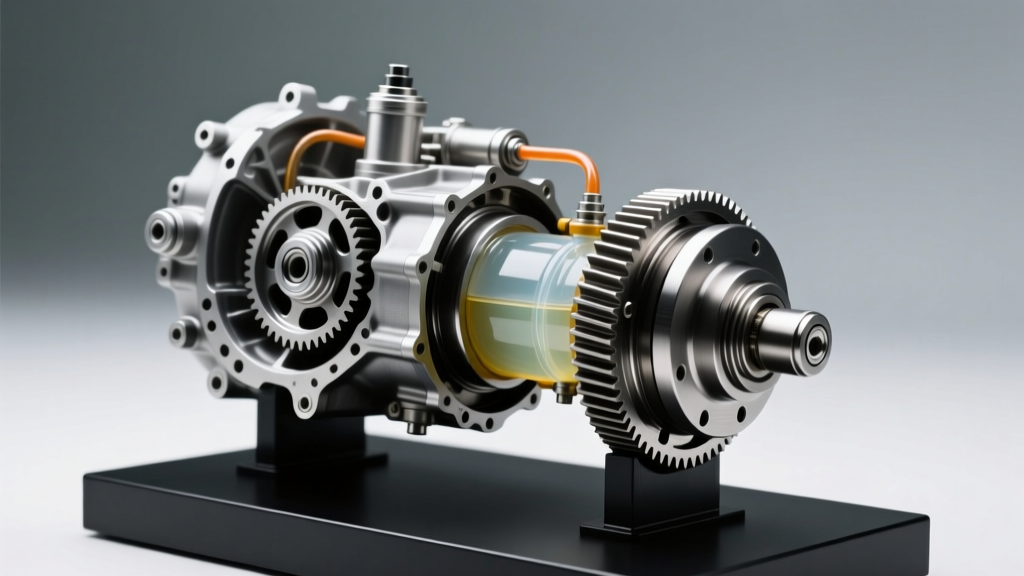
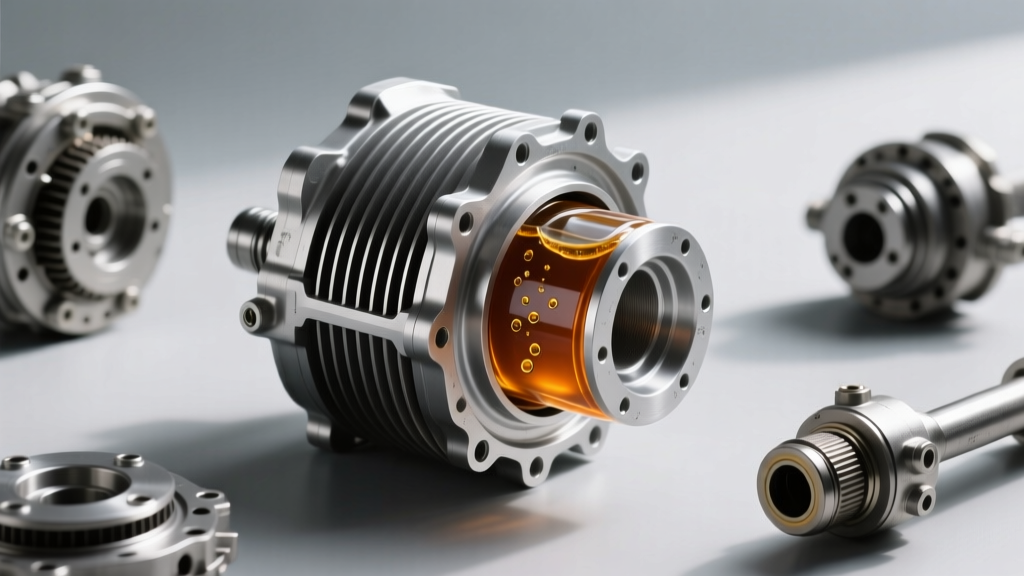
The physical differential cover is the final interface for heat rejection. On the SH-AWD equipped 2021 Pilot, the rear differential housing and cover are cast from a high-thermal-conductivity aluminum alloy. Unlike traditional stamped steel covers that rely solely on fluid convection, the SH-AWD cover features deep, longitudinally oriented cooling fins. These fins are engineered to maximize surface area exposure to the boundary layer of air moving beneath the vehicle.
The Physics of Underbody Boundary Layer Cooling
As the Pilot moves at highway speeds, air flows through the engine bay and under the chassis. The longitudinal fins on the SH-AWD differential cover are aligned parallel to this airflow to prevent turbulent eddies, which can trap hot air. The heat generated by the twin clutch packs is transferred into the fluid, which is then churned by the ring gear and splashed against the interior walls of the aluminum cover. The thermal gradient between the 200°F+ fluid and the ambient underbody air drives the heat through the aluminum and into the fin structure. If the 2021 Honda Pilot rear differential fluid loses its thermal conductivity due to oxidation, this heat exchange process stalls, causing internal clutch temperatures to spike well beyond the 240°F threshold where friction modifiers begin to degrade.
The TrailSport Factor: Skid Plates and Airflow Paradox
The 2021 Pilot TrailSport introduces a unique thermal edge case. This trim features aggressive underbody skid plates designed to protect the drivetrain from off-road impacts. While mechanically necessary for trail use, these skid plates alter the underbody aerodynamics. By enclosing the rear differential area, the skid plate can inadvertently trap radiant heat and restrict the cross-breeze airflow that the aluminum cooling fins rely upon during low-speed, high-torque off-road crawling. For TrailSport owners, this means the 2021 Honda Pilot rear differential fluid is subjected to higher sustained thermal loads. Adhering strictly to Honda's "severe service" maintenance interval—typically every 30,000 miles or 24 months—is non-negotiable for TrailSport models frequently driven in low-range or high-drag environments.
Fluid Thermodynamics and Shear Stability
Honda's DPSF-II and SH-AWD specific fluids are not conventional 75W-90 gear oils. They are highly specialized hydraulic and lubricating fluids engineered with specific friction modifiers (often organic friction modifiers and zinc dialkyldithiophosphate, or ZDDP, for anti-wear protection). These fluids must maintain a precise viscosity index to ensure the electromagnetic clutches engage smoothly without shuddering.
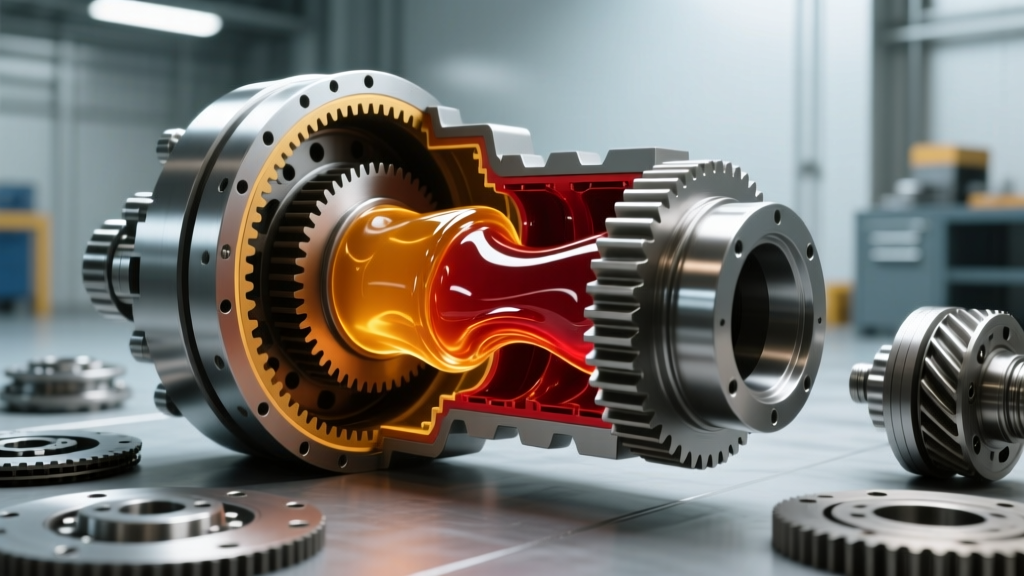
Under extreme thermal loads, the long-chain polymers that provide shear stability in the fluid can mechanically break down. When the fluid shears, its viscosity drops, leading to a thinner hydrodynamic film between the hypoid gear teeth. This results in micro-welding and pitting on the gear surfaces. Furthermore, as the fluid oxidizes from repeated heating and cooling cycles, it forms sludge and varnish. This varnish coats the interior of the differential cover fins, acting as a thermal insulator and effectively neutralizing the cooling capacity of the aluminum housing.
Diagnosing Thermal Degradation: The Infamous "Honda Groan"
The most common symptom of thermally degraded fluid and overheated clutch packs in Honda AWD systems is a low-frequency groaning or binding noise emanating from the rear axle during tight, low-speed turns. This occurs because the degraded fluid can no longer maintain the precise friction coefficient required by the clutch packs. The clutches begin to slip and grab erratically (stick-slip friction), causing torsional vibrations that resonate through the rear subframe. If caught early, a complete fluid drain and fill using OEM fluid can restore proper operation. If ignored, the clutch material will permanently glaze, requiring a complete rear differential rebuild or replacement—a repair that frequently exceeds $3,500 at OEM dealerships.
Precision Service Specifications
Proper maintenance of the cooling system requires strict adherence to factory service data, accessible via Honda TechInfo. When servicing the rear differential to preserve its thermal management capabilities, technicians and DIYers must follow these exact parameters:
- Drain and Fill Plug Torque: 33 lb-ft (44 Nm). Over-torquing can warp the cast aluminum housing, leading to seepage and compromised structural integrity.
- Crush Washers: Always replace the 18mm aluminum crush washers (OEM Part # 94109-18000). Reusing old washers compromises the seal, allowing fluid loss and subsequent air ingestion, which accelerates fluid oxidation.
- Fill Procedure: The vehicle must be perfectly level. Fill until the fluid reaches the bottom edge of the fill hole threads. For the SH-AWD system, it is critical to let the fluid settle for 5 minutes after the initial fill, then recheck, as the complex internal clutch cavities can trap air pockets.
- Post-Service Calibration: On SH-AWD models, after replacing the fluid, it is highly recommended to perform the SH-AWD clutch calibration procedure using a bi-directional OBD2 scan tool. This ensures the clutch pressure maps are reset to account for the new fluid's exact friction characteristics.
Conclusion
The longevity of the 2021 Honda Pilot's rear axle is inextricably linked to its thermal management systems. The finned aluminum differential cover and precise underbody airflow are only as effective as the fluid transferring the heat. By understanding the distinct differences between the Standard AWD and SH-AWD systems, respecting the aerodynamic impacts of TrailSport skid plates, and adhering to exact torque and fluid specifications, owners can prevent thermal degradation and ensure optimal torque vectoring performance for the life of the vehicle.