The Critical Role of the Transmission Park Position Sensor
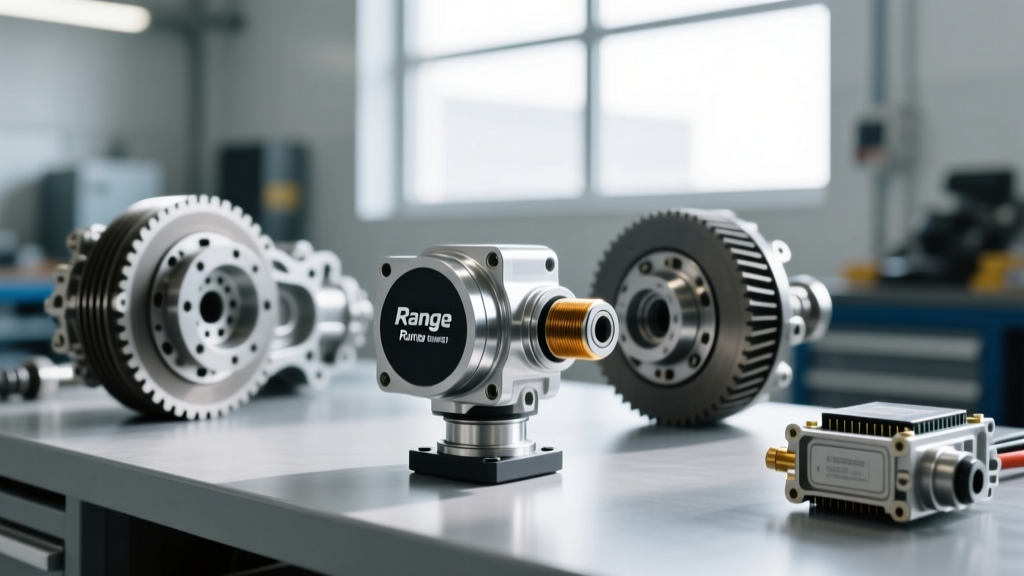
When a modern vehicle refuses to crank in Park, defaults to limp mode, or displays a flashing PRNDL indicator, the culprit is often the transmission park position sensor. Also known in the industry as the Transmission Range Sensor (TRS), Neutral Safety Switch, or Internal Mode Switch (IMS), this component serves as the critical bridge between your physical shift lever and the Transmission Control Module (TCM). It tells the TCM exactly what gear the driver has selected, enabling starter engagement, reverse light illumination, and precise line pressure modulation.
However, when this sensor fails, technicians and DIYers face a pivotal decision: should you install an Original Equipment Manufacturer (OEM) replacement or save money with an aftermarket alternative? From a symptom diagnosis and troubleshooting perspective, the data heavily favors OEM. This guide breaks down the mechanical realities, diagnostic procedures, and platform-specific quirks of transmission park position sensors to help you make the right repair decision.
The Anatomy of a Failure: Why Aftermarket Sensors Fall Short
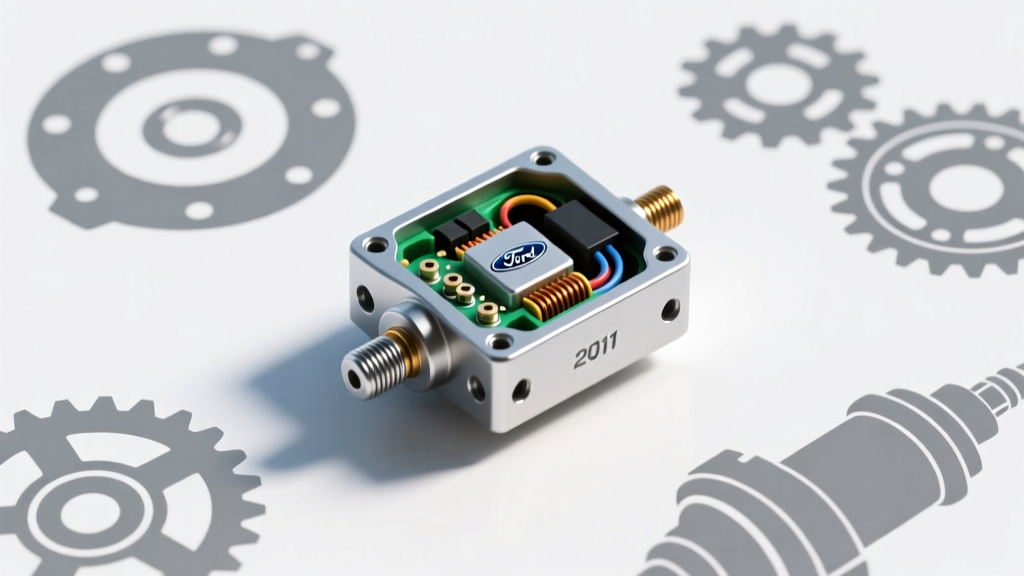
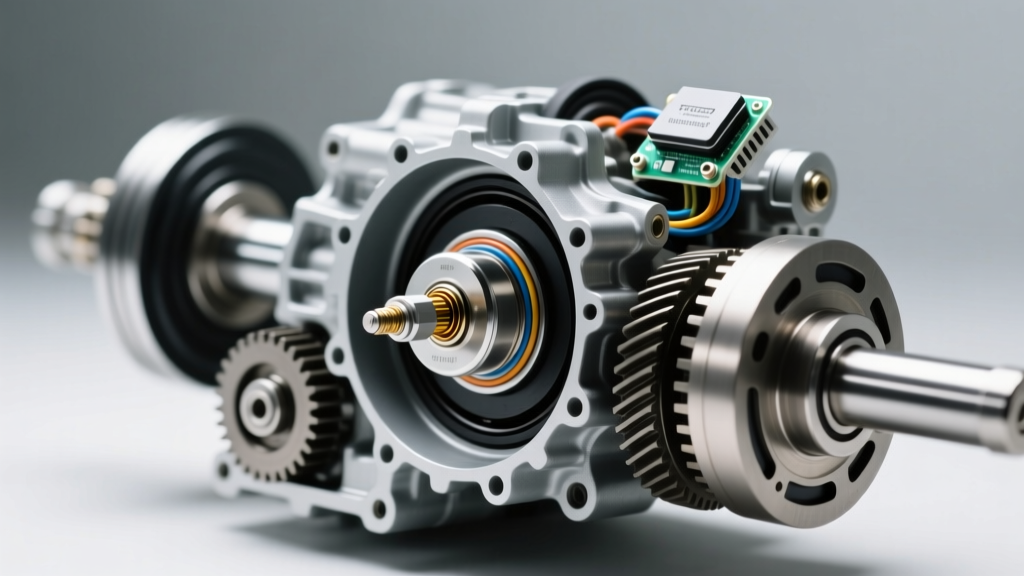
To understand why aftermarket sensors frequently cause recurring diagnostic trouble codes (DTCs), you must look at the internal construction. A typical transmission park position sensor relies on a series of metallic wiper contacts sliding across a printed circuit board (PCB) or a resistor array. As the shift shaft rotates, these wipers complete different circuits to signal the TCM.
- OEM Engineering: Manufacturers like ACDelco, Mopar, and ZF utilize gold-palladium or high-grade silver alloy plating for the wiper contacts. The PCB is sealed with high-temperature epoxy resins designed to withstand continuous immersion in 200°F+ automatic transmission fluid (ATF).
- Aftermarket Compromises: Budget replacement brands often use stamped copper or tin-plated contacts. These softer metals oxidize rapidly and wear through the PCB resin within 15,000 to 20,000 miles. Furthermore, inferior O-ring seals allow microscopic clutch material and metallic debris to infiltrate the switch housing, causing intermittent open circuits.
"The TCM expects a very specific voltage curve from the range sensor. When aftermarket wiper contacts degrade, they introduce micro-ohms of resistance that the TCM interprets as a mechanical misalignment, instantly triggering limp mode to protect the geartrain." — Lead Drivetrain Diagnostic Engineer
Symptom Diagnosis: Spotting a Failing Park Position Sensor
Before tearing into the transmission pan or valve body, accurate symptom diagnosis is required. A failing transmission park position sensor typically presents with the following clinical signs:
- No-Crank Condition: The starter relay will not engage in Park or Neutral, but the vehicle may start if shifted slightly out of the detent.
- Erratic PRNDL Display: The instrument cluster may show the vehicle in Reverse while physically in Drive, or display a flashing gear indicator.
- Harsh Shifts and Limp Mode: If the TCM loses the range signal, it defaults to maximum line pressure to prevent clutch slippage, resulting in violent 1-2 and 2-3 shifts. The transmission will lock in a single gear (usually 3rd or 4th).
- Reverse Lights Stuck On: The backup lamps remain illuminated regardless of shifter position.
Common OBD-II Diagnostic Trouble Codes
According to the P0705 diagnostic guide and standard SAE J2012 definitions, you will typically encounter these codes:
| DTC | Description | Primary Diagnostic Focus |
|---|---|---|
| P0705 | Transmission Range Sensor Circuit Malfunction | Open/Short in the primary signal return circuit; complete sensor failure. |
| P0706 | Transmission Range Sensor Circuit Range/Performance | Worn wiper contacts; mechanical misalignment of the shift shaft. |
| P0850 | Park/Neutral Switch Input Circuit | Specific to the neutral safety start circuit; corroded aftermarket terminals. |
| P1713 | Transmission Range Sensor (Manufacturer Specific) | Invalid gear combination detected (e.g., Park and Reverse signals simultaneously). |
OEM vs. Aftermarket: A Technical & Financial Breakdown
When sourcing a replacement, the initial price difference is obvious, but the total cost of ownership tells a different story. Below is a direct comparison based on current 2026 market pricing for standard light-duty applications.
| Feature | OEM (e.g., ACDelco, Mopar, Motorcraft) | Aftermarket (e.g., Dorman, Spectra, BWD) |
|---|---|---|
| Average Price Range | $130 - $280 | $55 - $95 |
| Wiper Contact Material | Gold-palladium / Silver alloy | Copper / Tin-plated steel |
| Housing Sealing | Laser-welded / High-temp Viton O-rings | Sonic-welded / Standard Buna-N rubber |
| Typical Lifespan | 120,000+ miles (Life of vehicle) | 15,000 - 40,000 miles |
| TCM Relearn Required? | Yes (Standard Procedure) | Yes (Often fails adaptation due to variance) |
Platform-Specific Troubleshooting & Installation Specs
The location and complexity of the transmission park position sensor vary wildly between manufacturers. Here is how to approach the three most common architectures.
1. GM 6L80 / 6L90 Internal Mode Switch (IMS)
In GM trucks, Camaros, and Corvettes equipped with the 6L80 or 6L90, the sensor is located inside the transmission pan, directly on the shift shaft. The OEM part number is ACDelco 24252344.
Troubleshooting & Installation:
- Fluid Contamination: Because the IMS is bathed in ATF, degraded fluid (specifically Dexron VI that has exceeded its 60,000-mile service interval) becomes acidic and eats away at aftermarket sensor resins. Always replace the filter (ACDelco 24236933) and perform a full fluid exchange when replacing the IMS.
- Alignment is Critical: The IMS must be aligned in Neutral using the alignment pin on the sensor body. If installed while the shaft is in Park, the internal wipers will bind and snap.
- Torque Specifications: The IMS mounting bolts must be torqued to exactly 10 Nm (89 lb-in). Over-torquing will crack the PCB housing. The manual shift shaft nut requires 25 Nm (18 lb-ft).
2. ZF 8HP Mechatronic Integration
In modern applications utilizing the ZF 8-speed (Chrysler 8HP70, BMW ZF 8HP, Ford 10R80 variants), the transmission park position sensor is not a standalone bolt-on component. It is integrated directly into the Mechatronic unit's conductor plate.
Troubleshooting & Installation:
You cannot simply buy an "aftermarket sensor" for these units. If the TRS fails, you must replace the entire Mechatronic conductor plate or the complete valve body assembly. Furthermore, the ZF 8HP requires the use of specific ZF LifeguardFluid 8 or OEM-equivalent fluids; using generic aftermarket ATF can cause the conductor plate's solenoid screens to clog, indirectly affecting the hydraulic pressure that the TCM correlates with the park position sensor data. Always perform a TCM adaptation reset via a bi-directional scan tool after mechatronic service.
3. Classic GM 4L60E / 4L80E External PRNDL Switch
For older but ubiquitous platforms, the sensor is mounted externally on the driver's side of the case, encircling the shift shaft.
Troubleshooting & Installation:
The most common error here is failing to use the alignment tool. You must insert a 5/32-inch drill bit or the specific J 41244 alignment pin through the switch housing into the alignment hole on the valve body manual shaft before tightening the retaining bolts. Failure to do so will result in a P0706 code and severe shift timing issues.
Multimeter Diagnostics: Verifying the Circuit
Before condemning the sensor, you must verify the wiring harness. TCMs provide a 5-Volt Reference (5VREF) and a low-reference ground to the transmission park position sensor.
- Check the 5VREF: Backprobe the sensor connector with the key on, engine off (KOEO). You should read exactly 4.8V to 5.1V. If it reads 0V, you have a broken wire between the TCM and the transmission pass-through connector.
- Check the Signal Return: As an assistant moves the shifter slowly from Park to Low, monitor the signal return pin on an oscilloscope or multimeter. The voltage should step down in clean, distinct increments (e.g., 4.2V for Park, 3.5V for Reverse, 2.8V for Neutral). If the voltage drops to 0V or spikes erratically between gears, the internal wiper contacts are burnt, confirming sensor failure.
- Dielectric Grease Warning: When reconnecting the harness, use only a specialized electronics grease like Nyogel 760G or a pure silicone dielectric compound. Never use petroleum-based greases, which will swell the plastic connector housing and push the terminals apart, causing an immediate P0705 code.
The Final Verdict: Why OEM is Non-Negotiable
When diagnosing shifting anomalies, no-start conditions, or PRNDL display errors, the transmission park position sensor is a prime suspect. While the allure of saving $80 on an aftermarket TRS or IMS is understandable, the labor involved in dropping a transmission pan, draining 6+ quarts of synthetic ATF, and performing TCM relearns makes the cheap route a false economy. The inferior contact materials and substandard sealing of aftermarket units guarantee a return trip to the shop. For reliable drivability and accurate TCM communication, OEM replacement parts remain the only logical choice for professional and DIY repair alike.