The 2011 F-150 6R80 Transmission: Understanding the Range Sensor
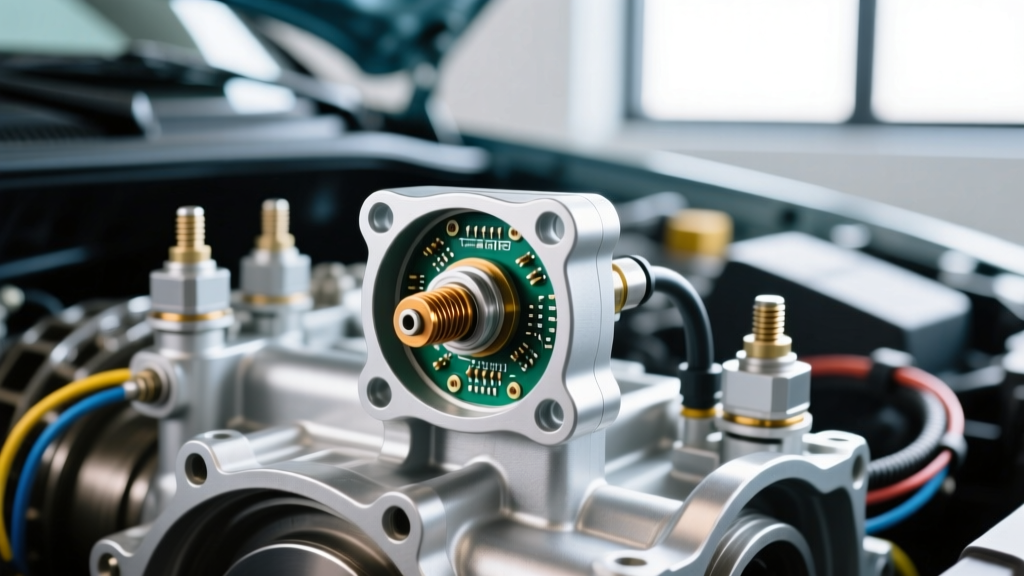
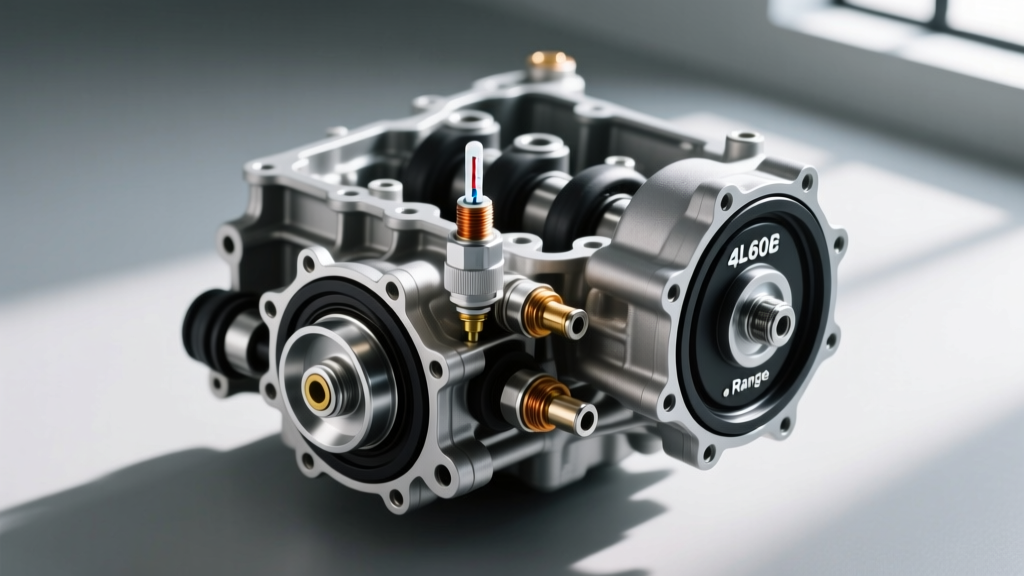
The 2011 Ford F-150 marked a pivotal year for Ford's truck lineup, introducing the robust 6R80 six-speed automatic transmission. Based on the ZF 6HP26 architecture, the 6R80 relies heavily on precise electronic inputs to manage its complex clutch-to-clutch shifting logic. At the heart of this gear-selection ecosystem is the transmission range (TR) sensor, often referred to as the neutral safety switch or PRNDL switch. Mounted externally on the driver's side of the transmission case, this sensor translates the physical position of the shift linkage into digital signals for the Transmission Control Module (TCM).
When drivers search for a replacement 2011 F150 transmission range sensor, they are usually reacting to severe drivability issues. Because the 6R80 utilizes a 'commanded shift' system rather than traditional hydraulic valve-body detents, the TCM must know the exact gear selector position to calculate shift pressure, torque converter clutch lockup, and starter engagement. A failing TR sensor doesn't just cause a minor annoyance; it fundamentally disrupts the transmission's shifting algorithms, leading to harsh engagements, erratic gear displays, and protective limp modes.
Transmission Sensor and Shifting Problems: The 6R80 Failsafe Mode
One of the most common misconceptions among truck owners is that harsh shifting automatically indicates internal clutch wear or a failing valve body. In the 6R80, severe shifting problems are frequently traced back to the TR sensor or its associated wiring. When the TCM detects an implausible or intermittent signal from the range sensor, it immediately triggers a failsafe protocol to protect the transmission from catastrophic mechanical damage.
Harsh Shifts and Maximum Line Pressure
If the TCM loses confidence in the TR sensor's data, it can no longer accurately modulate the adaptive shift pressures. To prevent clutch slippage—which could burn up the friction materials in a heavy-duty truck application—the TCM defaults to maximum line pressure. The result is jarring, bone-rattling 1-2 and 2-3 upshifts, especially when accelerating from a stop. Many owners mistakenly replace shift solenoids or perform multiple fluid flushes, only to find the harsh shifting persists until the range sensor circuit is addressed.
Limp Mode and Gear Locking
In more advanced stages of failure, the 6R80 will enter 'Commanded Shifts' limp mode. The TCM will lock the transmission into a single gear (usually 3rd or 5th) to allow the driver to limp to a service center. You will typically see a wrench icon on the dashboard, and the PRNDL indicator may flash or display a blank space where the gear letter should be. According to real-world diagnostics shared by the F150Online community, this limp mode is often accompanied by a complete loss of cruise control and tow/haul functionality.
Diagnostic Trouble Codes (DTCs) to Monitor
Before purchasing a replacement part, it is critical to pull the OBD-II codes using a bi-directional scan tool capable of reading TCM-specific data. The OBD-Codes database identifies several primary codes associated with TR sensor failures:
- P0705: Transmission Range Sensor Circuit Malfunction (General circuit failure)
- P0706: Transmission Range Sensor Circuit Range/Performance (Sensor is sending conflicting data, e.g., reporting both Park and Drive simultaneously)
- P0707: Transmission Range Sensor Circuit Low Input (Usually indicates a short to ground or broken wire)
- P0708: Transmission Range Sensor Circuit High Input (Usually indicates an open circuit or short to power)
Expert Insight: Before condemning the sensor itself, inspect the 6R80's main case connector. Ford's 6R80 is notorious for micro-fretting corrosion on the external harness connector pins. Cleaning the pins with electrical contact cleaner and applying dielectric grease can sometimes resolve P0705 codes without replacing any hardware.
OEM vs. Aftermarket: 2011 F150 Transmission Range Sensor Comparison
When sourcing a replacement, the market is flooded with options. As of 2026, the pricing and availability of 6R80 electronic components have stabilized, but quality disparities remain vast. Below is a comparison of the top choices for your F-150.
| Brand | Part Number | Price Range (2026) | Warranty | Verdict |
|---|---|---|---|---|
| Motorcraft (OEM) | SW-7189 (9L3Z-7F247-A) | $75 - $95 | 2-Year Unlimited | Best overall. Factory calibration ensures perfect TCM communication. |
| Standard Motor Products | SLS211 | $55 - $70 | 3-Year / 36k | Excellent premium aftermarket alternative. Reliable potentiometer. |
| Dorman | 924-934 | $40 - $55 | Limited Lifetime | Budget-friendly, but some reports of premature plastic housing warping. |
| BWD / Wells | 1S10450 | $35 - $50 | 1-Year | Avoid if possible. High failure rate in high-heat underbody environments. |
For a work truck or daily driver, we strongly recommend sticking with Motorcraft OEM components. The internal wiper contacts in the OEM sensor are built to withstand the severe vibration and thermal cycling inherent to the F-150's undercarriage.
Step-by-Step Replacement and Neutral Alignment Procedure
Replacing the TR sensor on a 2011 F-150 6R80 is a straightforward mechanical job, but it requires a precise alignment procedure. If the sensor is installed out of phase with the internal manual valve, the truck may crank in gear, fail to start, or immediately throw a P0706 code upon startup.
Required Tools and Specifications
- 10mm and 12mm sockets
- Torque wrench (inch-pounds and foot-pounds)
- 4mm drill bit or dedicated alignment pin
- Dielectric grease and electrical contact cleaner
The Alignment Protocol
- Safety First: Chock the rear wheels and engage the parking brake. Place the transmission in Neutral using the column shifter.
- Remove Linkage: Under the truck, locate the shift linkage on the driver's side of the 6R80 case. Remove the 12mm nut securing the shift cable to the manual lever (Torque spec for reinstallation: 15 Nm / 11 lb-ft).
- Unbolt Sensor: Remove the two 10mm bolts securing the TR sensor to the transmission case.
- Align the New Sensor: Before installing the new sensor, look for the alignment holes on the sensor body and the internal rotor. Insert a 4mm drill bit through both holes. This locks the sensor in the exact Neutral position.
- Install and Torque: Slide the aligned sensor onto the manual valve shaft. Ensure the drill bit remains in place while you thread the two 10mm mounting bolts. Critical Torque Spec: Tighten the sensor mounting bolts to exactly 10 Nm (89 lb-in). Over-torquing can crack the sensor housing, leading to moisture ingress.
- Remove Alignment Pin: Once the bolts are torqued, remove the 4mm drill bit. Reattach the shift linkage.
TCM Reset and Adaptive Learning
After installing the new 2011 F150 transmission range sensor, simply clearing the codes is not enough. The 6R80 TCM relies on adaptive learning tables to dictate shift timing based on clutch wear. When the TR sensor is replaced, you must reset the Keep Alive Memory (KAM). This can be done by disconnecting the negative battery terminal for 15 minutes, or by using a bi-directional OBD-II scanner to perform a 'TCM Adaptive Reset'.
Following the reset, the truck will require a relearning drive cycle. Expect the first 50 to 100 miles of driving to feature slightly softer or delayed shifts as the TCM recalibrates the clutch fill volumes and line pressures. If harsh shifting persists beyond 100 miles, re-verify the physical alignment of the TR sensor and inspect the main case connector for backed-out pins or corrosion. By choosing a high-quality OEM sensor and adhering strictly to Ford's torque and alignment specifications, you can restore your 6R80 to factory-smooth shifting and eliminate limp-mode anxieties for the life of the truck.