The Architecture: Is Panigale V2 Dry Clutch or Wet?
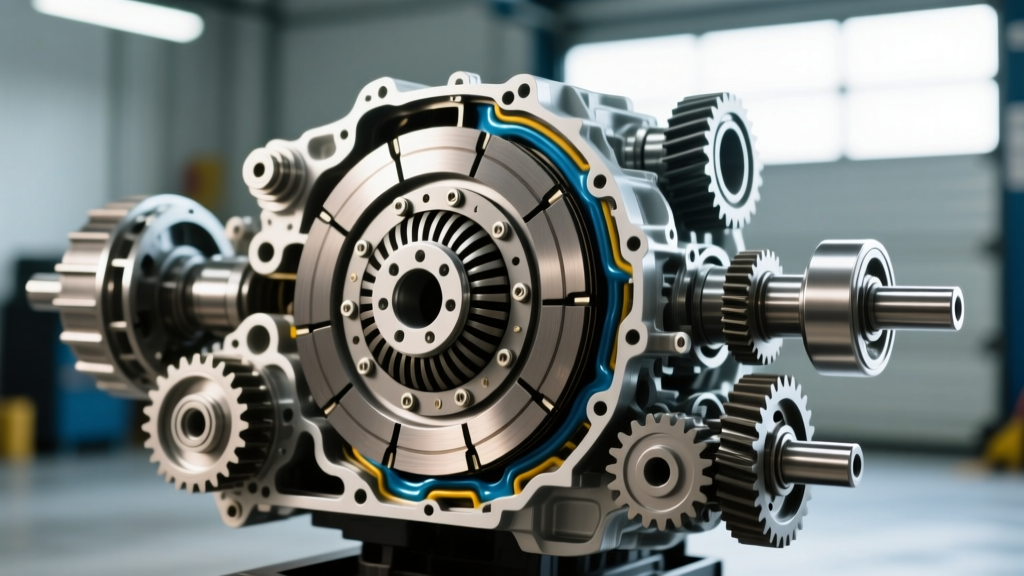
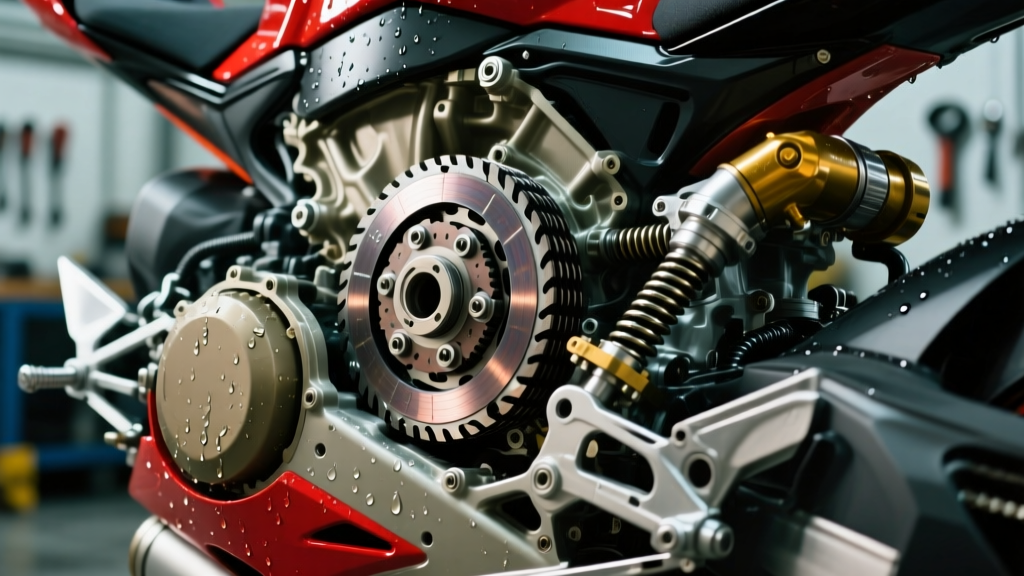
When evaluating high-performance Italian motorcycles, a common question among enthusiasts, track-day riders, and prospective buyers is: is Panigale V2 dry clutch equipped? The definitive answer is no. Unlike the iconic, rattling dry clutches found on older Ducati models like the 1098, 1199, and the 1299 Superleggera, the Panigale V2—powered by the 955cc Superquadro V-twin engine—utilizes a wet, multiplate clutch bathed in engine oil.
Ducati transitioned away from dry clutches for their mainstream street and track models to comply with stricter global noise regulations, improve low-speed drivability, and extend service intervals. While dry clutches offer a marginal reduction in rotational mass and a distinct mechanical symphony, wet clutches provide superior thermal dissipation and longevity under sustained high-load conditions. However, because the Panigale V2 generates 155 horsepower at the crank, the wet clutch assembly is still subjected to immense shear forces. When preventive maintenance is neglected, clutch slipping becomes a primary failure point, compromising power delivery and potentially leading to catastrophic transmission damage.
Identifying Clutch Slipping Symptoms in Wet Systems
Diagnosing a slipping wet clutch requires a nuanced understanding of how oil-bathed friction materials degrade. Unlike a dry clutch, which typically grabs aggressively and then slips violently when worn, a wet clutch often exhibits a progressive, insidious loss of friction. As an automotive and motorcycle drivetrain expert, I categorize the symptoms into three distinct phases:
- Phase 1 (Micro-Slip): Occurs only under peak torque loads. You will notice a slight RPM flare when transitioning from 3rd to 4th gear at wide-open throttle (WOT), but acceleration remains largely linear.
- Phase 2 (Thermal Fade): The clutch slips when the engine and oil reach full operating temperature (over 180°F / 82°C). Cold starts feel normal, but after 20 minutes of aggressive riding, the friction plates lose their coefficient of friction due to oil contamination and glazing.
- Phase 3 (Mechanical Failure): Severe slipping in all gears above 2nd. A distinct smell of burnt friction material (resembling scorched brake pads) permeates the engine oil. The motorcycle will fail to pull its own weight on steep inclines.
Diagnostic Matrix: Slipping vs. Dragging vs. Hydraulic Failure
Before tearing down the engine casing, it is critical to isolate the root cause. Not all RPM flares are caused by worn friction plates. Use the following diagnostic matrix to pinpoint the exact failure mode.
| Symptom Profile | Primary Suspect | Diagnostic Test | Preventive Solution |
|---|---|---|---|
| RPM flare under heavy load, high gear | Worn friction plates / Glazed steels | Measure plate thickness with micrometer | Replace clutch pack, flush oil |
| Slipping only when oil is hot | Oil shear breakdown / Wrong JASO spec | Check oil viscosity and friction modifiers | Switch to JASO MA2 15W-50 synthetic |
| Lever feels spongy, incomplete disengagement | Air in hydraulic system / Worn seals | Inspect Brembo slave cylinder and master | Bleed system, rebuild master cylinder |
| Notchy shifting, false neutral, rear wheel creeps | Clutch drag / Warped steel plates | Measure steel plate runout on glass surface | Replace warped steels, check basket notching |
Root Cause Teardown: Measuring Wear and Stack Height
If your road test confirms Phase 1 or Phase 2 slipping, the next step is a physical teardown. According to Ducati's official technical documentation, the Superquadro engine requires precise clutch pack tolerances to maintain hydraulic pressure and spring tension.
Friction and Steel Plate Specifications
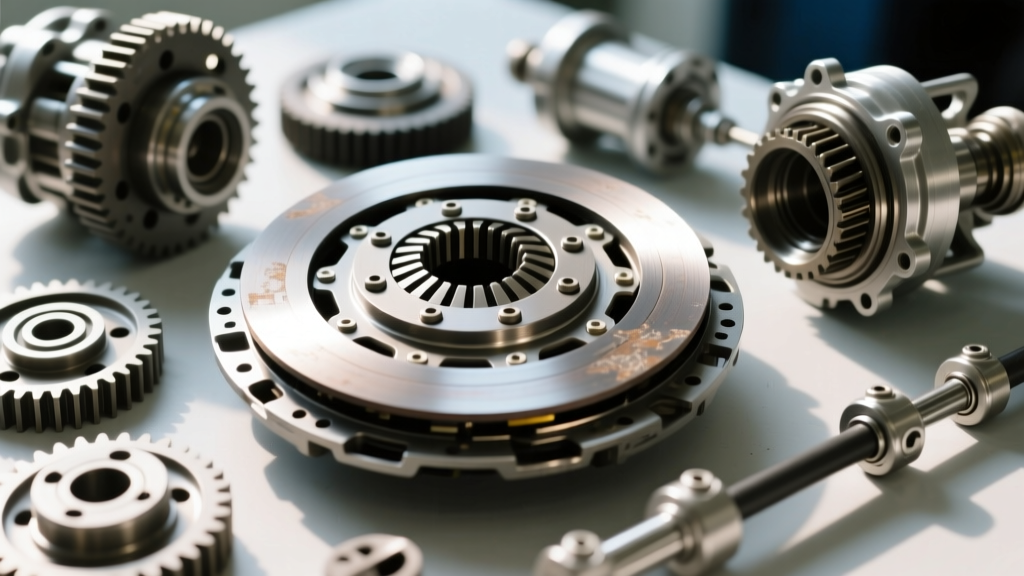
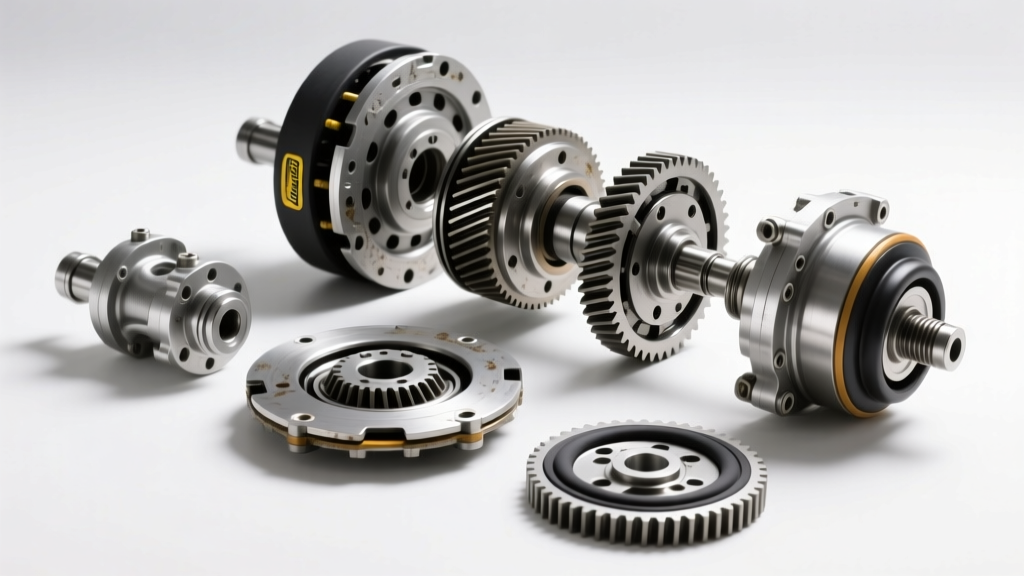
Drain the engine oil and remove the right-side clutch cover (torque spec for reassembly: 10 Nm for M6 bolts into aluminum). Extract the clutch pack and separate the friction plates from the steel separator plates.
- Friction Plate Thickness: New plates typically measure 3.0mm. The absolute service wear limit is 2.5mm. If any plate measures below 2.6mm, replace the entire pack.
- Steel Plate Warpage: Place each steel plate on a perfectly flat glass surface and attempt to slide a 0.1mm feeler gauge underneath. If the gauge passes, the plate is warped and must be replaced. Warped steels prevent the clutch pack from fully clamping, leading to localized hot spots and micro-slipping.
- Clutch Basket Notching: Run your fingernail along the inner aluminum clutch basket and outer bell. Deep grooves caused by the steel plates hammering against the aluminum will prevent the clutch from disengaging smoothly and can cause uneven pressure distribution, accelerating slip.
Preventive Maintenance: Fluids, Friction Modifiers, and Hydraulics
The longevity of the Panigale V2's wet clutch is entirely dependent on the chemical properties of the engine oil and the integrity of the hydraulic actuation system. As of 2026, modern synthetic formulations have vastly improved shear stability, but improper fluid selection remains the leading cause of premature clutch slip.
The Critical Role of JASO MA2 Certification
Never use standard automotive engine oil in a wet clutch system. Automotive oils contain friction modifiers (like molybdenum) designed to reduce internal engine friction for fuel economy. In a wet clutch, these modifiers coat the friction plates, destroying their ability to grip. You must use an oil certified with the JASO MA2 standard, which guarantees a high coefficient of friction suitable for wet clutches. For the Panigale V2, Ducati recommends Shell Advance Ultra 15W-50 or an equivalent full-synthetic JASO MA2 oil. The thicker 15W-50 viscosity provides a more robust fluid film between the steel and friction plates under extreme track-day temperatures, delaying thermal fade.
Hydraulic System Integrity
The Panigale V2 uses a hydraulic clutch actuation system, typically featuring a Brembo master cylinder and a remote slave cylinder. If the clutch hydraulic fluid absorbs moisture, its boiling point drops. Under heavy use, the fluid can vaporize in the slave cylinder, leading to a spongy lever and incomplete clutch disengagement, which forces the rider to ride the clutch, generating excess heat and slip.
- Fluid Spec: Use a high-performance DOT 4 fluid like Brembo LCF 600 Plus or Motul RBF 660.
- Interval: Flush and bleed the hydraulic clutch system every 12 months, regardless of mileage.
- Master Cylinder Maintenance: Rebuild the master cylinder with a new seal kit every 24 months to prevent internal bypass leaks, which manifest as a lever that slowly pulls to the bar under constant pressure.
When to Upgrade: OEM vs. Aftermarket Clutch Packs
If you are diagnosing a slipping clutch on a Panigale V2 that is frequently used for track days or aggressive canyon carving, OEM paper-based friction plates may not suffice. Upgrading to an aftermarket solution can drastically increase the torque capacity of the wet clutch without requiring stiffer clutch springs (which would make the lever pull uncomfortably heavy).
Consider aftermarket options like Barnett Kevlar or EBC CK Series friction plates. Kevlar-faced plates offer a higher coefficient of friction and superior resistance to glazing when exposed to contaminated or overheated oil. When installing aftermarket plates, it is mandatory to soak them in fresh JASO MA2 engine oil for a minimum of 12 hours prior to installation to ensure the porous friction material is fully saturated, preventing immediate burnout upon first engagement.
Summary: Proactive Drivetrain Care
While the answer to 'is Panigale V2 dry clutch' is definitively no, the wet multiplate system requires just as much diagnostic rigor as its dry predecessors. By monitoring for early RPM flares, strictly adhering to JASO MA2 oil specifications, measuring plate thickness with precision micrometers, and maintaining the Brembo hydraulic circuit, you can ensure the 955cc Superquadro engine transfers every ounce of its 155 horsepower directly to the rear tire. For more detailed motorcycle and automotive drivetrain diagnostics, consult your factory service manual or visit trusted industry maintenance guides to keep your machine performing at its peak.