The Real Differential Fluid Service Cost: When It's More Than Just Oil
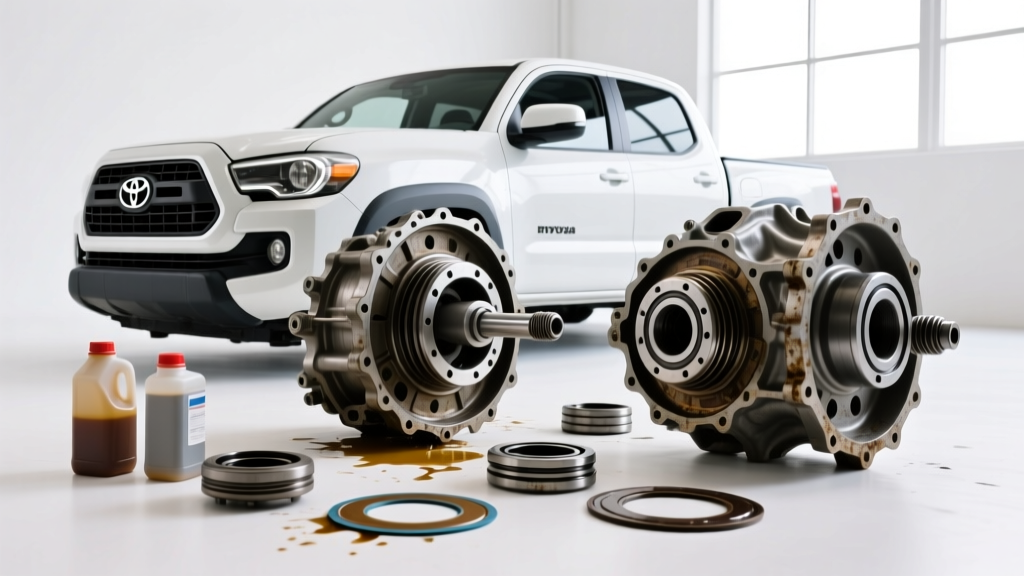
You booked an appointment for a routine drivetrain maintenance, expecting a standard differential fluid service cost of around $150 to $250. But when the vehicle goes on the lift, the technician points out a heavy misting of 75W-90 gear oil around the pinion yoke, or perhaps a distinct rotational whine emanating from the carrier bearings. Suddenly, a simple drain-and-fill has escalated into a comprehensive differential bearing and seal replacement. In 2026, with shop labor rates frequently exceeding $175 per hour, understanding the boundary between basic fluid maintenance and hard-part drivetrain repair is critical for your wallet and your vehicle's longevity.
As drivetrain specialists, we see this scenario daily. A neglected differential breather valve or a worn pinion yoke can turn a minor seal weep into a catastrophic bearing failure. This guide breaks down the true costs, diagnostic best practices, and expert-level repair procedures for differential seals and bearings.
Diagnosing the Leak: Seal Failure vs. Crankcase Pressure
Before authorizing a massive repair bill, it is vital to verify the root cause of the leak. Not all gear oil on your garage floor requires a teardown.
- The Breather Valve Check: Differential housings operate under extreme thermal cycling. As the gear oil heats up, the air inside expands. If the axle breather valve (usually a small plastic or metal cap on the top of the housing) is clogged with mud or debris, internal pressure will blow out the path of least resistance—typically the pinion or axle seals. Always clean or replace the breather before condemning a seal.
- Overfilling Symptoms: If a previous fluid service was performed incorrectly and the differential was overfilled, the churning of the ring gear creates excess foam and pressure, forcing fluid past perfectly good seals.
- Grooved Pinion Yoke: If the pinion seal is leaking, run your fingernail across the sealing surface of the pinion yoke. If you feel a deep groove worn into the metal by decades of seal friction, simply replacing the seal is a temporary fix. The new seal lip will ride in the exact same groove and leak within 2,000 miles.
- Bearing Whine vs. Gear Howl: A whine that changes pitch with vehicle speed (but not under load vs. deceleration) usually points to failing pinion or carrier bearings, not the ring and pinion gears themselves.
Cost Breakdown: Fluid Service vs. Bearing and Seal Replacement
The financial leap from a fluid swap to a bearing rebuild is significant. Below is a realistic 2026 pricing matrix for common solid-axle and independent rear suspension (IRS) differentials.
| Service Type | Typical Parts Cost | Book Labor Time | Estimated Shop Total |
|---|---|---|---|
| Basic Fluid Drain & Fill | $40 - $90 | 1.0 - 1.5 hrs | $175 - $300 |
| Pinion Seal Replacement | $25 - $65 | 2.0 - 3.0 hrs | $400 - $650 |
| Axle Shaft Seal Replacement | $15 - $40 | 2.5 - 4.0 hrs | $450 - $800 |
| Full Bearing Rebuild (Master Kit) | $250 - $600 | 8.0 - 12.0 hrs | $1,600 - $2,800+ |
Expert Best Practices for Pinion Seal Replacement
Replacing a pinion seal is often mistakenly viewed as a simple "remove and replace" job by amateur mechanics. In reality, it is a precision procedure that directly affects the survival of your pinion bearings.
Preserving Bearing Preload
The pinion nut does not just hold the yoke on; it compresses a crush sleeve to set the rotational drag (preload) on the pinion bearings. If you use an impact wrench to remove or reinstall the pinion nut, you will over-crush the sleeve, resulting in excessive bearing preload, extreme heat generation, and total bearing failure within a few hundred miles.
The Expert Method: Before removing the nut, mark the nut and the pinion shaft with a paint pen. Count the exact number of threads exposed. When reinstalling, tighten the nut by hand and use a beam-style inch-pound torque wrench to measure rotational drag. For used bearings, you are typically aiming for 12 to 18 inch-pounds of drag torque. For reference, standard automotive torque wrenches measure in foot-pounds; you must use a dedicated inch-pound beam wrench for this delicate operation.
Pro-Tip: If you are performing a full rebuild or frequently swap gears, ditch the one-time-use crush sleeve entirely. Install a solid crush sleeve eliminator kit (such as those offered by Ratech or Yukon Gear). These kits use precision shims to set preload, allowing you to tighten the pinion nut with an impact gun without fear of over-compression. Read more about drivetrain upgrades on MotorTrend How-To.
Addressing the Grooved Yoke
If your yoke is grooved, you have two professional options. First, you can replace the yoke entirely. Second, and often more cost-effective, is the installation of a Speedi-Sleeve (a ultra-thin stainless steel sleeve that presses over the worn yoke surface, providing a brand-new, smooth sealing surface). SKF Automotive manufactures these precision sleeves, which are a staple in professional transmission and drivetrain shops.
Carrier Bearing Replacement: Shims and Backlash
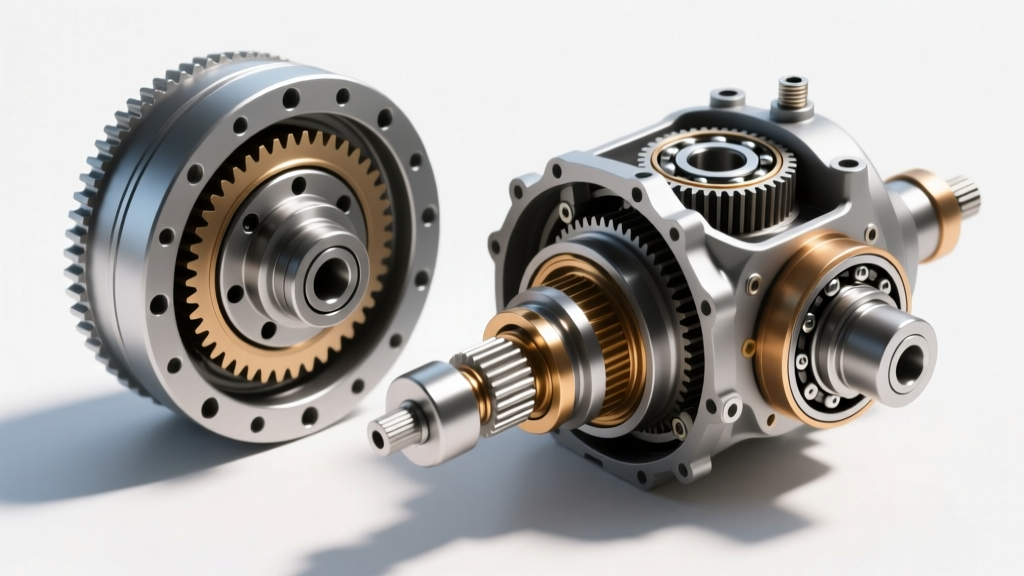
When the differential whines under both acceleration and deceleration, the carrier bearings are usually the culprits. Replacing these requires pulling the entire carrier assembly from the housing. For popular axles like the GM 8.5/8.6-inch 10-bolt, the industry standard is the Timken SET 10 (LM104948 cone and LM104912 cup) bearing kit.
Unlike the pinion bearings, carrier bearings dictate your ring-and-pion backlash and gear contact pattern. The carrier is shimmed on both sides. When replacing carrier bearings, you must meticulously measure the factory shim thicknesses using a micrometer and replicate them exactly. Even a 0.003-inch deviation in carrier shim thickness can push your backlash out of the acceptable 0.006 to 0.010-inch specification, leading to rapid gear wear and catastrophic ring-and-pinion failure.
Tools Required for the Job
- Case Spreaders: Many professionals use a differential case spreader to gently flex the axle housing by a few thousandths of an inch, allowing the carrier to drop out without prying and scoring the machined bearing seats.
- Dial Indicator with Magnetic Base: Mandatory for measuring backlash at the ring gear.
- Bearing Puller Set: A specialized puller is required to remove the carrier bearings without damaging the gear teeth or the carrier casting.
When to DIY vs. When to Visit a Drivetrain Specialist
If you are strictly dealing with an axle shaft seal leak on a solid-axle truck (like a Ford Super Duty or Ram 2500), a competent DIYer with a slide hammer, seal puller, and proper torque wrench can tackle the job over a weekend, saving hundreds in labor. The differential fluid service cost essentially becomes the price of the gear oil and a new seal.
However, if your diagnosis points to pinion bearing preload issues, carrier whine, or a crushed sleeve that has been over-tightened by a previous owner, this is no longer a maintenance task—it is a drivetrain rebuild. Setting gear patterns and bearing preloads requires specialized measuring tools and years of tactile experience. In these cases, paying the premium for a dedicated axle and differential specialist is the only way to ensure your ring and pinion survive the next 100,000 miles.
Ultimately, never ignore the early warning signs of a differential leak or whine. Addressing a $30 seal and cleaning a $5 breather valve today will prevent a $2,500 differential rebuild tomorrow.