The Traction Dilemma: Open vs. Limited Slip Differentials
When modifying a truck, SUV, or performance car for better traction, the differential is the unsung hero of the drivetrain. Whether you are towing heavy loads with a modern 10-speed automatic or pushing high-horsepower limits through a built 6L80 or ZF 8HP transmission, power is useless if it cannot reach the pavement. For enthusiasts and mechanics alike, understanding the mechanical differences between open and limited slip differentials (LSD) is the first step toward achieving top notch differential repair and long-term axle reliability.
In this 2026 buyer’s guide and technical comparison, we will dissect the internal architecture of both differential types, outline exact fluid specifications, and provide the torque specs and pricing data you need to make an informed upgrade or rebuild decision.
Open Differentials: The Baseline of Axle Design
The open differential is the most common axle configuration installed at the factory. Its primary engineering goal is to allow the outer wheel to rotate faster than the inner wheel during a turn, preventing tire scrubbing and drivetrain binding.
Internal Architecture and Failure Points
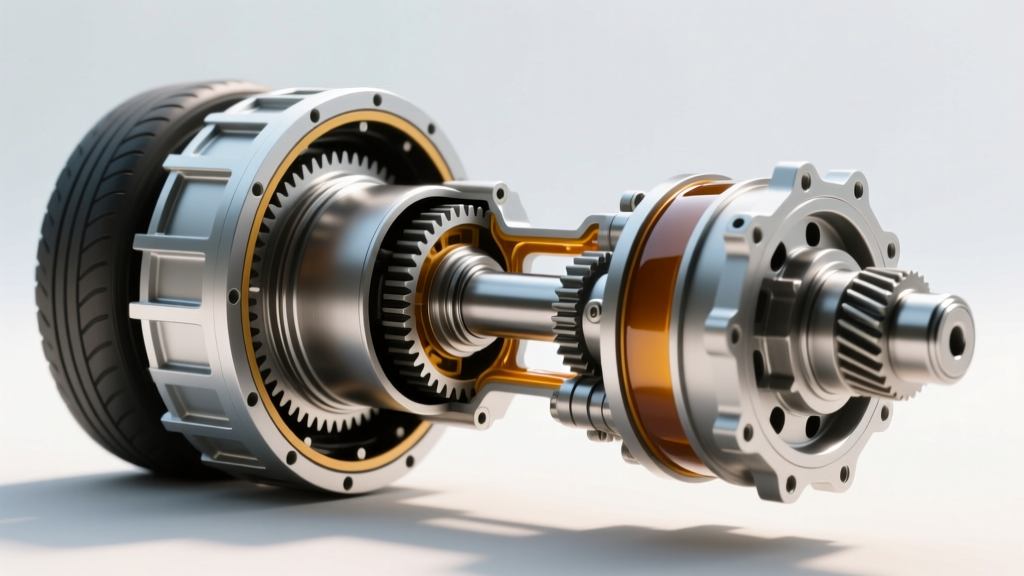
Inside an open carrier, power flows from the ring gear to the carrier case, then through a set of spider gears (pinions) mounted on a cross-pin, which ultimately drive the side gears connected to the axle shafts. While elegant in its simplicity, the open differential has a fatal flaw for high-performance or off-road use: it always routes torque to the wheel with the least resistance.
- Common Failure Mode: Under high torque loads (e.g., aggressive launches or rock crawling), the spider gear cross-pin can sheer, or the spider gears themselves can weld to the side gears due to extreme friction and lack of lubrication.
- Repair Complexity: Open differential rebuilds are generally straightforward. A standard master rebuild kit (carrier bearings, pinion bearings, seals, and crush sleeve) costs between $150 and $220. However, if the cross-pin seizes, the carrier case is often scored and must be replaced entirely.
Limited Slip Differentials (LSD): Engineering Traction
To combat the "one-wheel peel" effect, limited slip differentials introduce internal resistance, forcing both wheels to rotate together until a specific torque threshold is exceeded, allowing for smooth cornering. There are two dominant LSD architectures in the aftermarket and OEM space.
1. Clutch-Pack LSDs (e.g., Eaton Posi, Auburn)
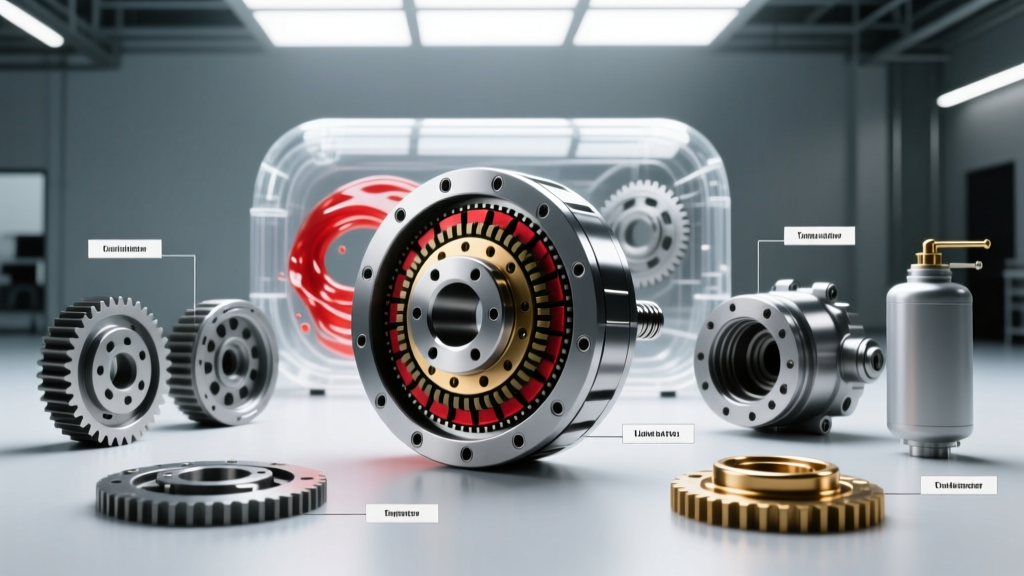
Clutch-type LSDs use a series of alternating friction and steel clutch packs situated behind the side gears. Preload springs or a carbon-fiber cone (in newer Auburn designs) apply pressure to these packs. When one wheel loses traction, the internal thrust forces push the side gears outward, clamping the clutch packs together and transferring torque to the wheel with grip.
Expert Insight: Clutch-pack LSDs are highly effective for drag racing and street performance but require meticulous fluid maintenance. Without the correct friction modifiers, the clutches will chatter violently during low-speed turns, leading to premature glazing and failure.
2. Helical Gear LSDs (e.g., Detroit TrueTrac, Torsen)
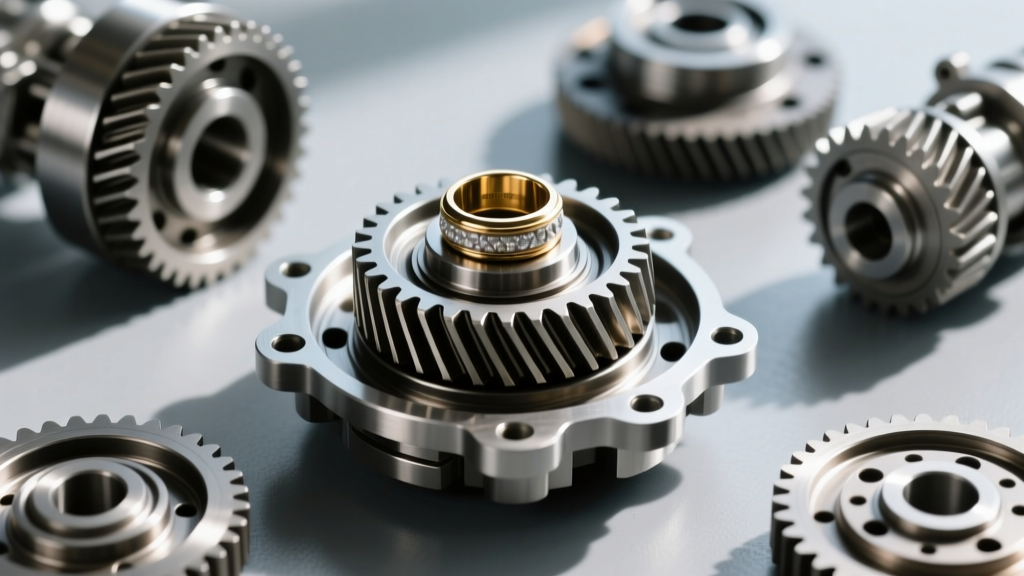
Helical gear differentials rely on the physics of gear binding rather than friction clutches. Under load, the helical-cut pinion gears generate axial thrust against the carrier case, creating enough internal friction to multiply torque to the slipping wheel (typically a 2.5:1 to 4:1 bias ratio). Because they contain no wearable clutch packs, helical LSDs are virtually maintenance-free and are the preferred choice for modern off-road and heavy-duty towing applications.
Comparison Matrix: Maintenance, Costs, and Capabilities
When planning your build, use the following matrix to compare the real-world ownership and repair profiles of each differential type.
| Feature | Open Differential | Clutch-Pack LSD | Helical Gear LSD |
|---|---|---|---|
| Base Unit Cost | $100 - $250 (OEM Replacement) | $350 - $550 | $650 - $900 |
| Gear Oil Requirement | Standard GL-5 (75W-90 / 80W-90) | GL-5 + Friction Modifier | Standard GL-5 (Synthetic Preferred) |
| Rebuild / Service Interval | 150,000+ miles (Fluid only) | 60,000 - 80,000 miles (Clutch replacement) | 150,000+ miles (Fluid only) |
| Max Torque Capacity | Low (Spider gear shear risk) | Medium-High (Depends on spline count) | High (Continuous torque biasing) |
| Machine Shop Requirement | Standard bearing press | Standard bearing press | May require carrier honing for exact fit |
Achieving Top Notch Differential Repair: Fluid and Hardware Specs
Whether you are servicing a Ford 8.8-inch, a GM 8.5-inch 10-bolt, or a Dana 60, executing top notch differential repair goes far beyond draining and filling the housing. It requires adherence to precise torque specifications and chemical compatibilities.
Gear Oil and Friction Modifier Chemistry
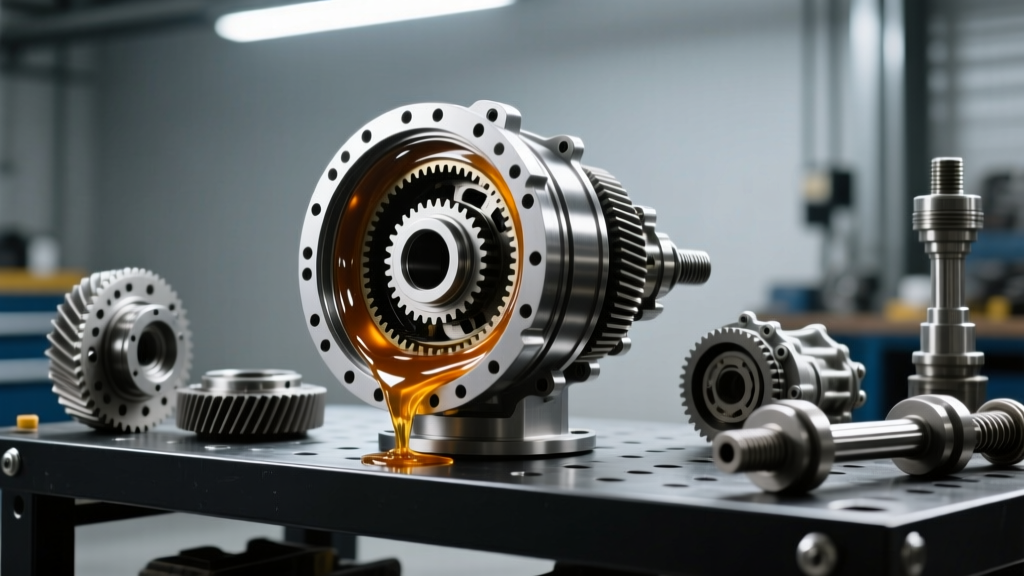
Hypoid ring and pinion gears operate under extreme sliding pressure. You must use an API GL-5 rated gear oil, which contains high levels of sulfur and phosphorus to prevent micro-welding on the gear teeth. According to Valvoline's gear oil engineering specifications, using a GL-4 fluid in a hypoid axle will result in catastrophic gear wear within 5,000 miles.
- Viscosity: 75W-90 Full Synthetic is the 2026 standard for most light-duty trucks and SUVs, offering superior cold-weather flow and high-temperature shear stability compared to conventional 80W-90.
- Friction Modifiers: If you are running a clutch-type LSD, you must add a friction modifier. For GM applications, use ACDelco P/N 10-4017 (or GM 88900338). For Ford applications, Motorcraft XL-3 is required. Add 4 oz, perform a figure-eight test drive, and add 1 oz increments if chatter persists.
Critical Torque Specifications
Improper fastener torque is the leading cause of differential failure post-rebuild. Always reference your specific axle service manual, but adhere to these industry-standard baselines for common 8.5" and 8.8" axles:
- Ring Gear Bolts: 75 - 85 lb-ft. Critical: Clean all threads with brake cleaner, apply Red Loctite 272 (high-strength, permanent), and torque in a crisscross pattern. Never reuse stretched OEM ring gear bolts.
- Carrier Bearing Cap Bolts: 60 - 75 lb-ft. Critical: Carrier caps are line-bored at the factory with the housing. They are not interchangeable. Mark them "Left" and "Right" before removal. Installing them backward or swapped will crush the carrier bearings and destroy the gear pattern.
- Pinion Nut (Crush Sleeve):strong> This is a prevailing torque nut. It often requires 250+ lb-ft to crush the sleeve and achieve the correct pinion bearing preload (measured in inch-pounds of rotational drag, typically 15-25 in-lbs for new bearings).
Buyer’s Guide: Upgrading from Open to LSD
If you are currently running an open differential and experiencing traction loss, upgrading to a helical LSD like the Eaton Detroit TrueTrac is one of the most transformative modifications you can make. Here is a realistic cost breakdown for a professional-grade upgrade in 2026:
Cost Breakdown (GM 8.5" / Ford 8.8" Examples)
- LSD Carrier Unit (e.g., TrueTrac 913A474): $750.00
- Master Rebuild Kit (Timken Bearings, Seals, Crush Sleeve): $180.00
- Ring Gear Bolts (Grade 8) & Loctite 272: $25.00
- 75W-90 Synthetic GL-5 Gear Oil (3 Quarts): $45.00
- Machine Shop Labor (Press bearings, hone carrier if required): $150.00
- Total Parts & Prep Cost: ~$1,150.00
Note: If you are not experienced in setting hypoid gear backlash (target 0.006" - 0.010") and reading drive/coast contact patterns using yellow marking compound, factor in an additional $400 - $600 for a professional driveline shop to perform the final setup and installation.
Final Verdict: Which is Right for Your Build?
Open differentials are perfectly adequate for stock commuter vehicles, highway driving, and light-duty applications where cost and simplicity are paramount. However, the moment you introduce larger tires, forced induction, or off-road trails, the open diff becomes a liability.
For dedicated track cars or drag racers where predictable, equal lockup is required, a clutch-pack LSD or a full spool/locker is the route to take—provided you commit to the strict friction modifier maintenance schedule. For the vast majority of daily-driven trucks, overlanding SUVs, and street-performance builds, the helical gear LSD is the undisputed king. It offers seamless torque biasing, requires no special fluid additives, and dramatically reduces the risk of spider gear explosions, ensuring your drivetrain survives the torque output of modern powertrains.