The Traction Spectrum: Where the LSD Fits
When building a drivetrain for mixed-use performance, enthusiasts and engineers constantly weigh the trade-offs of traction management. While full differential locks (such as the Detroit Locker or ARB Air Locker) provide a mechanical 100% torque bias to both wheels, they introduce severe on-road drivability compromises, including binding during tight turns and abrupt NVH (Noise, Vibration, and Harshness) characteristics. The Limited Slip Differential (LSD) remains the ultimate engineering compromise, offering progressive torque biasing without sacrificing street manners.
However, unlike a spool or a full locking differential, a clutch-type LSD relies on precise friction coefficients to operate. This makes its maintenance—specifically regarding gear oil selection and friction modifiers—far more critical than an open or fully locked axle. As of 2026, with modern synthetic lubricants and advanced carbon-friction materials, maintaining an LSD requires a nuanced understanding of tribology and drivetrain dynamics.
Clutch-Pack vs. Helical: Understanding LSD Operation
Before draining a single drop of gear oil, it is imperative to identify which type of LSD resides in your axle housing. The two dominant architectures operate on fundamentally different mechanical principles.
1. Clutch-Pack LSDs (e.g., Eaton Positraction, Ford Traction-Lok)
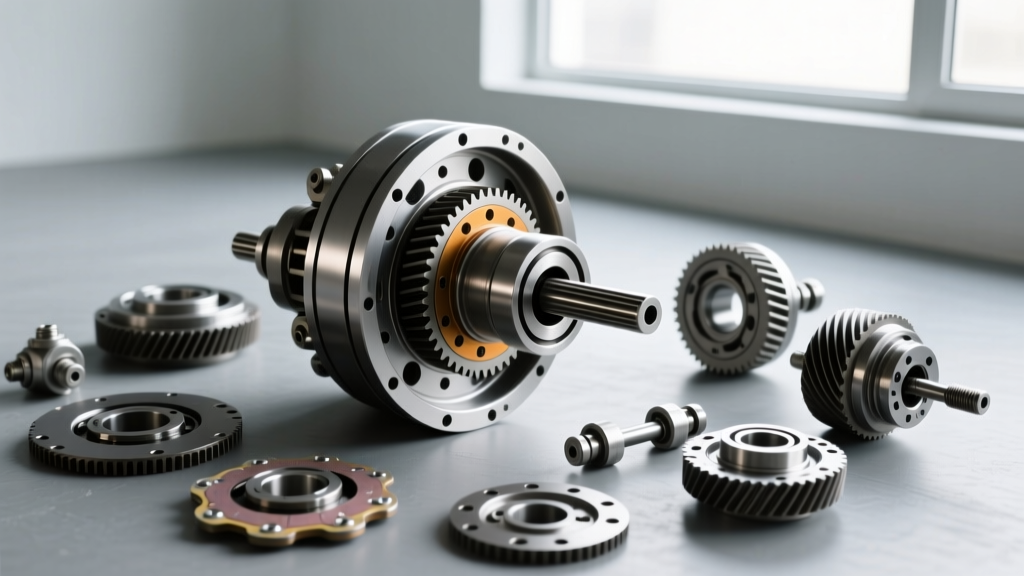
These units utilize a series of alternating steel reaction plates and friction-lined clutch discs. An S-shaped or coil preload spring pack forces the side gears outward, clamping the clutch packs against the differential case. When one wheel loses traction and begins to spin, the internal torque thrust overcomes the spring preload, locking the clutch packs together and transferring torque to the wheel with grip.
2. Helical Gear LSDs (e.g., Eaton Truetrac, Torsen T-1/T-2)
Helical units use planetary gear sets with angled teeth. Under torque load, the helical gears push outward against the differential case, generating friction through gear separation forces rather than traditional clutch packs. Note: Helical LSDs do not require friction modifiers and operate perfectly on standard GL-5 gear oil.
Comparing Traction Devices: Lockers vs. LSDs
To contextualize maintenance requirements, review how clutch-pack LSDs compare to full differential locks and open carriers.
| Characteristic | Full Differential Locks | Clutch-Pack LSD | Helical Gear LSD |
|---|---|---|---|
| Torque Bias Ratio (TBR) | Infinite (100% Lock) | 2.5:1 to 4.5:1 | 2.5:1 to 3.5:1 |
| Friction Modifier Required? | No | Yes (Critical) | No |
| Maintenance Interval | Standard (30k-50k miles) | Aggressive (15k-30k miles) | Standard (30k-50k miles) |
| Wear Components | Dog teeth, springs | Friction discs, preload springs | Gear thrust washers |
| On-Road Drivability | Poor (Binding/Clicking) | Excellent | Excellent |
The Chemistry of Chatter: Fluid and Friction Modifiers
The most common failure in clutch-pack LSD maintenance is 'chatter'—a violent shuddering sensation during low-speed, tight-radius turns. This occurs due to the stick-slip phenomenon. When the friction coefficient of the gear oil is too high, the clutch packs bind and release rapidly instead of slipping smoothly.
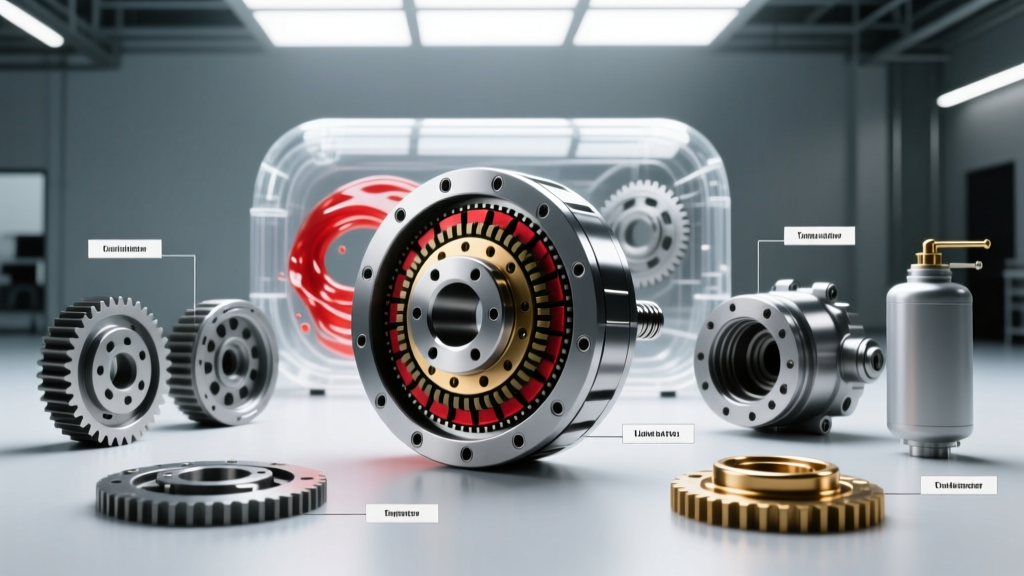
To combat this, a limited slip friction modifier must be added. These modifiers consist of long-chain polar molecules (often derived from fatty acids or synthetic esters) that bond to the porous surface of the paper or carbon friction discs, creating a microscopic boundary layer that ensures a smooth, progressive slip.
OEM Friction Modifier Part Numbers
- Ford / Motorcraft: XL-3 (Part # C6OZ-19B546-A) - Typically requires 4 oz per axle.
- GM / ACDelco: EOS / Limited Slip Additive (Part # 10-4016) - Typically requires 2-4 oz.
- Chrysler / Mopar: MS-8985 Friction Modifier.
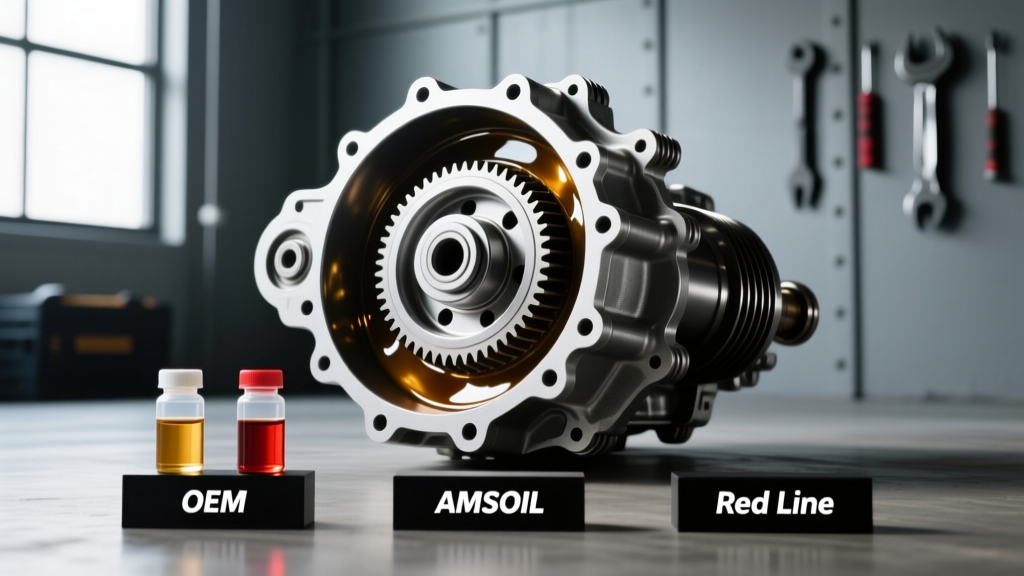
Pro-Tip for 2026: Many premium synthetic gear oils now come pre-blended with friction modifiers. For example, Red Line 75W90NS (NS stands for Non-Slip) or Motul Gear 300 LSD contain the exact chemical boundary agents required for clutch-type differentials, eliminating the need for separate additive bottles and preventing accidental over-treatment, which can cause excessive slip and premature clutch glazing.
Step-by-Step LSD Service and Torque Specifications
Servicing an LSD requires meticulous cleanliness. Metallic debris from normal ring and pinion wear can embed itself into the porous friction material of the clutch discs, accelerating wear and altering the friction coefficient.
1. Drain and Inspection
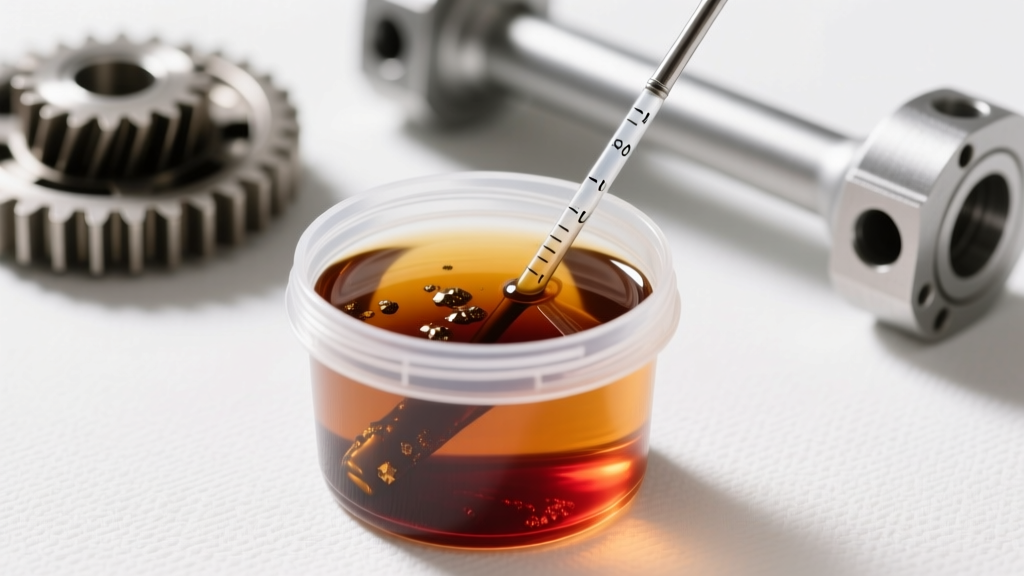
Remove the differential cover (or drain plug). Inspect the fluid. A dark, opaque fluid with a fine metallic paste is normal for a break-in or high-mileage LSD. However, if you find distinct metallic flakes or shattered pieces of the S-spring, the differential requires a complete teardown and clutch pack replacement.
2. Cleaning the Assembly
Spray the carrier, ring gear, and clutch pack housing with non-chlorinated brake cleaner. Do not use wire brushes on the clutch packs. Allow the housing to dry completely before resealing.
3. Ring Gear and Carrier Torque Specs
If you are performing a gear swap or replacing the LSD carrier, adhering to exact torque specifications is non-negotiable. Always use red or blue Loctite on ring gear bolts to prevent backing out under high torque loads. Below are baseline specifications (always verify with the specific Ring & Pinion Torque Specifications Database for your exact year and model):
- Ford 8.8-inch (7/16-20 Bolts): 70 - 85 lb-ft
- GM 8.5-inch 10-Bolt (3/8-24 Bolts): 65 lb-ft
- Dana 44 (7/16-20 Bolts): 60 - 70 lb-ft
- Toyota 8-inch (11mm Bolts): 56 - 64 lb-ft
4. Fluid Fill and Additive Protocol
Fill the axle with the specified GL-5 75W-90 synthetic gear oil until it reaches the bottom of the fill hole. If using standard gear oil without pre-mixed modifiers, add the OEM friction modifier before topping off the final fluid level to ensure proper mixing.
Diagnosing LSD Wear and Rebuild Economics
Clutch packs do not last forever. Over time, the friction material wears down, reducing the static torque capacity of the LSD. You can diagnose wear using the Figure-8 Test: drive the vehicle in a tight figure-8 pattern in a wet or snowy parking lot. If the inside wheel spins freely and the vehicle acts like an open differential, the clutch packs are glazed or the preload springs have fatigued.
Repair Cost Breakdown (2026 Estimates)
- DIY Fluid & Modifier Service: $40 - $80 (Includes 3 quarts of synthetic GL-5 and modifier).
- Professional Shop Fluid Service: $150 - $250 (Labor + fluid + RTV/Gasket).
- Aftermarket Carbon-Fiber Clutch Pack Kit: $120 - $250 (Part numbers like Eaton 19588-010 or Strange Engineering kits). Carbon fiber offers superior heat resistance and longevity over traditional paper-based clutches.
- Full LSD Rebuild (Parts + Shop Labor): $450 - $800 (Requires specialized side-shim pressing tools and dial indicators to maintain proper gear backlash and carrier preload).
Final Thoughts on Drivetrain Longevity
While full differential locks dominate in dedicated off-road and drag racing applications, the clutch-type LSD remains the backbone of performance street and track vehicles. By understanding the precise chemical needs of the friction materials and adhering to strict torque and service intervals, you can extract hundreds of thousands of miles of predictable, progressive traction from your axle. For deeper architectural insights into traction biasing, consult the Eaton Traction and Differential Catalog to match your specific torque curve to the correct preload spring configuration.