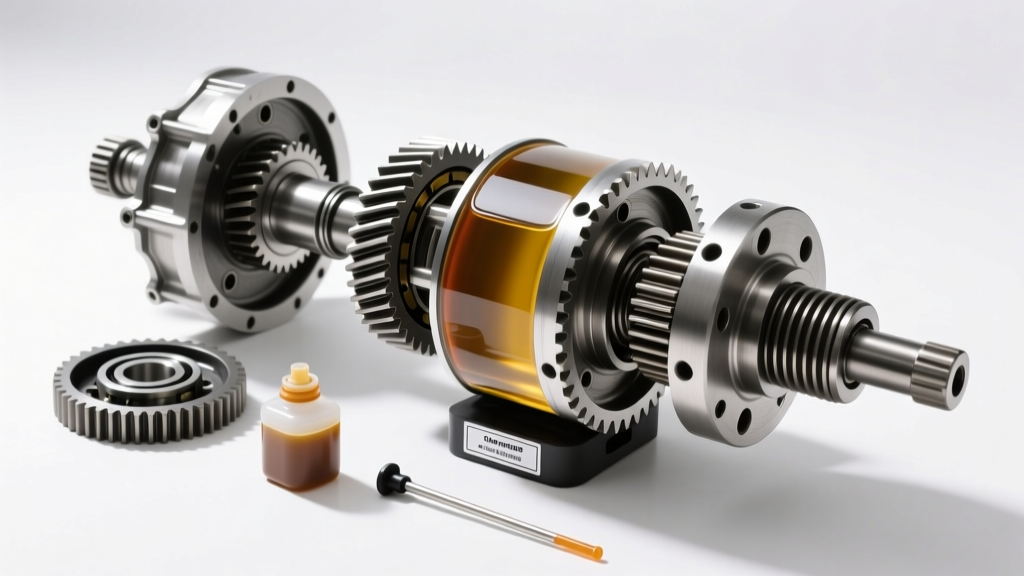
When a puddle of pungent gear oil appears on your driveway, diagnosing a rear differential axle seal leak is only the first step. For automotive technicians and DIY enthusiasts in 2026, the critical second step is identifying whether the leaking housing contains an open differential or a limited slip differential (LSD). While both configurations share basic axle shaft and bearing architectures, their internal mechanics, thermal profiles, and fluid requirements differ vastly. These differences directly influence why the seal failed, the extent of potential internal contamination, and the exact parts required for a lasting repair.
This comprehensive comparison and buyer's guide breaks down the mechanical realities of open versus limited slip differententials, specifically through the lens of axle seal reliability, fluid degradation, and precision repair protocols.
The Mechanical Divide: Open vs. Limited Slip Differentials
An open differential is the baseline configuration for most light-duty trucks and SUVs (such as the Ford F-150 XL or Chevrolet Silverado WT). It utilizes a simple spider gear set to allow the left and right axle shafts to rotate at different speeds during cornering. Because there are no internal friction elements, open differentials run relatively cool and generate minimal internal metallic debris under normal operating conditions.
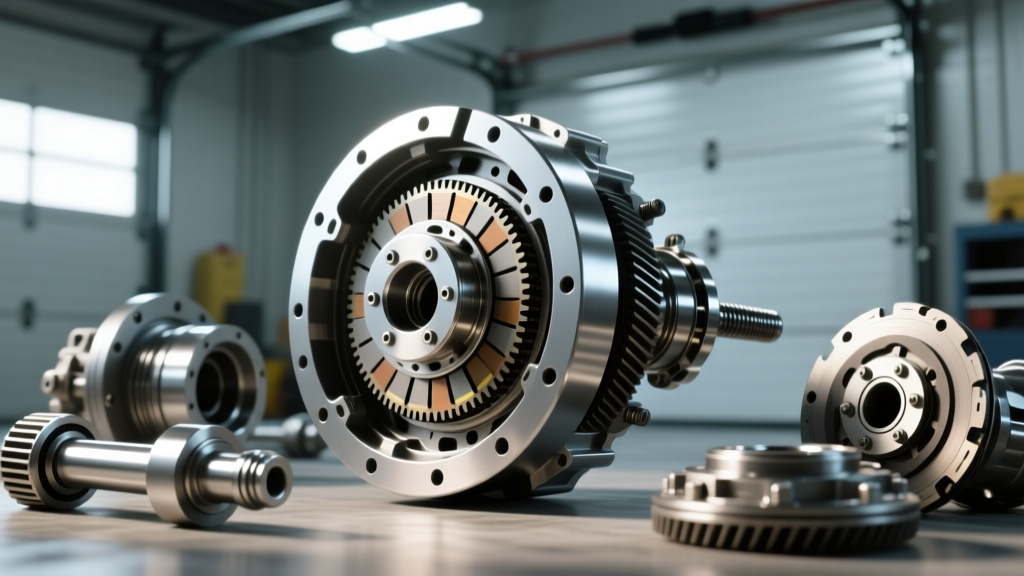
Conversely, a limited slip differential (like the Ford 8.8-inch Traction-Lok or the Dana 44 Spicer Trac-Lok) employs internal clutch packs, cone clutches, or helical gear sets to bias torque to the wheel with the most traction. When the LSD engages, the internal friction materials slip and grab to transfer power. This mechanical action inherently generates localized heat spikes and microscopic wear particulates that an open differential simply does not produce.
Why Limited Slip Differentials Accelerate Seal Failure
It is a common misconception that the physical seal itself is different between an open and an LSD housing. In most semi-floating axle applications, the outer axle seal (such as the ubiquitous Timken 8660S) is identical regardless of the internal carrier. However, the environment in which the seal operates changes drastically.
Thermal Cycling and Nitrile Hardening
Clutch-based LSDs generate significant friction heat during low-speed, high-torque maneuvers (like towing out of mud or launching a boat). This heat transfers to the gear oil and outward to the axle tubes. Over time, this aggressive thermal cycling bakes the nitrile rubber sealing lip, causing it to harden, lose its elasticity, and eventually crack. Once the lip loses its tension against the spinning axle shaft, a rear differential axle seal leak is inevitable.
Particulate Scoring and Fluid Shear
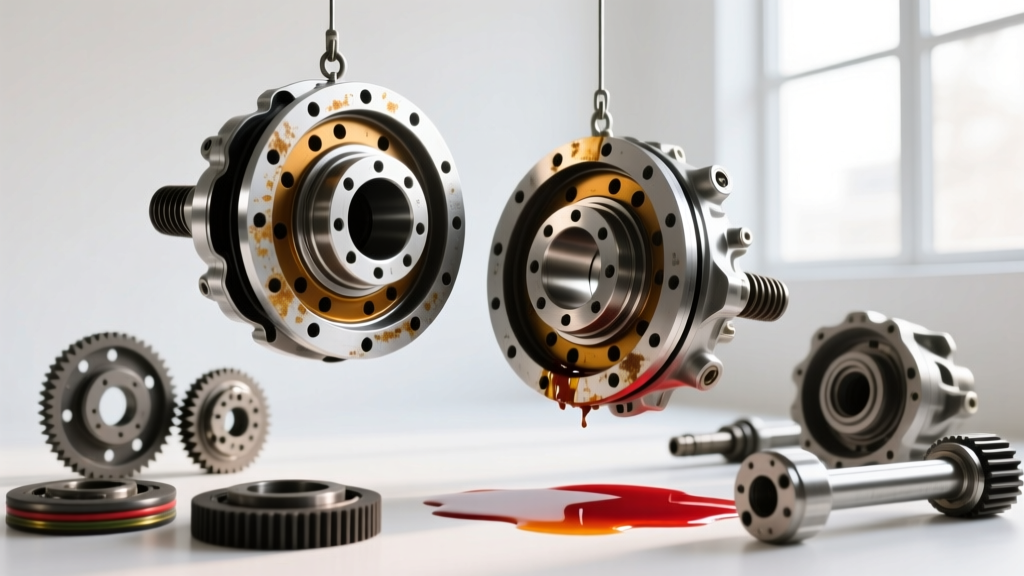
As LSD clutch packs wear, they shed microscopic friction material and metal shavings into the gear oil. While the differential's magnetic fill plug captures larger ferrous metals, non-magnetic clutch material and fine steel particulates circulate through the fluid. This contaminated fluid acts like lapping compound, scoring the bearing riding surface of the axle shaft and physically wearing away the seal lip from the inside out.
Diagnostic Matrix: Open vs. LSD Seal Failure Symptoms
Before tearing down the axle, use this diagnostic matrix to determine the likely root cause of your rear differential axle seal leak based on your differential type.
| Diagnostic Factor | Open Differential | Limited Slip Differential (Clutch-Type) |
|---|---|---|
| Primary Leak Cause | Axle shaft pitting, worn wheel bearing, age/hardening | Thermal degradation, particulate scoring, fluid shear |
| Fluid Appearance | Clean, dark amber (if maintained) | Opaque, greyish tint, smells burnt |
| Contamination Risk | Low (water ingress only) | High (clutch material destroys internal bearings) |
| Accompanying Symptoms | Humming bearing noise at highway speeds | Low-speed cornering chatter or binding |
| Required Fluid Additive | None (Standard GL-5) | Friction Modifier (e.g., 4 oz XL-3) |
2026 Buyer's Guide: Selecting the Right Seals and Shafts
When repairing a rear differential axle seal leak, the buyer's market is flooded with cheap, overseas-manufactured seals that fail within 5,000 miles. As a best practice, always source OEM-equivalent or premium aftermarket seals.
- Timken / National (Part #8660S): The gold standard for Ford 8.8-inch and Dana 44 semi-floating axles. Features a premium nitrile compound and a dust lip to keep brake dust out of the seal interface. Retail: $12 - $18.
- SKF (Part #17955): The premier choice for GM 8.6-inch (10-bolt) and 9.5-inch (14-bolt semi-float) axles. SKF's rubber-to-metal bonding prevents the seal from spinning in the axle tube bore. Retail: $14 - $22.
Pro-Tip: Never replace an axle seal without inspecting the axle shaft's bearing and seal riding surfaces. If you can catch your fingernail on a groove worn into the shaft by the old seal or bearing, the new seal will leak immediately. In 2026, expect to pay $150 to $350 for a bare replacement axle shaft if the surface is compromised.
Fluid Selection: Viscosity, GL Ratings, and Modifiers
The fluid you choose post-repair dictates the lifespan of both your new seal and your internal carrier. According to the AMSOIL Lube Guide, modern differentials operate under extreme pressure, necessitating high-quality synthetic GL-5 gear oils.
Open Differential Fluid Specs
For open differentials, a standard 75W-90 or 75W-85 Synthetic GL-5 gear oil is ideal. These fluids provide excellent shear stability and protect the hypoid ring and pinion gears without the need for friction modifiers. Capacities typically range from 2.1 pints (GM 8.6) to 2.5 pints (Ford 8.8).
Limited Slip Fluid Specs
LSDs require the same 75W-90 GL-5 base oil, but must include a Friction Modifier (FM). Without FM, the clutch packs will grab abruptly, causing severe driveline chatter, which translates into harmonic vibrations that can actually shake the axle seals out of their bores. Always use the manufacturer-specific modifier, such as Motorcraft XL-3 or ACDelco 10-4016. Add the 4 oz modifier before filling the housing with gear oil to ensure proper mixing.
Precision Repair: Torque Specs and Clearances
A rear differential axle seal leak repair is only as reliable as the fastener torque applied during reassembly. Over-torquing axle retainer plates can warp the backing plate and bind the seal, while under-torquing cover bolts leads to housing leaks that mimic axle seal failures.
Ford 8.8-Inch Axle Specifications
- Differential Cover Bolts (10mm): 25 lb-ft. Use a crisscross pattern and apply RTV silicone (not a gasket) to the mating surface.
- Axle Shaft Retainer Plate Nuts: 40 lb-ft. Ensure the seal driver tool seats the new Timken 8660S perfectly flush with the axle tube end.
- Fill Plug: 15 lb-ft. Fill until fluid is level with the bottom of the fill hole threads.
GM 8.6-Inch (10-Bolt) Axle Specifications
- Differential Cover Bolts (8mm): 22 lb-ft. GM 10-bolts often use a reusable rubber-coated steel gasket; inspect it for tears before reusing.
- Axle Retainer Bolts: 45 lb-ft. The SKF 17955 seal requires a dedicated step-plate driver to avoid crushing the inner tension spring during installation.
Upgrading Your Differential: Is an LSD Swap Worth It?
If you are already deep into a rear differential axle seal leak repair and find that your open differential's internal spider gears are worn, or you simply want more traction, 2026 is an excellent time to consider an upgrade. According to Spicer Drivetrain, swapping to a helical limited slip like the Eaton Detroit Truetrac (approx. $650) eliminates the need for friction modifiers entirely. Because helical LSDs use gear tension rather than clutch packs, they run significantly cooler, drastically reducing the thermal stress on your axle seals and extending the interval between fluid services.
Alternatively, if you want to retain your factory clutch-type LSD but improve its durability, upgrade the internal clutch pack using a heavy-duty rebuild kit (such as the Spicer 706028X Carbon Clutch Kit). Carbon-friction clutches shed heat faster and produce less abrasive wear particulate, protecting your newly installed axle seals from premature scoring.
Final Thoughts on Drivetrain Maintenance
Whether you are wrenching on a daily-driven commuter truck or a dedicated off-road rig, understanding the relationship between your differential type and your axle seals is paramount. An open differential offers simplicity and longevity, while a limited slip differential demands rigorous fluid maintenance and thermal awareness. By selecting premium seals, adhering strictly to torque specifications, and utilizing the correct synthetic fluids and modifiers, you can permanently resolve your rear differential axle seal leak and keep your drivetrain operating flawlessly for the next 100,000 miles.