The MT-82 Clutch Pedal Vibration Misdiagnosis
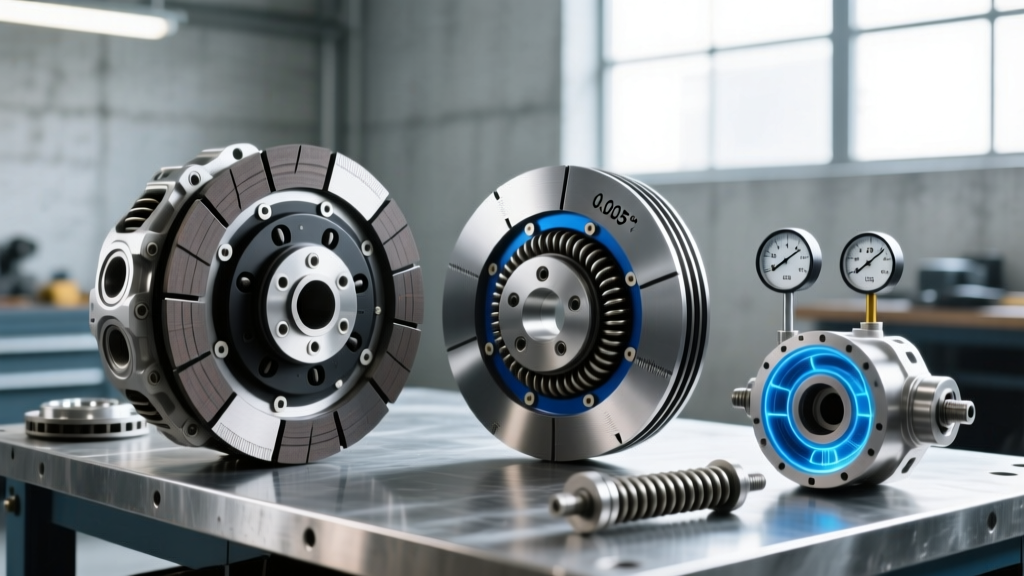
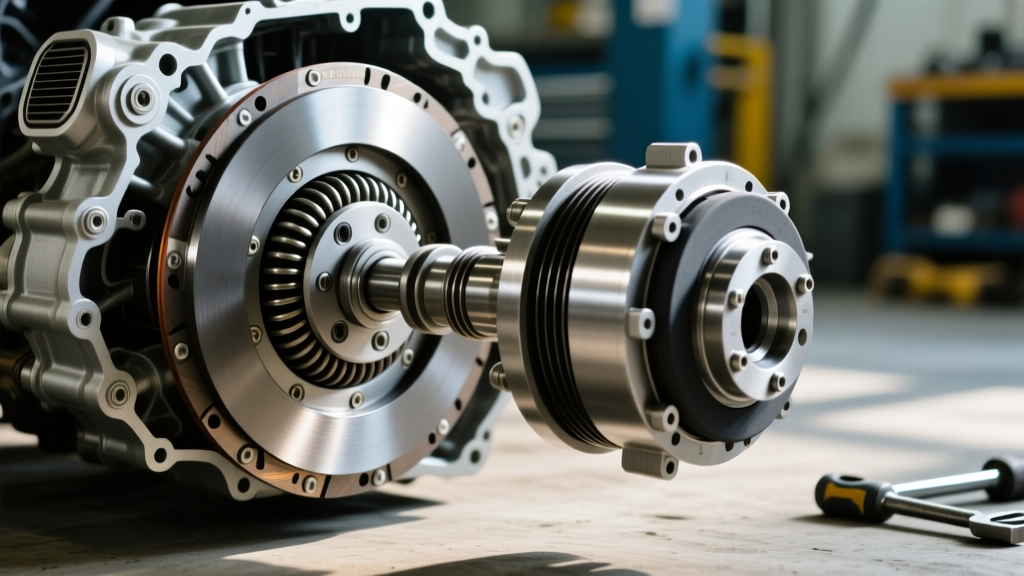
For owners of the 2011–2023 Ford Mustang GT equipped with the Getrag MT-82 manual transmission, clutch pedal feedback is a constant source of diagnostic debate. As of 2026, the aftermarket and OEM support for the MT-82 platform is vast, yet a pervasive misdiagnosis continues to plague independent shops and DIY mechanics alike: attributing a vibrating clutch pedal to internal transmission or flywheel failures when the true culprit is located at the front of the engine. Specifically, a failing air conditioning compressor clutch can generate harmonic resonance that mimics a failing dual-mass flywheel (DMF) or throw-out bearing (TOB).
Understanding the difference between genuine clutch pedal problems (soft, hard, spongy) and harmonic vibration transfer is critical. Replacing an MT-82 clutch assembly requires dropping the transmission, a 6-to-8-hour job costing upwards of $1,200 in labor alone. In contrast, diagnosing and replacing an A/C compressor clutch assembly takes roughly 1.5 hours and a fraction of the cost. This model-specific repair guide will walk you through isolating clutch pedal symptoms on the 5.0L Coyote V8 platform.
Categorizing Clutch Pedal Problems: Hydraulic vs. Mechanical
Before investigating harmonic vibrations from engine accessories, we must rule out primary hydraulic and mechanical faults within the clutch system itself. The MT-82 utilizes a hydraulic concentric slave cylinder (CSC) setup, which is highly sensitive to fluid degradation and air intrusion.
1. Soft or Spongy Pedal
A spongy clutch pedal that sinks to the floor or fails to disengage the clutch fully is almost always a hydraulic issue. The MT-82's internal CSC is prone to seal degradation, especially if the factory DOT 4 LV fluid is not flushed every 30,000 miles. Air in the hydraulic line compresses under pressure, resulting in a soft feel.
- Primary Suspects: Failing CSC internal seals, leaking quick-connect fitting at the bellhousing, or air trapped in the master cylinder.
- OEM Part Numbers: Motorcraft CM-6040 (Master Cylinder), Ford DM5Z-7A548-A (Slave Cylinder/Line Assembly).
- Fluid Spec: Motorcraft DOT 4 LV High Performance (PM-20). Do not use standard DOT 3, as the lower viscosity is required for the MT-82's narrow hydraulic orifices.
2. Hard or Binding Pedal
If the pedal requires excessive force to depress, the issue is mechanical. On the Mustang platform, many owners install aftermarket firewall clutch pedal adjusters to eliminate the factory over-center spring delay. If these adjusters are improperly indexed or lack lubrication, they create severe binding. If the firewall adjuster is ruled out, a hard pedal indicates warped pressure plate diaphragm fingers or a seized input shaft pilot bearing.
When the Air Conditioning Compressor Clutch is the Culprit
If your clutch pedal vibrates aggressively against your foot at idle, but the vibration only occurs when the cabin climate control is active, you are not dealing with a transmission fault. You are dealing with the air conditioning compressor clutch.
The Physics of Harmonic Transfer
The A/C compressor on the 5.0L Coyote engine is driven by the front-end accessory drive (FEAD) belt. When the electromagnetic clutch coil engages, it pulls the clutch friction plate against the spinning pulley. If the air gap between the pulley and the friction plate is out of specification (too wide), or if the clutch coil is failing and drawing erratic current, the clutch will 'slip and grab' at a high frequency.
This rapid slipping creates a 120Hz harmonic vibration. Because the engine mounts (especially the aging hydraulic motor mounts on the S197 and S550 chassis) lose their dampening properties over time, this vibration travels through the engine block, into the MT-82 bellhousing, and resonates directly through the hydraulic fluid in the clutch line. The hydraulic fluid acts as an amplifier, transmitting the vibration straight to the clutch pedal assembly.
Model-Specific Diagnostic Protocol
Follow this exact sequence to isolate the vibration and confirm whether the air conditioning compressor clutch is at fault.
Step 1: The A/C Toggle Isolation Test
Start the Mustang and let it idle in neutral. Depress the clutch pedal halfway (the engagement zone). Turn the cabin A/C to maximum cold and the blower to high. Listen for the compressor engagement click. If the pedal immediately begins to buzz or vibrate, and the vibration ceases the moment the A/C compressor cycles off, the transmission internals are likely fine. The fault lies at the front of the engine.
Step 2: Measuring the Air Gap
The most common cause of A/C clutch harmonic vibration is an excessive air gap due to wear on the friction surfaces or a weakening electromagnetic coil. According to the Haynes Ford Mustang Repair Manual, the air gap must be meticulously measured.
- Remove the front splash shield to access the A/C compressor.
- Use a feeler gauge to measure the gap between the clutch pulley and the friction plate at three equidistant points.
- Specification: The gap must be between 0.020' and 0.030' (0.5mm - 0.75mm).
- If the gap exceeds 0.040', the clutch will slip and grab, causing the harmonic pedal vibration.
Step 3: Electrical Load Testing
Using a multimeter, check the voltage at the A/C clutch pigtail while the system is engaged. A voltage drop below 11.5V at the coil indicates a wiring harness issue or a failing relay, which will cause the clutch to chatter. Consult Motorcraft technical service bulletins for known grounding issues in the S550 chassis engine harness.
Repair Data & Torque Specifications
If the air gap is out of spec, you can either shim the clutch (if it is a serviceable coil/pulley design) or replace the entire clutch assembly. Below is the critical repair data for the 5.0L Coyote A/C system and MT-82 hydraulic benchmarks.
| Component | OEM / Aftermarket Part # | Torque Specification | Est. Cost (2026) |
|---|---|---|---|
| A/C Clutch Assembly | Motorcraft YC-1855 / Four Seasons 47123 | Center Nut: 11 lb-ft (15 Nm) | $95 - $145 |
| A/C Compressor Mounting | N/A (Reuse OEM Bolts) | 18 lb-ft (25 Nm) | N/A |
| MT-82 Master Cylinder | Motorcraft CM-6040 | Firewall Nuts: 8 lb-ft | $85 - $110 |
| MT-82 Flywheel (OEM DMF) | Ford Performance M-7550-MGTB | 59 lb-ft + 90 degrees | $450 - $600 |
| MT-82 Bellhousing to Block | N/A | 37 lb-ft (50 Nm) | N/A |
Bleeding the MT-82 Hydraulic Clutch System
If your diagnosis revealed that the vibration was accompanied by a spongy pedal, or if you had to replace the master cylinder during your troubleshooting, the MT-82 hydraulic system must be bled using the reverse-pressure method. The factory bleed screw on the MT-82 CSC is notoriously difficult to access and often snaps due to heat cycling.
Pro-Tip for 2026: Use a motive pressure bleeder filled with fresh DOT 4 LV fluid. Push fluid from the slave cylinder bleed valve up to the master cylinder reservoir. This forces air bubbles upward, against their natural tendency to rise, ensuring zero air pockets remain in the CSC. Never pump the pedal manually to bleed an MT-82; the rapid fluid movement aerates the fluid and creates micro-bubbles that result in a permanently spongy pedal feel.
Summary: Don't Drop the Transmission Prematurely
Clutch pedal problems on the Mustang MT-82 require a methodical, systems-level approach. While soft and spongy pedals point directly to hydraulic fluid and seals, and hard pedals point to mechanical binding, a vibrating pedal is a masterclass in automotive NVH (Noise, Vibration, and Harshness). By isolating the air conditioning compressor clutch and verifying the electromagnetic air gap, you can save yourself thousands of dollars in unnecessary transmission removal and clutch replacement costs. Always verify accessory drive harmonics before condemning the dual-mass flywheel.