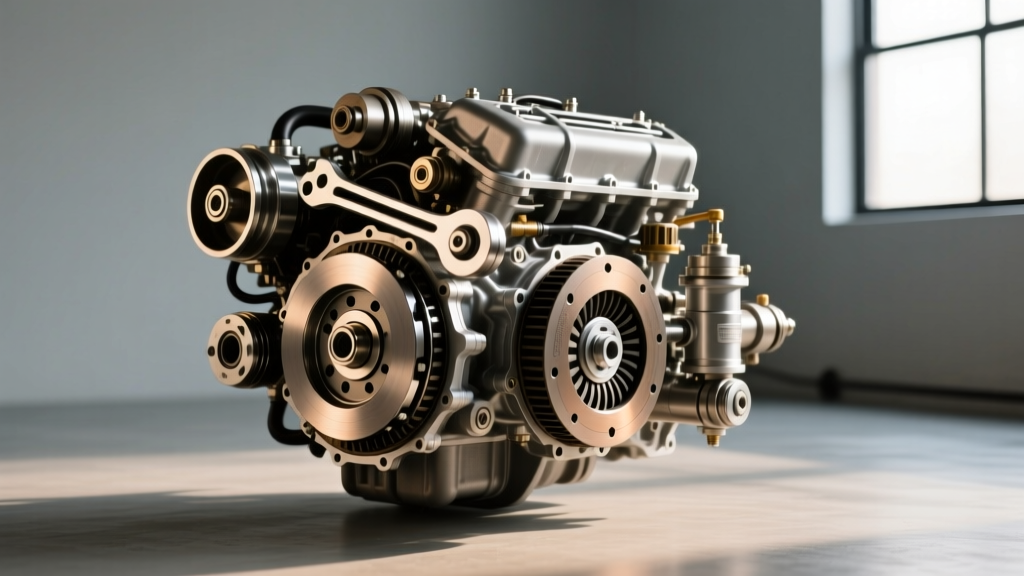
As we navigate the 2026 automotive landscape, the Volkswagen Group MQB platform (encompassing the Golf, GTI, Audi A3, and Skoda Octavia) remains a cornerstone of enthusiast driving. However, as these vehicles age, owners are increasingly plagued by clutch pedal problems. Whether you are diagnosing a soft, spongy, or vibrating pedal in a 6-speed manual, or you are cross-shopping and wondering how does a dual clutch automatic transmission work to avoid these hydraulic headaches, understanding the mechanical and hydraulic realities of both systems is critical.
This model-specific repair guide dives deep into the MQB manual clutch hydraulic system, contrasts it with the DSG mechatronic unit, and provides exact part numbers, torque specifications, and diagnostic frameworks to get your drivetrain back to factory precision.
Diagnosing Manual MQB Clutch Pedal Problems
The MQB platform utilizes a hydraulic clutch actuation system shared with the brake master cylinder reservoir. While efficient, the use of specific materials has led to predictable failure modes by the time these vehicles hit the 80,000-mile mark.
1. Soft or Spongy Pedal Feel
A soft or spongy clutch pedal in an MQB manual is almost never caused by the clutch slave cylinder (CSC) leaking externally. Instead, the culprit is typically the Clutch Master Cylinder (CMC) internal seals or the plastic quick-connect fitting. The factory hard line uses a plastic collar that degrades under engine bay heat cycles, allowing microscopic air ingress without visible fluid loss.
- OEM CMC Part Number: 5Q0-721-401-F (Approx. $85 - $120)
- Fluid Spec: DOT 4 Low Viscosity (VW G 004 000 M2)
- Diagnostic Tip: If the pedal slowly sinks to the floor while holding it down in gear, the CMC internal bypass valve has failed.
2. Hard or Notchy Pedal Engagement
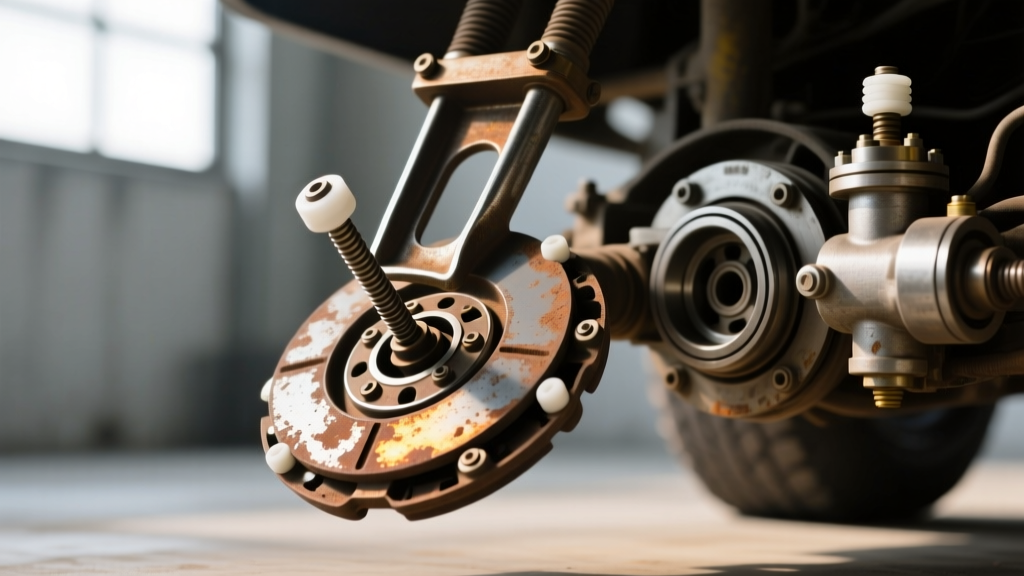
If the pedal feels unusually stiff or engagement is abrupt, the factory Clutch Delay Valve (CDV) is often the primary suspect. Located inside the hard line near the transmission bell housing, the CDV restricts fluid flow to prevent drivetrain shock during aggressive shifts. Over time, debris from the degrading CMC rubber seals clogs the CDV orifice.
- Fix: Remove the CDV and install a CDV-delete adapter (e.g., ECS Tuning or 034Motorsport, approx. $35).
- Secondary Cause: A worn pressure plate diaphragm spring. If the clutch fork pivot ball stud is worn, it alters the geometry, requiring excessive hydraulic pressure to disengage.
3. Vibrating Pedal at Idle or Engagement
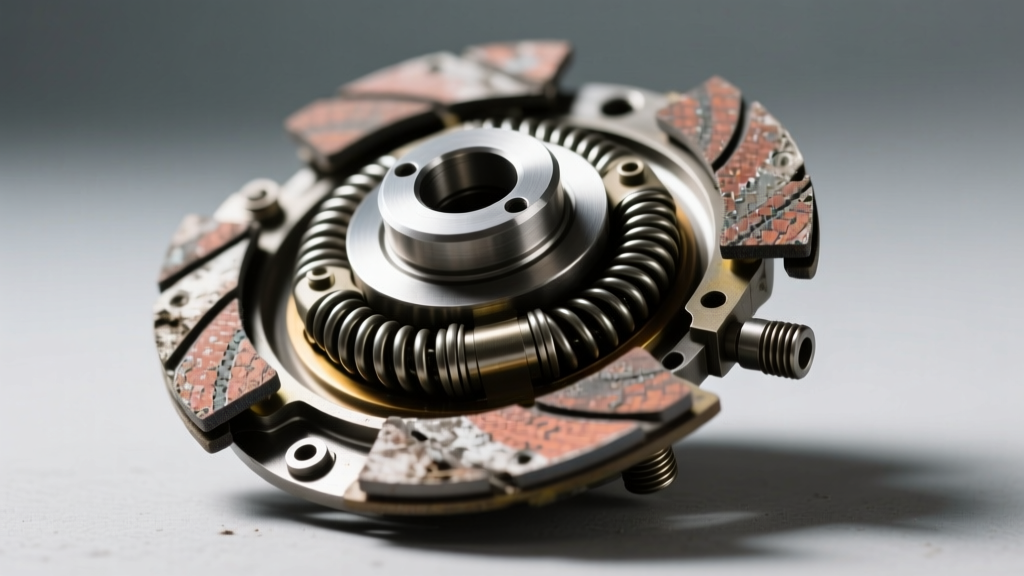
Pedal vibration is a mechanical symptom, not a hydraulic one. In the MQB platform, this points directly to Dual-Mass Flywheel (DMF) internal spring collapse or uneven friction material wear on the clutch disc.
- OEM DMF Part Number: LuK 415-0225-09 (Approx. $650 - $800)
- Torque Spec: DMF to crankshaft bolts must be replaced and torqued to 60 Nm + 90 degrees in a star pattern.
The Automated Alternative: How Does a Dual Clutch Automatic Transmission Work?
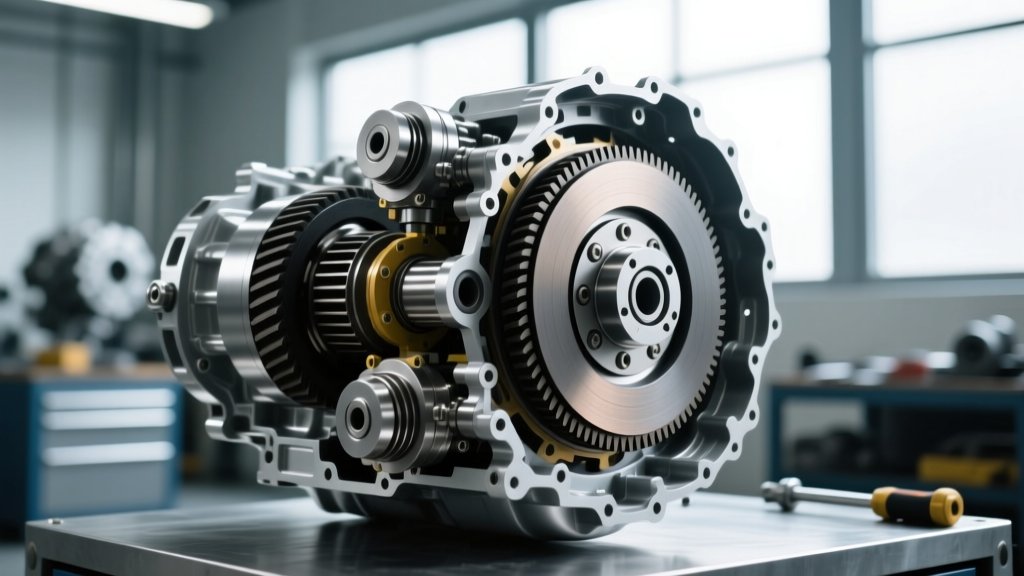
When enthusiasts ask the question, 'how does a dual clutch automatic transmission work?', the answer lies in the elimination of the driver-operated hydraulic pedal entirely. In the MQB ecosystem, the DSG (Direktschaltgetriebe) transmission—specifically the 7-speed wet DQ381—replaces the manual's single clutch and flywheel with a mechatronic actuator system.
Instead of a foot-operated master cylinder, the DSG uses an electro-hydraulic mechatronic unit bolted directly to the transmission case. This unit pressurizes Pentosin-based DSG fluid (G 055 529 A2) up to 70 bar (1,015 psi). It utilizes two distinct wet clutch packs: K1 (controlling odd gears 1, 3, 5, 7) and K2 (controlling even gears 2, 4, 6, R). Solenoid valves modulate this extreme pressure to engage the clutch packs in milliseconds, pre-selecting the next gear to eliminate shift interrupt.
DCT 'Sponginess': Accumulator Pressure Loss
While a DCT lacks a physical pedal, it can exhibit the automated equivalent of a 'spongy' pedal: delayed, sluggish engagement from Park to Drive, or hesitation during low-speed crawling. In the DQ381, this is caused by a failing mechatronic accumulator or worn internal solenoid seals. When the system cannot hold peak hydraulic pressure, the TCU (Transmission Control Unit) commands extended clutch slip to prevent stalling, resulting in a shuddering, delayed sensation that mimics a slipping manual clutch.
Manual Hydraulics vs. DCT Mechatronics: Diagnostic Comparison
| Symptom | Manual MQB (02Q / MQ350) | DSG DCT (DQ250 / DQ381) | Estimated 2026 Repair Cost |
|---|---|---|---|
| Soft / Spongy Feel | CMC internal bypass failure or plastic quick-connect air ingress. | Mechatronic accumulator pressure drop; TCU adaptation limits exceeded. | Manual: $150 | DCT: $1,200+ |
| Harsh Engagement | CDV restriction or worn clutch fork pivot ball. | Clutch pack friction material degradation; requires VCDS adaptation reset. | Manual: $120 | DCT: $2,500+ |
| Vibration / Shudder | Dual-Mass Flywheel (DMF) internal spring collapse. | Dual-mass flywheel failure or uneven wet clutch pack wear. | Manual: $900 | DCT: $3,500+ |
Step-by-Step MQB Manual Clutch Master Cylinder Replacement
If your diagnostic points to a failing CMC, follow this precise procedure. According to community data aggregated by VWVortex and parts specialists at FCPEuro, upgrading to an aftermarket braided steel line during this service is highly recommended to prevent future plastic collar failures.
- Preparation: Disconnect the negative battery terminal. Remove the under-dash trim panels using a Torx T20 bit to expose the pedal cluster.
- Pushrod Removal: Unclip the CMC pushrod from the clutch pedal arm. Use a flathead screwdriver to carefully pry the retaining clip outward.
- Fluid Line Disconnect: Place a catch pan below the master cylinder. Use a specialized VAG quick-connect release tool to depress the plastic collar and pull the hard line free. Do not use pliers, as this will crack the collar.
- CMC Extraction: Remove the two 13mm securing nuts holding the CMC to the firewall. Torque specification for reinstallation is exactly 25 Nm.
- Bleeding Procedure: Connect a pressure bleeder to the brake fluid reservoir, pressurized to 2.0 bar. Open the bleeder valve at the transmission slave cylinder (Torque spec: 5 Nm) until bubble-free fluid flows. Ensure you are using fresh DOT 4 LV fluid.
Resetting DSG Adaptations via VCDS
If you are maintaining a DSG DCT instead of a manual, and you have replaced the mechatronic fluid and filter, you must reset the clutch adaptations. Using the Ross-Tech VCDS software, navigate to [02 - Transmission] > [Basic Settings - 04] > [Clutch Adaptation]. This forces the TCU to relearn the exact hydraulic bite points of the K1 and K2 clutch packs, eliminating the 'spongy' automated engagement feel and restoring crisp, factory-spec shift mapping.
Final Diagnostic Verdict
Whether you are bleeding the hydraulics of a 6-speed manual or recalibrating the 70-bar mechatronic solenoids of a DSG, understanding the root cause of clutch pedal problems and actuator delays is paramount. The manual MQB system is highly serviceable in a home garage for under $200, whereas the DCT requires specialized diagnostic software and strict adherence to fluid specifications. Address hydraulic degradation early to protect your drivetrain from catastrophic mechanical shock.