Introduction to Motorcycle CVT Architectures
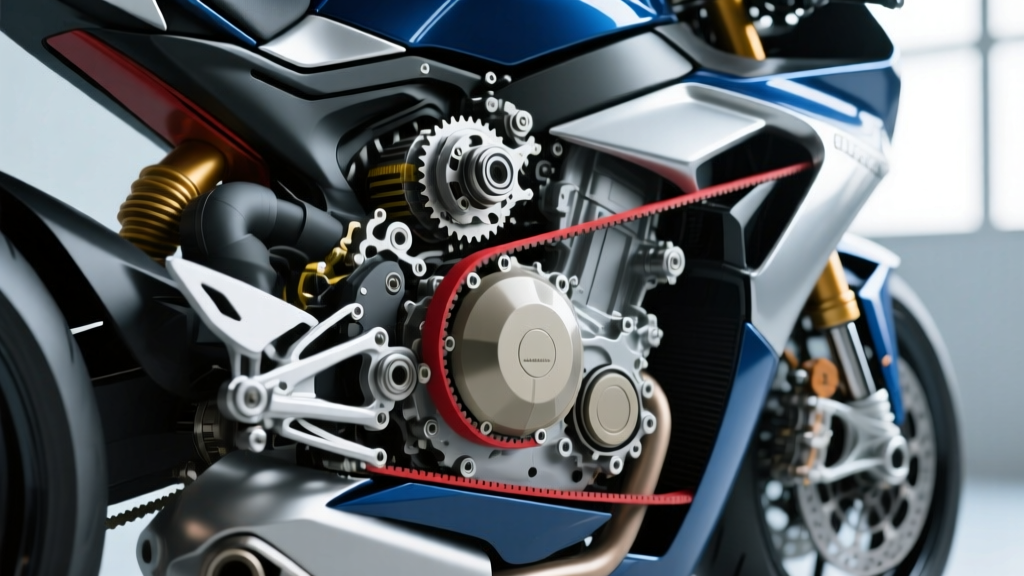
When discussing motorcycles with CVT transmission setups, the engineering landscape is vastly different from the automotive world. Unlike the chain-driven or planetary eCVTs found in hybrid cars, the vast majority of two-wheeled applications—ranging from 125cc urban commuters like the Honda PCX to 850cc V-twins like the Aprilia Mana—rely on a centrifugal, dry-clutch variator system. While this twist-and-go architecture is brilliantly efficient for stop-and-go riding, it operates under immense thermal and mechanical stress. As an automotive and powersports transmission specialist, I frequently diagnose drivetrain degradation that riders mistakenly attribute to engine tuning or fuel mapping. This technical deep-dive explores the exact failure modes, diagnostic procedures, and precision repair specifications for motorcycle CVT drivetrains, ensuring you can identify and rectify issues before they result in catastrophic roadside failures.
The Anatomy of a Motorcycle CVT Failure
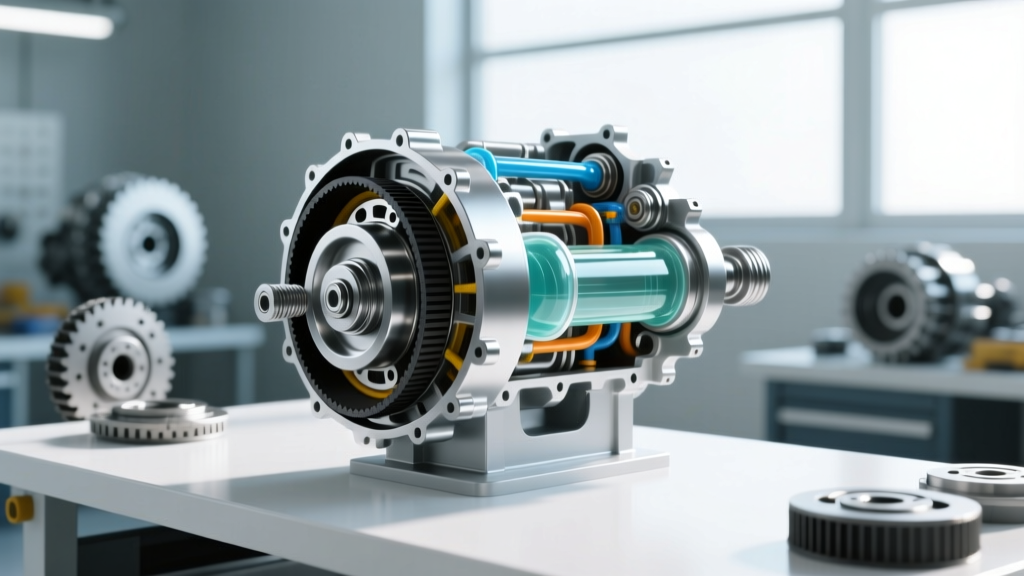
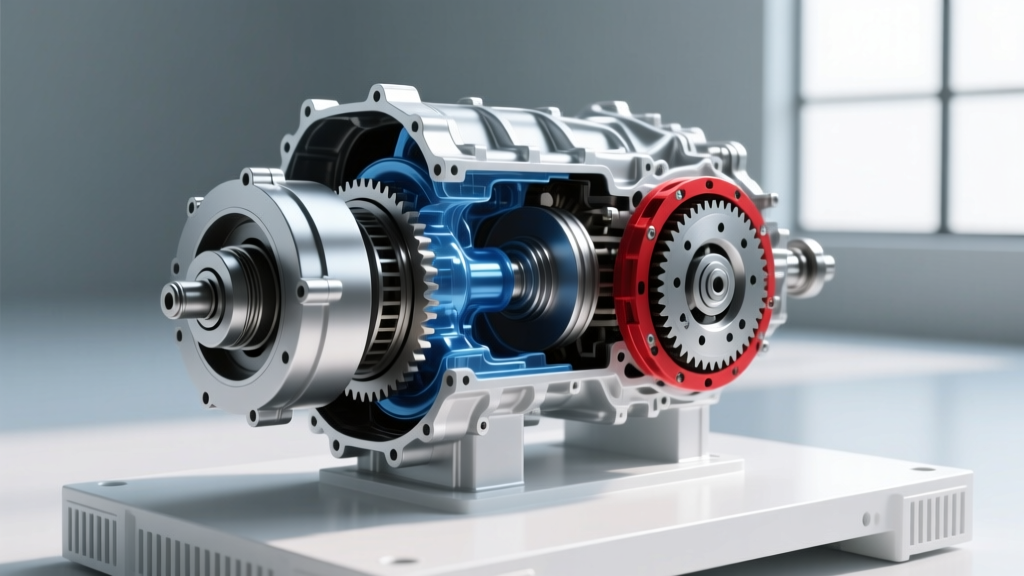
To accurately diagnose problems, we must first isolate the four primary zones of a standard motorcycle CVT: the primary drive (crankshaft-mounted variator), the flexible tensile member (the V-belt), the secondary drive (the torque driver and clutch assembly), and the final reduction gearbox. According to engineering documentation from Honda Powersports, the continuous variation of the gear ratio is achieved purely through centrifugal force acting on weighted rollers, which push the variator face outward to pinch the belt, simultaneously forcing the belt to ride higher on the primary pulley and lower on the secondary torque driver. When any single component in this kinetic chain degrades, the entire system suffers from micro-slipping, harmonic vibration, or complete ratio lock.
Top Mechanical CVT Transmission Problems
1. Drive Belt Chatter, Glazing, and Delamination
The CVT belt is the most frequent casualty in motorcycles with CVT transmission drivetrains. Modern belts are constructed with aramid-fiber (Kevlar) tensile cords encased in a specialized rubber compound designed to withstand extreme friction. However, aggressive stop-and-go riding or prolonged high-speed cruising can cause the belt's sidewalls to glaze. This glazing creates a glass-like surface that results in micro-slipping. Over time, the heat generated by this slip degrades the rubber matrix, leading to cord delamination. A standard 250cc scooter belt (e.g., 823 x 25 x 30 mm) should be measured with digital calipers; if the top width wears from a factory 25.0mm down to the service limit of 22.5mm, immediate replacement is mandatory to prevent the belt from snapping and locking the rear wheel.
2. Variator Roller Flat-Spotting and Ramp Wear
Variator rollers (or sliders) are subjected to intense rotational friction against the aluminum ramps of the variator face. Standard polyurethane rollers will eventually develop flat spots. When a roller flat-spots, it no longer rolls smoothly up the ramp; instead, it binds and skips, causing a rhythmic surging sensation during acceleration. Furthermore, if the grease inside the roller migrates into the CVT casing due to heat degradation, it will contaminate the belt. Upgrading to PTFE-coated sliders (such as those manufactured by Malossi) eliminates flat-spotting entirely, providing a linear and consistent ratio transition.
3. Torque Driver Spring Fatigue and Pin Binding
The secondary pulley, or torque driver, relies on a massive contra spring to maintain belt tension and a set of metal guide pins that ride inside helical slots. A common, yet frequently misdiagnosed problem is torque driver spring fatigue. As the spring loses its tension over thousands of heat cycles, the secondary pulley fails to clamp the belt adequately under heavy throttle, resulting in severe belt slip and a burning rubber odor. Additionally, if the factory molybdenum grease inside the torque driver dries out or becomes contaminated with clutch dust, the guide pins will bind in the helical slots, preventing the transmission from downshifting when the rider rolls off the throttle.
4. Centrifugal Clutch Bell Glazing and Dust Accumulation
Motorcycles with CVT transmission systems utilize a dry centrifugal clutch to engage the final drive. The clutch shoes press outward against a steel bell housing as RPMs increase. The friction material on these shoes is highly susceptible to glazing if the rider frequently 'feathers' the throttle at low speeds, keeping the clutch in a semi-engaged slipping state. Furthermore, the enclosed CVT case traps clutch dust. If the dust is not blown out with compressed air every 5,000 miles, it will pack into the clutch bell, causing severe engagement chatter and a violent shaking sensation when pulling away from a stoplight.
The SECVT Edge Case: Electronically Actuated Failures
While most systems are purely mechanical, the Suzuki Burgman 650 utilizes the Suzuki Electronically-controlled CVT (SECVT). Instead of centrifugal rollers, a stepper motor physically moves the drive pulley flange based on throttle position and vehicle speed sensors. The most notorious problem with the SECVT is the failure of the plastic reduction gear inside the stepper motor assembly, or the degradation of the Hall effect sensors that monitor pulley position. When these sensors fail, the ECU cannot determine the current gear ratio, triggering a Fuel Injection (FI) code and forcing the motorcycle into a limp mode—usually locking the CVT in a mid-range ratio that limits top speed to roughly 45 mph. Replacing the SECVT actuator assembly is notoriously expensive, often exceeding $1,200 for OEM parts, making it one of the most costly CVT problems in the powersports industry.
Diagnostic Matrix: Symptom vs. Component Failure
| Rider Symptom | Probable Component Failure | Diagnostic Verification | Corrective Action |
|---|---|---|---|
| Violent shaking at 5-10 mph take-off | Clutch bell glazing / pad dust | Inspect bell for blue heat spots; check for dust packing | Sand clutch pads with 120-grit; clean bell with brake cleaner |
| Rhythmic surging under steady throttle | Variator roller flat-spotting | Remove variator face; inspect rollers for polygonal wear | Replace rollers or upgrade to PTFE sliders |
| Loss of top speed, high RPM cruising | Belt wear / Torque driver spring fatigue | Measure belt width; check secondary pulley clamping force | Install new OEM belt and stiffer contra spring |
| Whining noise from rear gearbox | Final reduction bearing failure | Drain gear oil; check for metal flakes; spin wheel on stand | Press out and replace output shaft bearings |
Precision Maintenance: Torque Specs and Clearances
Reassembling a motorcycle CVT requires strict adherence to torque specifications. The crankshaft and transmission main shafts are relatively small in diameter, and over-torquing the lock nuts can stretch the threads or warp the variator face, leading to immediate harmonic imbalance. Based on standard service data from Yamaha Motor Europe and Honda service manuals, here are the critical benchmarks for the 125cc-300cc CVT class:
- Variator Lock Nut (M10 x 1.25): 54 Nm (40 lb-ft). Must be secured using a universal variator holding tool to prevent crankshaft damage.
- Clutch Lock Nut (M12 x 1.25): 64 Nm (47 lb-ft). Use a strap wrench or dedicated clutch bell holder.
- Final Reduction Gearbox Drain Bolt: 22 Nm (16 lb-ft). Over-torquing will strip the soft aluminum casing threads.
- Belt Deflection Test: Apply 10 kg (22 lbs) of downward pressure to the center of the belt span. Deflection should measure between 10mm and 15mm. If deflection exceeds 20mm, the belt is stretched or the torque driver spring is dead.
OEM vs. Aftermarket Upgrades for CVT Longevity
When addressing CVT transmission problems, many riders turn to the aftermarket for enhanced durability and performance. Brands like Polini Motori and Malossi offer CNC-machined variators with optimized ramp angles that not only improve acceleration but also reduce the lateral load on the crankshaft bearings. A Polini Hi-Speed variator kit typically costs between $150 and $250, featuring hard-anodized aluminum that resists the micro-welding and galling often seen on cast OEM variator faces. Furthermore, upgrading to a Gates or Dayco aramid-reinforced belt ensures that the tensile cords can withstand the increased clamping forces generated by aftermarket performance springs without snapping. Always pair an aftermarket variator with the manufacturer's recommended roller weight chart; dropping the roller weight by 2 to 3 grams (e.g., from 18g to 15g) will keep the engine in the peak of its torque curve during hard acceleration, though it may slightly increase cruising RPMs.
Conclusion
Maintaining motorcycles with CVT transmission systems requires a shift in mindset from traditional geared motorcycle maintenance. Because the CVT is a dry, friction-dependent system hidden beneath a plastic casing, it is entirely reliant on clean air, precise clearances, and unworn friction materials. By adhering to strict torque specifications, monitoring belt wear limits with digital calipers, and understanding the distinct failure modes of the variator and torque driver, riders can easily extract 50,000+ miles of flawless, twist-and-go performance from their drivetrains.