The Critical Role of Clutch Pack Diameter in Power Transfer
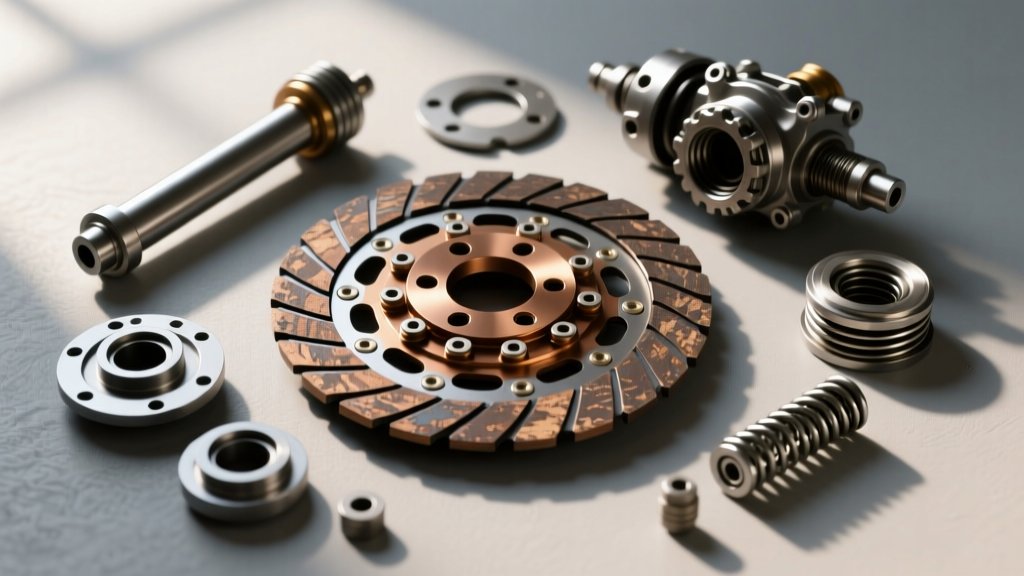
When upgrading or rebuilding a motorcycle transmission in 2026, selecting the correct motorcycle clutch plates goes far beyond simply matching the OEM part number. The outer diameter (OD), inner diameter (ID), and overall thickness of your clutch pack directly dictate your machine's torque capacity, rotational inertia, and thermal management. Whether you are building a high-horsepower sportbike for track days, a heavy-touring cruiser, or a lightweight motocross racer, understanding clutch disc size and diameter selection is the cornerstone of reliable power delivery.
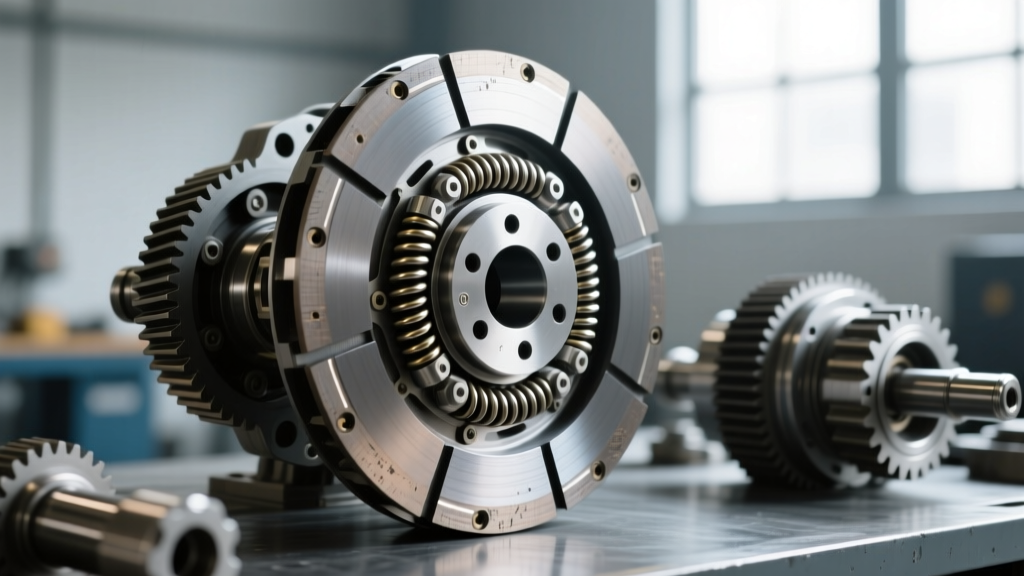
Unlike automotive applications that often rely on large single-plate or dual-plate dry clutches, motorcycles predominantly use multi-plate wet clutch systems. This means the total surface area—determined by the diameter and the number of plates—must be balanced against the physical constraints of the engine cases and the need for rapid RPM spooling. In this comprehensive buyer's guide, we break down the physics, measurements, and top brand options to help you engineer the perfect clutch pack.
The Physics of Diameter: Mean Radius and Torque Capacity
To understand why diameter selection matters, we must look at the fundamental torque capacity equation for a multi-plate clutch:
T = μ × F × N × Rm
- T = Torque Capacity
- μ = Coefficient of Friction (determined by material: Kevlar, Carbon, Cork)
- F = Clamping Force (spring rate)
- N = Number of friction surfaces
- Rm = Mean Radius of the clutch plates
The mean radius (Rm) is calculated by adding the outer diameter and inner diameter, then dividing by four. A larger outer diameter increases the mean radius, providing greater leverage for the friction material to halt or transfer rotation. This is why heavy cruisers like the Harley-Davidson Twin Cam 114 utilize massive clutch baskets with large-diameter plates. Conversely, a 600cc supersport requires a smaller diameter to reduce rotational mass and parasitic drag, allowing the engine to rev freely to 15,000+ RPM. To compensate for the smaller mean radius, sportbikes utilize a higher number of thinner plates and aggressive friction materials.
Sizing by Application: Dimensions and Specifications
Below is a comparison chart detailing how clutch disc sizes vary across different motorcycle categories. These dimensions highlight the engineering trade-offs between torque capacity and rotational inertia.
| Application / Model Type | Typical OD (mm) | Typical ID (mm) | Friction Thickness | Steel Thickness | Avg. Kit Cost (2026) |
|---|---|---|---|---|---|
| Sportbike (e.g., CBR1000RR) | 125.0 | 98.0 | 3.00 mm | 1.60 mm | $110 - $160 |
| Cruiser (e.g., Harley Big Twin) | 146.0 | 115.0 | 3.15 mm | 1.98 mm | $130 - $220 |
| Motocross (e.g., KTM 450 SX-F) | 128.0 | 102.0 | 3.00 mm | 1.50 mm | $90 - $140 |
| Adventure (e.g., BMW R1250GS) | 138.0 | 108.0 | 3.50 mm | 2.00 mm | $150 - $250 |
Stack Height: The Most Overlooked Sizing Metric
When selecting aftermarket motorcycle clutch plates, diameter is only half the battle. Stack height—the total compressed thickness of all friction and steel plates combined—is critical for proper clutch actuation. If your stack height is too tall, the clutch will drag, making it difficult to find neutral and causing harsh shifting. If it is too short, the clutch will slip under heavy throttle, rapidly glazing the plates and generating excessive heat.
For example, a typical Japanese inline-four sportbike requires a stack height between 50.0mm and 53.0mm. If you purchase extra-thick racing friction plates to increase bite, you must pair them with thinner steel separator plates to maintain the factory stack height specification. Always consult your factory service manual for the exact stack height tolerance before ordering a custom combination.
Measuring for Wear and Warpage
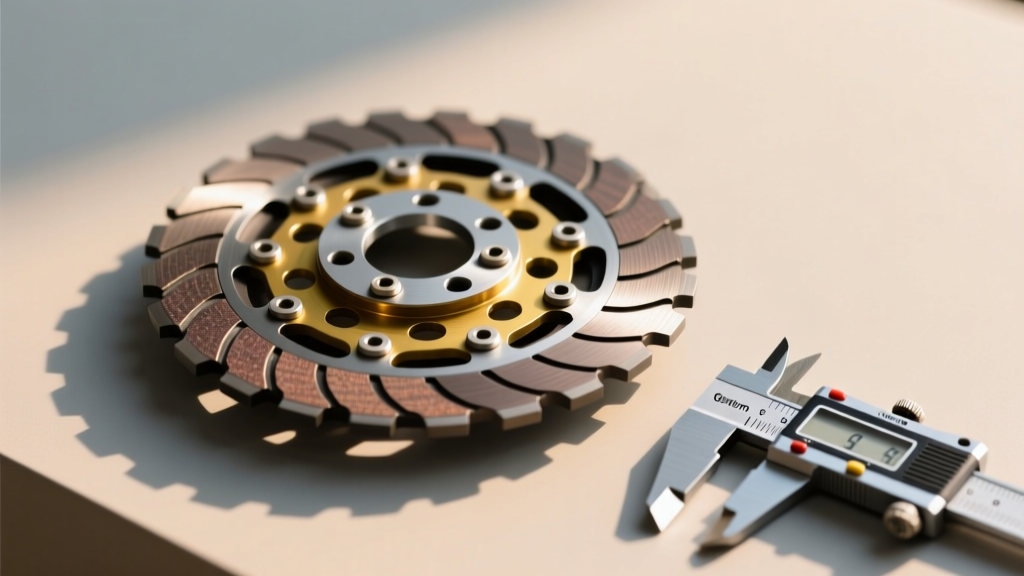
Before installing new plates, you must verify the condition of your existing components using precision measuring tools. According to EBC Brakes' technical documentation, relying on visual inspection alone is insufficient.
- Friction Plate Thickness: Use a micrometer to measure the friction material at four equidistant points. A nominal 3.00mm plate typically has a service limit of 2.60mm. If any plate falls below this, the entire pack must be replaced.
- Steel Plate Warpage: Place the steel separator plate on a known flat surface (like a piece of tempered glass). Use a feeler gauge to check the gap. The maximum allowable warpage is generally 0.10mm (0.004 inches). Warped steel plates create localized hot spots, leading to premature failure of the new friction material.
Buyer’s Guide: Top Brands and Friction Materials
The market for motorcycle clutch plates in 2026 is dominated by a few key players, each offering distinct friction compounds tailored to specific riding styles. Your choice of material must align with your clutch basket's diameter and your engine's torque curve.
EBC Brakes (SRC & CK Series)
EBC remains the gold standard for street and track-day riders. Their CK series uses a cork-based material ideal for vintage bikes and mild street applications, offering smooth engagement. The SRC series, featuring Kevlar-based friction material, is designed for high-horsepower sportbikes. Kevlar handles extreme heat without fading, making it perfect for smaller-diameter sportbike clutches that generate high localized temperatures during aggressive launches. Expect to pay around $110 for a friction kit.
Barnett Tool & Engineering (Carbon Fiber)
For drag racing, stunt riding, and high-torque cruisers, Barnett Clutches offers carbon fiber friction plates. Carbon fiber provides an incredibly high coefficient of friction and superior thermal conductivity. Because carbon fiber bites aggressively, it is often used in large-diameter cruiser applications where immediate lockup is desired. However, carbon fiber requires heavy-duty clutch springs (often 20-30% stiffer than OEM) to prevent micro-slippage, which can increase hand fatigue at the lever. Full carbon kits typically range from $160 to $220.
Hinson Racing (Billet & Complete Kits)
If you are addressing diameter limitations by upgrading the entire basket, Hinson offers complete billet aluminum clutch kits. By machining the basket fingers to tighter tolerances, Hinson reduces the 'notching' that causes plates to hang up and drag. While a complete Hinson kit can exceed $800, it is the ultimate solution for motocross and supermoto applications where rapid clutch modulation and lightweight rotational mass are paramount.
Installation Specs: Torque and Fluid Compatibility
Proper sizing means nothing if the installation is flawed. When reassembling the clutch hub, the center nut torque specification is critical. For most 600cc-1000cc Japanese sportbikes, the clutch center nut requires between 65 lb-ft and 76 lb-ft (88 - 103 Nm) of torque. You must use a dedicated clutch holding tool or a heavy-duty strap wrench to prevent the basket from spinning while torquing. Always discard the old crush washer or locking tab and use a new one to prevent the hub from backing off under high-RPM vibration.
The JASO MA2 Oil Mandate
Because motorcycle wet clutches share oil with the engine and transmission, the friction coefficient of your new plates is entirely dependent on the engine oil. You must exclusively use oils certified as JASO MA or MA2. Standard automotive oils contain friction modifiers (like molybdenum) designed to improve fuel economy by reducing friction. If you use automotive oil in a motorcycle, these modifiers will coat your new Kevlar or carbon fiber plates, causing catastrophic slipping within the first 50 miles. Furthermore, always pre-soak your new friction plates in the exact JASO MA2 oil you plan to run for a minimum of two hours prior to installation to ensure the pores of the friction material are fully saturated, preventing dry-start glazing.
Final Verdict: Matching Diameter to Your Torque Output
Selecting the right motorcycle clutch plates requires a holistic view of your machine's physics. If you are maintaining a stock engine, stick to OEM dimensions and upgrade only the friction material to Kevlar for added longevity. If you have added a turbocharger or big-bore kit, you must either increase the clamping force via stiffer springs or transition to a more aggressive friction material like carbon fiber, ensuring your stack height remains within the factory 0.5mm tolerance. By respecting the mean radius, adhering to precise micrometer measurements, and utilizing proper installation torque, you will build a clutch pack that delivers flawless, slip-free power transfer for tens of thousands of miles.