Understanding the Motorcycle Clutch Lever Interface
For new riders, the motorcycle clutch lever is simply the left-hand gatekeeper to acceleration. But beneath the perch lies a complex mechanical or hydraulic actuation system responsible for compressing heavy springs and separating a stack of alternating friction and steel plates. When your motorcycle clutch lever fails to properly engage or disengage the transmission, it transforms from a minor annoyance into a severe safety hazard. Whether you are riding a cable-actuated Yamaha MT-07 or a hydraulic Honda CBR600RR, understanding the exact failure modes of clutch engagement and disengagement is the first step toward a reliable ride.
According to legendary motorcycle technical editor Kevin Cameron in his breakdown of how a motorcycle clutch works, the multi-plate wet clutch relies on a precise balance of spring pressure, fluid viscosity, and lever free play. When that balance is upset, you experience one of two primary symptoms: slipping (failure to engage) or dragging (failure to disengage).
Disengagement Failure: The Slipping Clutch
When a clutch slips, the motorcycle clutch lever might feel completely normal, but the engine RPMs will surge without a corresponding increase in rear-wheel speed, especially under hard acceleration or uphill loads. This means the clutch is failing to fully engage and lock the friction plates to the steel plates.
Root Causes and Mechanical Specifications
- Worn Friction Plates: Over time, the cork or Kevlar friction material wears down. For most 600cc supersport bikes, a new OEM friction plate measures exactly 3.0mm. The service manual wear limit is typically 2.6mm. Once the stack height drops below the spring's effective compression range, slippage occurs.
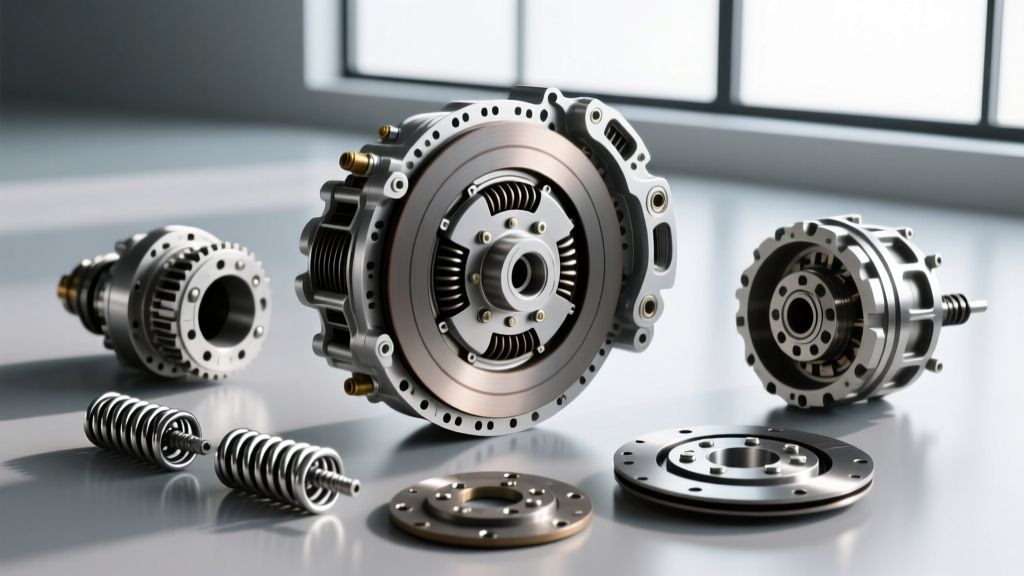
- Sagged Clutch Springs: Clutch springs lose tension due to extreme heat and continuous cycling. If the free length of your spring drops below the manufacturer limit (e.g., a 45.2mm new spring sagging to 43.5mm), it cannot apply sufficient clamping force. Upgrading to Hinson Racing springs (approx. $45-$60) increases clamping pressure by 10-15%.
- Burnt Motor Oil: Wet clutches share oil with the engine. Using automotive oil containing friction modifiers (like molybdenum) will coat the plates and cause immediate slipping. Always use JASO MA/MA2 certified oil, such as Motul 7100 10W-40.
The Fix: Measuring and Replacing
To fix a slipping clutch, you must remove the right-side clutch cover (using a new gasket, approx. $15). Measure the friction plates with a micrometer and the steel plates for warping using a feeler gauge on a flat glass surface. The warp limit for steel plates is generally 0.3mm. When reinstalling the clutch spring bolts, precision is critical. Most M6 spring bolts require exactly 10 Nm (7.4 lb-ft) of torque. Always apply a drop of Blue Loctite 243 to the threads to prevent vibration-induced backing out, which can destroy your engine cases. An aftermarket EBC CK Series clutch kit (approx. $80-$120) is a highly recommended OEM replacement.
Engagement Failure: The Dragging Clutch
A dragging clutch occurs when the motorcycle clutch lever is fully pulled to the handlebar, but the transmission remains partially engaged. Symptoms include a loud 'clunk' when shifting into first gear from a stop, the motorcycle creeping forward while the lever is squeezed, and extreme difficulty finding neutral at idle.
Why Won't It Disengage?
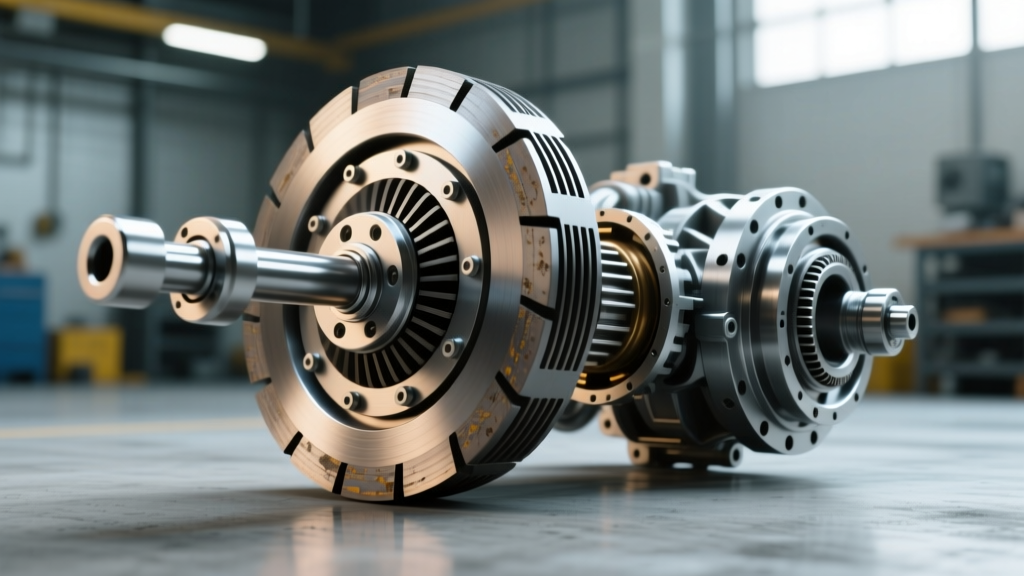
- Notched Clutch Basket: The aluminum fingers of the inner hub and outer basket develop grooves from the impact of the steel plates. When these notches exceed 0.5mm in depth, the plates bind together and refuse to separate when the lever is pulled. A premium solution is the Rekluse Core Manual billet basket ($300-$400), which utilizes hard-anodized aluminum and steel sleeves to eliminate notching permanently.
- Cable Friction and Stretch: On cable-actuated bikes, a frayed inner cable or dried-out Teflon lining creates massive parasitic friction. The lever feels incredibly stiff, and the throwout bearing doesn't travel far enough to separate the plates.
- Hydraulic Fade and Air Intrusion: Hydraulic clutches use DOT 4 or DOT 5.1 fluid, which is hygroscopic (absorbs water). As water content increases, the fluid boils under engine heat, creating compressible vapor bubbles. You pull the lever, but the fluid compresses instead of moving the slave cylinder pushrod.
The Lever Free Play Matrix
Proper clutch lever free play is the most critical adjustment for engagement and disengagement. Free play is the distance the lever moves before you feel the resistance of the clutch springs. Too little free play causes slipping; too much causes dragging. As noted by the technicians at Motorcyclist Online, maintaining this gap ensures the throwout bearing isn't constantly riding against the pressure plate.
| Motorcycle Category | Actuation Type | Recommended Free Play | Measurement Point |
|---|---|---|---|
| Sport / Supersport | Hydraulic / Cable | 10mm - 15mm | Lever perch end |
| Cruiser / Touring | Cable (Heavy Pull) | 15mm - 20mm | Lever perch end |
| Dirt / Enduro | Hydraulic | 5mm - 10mm | Lever perch end |
| Cafe Racer / Custom | Internal Routing | Strictly 15mm | Lever perch end |
Step-by-Step Adjustment Guide
If your engagement issues are minor, a simple adjustment of the motorcycle clutch lever might solve the problem without opening the engine cases.
1. The Barrel Adjuster (Fine Tuning)
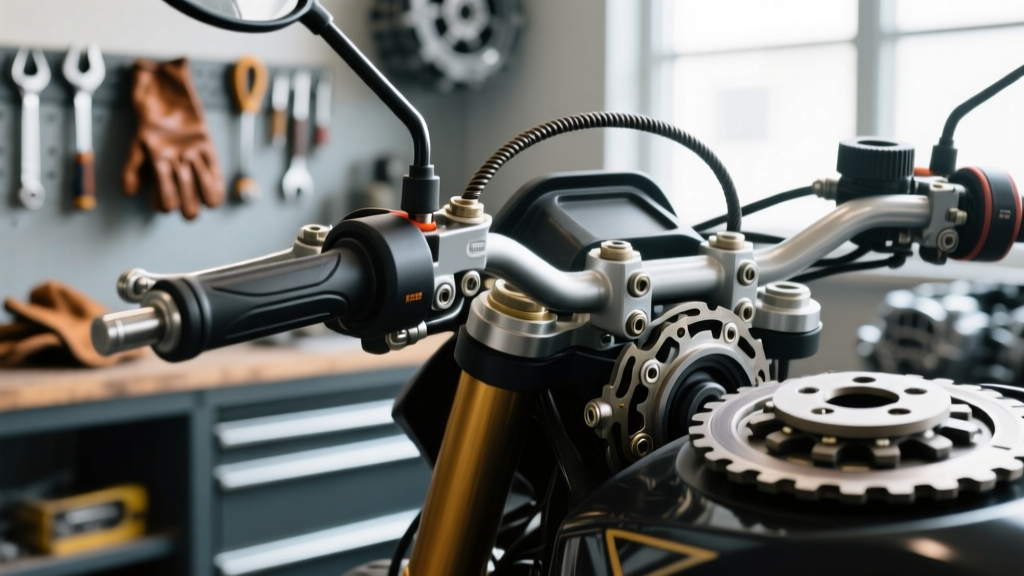
Located right where the cable meets the lever perch. Loosen the locknut and turn the barrel adjuster. Turning it outward increases free play (fixes slipping); turning it inward decreases free play (fixes dragging). This provides roughly 5-8mm of adjustment range.
2. The Lower Hub Adjuster (Major Tuning)
If the barrel adjuster is maxed out, you must adjust the lower hub near the engine case. Loosen the 10mm locknut, turn the adjuster screw until you feel the exact point of clutch resistance, then back it off one full turn to create your baseline free play. Tighten the locknut and re-check at the lever.
3. Hydraulic System Bleeding
For hydraulic levers, free play is self-adjusting, meaning engagement issues are almost always caused by air or old fluid. Attach an 8mm wrench to the slave cylinder bleeder valve. Use a vacuum bleeder or the traditional 'pump and hold' method with fresh DOT 4 fluid (like Castrol SRF or Motul RBF 600) until the lever feels rock solid and no bubbles emerge from the master cylinder reservoir.
When to Seek Professional Diagnostics
While adjusting a motorcycle clutch lever and replacing friction plates are standard weekend garage tasks, certain engagement issues point to deeper transmission damage. If you have verified correct free play, bled the hydraulics, and installed fresh OEM clutch packs, but the bike still creeps or slips, you may be dealing with a warped clutch basket center hub, a damaged pushrod bearing, or a worn shift fork inside the transmission case. At this stage, splitting the engine cases is required, and consulting a certified dealership or specialized engine builder is highly recommended to prevent catastrophic mechanical failure.