The Magic (and Madness) of the 8 Speed Dual Clutch
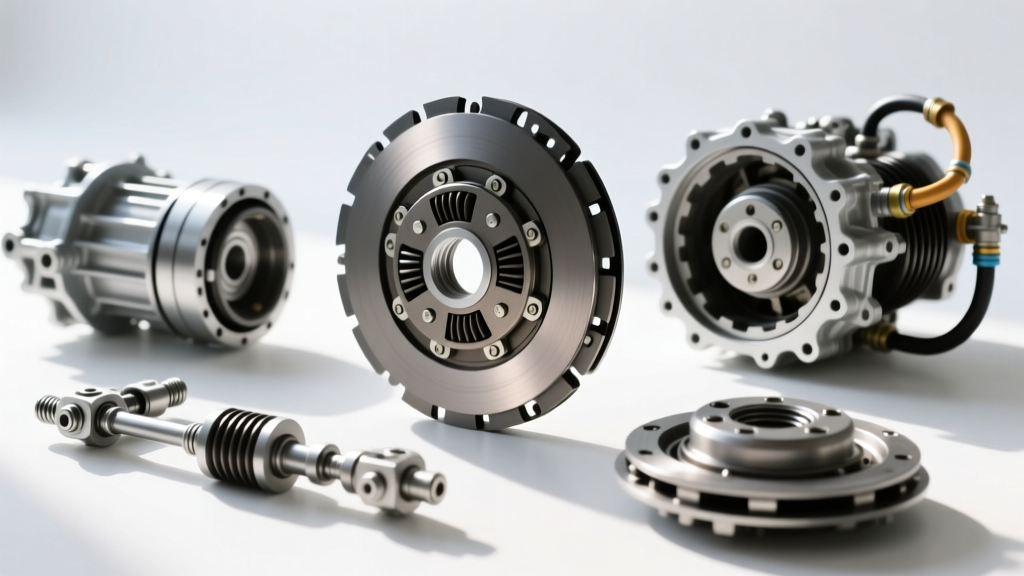
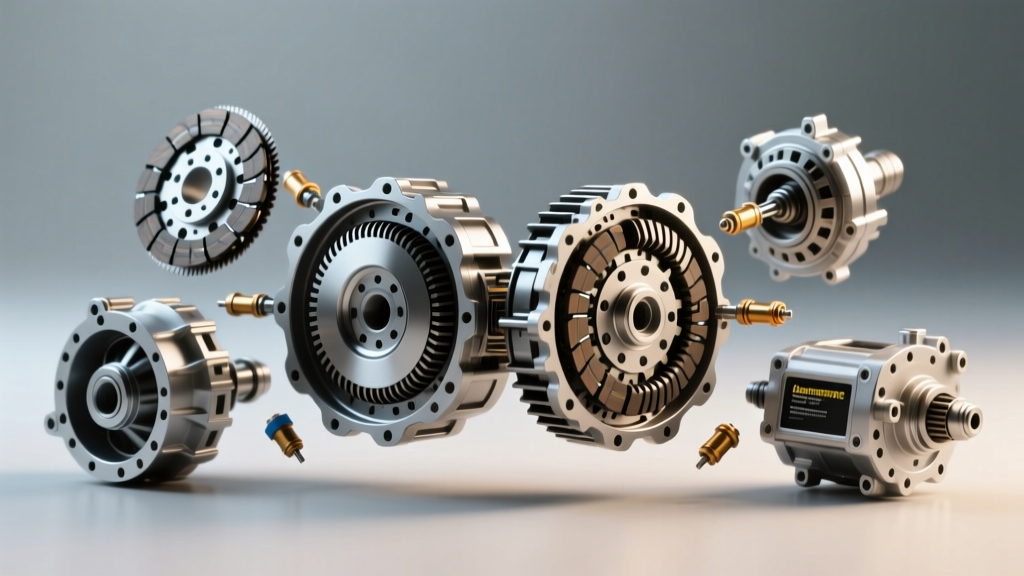
If you drive a modern performance car, a hybrid, or a recent model from Hyundai, Kia, or BMW, you might be the proud owner of an 8 speed dual clutch transmission (DCT). To put it simply, a DCT is essentially two manual transmissions stuffed into one single case, controlled by a highly advanced robot. One clutch handles the odd gears (1, 3, 5, 7), while the other handles the even gears (2, 4, 6, 8, and Reverse). When you are in first gear, the computer has already pre-selected second gear on the other shaft, allowing for lightning-fast shifts.
However, when this intricate dance of engagement and disengagement goes wrong, the result is anything but smooth. As of 2026, while DCT software has improved dramatically, mechanical wear, fluid degradation, and mechatronic faults still cause notorious engagement issues. If your car is shuddering off the line, hesitating when you press the gas, or clunking harshly into reverse, you are experiencing clutch engagement failure. Let us break down exactly why this happens and how to diagnose it, without needing an engineering degree.
Spotting the Signs: 4 Common Engagement Symptoms
Before we tear into the transmission pan, we need to identify exactly how the engagement issue is presenting itself. Different symptoms point to entirely different failure points within the dual-clutch ecosystem.
1. The 'Rubber Band' Launch (Hesitation)
You press the accelerator from a stop, the engine RPMs flare up, but the car does not move immediately. A second later, the clutch abruptly grabs, and the car lunges forward. This hesitation is usually caused by a delay in hydraulic pressure reaching the clutch actuator, or excessive air in the mechatronic hydraulic circuit. The computer is struggling to find the exact 'bite point' of the clutch pack.
2. Low-Speed Shudder (The Washboard Effect)
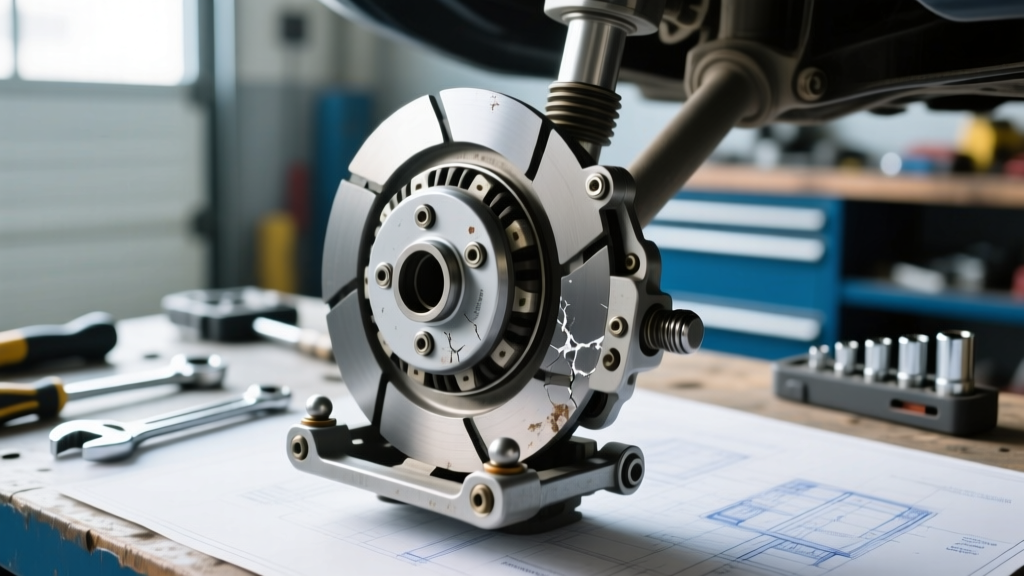
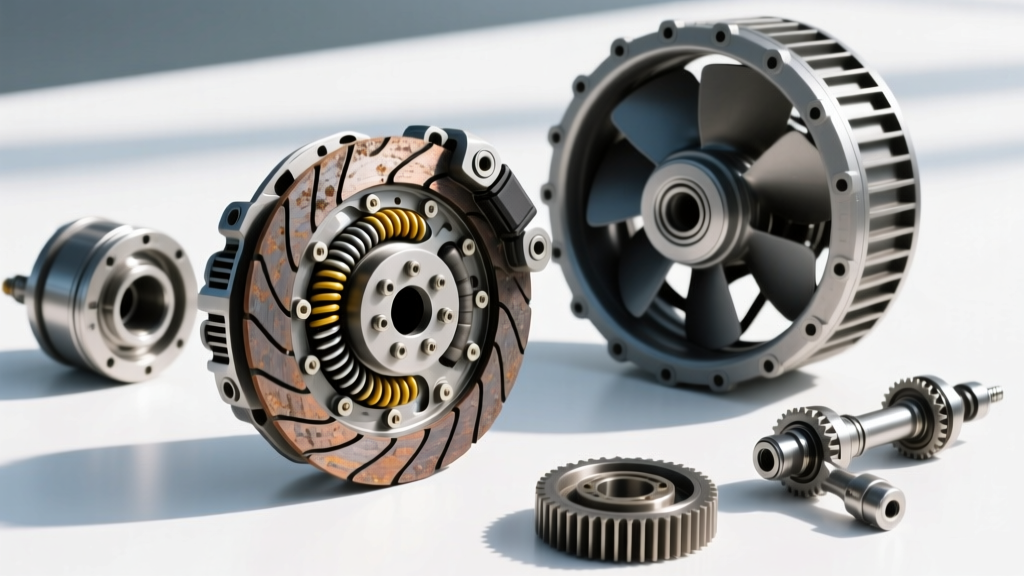
When creeping in stop-and-go traffic or lightly accelerating from 5 to 15 mph, the vehicle vibrates violently, feeling like you are driving over a washboard. This is the hallmark of clutch glazing. In wet clutch systems (like the Hyundai D8LF1 or ZF 8DT45), the friction material overheats and hardens, losing its ability to slip smoothly. Instead of a seamless engagement, the clutch rapidly grabs and releases, causing severe shudder.
3. Harsh Reverse Engagement (The 'Clunk')
Shifting from Park to Reverse results in a loud metallic clunk and a harsh jolt. Because Reverse gear is often tied to the secondary clutch shaft, this usually indicates a failing reverse engagement solenoid or a worn shift fork. The hydraulic pressure is spiking too high, too fast, slamming the gear into place rather than easing it in.
4. Mid-Corner Disengagement (Limp Mode)
If you are accelerating out of a turn and the transmission suddenly drops into neutral (disengaging both clutches entirely) before throwing a check engine light, you have experienced a safety disengagement. The Transmission Control Module (TCM) has detected a critical fault—often a failing speed sensor or a catastrophic drop in hydraulic accumulator pressure—and disengaged the clutches to prevent the gearbox from tearing itself apart.
Diagnostic Cheat Sheet: Symptoms vs. Solutions
Use this table to narrow down your diagnosis based on your specific symptoms. Repair costs are estimated averages for the 2026 aftermarket landscape.
| Symptom | Probable Culprit | Diagnostic Code (Example) | Est. Repair Cost |
|---|---|---|---|
| Launch Hesitation / RPM Flare | Mechatronic Accumulator Leak or Low Fluid | P073E (Gear 1 Control) | $250 (Fluid) - $1,800 (Mechatronic) |
| Low-Speed Shudder | Glazed Wet Clutch Packs / Degraded DCTF | P2783 (Clutch Temp High) | $400 (Fluid Flush) - $2,500 (Clutch Pack) |
| Harsh Reverse Clunk | Sticking Shift Solenoid / Worn Shift Fork | P0715 (Input Speed Sensor) | $800 - $3,200 (Teardown) |
| Sudden Neutral Disengagement | TCM Software Fault / Hydraulic Pump Failure | P2784 (Input/Turbine Speed) | $150 (Flash) - $2,200 (Pump/TCM) |
The Brain and the Blood: Mechatronics and DCT Fluid
To understand engagement issues, you must understand the relationship between the mechatronic unit and the transmission fluid. Think of the mechatronic unit as the brain and nervous system of your 8 speed dual clutch. It houses the TCM (the brain) and the valve body with its network of solenoids (the nerves). The transmission fluid is the lifeblood that carries the hydraulic pressure required to physically squeeze the clutch packs together.
In wet DCTs, the clutches are bathed in specialized fluid. For example, Hyundai and Kia models require DCTF-1 (Part # 04300-5X1A0), while ZF 8-speed DCTs require specific LifeguardFluid 8DT. Over time, the friction material from the clutch packs sheds microscopic particles into the fluid. As of 2026, modern DCT fluids contain advanced friction modifiers, but they still break down under extreme thermal loads. When the fluid degrades, it becomes thicker or loses its friction-modifying properties. This causes the tiny spool valves inside the mechatronic unit to stick. A sticking valve means delayed hydraulic pressure, which directly translates to the hesitation and shudder you feel in the driver's seat.
Expert Insight: Never use standard Automatic Transmission Fluid (ATF) or standard manual gear oil in a wet DCT. The friction modifiers in standard ATF will cause the DCT clutch packs to slip continuously, leading to catastrophic failure in under 500 miles. Always use the exact OEM-specified Dual Clutch Transmission Fluid.
Beginner Troubleshooting: What You Can Do Today
Before you authorize a $3,000 transmission teardown, there are several actionable steps you can take to diagnose and potentially resolve engagement issues on your 8 speed dual clutch.
Step 1: Perform a TCM Adaptation Reset
As clutch packs wear down, the TCM constantly adjusts the hydraulic pressure to maintain a smooth bite point. Sometimes, the software's 'memory' gets corrupted or falls out of sync with the actual mechanical wear. Using a bi-directional OBD2 scanner, you can perform a 'Clutch Adaptation Reset' or 'TCM Relearn'. This forces the computer to re-measure the physical bite point of both clutch packs from scratch. According to Sonnax transmission diagnostics, a simple relearn resolves up to 30% of low-speed shudder complaints without turning a single wrench.
Step 2: Check Fluid Level and Condition
Unlike traditional automatics, most 8-speed DCTs do not have a dipstick. You must check the fluid level from underneath the vehicle on a perfectly level lift, with the fluid at a specific temperature (usually between 40°C and 50°C, monitored via OBD2).
- Drain and Fill Plug Torque: On the popular Hyundai/Kia D8LF1 8-speed DCT, the drain and fill plugs require exactly 35 to 40 Nm of torque. Over-tightening can crack the aluminum mechatronic casing.
- Fluid Color Check: Healthy DCTF is usually clear, green, or light amber. If your fluid is dark brown and smells like burnt toast, your clutch packs are glazing, and a fluid exchange is immediately required.
Step 3: Scan the Clutch Wear Index
Modern 8 speed dual clutch systems log a 'Clutch Wear Index' or 'Clutch Adaptation Limit' parameter. By plugging in an advanced scanner (like an Autel MaxiSys or Snap-on Zeus), you can read the actual physical distance the clutch actuator is traveling to engage the pack. If the adaptation value is maxed out (often displayed as a percentage over 85-90%), no amount of fluid changes or software resets will fix the shudder. The friction material is physically gone, and the clutch pack must be replaced. For deeper technical specifications on ZF and OEM DCT teardown procedures, the ZF Aftermarket portal remains the gold standard for exact shim measurements and hydraulic pressure testing protocols.
Final Thoughts on DCT Maintenance
The 8 speed dual clutch is a marvel of modern engineering, offering the efficiency of a manual with the speed of a supercomputer. However, it demands respect and precise maintenance. If you are experiencing engagement hesitation or shudder, start with a fluid analysis and a TCM relearn. By catching clutch wear early and maintaining the hydraulic integrity of the mechatronic unit, you can keep your DCT shifting seamlessly for well past the 100,000-mile mark.