The Hidden Costs of Post-Repair Motorcycle Clutch Failures
When a motorcycle transmission undergoes a mechanical clutch replacement, the expectation is a crisp, predictable lever feel and seamless power delivery. However, a growing number of riders in 2026 are reporting severe clutch problems after repair or replacement—ranging from lever sponginess and incomplete disengagement to premature friction plate glazing. While it is easy to blame the aftermarket clutch basket or the friction plates, the true culprit often lies in the hydraulic system. Specifically, improper handling, selection, or bleeding of motorcycle clutch fluid during the reassembly process can trigger a cascade of expensive secondary failures.
This cost analysis and diagnostic guide breaks down the exact financial impact of post-repair hydraulic errors. We will explore how mixing incompatible fluids destroys internal seals, how incorrect banjo bolt torque specs introduce air into the system, and what you can expect to pay to fix these preventable mistakes at today's dealership and independent shop labor rates.
How Incorrect Motorcycle Clutch Fluid Destroys Hydraulic Seals
The most catastrophic post-repair error occurs when a technician or DIYer tops off or flushes the system with the wrong fluid chemistry. Motorcycle hydraulic clutches primarily rely on two distinct fluid families: Polyglycol-based fluids (DOT 3, DOT 4, DOT 5.1) and Silicone/Mineral-based fluids (DOT 5 or proprietary mineral oils like Magura Blood). These fluids are fundamentally incompatible.
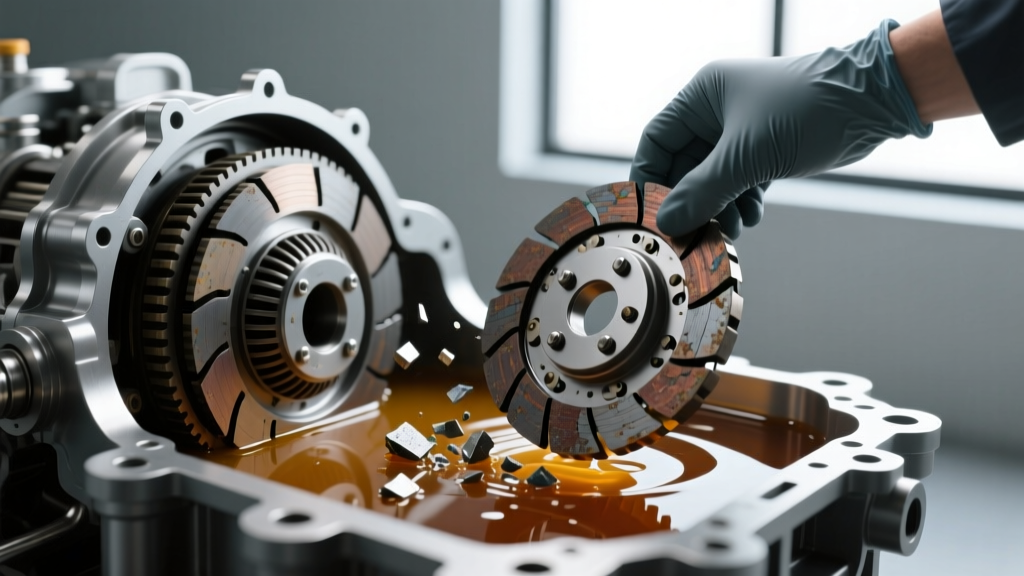
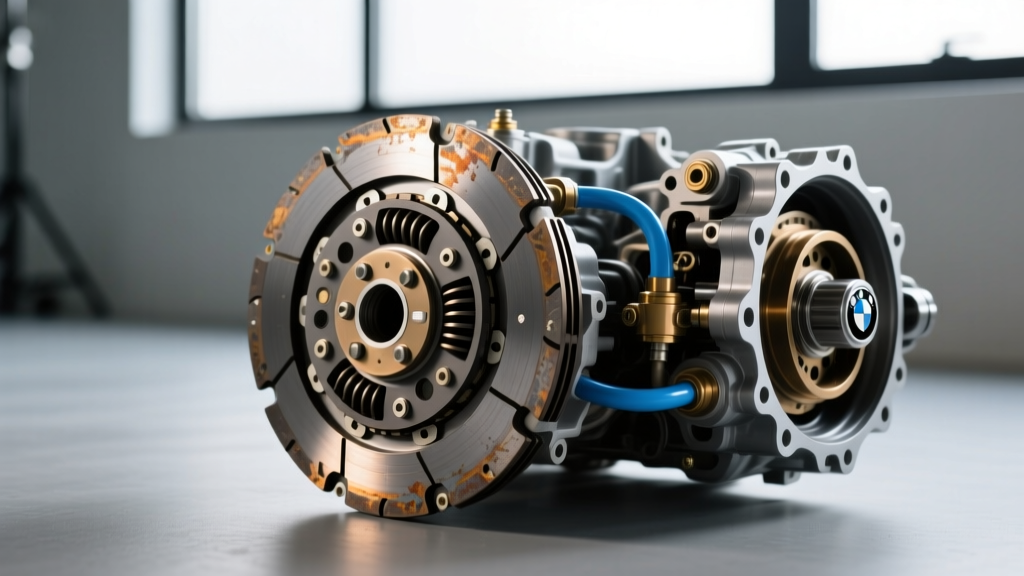
If a mechanic replaces your clutch plates and inadvertently tops off a mineral oil system (common on KTM, Husqvarna, and older BMW models with Magura master cylinders) with DOT 4 polyglycol fluid, a rapid chemical reaction occurs. The polyglycol fluid causes the Ethylene Propylene Diene Monomer (EPDM) rubber seals inside the master and slave cylinders to swell, soften, and ultimately disintegrate. Conversely, introducing mineral oil into a DOT-spec Brembo or Nissin system will cause the Nitrile (NBR) seals to shrink, harden, and leak.
According to Brembo's official technical documentation, using non-specified fluids voids the warranty and leads to total seal failure within 50 to 100 miles of riding. The cost to rectify this post-repair contamination is steep, as the contaminated fluid travels through the entire hydraulic line, ruining both the master and slave cylinders and requiring a complete system teardown.
2026 Cost Breakdown: Fluid Contamination Repairs
| Component Failure Due to Wrong Fluid | OEM Part Cost (Average) | Aftermarket Rebuild Kit | Labor Cost (1.5 hrs @ $135/hr) | Total Repair Estimate |
|---|---|---|---|---|
| Master Cylinder (e.g., Brembo RCS19) | $450 - $650 | $65 - $95 | $202.50 | $267.50 - $852.50 |
| Slave Cylinder (e.g., Honda CBR1000RR) | $180 - $280 | $35 - $50 | $202.50 | $237.50 - $482.50 |
| Hydraulic Line Flush & Bleed | $25 (Fluid) | N/A | $135.00 | $160.00 |
| Total System Overhaul | Combined Parts & Labor | $665.00 - $1,495.00 | ||
Diagnosing Sponginess and Dragging After Clutch Replacement
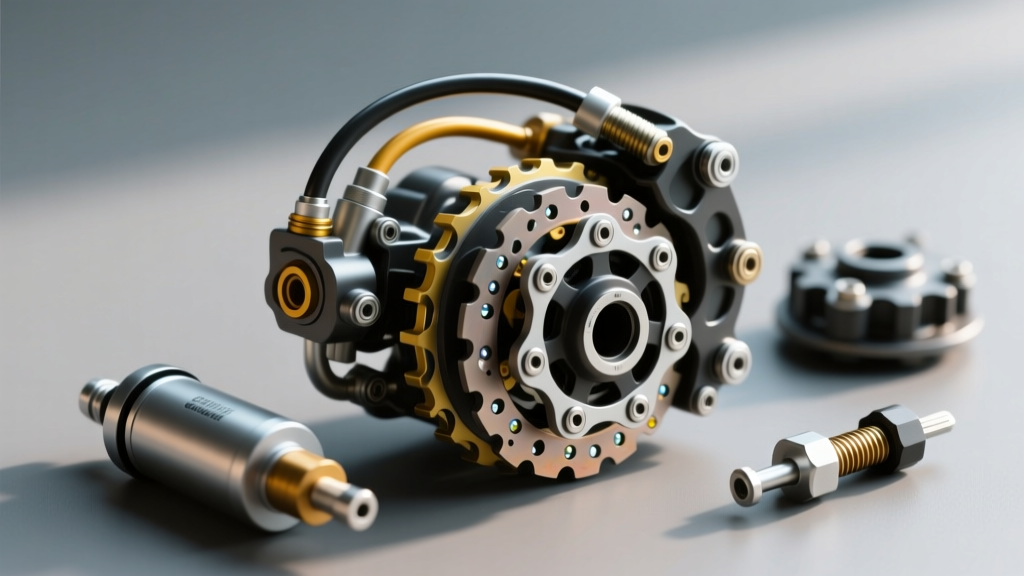
If your clutch lever feels spongy, or worse, the motorcycle creeps forward at stoplights with the lever pulled in (clutch drag), the mechanical installation might be fine, but the hydraulic bleeding procedure was likely botched. Air is highly compressible, unlike liquid. When air pockets remain trapped in the banjo bolts, the master cylinder, or the slave cylinder, the lever stroke is wasted compressing air rather than actuating the clutch release bearing.
Furthermore, post-repair dragging is frequently caused by improper master cylinder pushrod adjustment. If the pushrod is adjusted too tightly against the master cylinder piston during reassembly, it covers the internal fluid return port. As the clutch fluid heats up and expands during riding, the trapped pressure forces the slave cylinder to partially engage the clutch. This results in severe friction plate glazing and warping of the steel separator plates—a secondary failure that will require tearing down the engine case yet again, adding hundreds in gaskets and labor.
For optimal performance, high-quality fluids like Motul RBF 600 offer a dry boiling point of 312°C (593°F), which resists vapor lock during aggressive riding. However, even the best fluid will fail if the system is not vacuum-bled and if the banjo bolts are not torqued to specification. Overtightening banjo bolts (which typically require a precise 18-22 Nm or 13-16 lb-ft) will crush the copper crush washers, leading to micro-leaks and continuous air ingestion into the hydraulic circuit.
Labor and Parts Pricing for Hydraulic Bleeds & Adjustments
| Post-Repair Service | Flat Rate / Hourly Cost | Required Tools / Parts | Danger of DIY Error |
|---|---|---|---|
| Standard Manual Bleed | $90 - $135 (1 hr) | 8mm wrench, DOT 4 fluid, catch can | High (Air trapped in master cylinder) |
| Vacuum Bleeding Service | $135 - $180 (1-1.5 hrs) | Mityvac pump, proper seal tape | Low (Pulls air from master and slave) |
| Pushrod Clearance Adjustment | $45 - $90 (0.5 hr) | Feeler gauge (1-2mm spec) | Catastrophic (Clutch drag & plate warp) |
| Banjo Bolt Re-Torque & Washers | $45 (0.5 hr) + $5 parts | Torque wrench, new copper washers | Moderate (Fluid weeping & air ingestion) |
Step-by-Step Diagnostic: Is It the Fluid or the Friction Plates?
When symptoms arise immediately after leaving the repair shop, use this diagnostic framework to determine if you need a simple hydraulic bleed or a full mechanical teardown.
- Step 1: The Lever Feel Test. Pump the clutch lever rapidly 10 times. If the lever temporarily firms up and the engagement point moves closer to the handlebar, you have air in the system or a failing master cylinder cup seal. This is a hydraulic issue, not a mechanical plate issue.
- Step 2: The Return Port Inspection. With the bike in gear and the lever pulled in, crack the bleeder valve at the slave cylinder. If fluid shoots out under high pressure, your master cylinder return port is blocked (likely due to an over-tightened pushrod or swollen seals from contaminated motorcycle clutch fluid).
- Step 3: The RPM Drag Test. If the lever feels firm and hydraulic pressure is normal, but the bike still creeps forward at 2,500 RPM with the lever pinned to the grip, the mechanical repair was flawed. This indicates warped steel plates, incorrect clutch stack height, or the wrong friction plate friction modifier (e.g., using automotive plates in a wet clutch system).
Preventative Maintenance: Fluid Interval Cost Analysis
To avoid the massive costs associated with post-repair hydraulic failures, strict adherence to fluid maintenance intervals is required. Polyglycol-based fluids are highly hygroscopic, meaning they absorb moisture from the atmosphere through microscopic pores in rubber hoses and during reservoir openings. As water content increases, the fluid's boiling point plummets, and internal corrosion begins to pit the aluminum slave cylinder walls, leading to seal bypass.
According to Castrol's motorcycle maintenance guidelines, DOT 4 fluid should be flushed every 12 to 24 months, regardless of mileage. A proactive annual fluid flush costs between $90 and $150 at an independent dealership. Compare this minor annual expense to the $1,500+ cost of replacing a master cylinder, slave cylinder, and a contaminated clutch stack. When authorizing a clutch replacement, always explicitly request that the shop uses the exact OEM-specified fluid, replaces all copper crush washers, and performs a vacuum bleed to ensure your investment in new friction plates is protected from hydraulic sabotage.