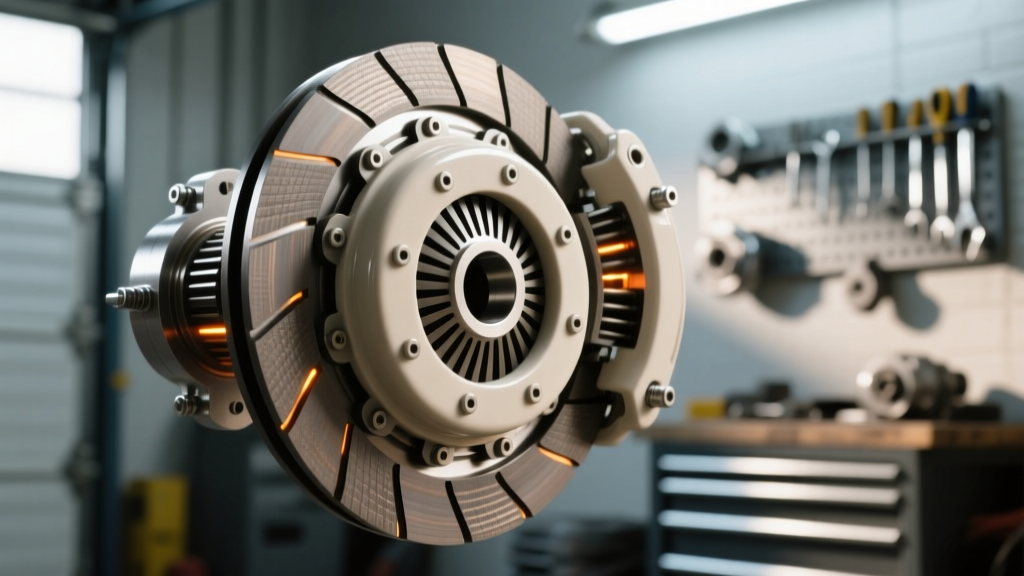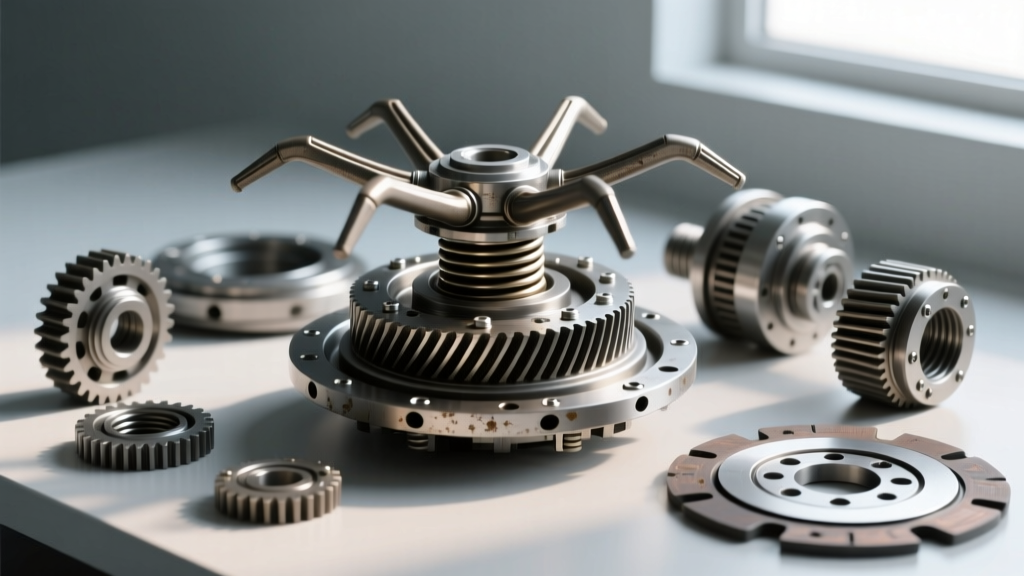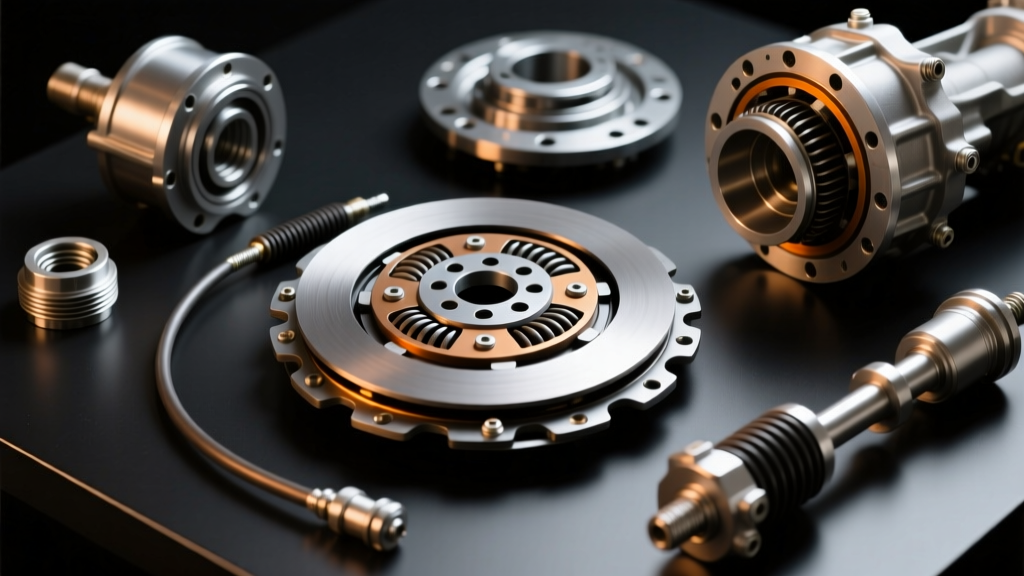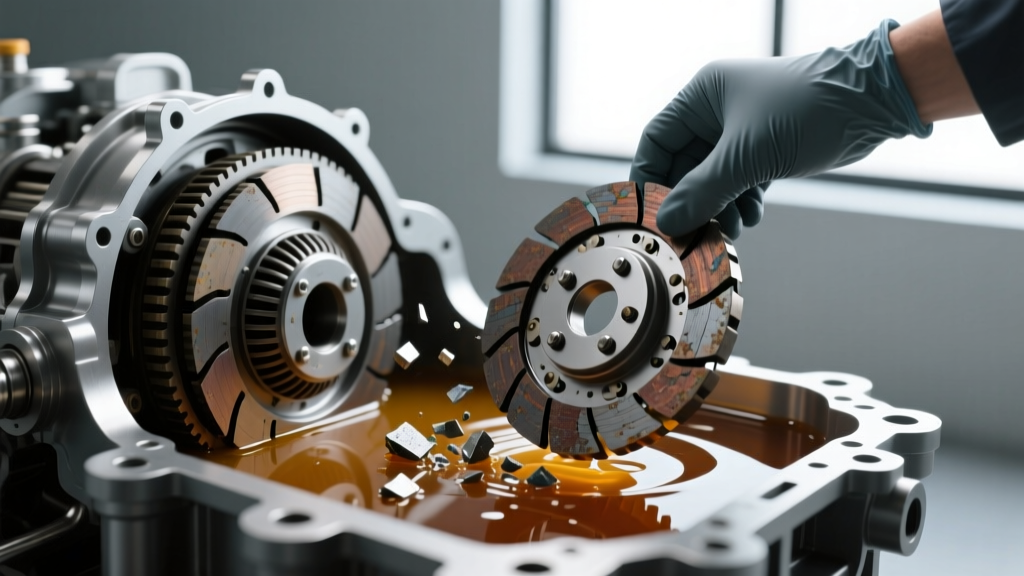
In the heavy-duty and commercial vehicle sector, the transmission is the critical bottleneck between engine output and wheel torque. As of 2026, modern commercial powertrains and heavy-duty pickups routinely push past 1,000 lb-ft of factory torque, placing unprecedented stress on automatic and automated-manual clutch packs. When a fleet technician or owner-operator discovers clutch material in transmission fluid, it is rarely a simple wear-and-tear issue; it is a definitive symptom of thermal overload, hydraulic failure, or mechanical shearing. For vehicles equipped with Allison 1000, 3000, or 4000 series transmissions, or ZF commercial automatics, ignoring this debris guarantees catastrophic planetary gear failure.
This performance and upgrade guide details how to accurately diagnose the source of clutch degradation in heavy-duty applications, and outlines the exact friction materials, hydraulic upgrades, and thermal management solutions required to fortify your drivetrain against high-GVWR (Gross Vehicle Weight Rating) towing and vocational PTO (Power Take-Off) abuse.
The Anatomy of HD Clutch Degradation
Unlike light-duty passenger vehicles, commercial trucks experience severe duty cycles. Vocational trucks like dump trucks, concrete mixers, and refuse haulers utilize PTO systems and endure constant stop-and-go shifting under maximum load. This generates immense shear forces and localized heat spikes within the transmission drum.
When the friction material exceeds its thermal threshold—typically around 350°F to 400°F at the clutch interface—the resin binders in the paper or Kevlar-based friction plates begin to carbonize and delaminate. This debris circulates through the cooler lines, contaminating the valve body and scoring the precision-machined bores of the torque converter clutch (TCC) regulator valves. In automated manual transmissions (AMTs) like the Eaton Endurant or ZF TraXon, clutch dust can foul the pneumatic actuators and position sensors, leading to erratic shift mapping and premature throw-out bearing failure.
Diagnostics: Identifying the Source of the Debris
Pulling the transmission pan on a Class 4-8 truck or a heavy-duty pickup requires a forensic approach. The color, texture, and magnetic properties of the debris will pinpoint the exact failing component. Finding clutch material in transmission fluid is only the first clue; identifying which clutch is failing dictates your upgrade path.
| Debris Type | Color & Texture | Probable Source Component | Required Action |
|---|---|---|---|
| Carbonized Paper/Kevlar | Black, sludge-like, non-magnetic | TCC (Torque Converter Clutch) lining | Replace TC, flush cooler lines, upgrade TCC regulator valve |
| Sintered Bronze | Gold/Brass flakes, slightly magnetic | Clutch pack backing plates or bushings | Inspect drum splines, upgrade to billet backing plates |
| Glazed Friction Material | Dark brown, burnt smell, fibrous | Forward/Reverse main clutch packs | Rebuild with high-energy frictions, increase apply pressure |
| Steel Shavings | Silver, highly magnetic | Planetary gears, shafts, or pump gears | Complete teardown; inspect for shaft torsion failure |
The Magnet and Solvent Test
Before ordering parts, perform a solvent wash on the pan debris. Place the sediment in a glass jar with mineral spirits. Organic clutch material will float or suspend, while metallic wear from the pump or planetary gears will sink. This simple test prevents fleet managers from misdiagnosing a mechanical hard-part failure as a simple clutch wear issue.
Performance Upgrades for High-Torque Applications
If your heavy-duty truck is used for severe towing, sled pulling, or high-cycle vocational work, OEM replacement parts are insufficient. Upgrading the friction elements and hydraulic controls is mandatory to prevent recurring clutch material in transmission fluid.
Friction Material Selection
For Allison heavy-duty automatics, the industry standard for performance upgrades has shifted toward advanced composite materials. Raybestos Powertrain's GPZ frictions and Alto's Red Eagle Kevlar-based clutches offer significantly higher dynamic coefficients of friction. These materials maintain structural integrity at temperatures exceeding 450°F, drastically reducing the delamination that causes fluid contamination.
- Alto Red Eagle: Ideal for heavy towing and commercial PTO use. The Kevlar weave provides aggressive lockup and resists glazing under high-line-pressure conditions.
- Raybestos GPZ: Engineered for high-energy applications, offering a 20% increase in torque capacity over standard OEM cellulose-based frictions.
Hydraulic and Valve Body Upgrades
Clutch material often sheds because the apply pressure is inadequate, causing micro-slippage during shifts. Upgrading the valve body is critical. For the Allison 1000 series, installing a Sonnax TCC Regulator Valve (such as the 104530-01K kit) restores proper hydraulic cross-leak clearances. This ensures the torque converter locks up with maximum clamping force, eliminating the slip that generates carbonized TCC debris.
Furthermore, upgrading to billet input and output shafts is necessary for trucks tuned beyond 800 lb-ft of torque. The OEM powdered-metal shafts in early 6-speed Allison units are prone to torsional twisting, which misaligns the clutch packs and causes uneven friction wear.
Heavy-Duty Fluid Specifications & Thermal Management
No clutch upgrade will survive if the hydraulic medium breaks down. Heavy-duty commercial transmissions require specialized synthetic fluids designed to handle the shear forces of high-torque converter multiplication. According to Allison Transmission's official fluid specifications, operators must adhere to stringent approval standards.
Expert Fleet Tip: Never use generic Dexron/Mercon fluids in vocational heavy-duty automatics. Fluids lacking the correct shear-stability polymers will thin out under load, dropping line pressure and causing immediate clutch slip and subsequent debris generation.
For modern Allison 3000 and 4000 series transmissions, TES 668 approved fluids are mandatory. TES 668 offers superior oxidation resistance and maintains viscosity in extreme thermal environments compared to the older TES 295 standard. Additionally, installing an auxiliary transmission cooler with a dedicated thermostat bypass is critical. Keeping bulk fluid temperatures below 200°F ensures the fluid's friction modifiers remain active, allowing the clutch packs to engage cleanly without dragging.
Rebuild vs. Upgrade: Cost Breakdown for Fleet Operators
When a teardown reveals excessive clutch material in transmission fluid, fleet managers and owner-operators face a critical financial decision. Below is a comparative breakdown of repair strategies for a typical Class 3-5 commercial truck equipped with an Allison 1000 or 2000 series transmission.
| Repair Strategy | Estimated Cost (Parts & Labor) | Warranty / Lifespan | Best Application |
|---|---|---|---|
| OEM Stock Rebuild | $4,500 - $6,500 | 12-24 Months / 150k miles | Light commercial, stock power levels |
| Performance Built (GPZ/Billet) | $7,500 - $10,500 | 24-36 Months / 250k+ miles | Heavy towing, tuned engines, PTO use |
| OEM Remanufactured Exchange | $6,000 - $8,000 + Core | 24 Months / Unlimited miles | Fleet standardization, rapid downtime turnaround |
Preventative Maintenance and Fluid Sampling
To catch clutch degradation before it destroys the valve body, implement a strict fluid sampling protocol. Use a vacuum extractor to pull fluid from the transmission pan (not the dipstick tube, which only reads top-level fluid) every 30,000 miles for severe-duty vehicles. Send these samples to a tribology lab to measure the parts-per-million (PPM) of copper, iron, and insoluble organic matter. A sudden spike in insolubles is the earliest indicator of clutch material in transmission fluid, allowing you to schedule a preventative valve body service and cooler flush before a complete transmission replacement is required.
By combining advanced composite frictions, precision hydraulic upgrades, and strict TES 668 fluid management, heavy-duty trucks can reliably handle modern torque demands without filling the pan with destructive debris.