Decoding the Getrag 7D36SG: Architecture and Wear Dynamics
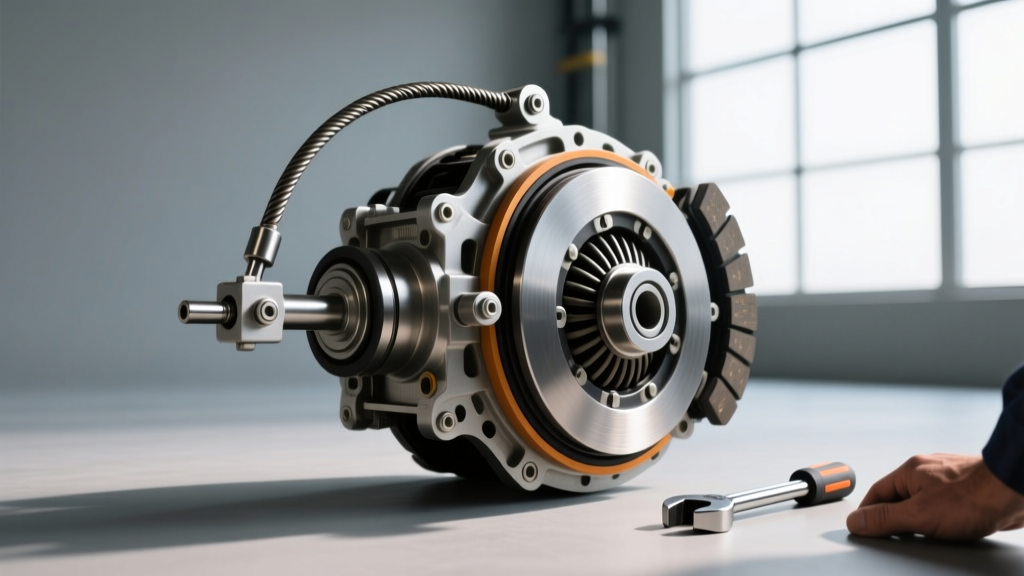
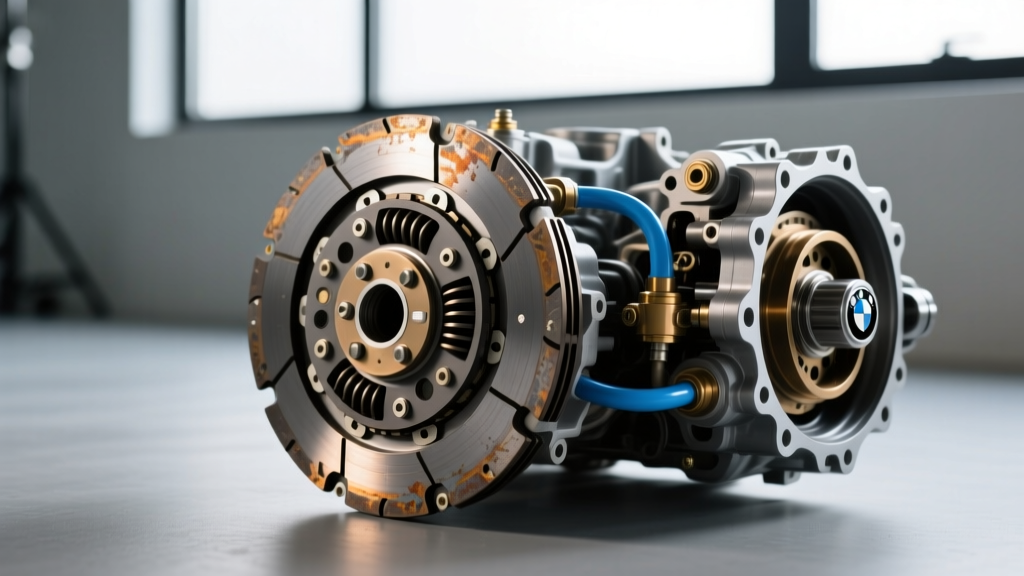
The BMW M3 dual clutch transmission, specifically the Getrag 7D36SG (often designated GS7-D36SG in BMW TIS documentation), represents a pinnacle of performance engineering. Utilized extensively in the E9x, F8x, and early G-series M platforms, this 7-speed wet dual-clutch transmission (DCT) relies on two oil-immersed multi-plate clutch packs. Clutch 1 manages the odd gears (1, 3, 5, 7) and Clutch 2 manages the even gears (2, 4, 6, Reverse). Because these clutches operate in a shared bath of specialized friction-modified fluid, their wear characteristics differ vastly from traditional dry manual clutches or torque converter automatics.
As we navigate the 2026 landscape, a massive wave of F80/F82 M3 and M4 chassis are crossing the 80,000 to 100,000-mile threshold. At this mileage, the sintered bronze and carbon friction materials on the clutch plates begin to lose their coefficient of friction. Unlike a manual transmission where pedal feel dictates wear, the M3 dual clutch requires a synthesis of telemetry analysis, fluid tribology, and physical symptom observation to accurately gauge remaining lifespan.
Telemetry Diagnostics: Reading INPA and ISTA Clutch Data
The most definitive method for assessing M3 dual clutch wear is not through the seat of your pants, but through the mechatronic unit's adaptation tables. The transmission control module (TCM) continuously monitors the rotational speed delta between the engine flywheel and the transmission input shafts. As friction material wears, the hydraulic solenoids must apply greater clamping force to prevent slip, which alters the Pulse Width Modulation (PWM) current sent to the clutch pressure valves.
Using BMW Standard Tools (INPA) or ISTA+, technicians can pull real-time clutch adaptation values. If you are tracking the health of an M3 dual clutch, you must monitor the following specific parameters:
- Kupplung_1_Druck / Kupplung_2_Druck (Clutch Pressure): Measured in bar. A healthy DCT typically requires between 4.0 and 8.0 bar to maintain lockup during steady-state cruising. If baseline pressures consistently exceed 12.5 bar just to maintain grip, the friction packs are severely degraded.
- Schlupf_K1 / Schlupf_K2 (Slip RPM): This measures the RPM difference between the engine and the input shaft. Under normal partial-throttle operation, slip should read 0 to 5 RPM. Sustained slip readings of 20-30 RPM under load indicate that the clutch adaptation limits are being exceeded.
- Solenoid Current (mA): The mechatronic unit regulates pressure via electrical current. Stock clutches typically require 400mA to 600mA for adequate clamping. When the TCM is forced to push >850mA to the solenoids to prevent slip, the system is nearing the end of its adaptation map and will soon trigger a 4F11 (Clutch Slip) fault code.
- Adaptation Status: Viewable in INPA under the Mechatronic status screen. The status will read "OK" when within factory tolerances, "Not OK" when approaching limits, and "Limit" when the TCM can no longer compensate for mechanical wear.
For deep-dive community troubleshooting and real-world INPA log sharing, the BimmerPost F80/F82 M3/M4 Technical Subforum remains an invaluable repository of baseline telemetry logs from both healthy and failing Getrag units.
Physical Symptoms of M3 Dual Clutch Degradation
While telemetry provides the empirical truth, physical drivability symptoms often prompt the initial diagnostic inquiry. The wet nature of the M-DCT means that wear symptoms manifest differently depending on the thermal state of the fluid and the specific gear engagement.
Low-Speed Judder and Shuddering
Often misdiagnosed as a failing dual-mass flywheel (DMF), low-speed shudder (typically between 5 mph and 15 mph in 1st or 2nd gear) is a primary indicator of clutch surface glazing. When the DCT is subjected to repetitive stop-and-go traffic, the friction material overheats and the binding resins melt slightly, creating a smooth, glassy surface. This prevents smooth micro-slip during engagement, resulting in a violent chattering sensation as the clutch attempts to grab.
High-RPM Slip and RPM Flares
If you apply wide-open throttle (WOT) in 3rd or 4th gear and observe the tachometer needle climb faster than the vehicle's rate of acceleration, you are witnessing mechanical slip. This occurs when the sheer torque output of the S55 or S65 engine overcomes the degraded clamping force of the worn friction plates. This is a critical failure precursor; continued WOT driving in this state will rapidly generate excessive metallic debris, contaminating the mechatronic valve body.
Thermal Limp Mode and Warning Messages
The Getrag 7D36SG features internal temperature sensors embedded near the clutch baskets. Worn clutches generate exponentially more friction heat due to micro-slipping. If the fluid temperature exceeds 135°C (275°F), the TCM will trigger a "Transmission Temp High" warning on the iDrive cluster and aggressively retard ignition timing or limit torque output to protect the remaining friction material.
Diagnostic Matrix: Symptom vs. Root Cause
To streamline the diagnostic process, use the following matrix to differentiate between mechanical clutch wear, fluid degradation, and mechatronic faults.
| Observed Symptom | Probable Root Cause | Diagnostic Verification Path |
|---|---|---|
| Violent shudder at 5-15 mph | Clutch surface glazing or contaminated fluid | Perform DCT fluid drain/fill; re-run clutch adaptation via ISTA. |
| RPM flares under WOT (3rd/4th gear) | Severe friction material depletion | Check INPA Schlupf (Slip) values; inspect fluid for heavy metallic/carbon particulate. |
| Delayed engagement into Reverse | Worn Clutch 2 pack or failing mechatronic adapter sleeve O-rings | Monitor Kupplung_2_Druck; inspect adapter sleeve (BMW P/N 28107840691) for leaks. |
| Harsh 2-3 or 4-5 upshifts | Mechatronic solenoid wear or fluid shear | Check fluid viscosity; perform solenoid PWM adaptation reset. |
Fluid Degradation and the Pentosin FFL-4 Factor
You cannot accurately diagnose M3 dual clutch wear without addressing the hydraulic medium. The Getrag 7D36SG requires a highly specific friction-modified fluid, universally known as Pentosin FFL-4 (BMW Part Number 83222446673). Standard dual-clutch fluids or generic ATF will destroy the wet clutch friction modifiers and cause immediate, catastrophic slip. Sourcing OEM-spec fluid from reliable distributors like FCP Euro's Pentosin FFL-4 DCT Fluid is non-negotiable.
The DCT fluid serves three purposes: hydraulic actuation for the mechatronic valves, lubrication for the gear sets, and thermal dissipation for the clutch packs. Over 40,000 miles, the fluid's shear stability breaks down, and the friction modifiers deplete. This causes the clutches to slip microscopically even when the TCM believes they are fully locked.
Service Specifications:
- Capacity: ~7.5 Liters (Dry Fill), ~5.5 Liters (Drain and Fill).
- Drain Plug Torque: 35 Nm.
- Fill Plug Torque: 40 Nm.
- Level Check Temperature: Fluid must be between 30°C and 40°C (86°F - 104°F) when checking the overflow level plug.
Expert Note: Before condemning a slipping clutch, always perform a fluid service and execute the "Clutch Adaptation" reset routine via ISTA. In roughly 30% of reported slip cases, degraded fluid and lost adaptation memory are the sole culprits, saving the owner a massive repair bill.
2026 Replacement Costs: OEM vs. Aftermarket Upgrades
If telemetry confirms that the adaptation limits are maxed out and physical slip persists after a fluid service, physical replacement is required. Unlike traditional manuals, the M3 dual clutch packs are buried deep within the transmission casing, requiring complete removal of the DCT, splitting of the bell housing, and specialized alignment tools to set the clutch stack clearance.
As of 2026, the pricing landscape for a Getrag 7D36SG clutch replacement is as follows:
- OEM Getrag Clutch Pack Assembly: $2,800 - $3,400 for parts.
- Aftermarket Performance Kits (e.g., Dodson Sportsman/Stage 1): $3,500 - $4,500. These kits utilize upgraded steel plates and higher-friction carbon composites, designed for M3s pushing 600+ WHP.
- Mechatronic Adapter Sleeve (BMW P/N 28107840691): ~$150. Mandatory replacement anytime the transmission is dropped, as the rubber O-rings flatten and cause internal hydraulic pressure drops that mimic clutch slip.
- Labor Rates: 12 to 16 hours. At specialized independent BMW shops ($150-$180/hr), expect labor to range from $1,800 to $2,800.
- Total Out-the-Door Cost: $5,500 to $8,500, depending on OEM vs. aftermarket parts selection and regional labor rates.
Proactive monitoring of your INPA clutch pressure values and adhering to a strict 30,000-mile Pentosin FFL-4 fluid interval remains the most cost-effective strategy to ensure your M-DCT survives well past the 120,000-mile mark.