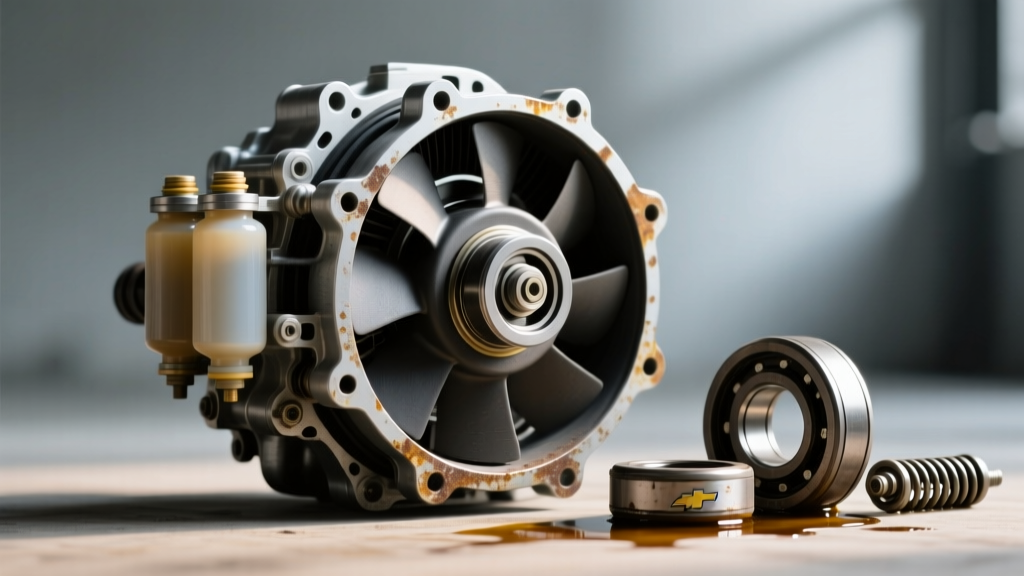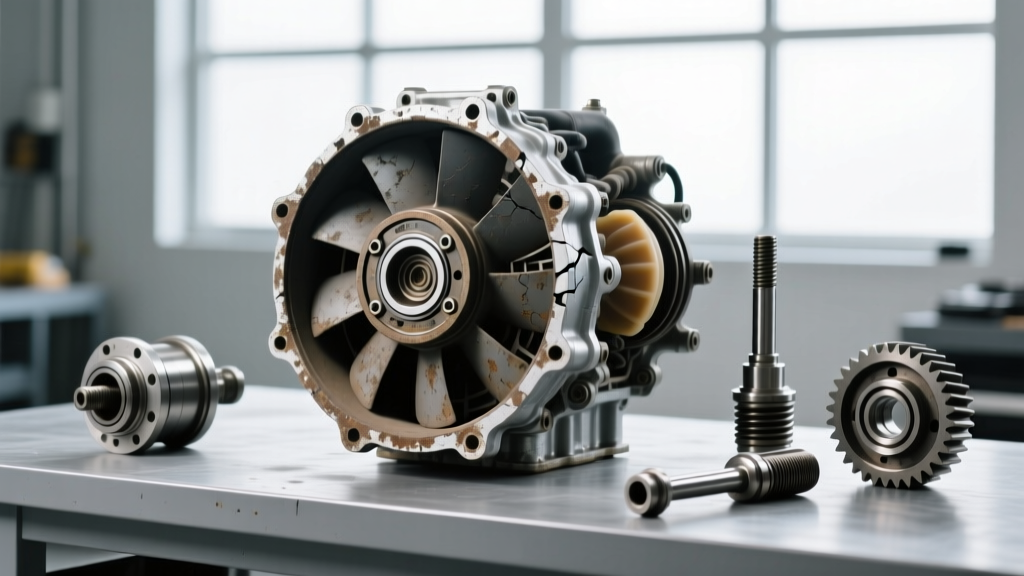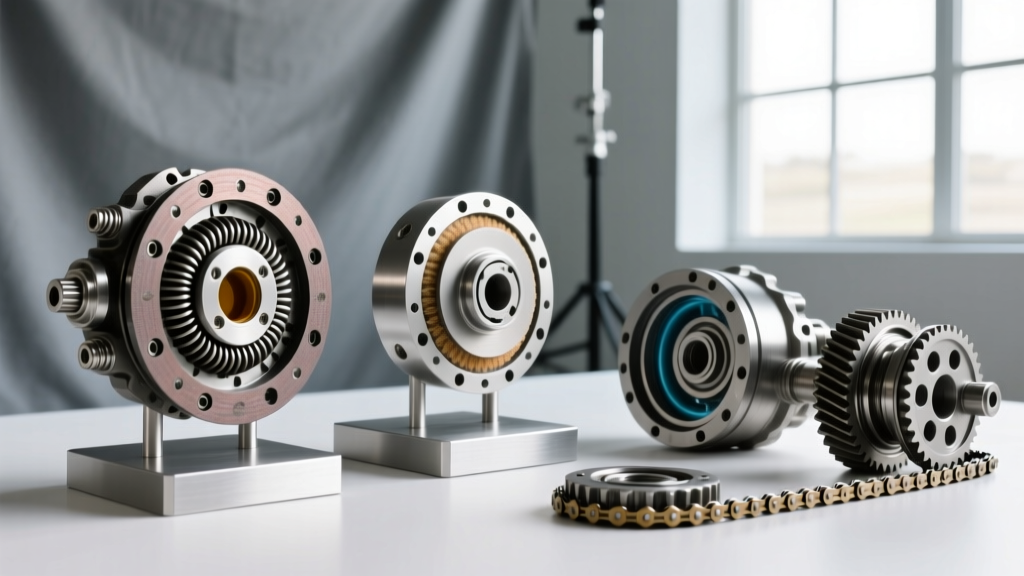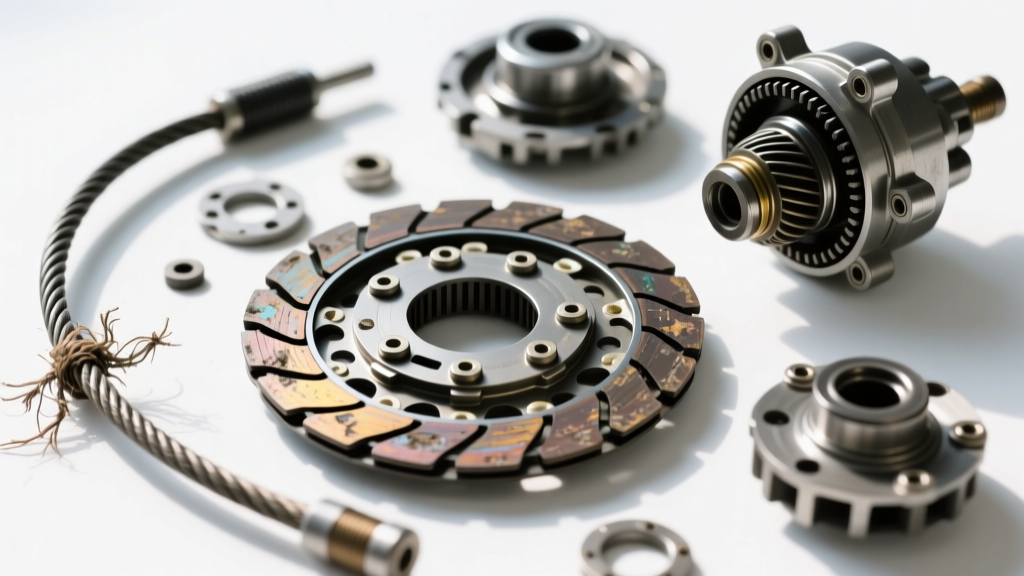
The Deceptive Symptom: Bowden Cable Stretch vs. Friction Plate Wear
When a rider experiences clutch slip, erratic engagement, or a stiff lever, the immediate assumption is often internal transmission failure. However, in a significant percentage of diagnostic cases, the root cause is external. Understanding the boundary between a necessary motorcycle clutch cable replacement and a full internal clutch pack rebuild is critical for accurate diagnostics and cost-effective repairs.
The traditional Bowden cable system relies on a braided steel inner wire sliding within a PTFE-lined outer housing. Over time, two distinct mechanical failures occur: the inner wire physically stretches under tensile load, and the outer housing liner compresses. This combined degradation alters the actuator arm geometry at the engine case. If the resulting free play drops below the OEM specification (typically 10-15mm measured at the lever ball), the clutch pushrod remains under constant preload. This prevents the pressure plate from fully seating against the friction discs, causing micro-slippage that rapidly glazes the friction material and mimics the symptoms of a worn clutch pack.
Cable Actuation vs. Hydraulic Systems: Why Cables Fail Differently
While modern liter bikes and premium ADV motorcycles have largely transitioned to hydraulic clutch actuation (using a master cylinder, braided lines, and a slave cylinder), millions of mid-weight, commuter, and dirt bikes still rely on the Bowden cable. The failure modes are entirely distinct. Hydraulic systems fail via fluid vaporization (boiling), seal degradation, or air ingress, resulting in a spongy lever and failure to disengage. Cable systems, conversely, fail via tensile stretch and liner compression, which subtly reduces the throw distance. This reduction in throw prevents the pressure plate from fully clamping the friction pack, causing slip under load rather than drag. Recognizing this fundamental difference is why a targeted motorcycle clutch cable replacement is so often the exact cure for high-RPM slip on cable-actuated models, whereas a hydraulic system would require a complete bleed and seal rebuild.
Quantifying Clutch Lifespan: Mileage and Hour Metrics
Before tearing down the engine case, establish the baseline lifespan of the friction materials. Clutch wear is not strictly mileage-dependent; it is dictated by thermal cycles, slip events, and material composition. Modern friction materials range from organic paper-based composites to sintered bronze and Kevlar-reinforced compounds.
| Application | Average Lifespan | Primary Wear Factor | Common Material |
|---|---|---|---|
| Commuter / Touring | 40,000 - 70,000 miles | Stop-and-go slip events | Organic / Paper |
| Supersport / Track | 15 - 25 hours | High-RPM launch thermal degradation | Kevlar / Carbon |
| Motocross / Enduro | 5 - 15 hours | Aggressive dirt contamination & slip | Sintered / Cork |
If your motorcycle falls well within these parameters and is exhibiting slip, a motorcycle clutch cable replacement or simple adjustment should be your first diagnostic step.
Step-by-Step Diagnostic: Isolating the Cable from the Pack
To determine if the issue is external (cable) or internal (pack), follow this isolation protocol:
1. Measure Lever Free Play
Using a steel ruler, measure the distance the lever ball travels before resistance is felt. The universal baseline is 10-20mm. If free play is zero, the throwout bearing is riding the pressure plate. Adjust the barrel adjuster or actuator arm. If the cable cannot hold adjustment due to stretched strands or a frayed housing, immediate replacement is required.
2. Inspect the Actuator Arm Geometry
Locate the clutch actuator arm on the engine case. When the clutch is fully engaged (lever released), the arm should sit at the specific angle dictated by the service manual (often aligned with a cast reference mark). If the arm is pulled forward despite correct lever free play, the internal pushrod may be warped, or the pressure plate springs have collapsed.
3. The RPM Drop Test
With the motorcycle in gear and the rear wheel elevated (on a paddock stand), slowly release the lever while applying mild throttle. If the engine RPM drops immediately and the wheel stalls, the clutch pack is gripping. If the RPM hangs or climbs while the wheel speed does not proportionally increase, the friction material is glazed or worn past the service limit.
Internal Wear Indicators: When a Cable Replacement Isn't Enough
If you have performed a motorcycle clutch cable replacement with a high-quality OEM or aftermarket unit (such as those from Motion Pro) and properly set the free play, but slippage persists, the transmission must be opened. Look for these definitive internal failure modes:
- Basket Notching: Aluminum inner hubs and outer baskets develop deep grooves where the friction and steel plate tabs rest. This prevents the plates from separating cleanly, causing clutch drag rather than slip. Upgrading to a billet steel insert or a complete hard-anodized basket from manufacturers like Hinson or Wiseco is the only permanent fix.
- Spring Sag: Clutch springs lose their temper due to extreme heat. Measure the free length of the springs with digital calipers. For example, a typical 600cc supersport spring may have a standard length of 45.5mm and a service limit of 42.0mm. If any spring falls below the limit, the entire set must be replaced.
- Steel Plate Bluing: The steel separator plates should be silver. If they exhibit a blue or purple heat discoloration, the clutch has experienced catastrophic thermal failure. These warped plates will destroy new friction discs within hours.
The Ultimate Verification: Measuring Clutch Pack Stack Height
The most objective diagnostic metric for internal wear is the clutch pack stack height. This eliminates the guesswork of visual inspection. Remove the friction and steel plates, stack them in their alternating order on a clean bench, and compress them slightly to remove air gaps. Measure the total thickness using digital calipers.
Technical Example: On a Yamaha MT-07 (CP2 engine), the standard clutch pack stack height is 69.0mm to 71.0mm. If your measurement reads 67.5mm, the friction material is physically gone. No amount of cable adjustment will restore engagement.
Always consult the factory service manual for your specific model's stack height and warpage limits for the steel plates (typically 0.1mm to 0.3mm maximum runout). For premium replacement friction materials, EBC Brakes offers the CK and SRC series, which provide exact OEM thickness tolerances and superior thermal resistance.
Cost Breakdown: Cable Adjustment vs. Full Rebuild
Understanding the financial implications of these diagnostics helps prioritize your repair strategy. Below is a 2026 market estimate for common clutch system components and labor.
| Component / Service | Estimated Cost (Parts) | Diagnostic Implication |
|---|---|---|
| OEM Clutch Cable | $35 - $65 | First-line fix for stretch/fray |
| Aftermarket Heavy-Duty Cable | $80 - $140 | Resolves recurring stretch issues |
| OEM Friction Plate Kit | $70 - $130 | Required if stack height is low |
| Heavy-Duty Clutch Springs | $25 - $45 | Required if spring sag is detected |
| Billet Clutch Basket (Complete) | $500 - $850 | Required for severe basket notching |
| Shop Labor (Clutch Rebuild) | $300 - $600 | Varies by engine accessibility |
Final Diagnostic Synthesis
Never assume internal transmission failure without first verifying the external actuation system. A degraded Bowden cable alters the mechanical advantage of the lever, starving the pressure plate of clamping force. By methodically measuring lever free play, verifying actuator arm geometry, and ultimately measuring the clutch pack stack height, you can confidently determine whether a simple motorcycle clutch cable replacement will solve the issue, or if the engine cases must be split for a comprehensive drivetrain overhaul. For further reading on baseline maintenance intervals, refer to the technical guides at RevZilla Common Tread.