Why Your ATV or Motorcycle Clutch Isn't Like a Standard Car Clutch
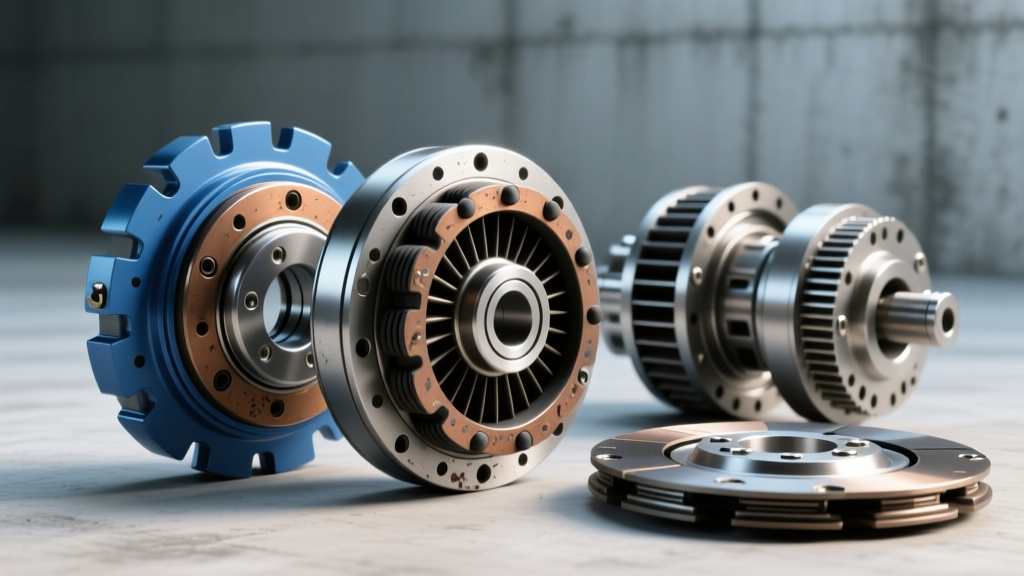
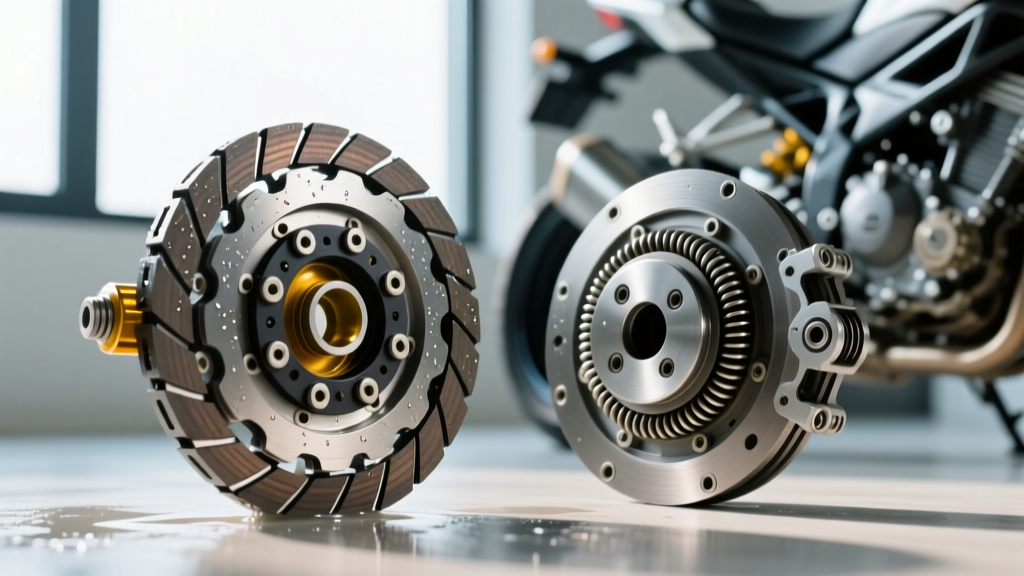
If you are coming from the automotive world, diagnosing powersports drivetrains can feel like learning a new language. When you press the pedal on a standard manual transmission vehicle, you are actuating a dry, single-plate car clutch system. This setup relies on a heavy flywheel, a pressure plate, and a single large friction disc. In stark contrast, almost all modern motorcycles and ATVs utilize a wet multi-plate clutch system. Instead of one large disc, powersports engines use a stack of alternating friction and steel plates bathed in engine oil, compressed by a series of small coil springs.
Because the clutch shares oil with the engine and transmission in most dirt bikes, street motorcycles, and ATVs (like the Honda TRX400EX or Polaris Sportsman), the failure modes, symptoms, and diagnostic procedures are entirely unique. Understanding these differences is the first step to mastering powersports clutch diagnostics. In this beginner-friendly guide, we will break down the most common symptoms, the critical role of lubrication, and the exact measurements you need to diagnose and fix your ride.
The Anatomy of a Wet Multi-Plate Clutch
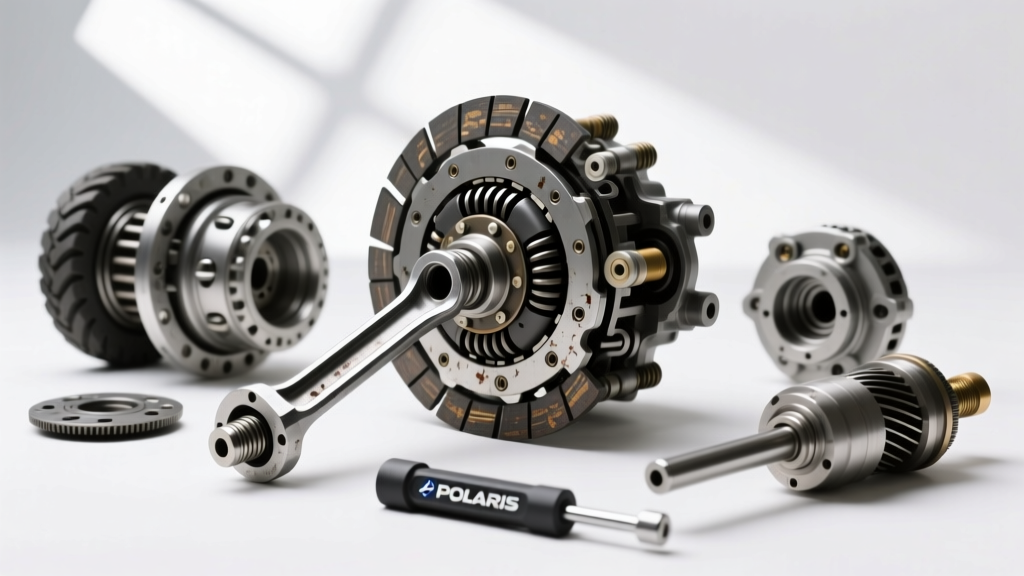
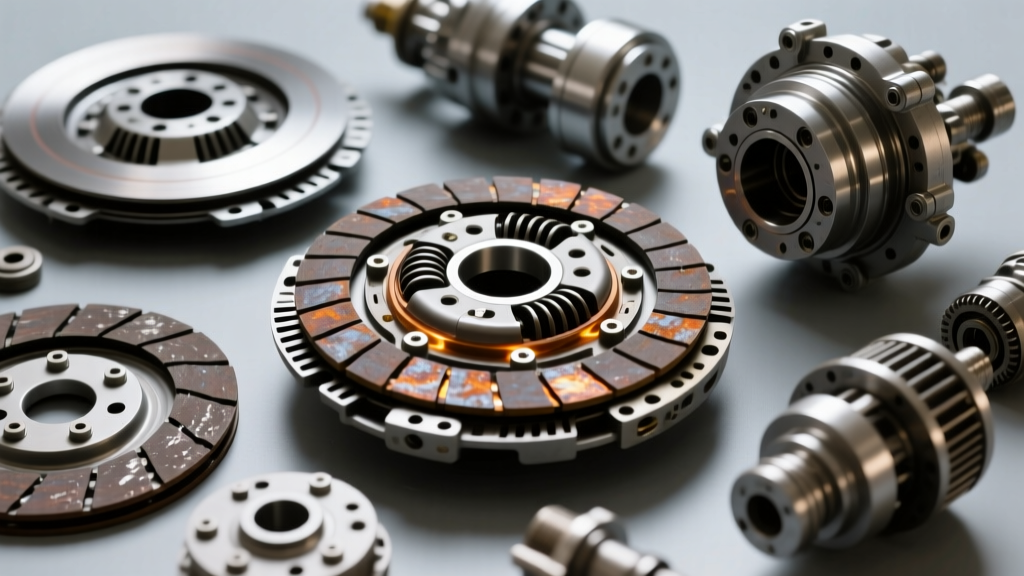
Before diagnosing a problem, you need to know what is inside the clutch cover. A typical wet clutch assembly consists of:
- Friction Plates: Usually 6 to 10 plates coated with a high-friction material (cork, Kevlar, or carbon fiber) with inner tangs that lock into the clutch center (hub).
- Steel (Drive) Plates: Uncoated or slightly treated steel plates with outer tangs that lock into the clutch basket.
- Clutch Basket: The aluminum outer housing driven by the crankshaft, featuring fingers that hold the steel plates.
- Pressure Plate & Springs: The outermost plate that clamps the stack together using 4 to 6 coil springs.
When you pull the lever, a pushrod separates the pressure plate, releasing tension on the stack and allowing the plates to slip freely. When you release the lever, the springs clamp the stack, locking the engine to the transmission.
The 3 Most Common Motorcycle and ATV Clutch Symptoms
1. Slipping Under Heavy Load (The 'Bog' Effect)
The Symptom: You are riding up a steep hill or accelerating hard out of a corner on your Yamaha YZ450F. The engine RPMs surge, but the vehicle speed does not increase proportionally. It feels like the engine is 'bogging' or losing connection to the rear wheel.
The Diagnosis: Clutch slip in a wet system is almost always caused by worn friction plates, fatigued clutch springs, or the wrong engine oil. Unlike a dry car clutch that might slip due to oil contamination from a rear main seal, a wet clutch relies on specific friction coefficients.
The Fix & Specs: You must measure the friction plates with a caliper. For example, a Honda CRF450R has a new friction plate thickness standard of 3.0mm. The service limit is 2.6mm. If any plate is below 2.6mm, the entire stack must be replaced. Additionally, measure the clutch springs. If the free length has sagged below the manufacturer's service limit (often around 49.0mm), they can no longer provide adequate clamping force.
2. Clutch Chatter and Aggressive Grabbing
The Symptom: When easing out of the clutch lever at low speeds, the ATV or motorcycle jerks violently. The engagement feels 'grabby' rather than smooth and progressive.
The Diagnosis: This is rarely a friction plate issue. Chatter in motorcycles and ATVs is typically caused by a notched clutch basket or warped steel plates. Over time, the steel plates hammer against the soft aluminum fingers of the clutch basket, creating deep grooves (notches). When you pull the lever, the friction plates hang up in these notches instead of sliding apart smoothly, causing a sudden, violent release when they finally break free.
The Fix & Specs: Remove the clutch basket and run your fingernail along the fingers. If you feel deep grooves, you have two choices: carefully file the notches flat with a half-round file (a temporary, budget-friendly fix), or replace the basket. Upgrading to a billet aluminum basket (like a Hinson or Wiseco unit, typically $250-$350) is the permanent solution for hard-ridden ATVs and dirt bikes.
3. Clutch Dragging (False Neutral and Creeping)
The Symptom: The motorcycle creeps forward even with the clutch lever fully pulled in. Alternatively, finding neutral while the engine is running is nearly impossible, and shifting into first gear produces a loud, violent 'clunk'.
The Diagnosis: Dragging means the clutch is not fully disengaging. The most common beginner mistake is improper cable free-play. If the cable is too tight, the pressure plate is never allowed to fully clamp, leading to slip, but if the cable mechanism is binding or out of adjustment, it may not pull the plates far enough apart. Another major cause is warped steel plates or friction plates that have swelled due to overheating.
The Fix & Specs: First, check your lever free-play. You should have exactly 1/8 to 1/4 inch of free-play at the tip of the clutch lever before you feel resistance. If the cable adjustment is correct, you must pull the clutch pack and check the steel plates for runout using a feeler gauge on a flat glass surface. Replace any warped steels.
The Silent Killer: Automotive Oil in Wet Clutches
One of the most frequent causes of sudden clutch slip in ATVs and motorcycles is the use of standard automotive oil. Modern car oils (API SN or SP ratings) are formulated with friction modifiers—often molybdenum-based compounds—designed to reduce internal engine friction and improve fuel economy in vehicles with dry car clutch systems and separate transmissions.
If you pour standard 10W-30 car oil into a shared-sump motorcycle or ATV engine, those friction modifiers will coat the wet clutch plates, destroying their coefficient of friction and causing immediate, severe slipping. You must exclusively use oils certified with the JASO MA or MA2 standard. JASO MA2 oils are specifically formulated without friction modifiers to ensure wet clutch plates grip properly under high-shear conditions.
Diagnostic & Repair Cost Matrix
Use this table to quickly estimate the parts and costs required for your specific symptom.
| Symptom | Primary Cause | Required Parts | Estimated DIY Cost |
|---|---|---|---|
| Slipping under load | Worn friction material / weak springs | EBC CK Friction Plates, Barnett Springs | $85 - $130 |
| Chatter / Grabbing | Notched basket / warped steels | OEM Steel Plates or Hinson Billet Basket | $90 - $350 |
| Dragging / Creeping | Cable tension / warped plates | New Cable, OEM Steels | $40 - $120 |
| Sudden total slip | Wrong oil (API SN car oil used) | JASO MA2 Oil, Filter, Flushing solvent | $45 - $75 |
Step-by-Step Beginner Rebuild Protocol
If your diagnostics point to worn plates, follow these professional assembly steps to ensure longevity:
- Pre-Soak the Friction Plates: Never install dry friction plates. Submerge them in a pan of fresh JASO MA2 oil for at least 1 to 2 hours before assembly. Installing them dry will cause immediate glazing and burning upon the first startup.
- Inspect the Pushrod: Check the small bearing and pushrod behind the pressure plate. A worn pushrod bearing will cause uneven pressure plate lift, leading to premature wear.
- Torque the Spring Bolts Correctly: The small M6 bolts holding the clutch springs are highly prone to stripping or vibrating loose. Torque them to exactly 7-10 Nm (62-88 in-lbs) and apply a drop of Blue Loctite 242. Do not use an impact driver.
- Secure the Center Nut: The main clutch hub nut (often M16 or M18) requires a specialized clutch holding tool to prevent the basket from spinning. Torque this nut to 55-80 Nm (40-59 ft-lbs), referencing your specific service manual.
Pro-Tip from the Bench: When reinstalling the clutch cover, always replace the paper gasket and lightly coat it with a non-hardening sealant if the mating surfaces are pitted. A leaking clutch cover will drain your shared engine oil, leading to catastrophic top-end engine failure on a motorcycle or ATV.
Final Thoughts on Powersports Drivetrains
Diagnosing a motorcycle or ATV clutch requires a shift in mindset from automotive repair. By understanding the shared-sump wet design, respecting the JASO MA2 oil requirement, and using precise caliper measurements rather than 'eyeballing' wear, you can confidently tackle clutch issues at home. For deeper dives into specific model tear-downs, resources like RevZilla's Common Tread and Barnett Clutches Tech Info offer excellent visual guides and model-specific spring rate charts to help you tune your clutch lever feel perfectly.