Introduction to Two-Wheel and Off-Road Drivetrains
Whether you are tearing up the trails on a Yamaha YZ250, navigating rocky terrain on a Honda TRX450R, or commuting on a Kawasaki Ninja, the clutch is the critical bridge between your engine's rotational force and the rear wheel. For beginners, understanding how motorcycle clutch works is the first step toward mastering bike control and performing essential maintenance. Unlike the dry, single-plate clutches found in most manual cars, motorcycles and sport ATVs predominantly use wet multi-plate clutch systems. This design offers incredible durability and heat dissipation but introduces unique failure modes and diagnostic quirks.
In this 2026 beginner-friendly guide, we will break down the mechanics of the wet clutch, identify the most common ATV and motorcycle clutch symptoms, and provide actionable troubleshooting steps complete with real-world torque specs and repair costs.
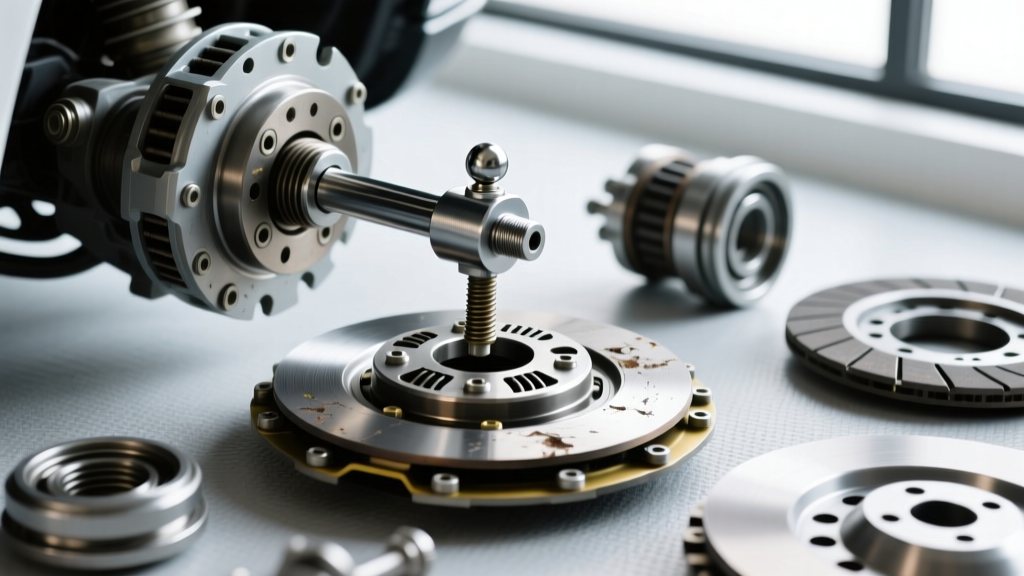
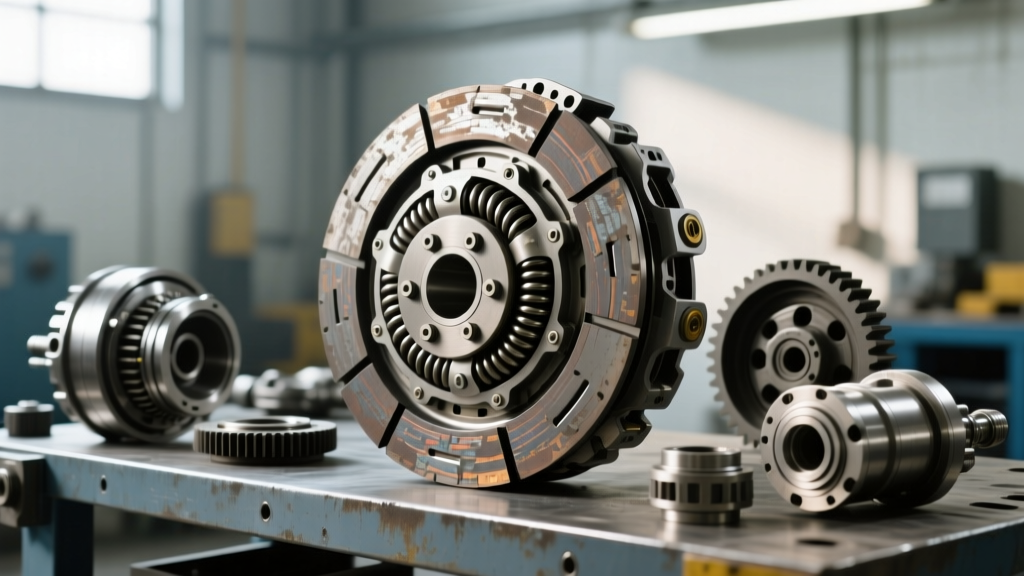
The Anatomy of a Wet Multi-Plate Clutch
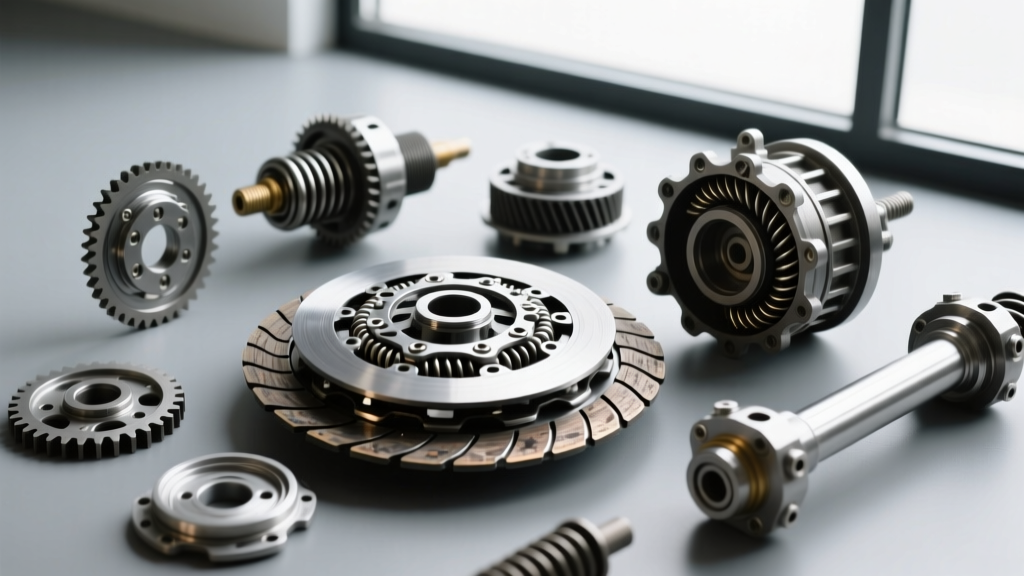
Before diagnosing a problem, you need to know what you are looking at inside the clutch cover. A typical manual motorcycle or sport ATV clutch consists of five main components:
- Clutch Basket (Outer Hub): Driven by the engine's primary gear. It has splines on the inside.
- Inner Hub: Splined to the transmission's input shaft. It features splines on the outside.
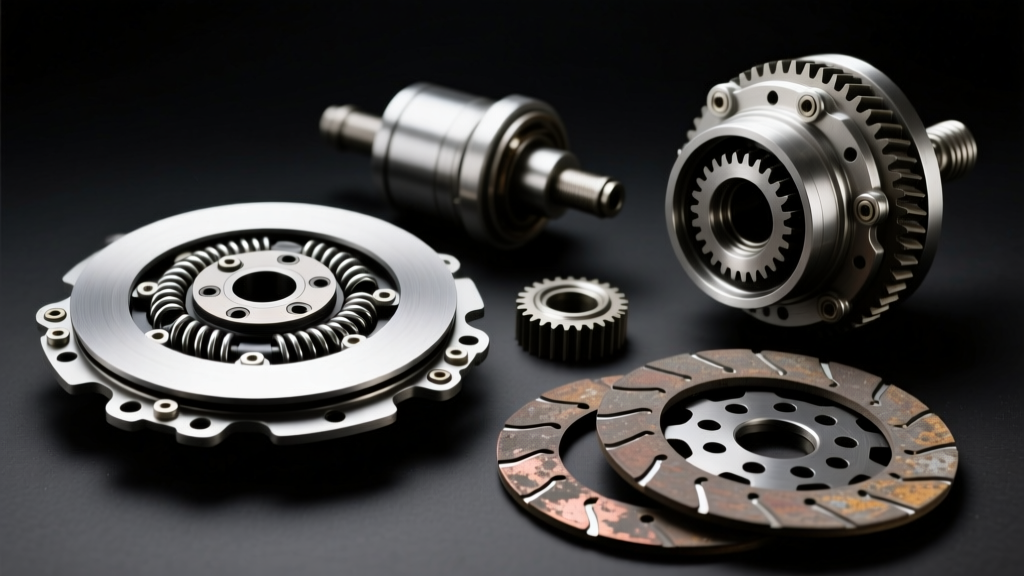
- Friction Plates: Coated with a high-friction material (cork, Kevlar, or carbon fiber) with tabs on the outside that lock into the clutch basket.
- Steel Drive Plates: Smooth steel rings with internal teeth that lock onto the inner hub.
- Pressure Plate and Springs: Bolted to the inner hub, these springs clamp the alternating stack of friction and steel plates together to transfer power.
How Motorcycle Clutch Works: The Engagement Cycle
When you release the clutch lever, the heavy clutch springs compress the alternating stack of friction and steel plates into a single solid mass. Because the friction plates are locked to the engine-driven basket and the steel plates are locked to the transmission hub, engine power is transferred directly to the gearbox. When you pull the lever, a pushrod actuates the pressure plate, compressing the springs and creating microscopic gaps between the plates. The engine can then spin independently of the transmission, allowing you to shift gears or come to a stop without stalling.
Expert Note: Because these plates operate in an oil bath (hence 'wet clutch'), you must never use standard automotive motor oil. Auto oils contain friction modifiers (like molybdenum) designed to improve fuel economy, which will cause a motorcycle clutch to slip instantly. Always use oil certified to JASO MA or MA2 standards.
Top 3 Motorcycle and ATV Clutch Symptoms
When the system begins to fail, it usually manifests in one of three distinct ways. Recognizing these symptoms early can save you from being stranded on a trail or damaging your transmission.
1. Clutch Slipping Under Load
The Symptom: You are climbing a steep hill or accelerating hard out of a corner. You twist the throttle, the engine RPMs scream and climb rapidly, but your actual speed barely increases. The clutch is failing to maintain its grip.
The Culprits: Worn friction plates, fatigued (sagged) clutch springs, incorrect oil type, or a clutch cable that is too tight (leaving no free play, which slightly separates the plates even when the lever is released).
2. Clutch Chatter and Grabbing
The Symptom: When easing out from a dead stop, the bike or ATV doesn't accelerate smoothly. Instead, it violently jerks, hops, or 'grabs' in an on-off manner. This is especially dangerous on technical off-road terrain.
The Culprits: Warped steel drive plates, contaminated oil (coolant mixing with engine oil due to a blown water pump seal), or severe notching in the aluminum clutch basket that prevents the plates from sliding smoothly apart and together.
3. Clutch Drag (Failing to Disengage)
The Symptom: You pull the clutch lever all the way to the handlebar and try to click into first gear. The bike lurches forward violently, or it creeps forward even with the lever fully pulled in, making neutral hard to find.
The Culprits: Excessive cable free play, air in a hydraulic clutch line, warped plates sticking together due to heat, or a grooved inner hub.
Diagnostic Matrix: Symptoms, Causes, and Costs
Use this quick-reference table to narrow down your diagnosis and estimate your 2026 repair budget.
| Symptom | Primary Suspect | Quick Diagnostic Check | Estimated Repair Cost |
|---|---|---|---|
| Slipping (High RPM, Low Speed) | Worn Friction Plates / Weak Springs | Check lever free play; measure plate thickness with calipers. | $120 - $250 (OEM Plates + Springs) |
| Chatter (Jerky Low-Speed Engagement) | Notched Clutch Basket / Warped Steels | Remove cover; drag a fingernail across basket splines for grooves. | $50 (Steels) to $400 (Billet Basket) |
| Drag (Creeping / Hard Shifting) | Cable Stretch / Hydraulic Air | Measure free play at lever perch; check fluid level and bleed line. | $15 (New Cable) or $0 (Bleed Kit) |
| Spongy Lever Feel (Hydraulic Only) | Air in System / Worn Master Cylinder | Pump lever; look for bubbles in reservoir or fluid weeping at banjo bolts. | $40 - $150 (Rebuild Kit or New MC) |
Beginner Troubleshooting: Adjustments Before Teardowns
Before you drain the oil and crack open the engine cases, always rule out external adjustment issues. Over 50% of perceived 'clutch failures' are actually just improper cable or hydraulic setups.
Cable-Actuated Systems: The 2-3mm Rule
Manual dirt bikes and older ATVs use a steel cable. As the friction plates wear down over time, the cable effectively becomes 'too long,' requiring you to adjust the barrel adjuster at the lever perch. You must maintain exactly 2mm to 3mm of free play (about 1/8th of an inch) at the tip of the lever before you feel resistance. If there is zero free play, the cable is constantly pulling the pressure plate, causing slipping and rapid wear. If there is too much play, the clutch will drag.
Hydraulic Systems: Bleeding and Fluid Specs
Modern motocrossers and high-end ATVs (like the KTM 450 SX-F or Yamaha YFZ450R) use hydraulic master cylinders. If your lever feels 'spongy' or travels to the bar without disengaging, you likely have air in the line. Bleeding a hydraulic clutch is identical to bleeding brakes. Ensure you are using the correct fluid: most Japanese bikes use DOT 4 brake fluid, while many European brands (KTM, Husqvarna) use Mineral Oil (such as Magura Blood). Mixing these will destroy the rubber seals in your master and slave cylinders.
Measuring Wear: Calipers and Torque Specs
If adjustments fail, it is time to inspect the internals. You will need a set of digital calipers and a factory service manual. According to technical documentation from EBC Brakes and Clutches, measuring the friction stack is the only definitive way to diagnose wear.
- Friction Plate Thickness: A brand new plate typically measures between 3.0mm and 3.2mm. The factory service limit is usually around 2.6mm to 2.7mm. If your plates measure 2.8mm, they may look fine to the naked eye, but they are already causing slip under heavy load.
- Clutch Spring Free Length: Springs lose tension over time due to extreme heat cycles. A spring that measures 44mm new might have a service limit of 41mm. If they are compressed below the limit, replace the entire set.
- Steel Plate Warpage: Place a steel drive plate on a piece of plate glass and try to slide a 0.10mm feeler gauge underneath. If it slides under, the plate is warped and causing chatter.
Crucial Torque Spec Warning: When reinstalling the clutch components, the inner hub nut (clutch center nut) must be torqued precisely. For example, on a Honda CRF450R, this nut requires 59 ft-lbs (80 Nm). Under-torquing this nut will allow the inner hub to wobble, destroying your transmission input shaft bearings and causing catastrophic engine failure.
OEM vs. Aftermarket Upgrades
When it is time to replace your clutch pack, you have options. OEM plates are excellent for trail riding and general street use, typically costing $15 to $22 per plate. However, if you are racing, riding aggressive ATV motocross, or running a big-bore engine kit, you should look into aftermarket upgrades.
Brands like Barnett Clutches offer Carbon Fiber and Kevlar friction plates that can withstand significantly higher temperatures before fading. A complete Barnett Carbon Fiber clutch kit (friction plates, steels, and heavy-duty springs) typically ranges from $250 to $350. For riders suffering from notched clutch baskets, upgrading to a CNC-machined billet aluminum basket (like those from Hinson Racing, priced around $350-$450) will permanently solve chatter issues and improve oil flow for cooler operation.
Conclusion
Mastering how motorcycle clutch works and learning to diagnose ATV clutch problems empowers you to keep your machine running flawlessly. By maintaining proper lever free play, strictly using JASO MA2 certified oils, and measuring your friction stack with digital calipers rather than guessing, you can extend the life of your drivetrain and ensure crisp, predictable shifts on every ride. For more in-depth transmission teardowns and torque specifications, always consult your specific model's factory service manual or reach out to trusted community resources like RevZilla's Common Tread tech guides.