The Core Difference: Wet Multi-Plate vs. GM Clutch Fork
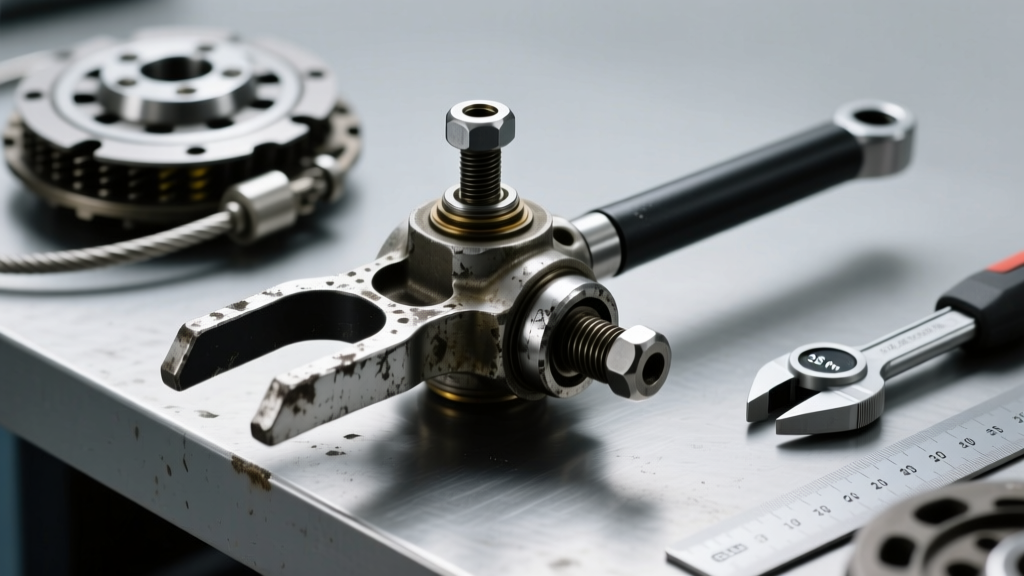
If you are transitioning from wrenching on cars and trucks to maintaining off-road machines, the clutch system is the first place you will notice a massive engineering divide. When diagnosing drivetrain issues in a classic Silverado or a Camaro, you are likely dealing with a traditional dry, single-plate setup actuated by a GM clutch fork. This external lever pivots on a ball stud, pushing a throwout bearing against a pressure plate to disengage the clutch. It is a robust, high-leverage mechanical system designed for heavy torque loads.
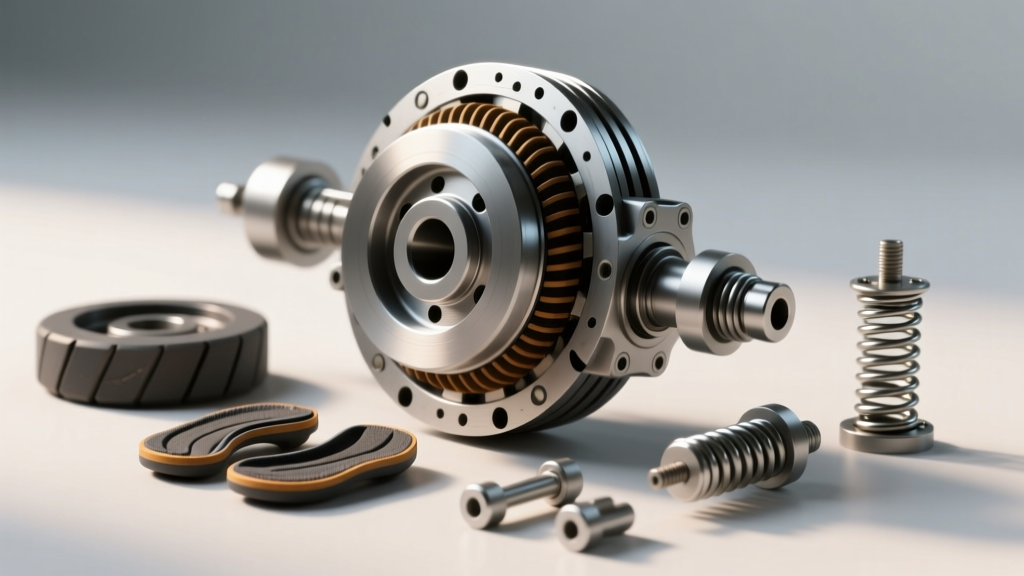
Motorcycles and ATVs, however, operate in a completely different mechanical universe. Instead of a GM clutch fork and a single dry friction disc, powersports vehicles use an internal, wet, multi-plate clutch system bathed in engine oil. Understanding this fundamental difference is the key to accurately diagnosing clutch problems specific to motorcycles and ATVs. In this beginner-friendly explainer, we will break down the most common powersports clutch symptoms, why they happen, and how the diagnostic approach contrasts with automotive V8 platforms.
Top 4 Motorcycle and ATV Clutch Symptoms Explained
1. Clutch Slipping Under Load (Basket Notching)
The Symptom: You pin the throttle on your Yamaha YZ450F or Polaris RZR out of a corner, the engine RPMs skyrocket, but the vehicle barely accelerates.
The Cause: Unlike a GM clutch fork system where slipping usually means a worn friction disc or a weak pressure plate, motorcycle slipping is often caused by 'basket notching.' The outer aluminum clutch basket has tangs that the friction plates slide into. Over time, the repeated impact of the steel plates hammers grooves (notches) into these soft aluminum tangs. When you pull the lever, the friction plates get stuck in these notches and fail to separate, or conversely, they fail to clamp evenly under load, causing slip.
The Fix: Inspect the basket. If notches are deep enough to catch a fingernail, the basket must be replaced. Upgrading to a CNC-machined hard-anodized billet basket (like the Hinson BCT-F450-1, typically around $320) eliminates this failure point permanently.
2. Lever Pull is Too Stiff or Grabbing
The Symptom: The clutch lever feels incredibly stiff, or the engagement point is abrupt and 'grabby,' causing the front end to dive or the rear tire to chirp.
The Cause: In a GM truck, a stiff pedal usually points to a binding GM clutch fork pivot ball or a failing hydraulic slave cylinder. On a motorcycle or ATV, this is almost always a cable friction issue or improper lubrication. If your machine uses a hydraulic system (common on modern KTMs and high-end ATVs), air in the line or degraded DOT fluid can cause erratic engagement. Additionally, using the wrong oil—such as standard automotive 5W-30 with friction modifiers instead of a JASO MA2 certified 10W-40—will cause the friction plates to grab unpredictably.
The Fix: Replace the cable and lubricate the routing sheath. For hydraulic systems, bleed the master cylinder using fresh DOT 4 or DOT 5.1 fluid. Always verify your engine oil meets JASO MA/MA2 standards to ensure proper friction coefficient.
3. Failure to Disengage (Clutch Drag)
The Symptom: You pull the lever to the handlebar, but the bike still creeps forward in gear, or it is incredibly difficult to find neutral while the engine is running.
The Cause: While a misadjusted GM clutch fork pushrod or worn throwout bearing causes similar symptoms in cars, motorcycles suffer from warped steel plates or swollen friction material. If the bike was laid over, overheated, or if the oil level dropped too low, the steel separator plates can warp. When warped, they drag against the friction plates even when the pressure plate springs are fully extended.
The Fix: Disassemble the clutch pack. Place the steel plates on a perfectly flat glass surface and attempt to slide a 0.006-inch feeler gauge underneath. If it slides under, the plate is warped and must be replaced. An OEM Honda steel plate kit (e.g., 22361-KSZ-T00) usually costs between $80 and $120.
4. Chatter and Vibration at Engagement
The Symptom: A violent shuddering through the handlebars or footpegs when slowly releasing the lever to start moving.
The Cause: Automotive clutch chatter is often traced to a broken motor mount or a contaminated flywheel. In powersports, chatter is caused by uneven wear on the friction plates, broken clutch spring coils, or a notched inner clutch hub (the splined center piece that holds the steel plates). When the inner hub splines develop grooves, the plates bind and release in rapid succession as the clutch engages.
Diagnostic Comparison Chart: ATV/Moto vs. GM Truck
| Feature | Motorcycle / ATV Wet Clutch | GM Clutch Fork (Dry Single-Plate) |
|---|---|---|
| Actuation Method | Cable pull-rod or internal hydraulic pushrod through mainshaft | External GM clutch fork pivoting on a ball stud |
| Friction Material | Multi-plate paper/cork composite bathed in engine oil | Single large organic or ceramic disc (dry) |
| Primary Failure Point | Aluminum basket notching, inner hub grooving, warped steels | Throwout bearing wear, fork pivot ball galling, slave cylinder leaks |
| Adjustment Style | Cable barrel adjuster or pushrod screw inside the pressure plate | Hydraulic self-adjusting or threaded pushrod at the fork |
| Average Rebuild Cost | $150 - $450 (Baskets, plates, springs, gaskets) | $400 - $1,200+ (Requires transmission removal) |
Essential Torque Specs and Part Numbers
Working on powersports clutches requires specific tools and adherence to precise torque specifications. Unlike a GM clutch fork which simply bolts to the outside of a bellhousing, accessing a motorcycle clutch requires removing the outer engine cover and unbolting the clutch center nut, which holds the entire assembly onto the transmission mainshaft.
- Clutch Holding Tool: You cannot use an impact wrench to remove the center nut without risking damage to the transmission gears. Use a dedicated clutch holding tool, such as the Motion Pro 08-0135 (approx. $35), which locks the inner and outer hubs together.
- Honda CRF450R Center Nut: Torque spec is exactly 54 lb-ft (73 Nm). Always apply a medium-strength threadlocker (Loctite 242) to the threads before installation.
- Yamaha YZ450F Center Nut: Torque spec is 58 lb-ft (78 Nm). Use a new crush washer every time you remove the nut.
- Friction Plate Soaking: Before installing new friction plates (like the EBC CK Series), they must be soaked in the exact engine oil you plan to use for at least 2 hours. Installing them dry will cause immediate glazing and severe clutch chatter upon first startup.
Step-by-Step Beginner Troubleshooting Workflow
Before you tear down the engine cases, follow this beginner-friendly diagnostic workflow to isolate the issue:
- Check the Free Play: Measure the lever free play at the tip of the lever. It should be between 10mm and 15mm. Too little free play keeps the clutch slightly disengaged (causing slip); too much prevents full disengagement (causing drag).
- Inspect the Cable/Fluid: Disconnect the cable at the engine case and pull it by hand. If it binds, replace it. For hydraulics, check the sight glass for dark, contaminated fluid.
- Verify Oil Viscosity and Type: Drain a small amount of oil. If it smells burnt or looks metallic, the clutch has been slipping and overheating. Ensure you are using JASO MA2 oil, never 'Energy Conserving' automotive oils.
- Pull the Cover: If external adjustments fail, drain the coolant and oil, remove the right-side clutch cover, and measure the friction plates with calipers. Compare the stack height to the service manual limits (typically a minimum of 3.0mm per plate for most 450cc dirt bikes).
Summary: Respecting the Architecture
While a traditional GM clutch fork relies on brute mechanical leverage and heavy-duty hydraulic pressure to manage a single, massive friction disc, motorcycle and ATV clutches rely on the precise stacking of multiple plates, exact spring pressures, and the chemical properties of the engine oil itself. By understanding basket notching, proper JASO MA2 fluid selection, and strict torque specifications, you can diagnose and repair powersports clutch problems with the same confidence you would bring to a V8 truck swap. For more in-depth guides on powersports and automotive drivetrains, continue exploring the expert tech resources available to modern mechanics.