The Wet Multi-Plate Clutch: A Beginner’s Primer
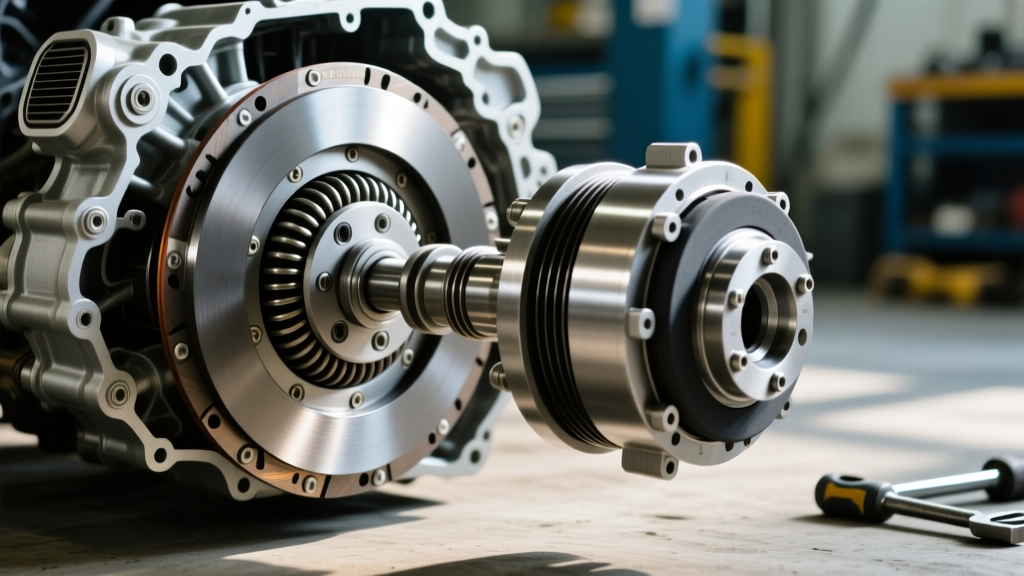
If you are transitioning from driving a car to riding a motorcycle or piloting a sport ATV like the Yamaha Raptor 700, the concept of clutch engagement can feel entirely foreign. Unlike the single dry clutch disc found in most manual passenger cars, motorcycles and manual-shift ATVs utilize a wet multi-plate clutch. This system stacks multiple friction and steel plates together, all bathed in the engine’s shared oil sump.
When you pull the lever, a pushrod separates the plates, interrupting power flow. When you release the lever, heavy-duty springs clamp the plates together, creating friction and transferring engine torque to the transmission input shaft. Because the clutch shares oil with the engine and gearbox, diagnosing poor clutch engagement requires looking beyond just the lever and cable. Let us break down the most common engagement issues, how to measure them, and how to fix them using 2026 aftermarket standards.
Symptom 1: Slipping and Late Clutch Engagement
Slipping occurs when the clutch lever is fully released, but the engine RPMs surge without a corresponding increase in wheel speed. This indicates that the friction plates cannot maintain a solid lock against the steel plates under load.
The Automotive Oil Trap (JASO MA2 Explained)
The number one cause of sudden clutch slipping in beginner garages is the use of standard automotive motor oil. Modern car oils (API SP or ILSAC GF-6) contain friction modifiers like molybdenum dialkyldithiocarbamate to improve fuel economy. In a wet clutch, these modifiers coat the friction plates, causing catastrophic slipping.
Motorcycles and ATVs require oil certified to the JASO MA or MA2 standard, which explicitly forbids these friction modifiers. If you have accidentally filled your crankcase with automotive oil, a complete drain, flush, and refill with a dedicated 10W-40 or 15W-50 JASO MA2 motorcycle synthetic (typically $45–$65 per gallon) is mandatory to restore proper clutch engagement.
Worn Friction Plates and Weak Springs
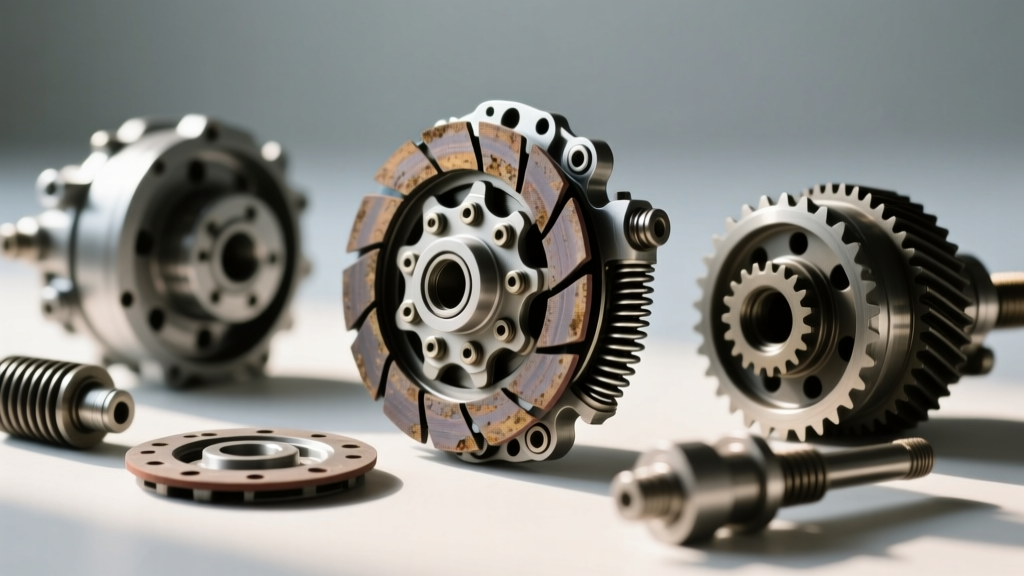
If the oil is correct, the friction material is likely worn. A standard OEM cork-based clutch pack might last 15,000 miles on a commuter bike, but aggressive ATV riding can destroy them in a single season. Upgrading to a Kevlar-infused aftermarket kit, such as the EBC CK Series ($90–$140 depending on the model), provides a much more aggressive bite point and resists heat fade. Additionally, clutch springs lose tension over time. Always measure the spring free-length with calipers; if a spring measures below the service limit (often 2mm to 3mm shorter than OEM spec), replace the entire set.
Symptom 2: Clutch Drag and Early Engagement
Clutch drag happens when the clutch fails to fully disengage while the lever is pulled in. Symptoms include the motorcycle or ATV 'creeping' forward at a stop, difficulty finding neutral, and harsh, clunking gear shifts. This is a major safety hazard for beginners.
Inspecting the Clutch Basket for Notching
The friction plates have small tabs that slot into the fingers of the aluminum outer clutch basket. Over thousands of engagement cycles, the steel tabs pound into the softer aluminum, creating deep notches. When you pull the clutch lever, the friction plates get physically wedged in these notches, preventing them from separating. This results in drag and premature engagement.
- The Fix: Remove the clutch basket and run a flat mill bastard file lightly across the fingers to smooth out the notches.
- The Upgrade: For high-horsepower ATVs or track bikes, invest in a CNC-machined billet steel or hard-anodized basket from companies like Hinson or Rekluse ($250–$350). Steel baskets virtually eliminate notching.
Warped Steel Plates
Excessive heat from riding the clutch (common when learning to ride a dirt bike or navigating tight ATV trails) can warp the steel separator plates. Place your steel plates on a perfectly flat piece of glass and attempt to slide a feeler gauge underneath. The maximum allowable runout is typically 0.3mm (0.012 inches). If the gauge slides under, the plate is warped and must be replaced.
Free Play Specifications: Cable vs. Hydraulic
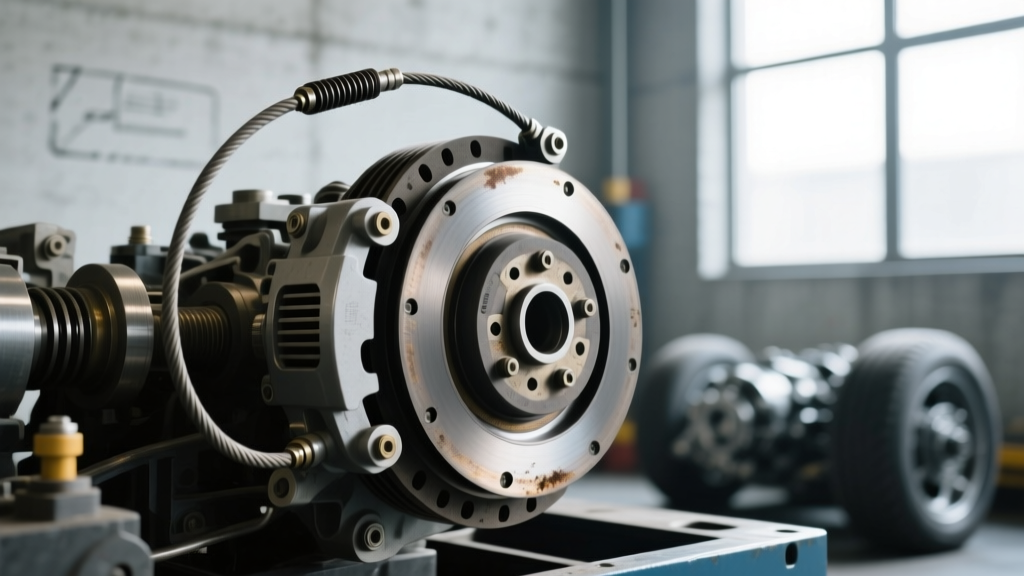
Proper clutch engagement relies entirely on 'free play'—the amount of slack in the lever before the cable or hydraulic piston actually begins to push the clutch pushrod. Without free play, the throw-out bearing rides constantly against the pressure plate, causing premature wear and slipping. Too much free play results in drag and incomplete disengagement.
| Vehicle Type | Actuation System | Typical Free Play Spec | Primary Adjustment Point |
|---|---|---|---|
| Sportbike (e.g., Yamaha R6) | Cable | 10mm - 15mm at lever end | Handlebar perch & lower crankcase inline adjuster |
| Motocross (e.g., KTM 450 SX-F) | Hydraulic (Brembo) | 3mm - 5mm (bite point) | Handlebar reach adjuster & master cylinder pushrod |
| Utility ATV (e.g., Honda Rancher) | Cable | 15mm - 25mm at lever end | Inline threaded barrel adjuster near the lever |
| Adventure Bike (e.g., BMW R1250GS) | Hydraulic (Magura) | Self-adjusting (Zero play) | N/A (Requires fluid bleed if engagement feels spongy) |
For a deeper dive into the mechanical theory of how these clearances affect the transmission input shaft, refer to the excellent breakdowns in Cycle World's Ask Kevin series.
Rebuilding the Clutch Pack: Torque Specs and Clearances
When diagnosing engagement issues leads you to a full teardown, precision is paramount. Beginners often make critical errors during reassembly that lead to catastrophic engine damage.
Pro-Tip: Always soak new cork or Kevlar friction plates in clean JASO MA2 engine oil for at least 2 hours before installation. Installing dry plates will cause them to glaze and burn out on the very first ride.
The Clutch Center Nut
The inner hub that holds the steel and friction plates is secured by the clutch center nut. This nut is subjected to immense rotational shear force. If it backs out, it will shred the crankcase and destroy the engine.
- Torque Specification: Most Japanese 450cc-1000cc engines require between 55 Nm and 70 Nm (40–51 lb-ft) of torque on the center nut. Always consult your specific OEM service manual (available via portals like Honda Owners Manuals or Polaris Manuals).
- Staking / Peening: Torque alone is not enough. You must use a hammer and a blunt punch to 'peen' or 'stake' the soft metal lip of the lock washer into the groove of the crankshaft. Never reuse an old, previously staked lock washer.
Hydraulic Clutch Maintenance: DOT 4 vs. Mineral Oil
If your motorcycle or ATV features a hydraulic clutch and the engagement point is creeping closer to the handlebar, you likely have air in the system or degraded fluid. Before bleeding the system, you must identify the correct fluid.
Most Japanese and European bikes use standard DOT 4 or DOT 5.1 brake fluid, which is glycol-based and hygroscopic (absorbs moisture). However, brands utilizing Magura hydraulic components (common on KTM, Husqvarna, and some BMW models) strictly require Magura Blood (Mineral Oil). Mixing DOT fluid into a mineral oil system will instantly destroy the rubber seals in the master cylinder and slave cylinder, resulting in a complete loss of clutch engagement and requiring a $200+ seal kit replacement.
Summary: Finding the Perfect Bite Point
Achieving smooth, predictable clutch engagement on a motorcycle or ATV is a rite of passage for every rider. By ensuring you are running JASO MA2 certified oil, maintaining proper lever free play, and inspecting the clutch basket for aluminum notching, you can solve 95% of all engagement issues without ever splitting the engine cases. When in doubt, grab a feeler gauge, a torque wrench, and your factory service manual.