Understanding the Powersports Clutch Actuator
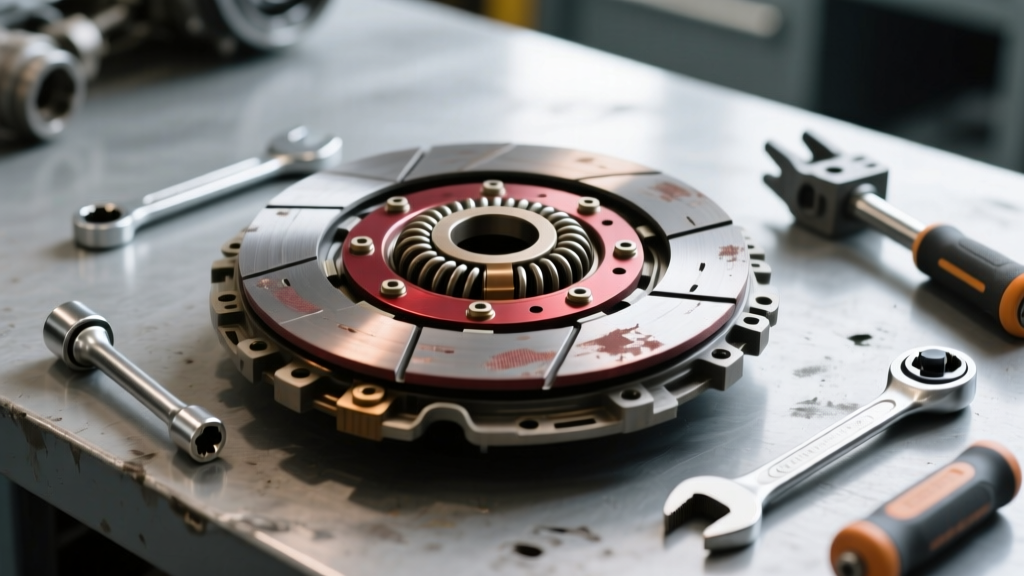
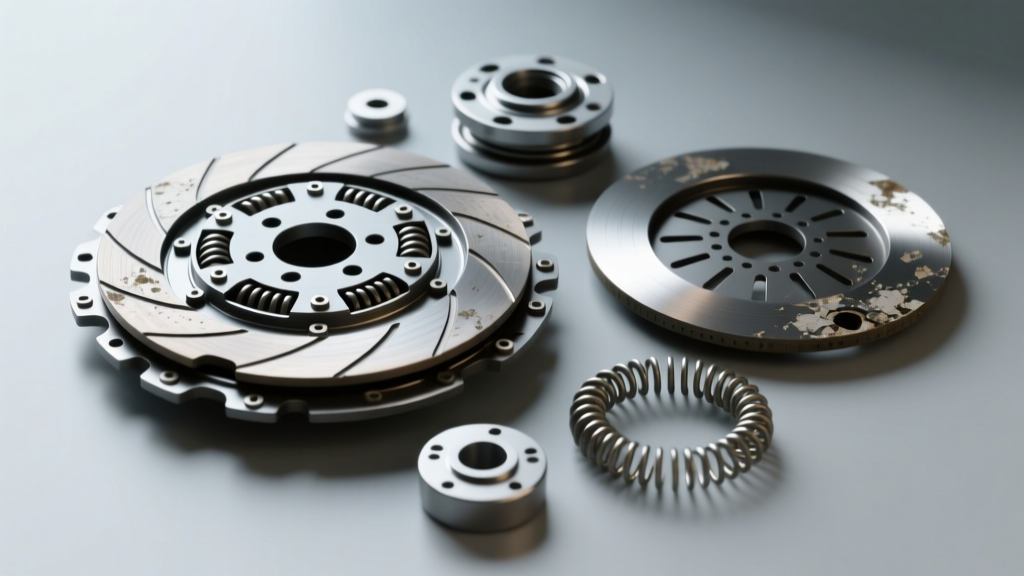
When you pull the lever on your dirt bike, squeeze the handle of your ATV, or press a paddle shifter on a modern touring motorcycle, you are interacting with a clutch actuator. In the powersports world, the clutch actuator is the critical bridge between your physical input (or an electronic signal) and the mechanical clutch basket inside the engine. For beginners, diagnosing clutch issues can feel overwhelming because the symptoms often mimic worn friction plates or warped steel plates. However, understanding the specific type of actuator your machine uses is the first step toward an accurate diagnosis and a cost-effective repair.
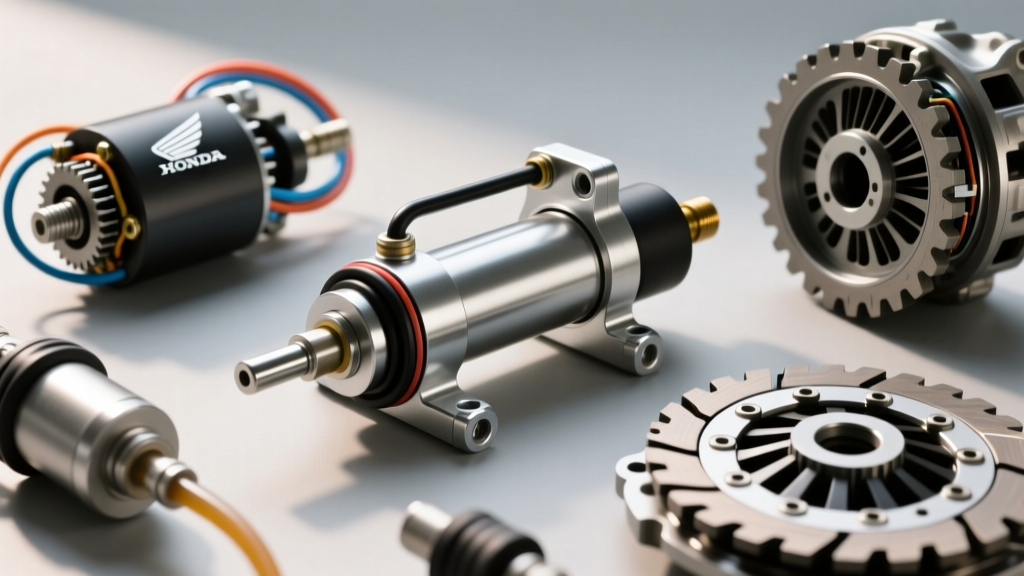
Unlike heavy-duty automotive transmissions that utilize massive hydraulic throw-out bearings, motorcycles and ATVs typically rely on two distinct actuator architectures: hydraulic slave cylinders (common on off-road and street bikes) and electronic servo actuators (found on Honda DCT models and high-end electronically shifted ATVs). In this guide, we will break down the exact failure modes, symptoms, and factory torque specifications for both systems, ensuring you can confidently troubleshoot your machine in 2026 and beyond.
Hydraulic Slave Cylinder Failures: Dirt Bikes and Street Bikes
The hydraulic clutch actuator, commonly known as the slave cylinder, is mounted directly to the engine case. When you pull the lever, the master cylinder pushes fluid through a braided or rubber line, forcing a piston inside the slave cylinder to extend a pushrod. This pushrod actuates the clutch release arm, compressing the clutch springs and disengaging the transmission.
The Mineral Oil vs. DOT Fluid Trap
One of the most common—and destructive—mistakes beginners make when servicing a motorcycle clutch actuator is using the wrong fluid. This is particularly prevalent in the off-road segment. For example, many KTM, Husqvarna, and GasGas models utilize Magura hydraulic systems. Magura components are designed exclusively for mineral oil (such as Magura Blood).
If a well-meaning rider or inexperienced mechanic tops off a Magura reservoir with standard DOT 4 or DOT 5.1 brake fluid, the glycol-based DOT fluid will react violently with the ethylene propylene diene monomer (EPDM) rubber seals inside the slave cylinder. Within a matter of weeks, the seals will swell, deform, and fail, causing the clutch actuator to leak fluid directly onto your transmission casing and resulting in a complete loss of clutch pressure. Conversely, newer models (2017 and later) equipped with Brembo or Nissin slave cylinders require DOT 4 or DOT 5.1 fluid. Always check the master cylinder cap for the manufacturer's exact fluid specification before bleeding the system.
Symptoms of a Failing Hydraulic Actuator
- Lever Pulling to the Bar: A spongy lever that touches the grip usually indicates air in the line or a blown internal seal inside the slave cylinder piston.
- Clutch Drag and Creeping: If the slave cylinder pushrod does not fully retract due to a corroded bore or swollen seals, the clutch will remain partially disengaged. This causes the bike to creep forward at idle and makes finding neutral nearly impossible.
- External Weeping: A buildup of oily grime around the slave cylinder bleeder valve or pushrod boot indicates that the primary dust seal or piston O-ring has failed.
Electronic Actuator Failures: Honda DCT and ATVs
As powersports technology has advanced, mechanical linkages and hydraulic fluid have been replaced by wires and electric motors on several platforms. Honda’s Dual Clutch Transmission (DCT), available on models like the Africa Twin, Rebel 1100, and NC750X, utilizes complex electronic servo actuators to manage two separate clutch packs. Similarly, some electronically shifted ATVs and UTVs use stepper motors to engage the clutch or shift the transmission.
Diagnosing the Shift Spindle Actuator
In a Honda DCT system, the clutch actuator is an electric motor connected to a shift spindle via a gear reduction assembly. The ECU monitors the exact rotational position of this motor using a Hall-effect position sensor. If the actuator motor fails, the position sensor loses calibration, or the battery voltage drops below the required threshold during cranking, the system will enter a protective limp mode.
The most obvious symptom of an electronic clutch actuator failure is a flashing "D" or "N" on the TFT instrument cluster, accompanied by an inability to shift out of neutral. Unlike a hydraulic system, you cannot simply "bleed" an electronic actuator. Troubleshooting requires a bi-directional OBD2 scan tool or the proprietary Honda MCS (Motorcycle Communication System) software to read the clutch touch-point data and perform a forced relearn procedure. According to Honda Powersports technical documentation, the DCT system continuously learns clutch wear; if the friction plates wear beyond the actuator's physical travel limit, the ECU will throw a fault code even if the electric motor itself is perfectly healthy.
Diagnostic Matrix: Symptoms, Causes, and Repair Costs
Use the table below to cross-reference your motorcycle or ATV's symptoms with the most likely actuator-related culprits. Pricing reflects average OEM parts costs as of 2026.
| Symptom | Probable Actuator Cause | Recommended Fix | Est. OEM Part Cost |
|---|---|---|---|
| Spongy lever, fluid on engine case | Blown slave cylinder piston seal | Rebuild or replace slave cylinder; flush lines | $80 - $250 |
| Lever stiff, clutch fails to disengage | Corroded slave cylinder bore / bent pushrod | Replace slave cylinder assembly; inspect clutch arm | $120 - $280 |
| Flashing "D" on dash, stuck in Neutral | DCT shift actuator motor or sensor failure | Scan for codes, perform MCS relearn, or replace motor | $800 - $1,400 |
| ATV creeps forward at idle | Actuator pushrod not fully retracting | Clean pushrod bore, replace return spring, bleed fluid | $15 - $45 |
Step-by-Step Hydraulic Bleeding and Torque Specifications
If you have diagnosed a hydraulic clutch actuator issue and replaced the component, proper reassembly and bleeding are paramount. A poorly torqued banjo bolt will leak under pressure, while an improperly bled system will leave you stranded on the trail. For a comprehensive visual guide on the bleeding process, RevZilla's Common Tread bleeding tutorial is an excellent resource for beginners.
Critical Torque Specs (KTM / Husqvarna / Brembo Systems)
When installing a new hydraulic slave cylinder, precision matters. The engine cases on modern off-road bikes are made of thin magnesium or aluminum alloys that strip easily if over-torqued.
- Slave Cylinder Mounting Bolts (M6): 10 Nm (7.4 lb-ft). Use a mild threadlocker if specified by the OEM service manual.
- Hydraulic Line Banjo Bolt (M8x1.0 or M10x1.25): 20 to 25 Nm (15 to 18 lb-ft). Always use two new crush washers (one on each side of the banjo fitting) to prevent weeping.
- Bleeder Valve Screw: 6 to 8 Nm (4.4 to 6 lb-ft). Do not over-tighten, or you will snap the valve head off inside the slave cylinder body.
The Reverse-Bleeding Advantage
Because the slave cylinder is located at the lowest point of the hydraulic system, air naturally rises to the master cylinder reservoir. Traditional top-down bleeding often leaves air bubbles trapped in the slave cylinder's internal pockets. For powersports applications, utilizing a reverse bleeder (forcing fluid from the slave cylinder bleeder valve up to the master cylinder) is highly recommended. This method pushes air upward, mimicking its natural buoyancy, and results in a firm, predictable lever feel in a fraction of the time.
Preventative Maintenance for Longevity
Clutch actuators are largely maintenance-free, but they are not invincible. To ensure your hydraulic or electronic actuator survives the harsh environments of off-road riding and ATV trail bashing, follow these preventative steps:
- Flush Fluid Annually: DOT fluid is hygroscopic, meaning it absorbs moisture from the air. This moisture lowers the fluid's boiling point and causes internal corrosion in the slave cylinder. Flush your DOT system every 12 to 18 months.
- Inspect the Pushrod Boot: The rubber boot covering the slave cylinder pushrod keeps dirt and water out of the clutch release arm bore. If this boot tears, water will enter the bore, rust the steel pushrod, and cause the clutch to bind. Replace torn boots immediately.
- Protect Electronic Connectors: For Honda DCT and electronic ATV actuators, the wiring harness connectors near the shift spindle are exposed to water and mud. Dielectric grease applied to the connector pins during your annual service will prevent the corrosion that leads to false position sensor codes.
By understanding the fundamental differences between hydraulic slave cylinders and electronic servo motors, you can bypass the guesswork and tackle clutch actuator diagnostics with professional confidence. Always consult your specific model's factory service manual for exact fluid capacities and torque specifications before turning a wrench.
For more information on maintaining specific hydraulic components, refer to Magura's official technical support documentation regarding mineral oil compatibility and seal preservation.