Upgrading Your Mopar Drivetrain: Lockers and Fluid Dynamics
When pushing a Mopar vehicle to its limits—whether it is a classic muscle car with a Chrysler 8.75-inch rear end, a Jeep Wrangler Rubicon with Dana 44s, or a heavy-duty Ram 2500 equipped with an AAM 11.5-inch axle—open differentials and factory limited-slip units often fall short. Upgrading to a true locking differential is the definitive performance modification for maximizing traction. However, the mechanical upgrade is only half the battle. The longevity and operational silence of your new locker depend entirely on proper installation tolerances and the precise application of Mopar rear differential fluid.
In this 2026 performance and upgrade guide, we break down the engineering differences between the top locking differential types, provide exact torque specifications for Mopar axle housings, and detail the critical fluid specifications required to protect your investment under extreme shear loads.
Selecting the Right Locker for Mopar Axles
Choosing a locker requires balancing street manners, off-road capability, and budget. Below are the three dominant locking differential architectures used in Mopar drivetrain swaps.
1. ARB Air Lockers (Selectable Pneumatic)
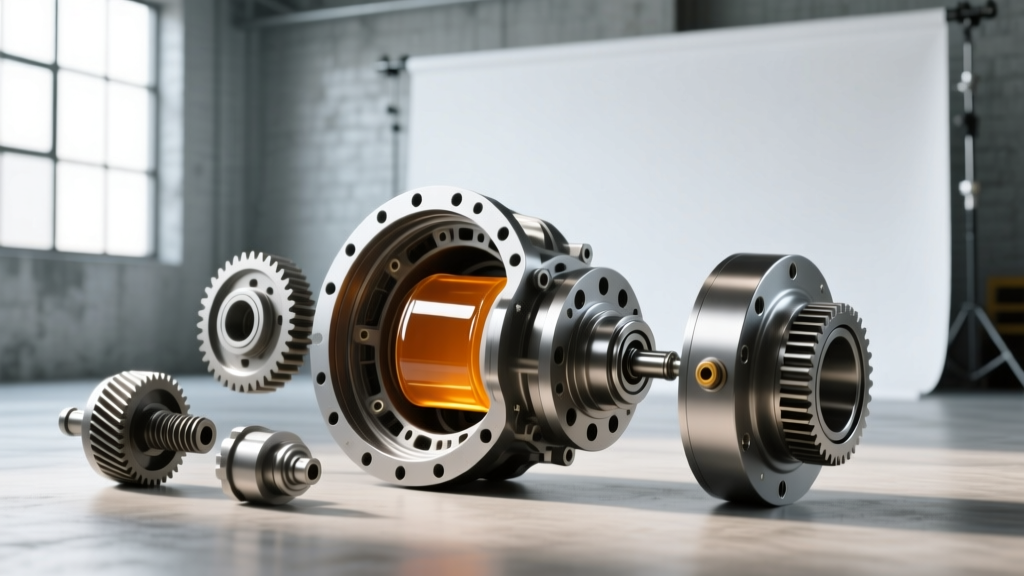
ARB Air Lockers remain the gold standard for selectable traction. Utilizing a pneumatic seal and an internal actuator, the ARB locker operates as an open differential when disengaged, preserving factory steering geometry and tire wear. When the dash-mounted compressor is activated, air pressure forces the locking gear into the side gear, creating a 100% solid axle lock. For the AAM 11.5 axle found in modern Ram HD trucks, the ARB RD142 is the go-to part number. Expect to pay between $950 and $1,100 for the locker alone, excluding the compressor kit.
2. Eaton E-Lockers (Selectable Electronic)
The Eaton E-Locker uses an electromagnetic coil to actuate a locking mechanism. It requires no air lines or compressors, making it an elegant solution for tight chassis packaging. Wiring is routed through a hollow axle tube bolt. While incredibly reliable, the Eaton E-Locker is sensitive to extreme shock loads (like high-RPM clutch dumps on sticky drag radials) compared to mechanical lockers. It is highly recommended for street/strip Mopar B-Body and E-Body restomods utilizing the Dana 60 or 8.75-inch housings.
3. Detroit Lockers (Automatic Mechanical)
The Detroit Locker (by Eaton) is an automatic, ratcheting mechanical locker. It uses a sprag and cam mechanism to lock the axles together under torque and unlock during cornering. While it produces a characteristic 'clicking' or 'bang' during low-speed maneuvers, it is virtually indestructible. For dedicated drag racing or hardcore rock crawling in a Jeep, the Detroit Locker is unmatched. Pricing is highly competitive, typically ranging from $600 to $800.
The Critical Role of Mopar Rear Differential Fluid
Once the locker is installed and the gear pattern is verified, the housing must be filled. The selection of Mopar rear differential fluid is not a generic aftermarket afterthought; it is a precisely engineered chemical requirement. Modern Mopar axles, particularly the AAM 11.5 and ZF-designed rear ends in newer Ram 1500s, operate at significantly higher internal temperatures due to increased towing capacities and aerodynamic underbody pans that restrict ambient airflow.
Viscosity Grades and OEM Part Numbers
Stellantis has transitioned many of its heavy-duty axles to lower-viscosity synthetic fluids to reduce parasitic drag and improve fuel economy, while relying on advanced polymer additives for shear stability.
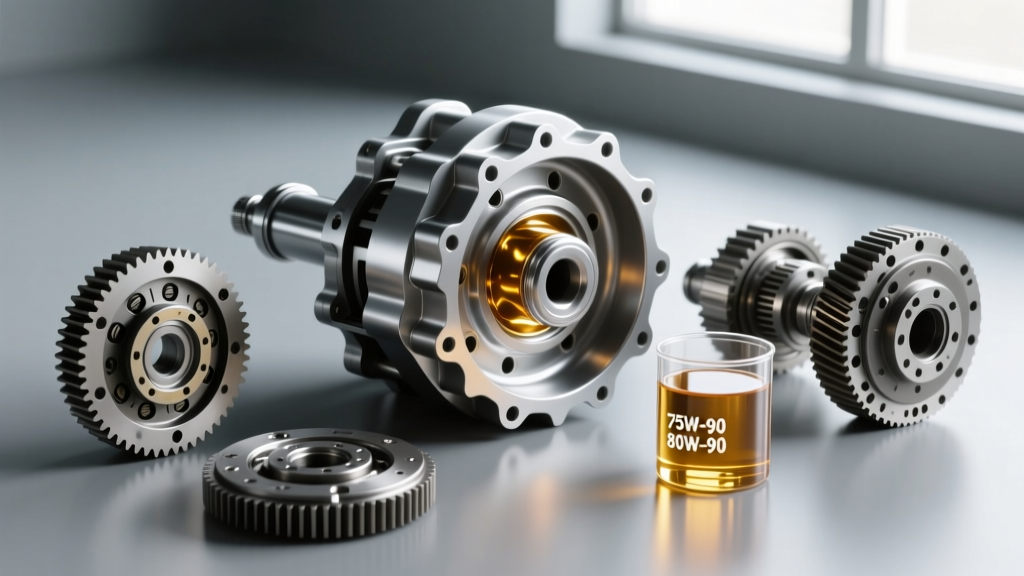
- 75W-140 Synthetic (Part # 68218655AA / 68411405AA): The standard for severe-duty, high-GCWR towing, and off-road applications. The thicker film strength protects the ring and pinion gears from micro-pitting under extreme contact pressures (up to 400,000 PSI at the gear tooth interface).
- 75W-85 Synthetic (Part # 68218654AA): Specified for newer light-duty and some HD axles to meet CAFE fuel economy standards. Do not substitute 75W-140 into an axle specifically calibrated for 75W-85 without consulting the 2026 service manual, as the thicker fluid can cause overheating due to increased churning resistance.
"The shift toward 75W-85 in modern axles is purely for efficiency. If you are upgrading to an ARB or Detroit Locker and subjecting the axle to shock loads, stepping up to a high-quality 75W-140 with robust Extreme Pressure (EP) additives is the smartest insurance policy you can buy." — Drivetrain Engineering Consensus, 2025 SEMA Show
The Friction Modifier Myth for True Lockers
A common and costly mistake during Mopar axle rebuilds is the indiscriminate addition of friction modifiers. Mopar Limited Slip Additive (Part # 68411398AA) is strictly required for clutch-type limited-slip differentials (like the factory Trac-Loc or ZF LSDs) to prevent chatter. True locking differentials (ARB, Eaton E-Locker, Detroit) do not contain clutch packs. Adding friction modifier to a true locker setup dilutes the Extreme Pressure (EP) sulfur-phosphorus additive package in the gear oil, potentially reducing the fluid's load-carrying capacity and leading to premature bearing and gear wear.
Installation Torque Specifications and Best Practices
Improper torque on the carrier bearing caps or ring gear bolts will lead to catastrophic deflection under load, destroying your new locker and ring-and-pinion set. Always use a calibrated torque wrench and fresh hardware.
Ring Gear and Carrier Specs
- Ring Gear Bolts (7/16"-20 Left Hand Thread): 75-85 lb-ft. Must be installed with Red Loctite 272. Heat the ring gear to 200°F in an oven before pressing onto the locker case.
- Crosspin / Lockbolt (Dana 44 / 8.75): 15-20 lb-ft with medium threadlocker.
- Carrier Bearing Cap Bolts: 45-60 lb-ft (Verify specific axle manual; AAM 11.5 cap bolts are torqued to 110 lb-ft).
- Axle Housing Cover Bolts (M8x1.25): 18-22 lb-ft. Use a silicone RTV bead or a reusable Fel-Pro PermaDry gasket.
- Fill / Drain Plugs: 25-30 lb-ft. Over-torquing can crack the aluminum or stamped steel differential cover.
Mopar Axle Locker & Fluid Compatibility Matrix
| Axle Model | Recommended Locker | Locker Part # | Fluid Capacity | Recommended Fluid |
|---|---|---|---|---|
| AAM 11.5" (Ram HD) | ARB Air Locker | RD142 | 3.7 Quarts | Mopar 75W-140 Synthetic |
| Dana 60 (Power Wagon) | Eaton E-Locker | 19915-010 | 3.0 Quarts | Mopar 75W-140 Synthetic |
| Chrysler 8.75" (Classic) | Detroit Locker | 225SL19B | 2.25 Quarts | Mopar 75W-90 / 140 |
| Dana 44 (Jeep JK/JL) | ARB Air Locker | RD147 | 2.0 Quarts | Mopar 75W-85 Synthetic |
Break-In Procedures for New Lockers and Gears
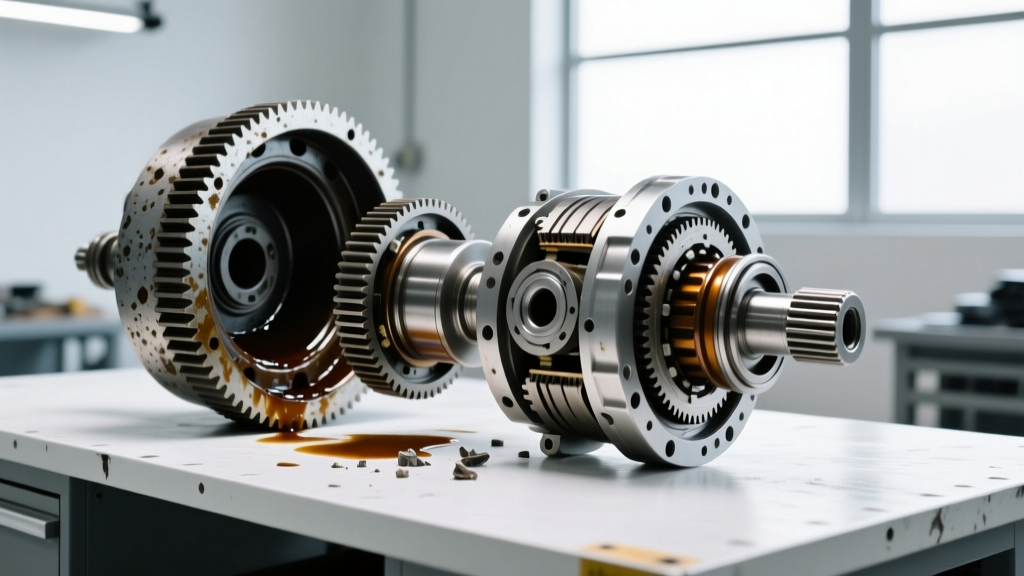
If your locker upgrade involves a simultaneous ring and pinion gear swap, the break-in procedure is non-negotiable. New gears generate immense friction and heat as the lapping compound wears the mating surfaces into perfect alignment. For the first 500 miles, limit highway speeds to 60 MPH and avoid towing. Every 15 miles, stop and allow the differential housing to cool to ambient temperature. This prevents the Mopar rear differential fluid from exceeding its thermal breakdown point, which would result in glazing the gear teeth. After 500 miles, drain the break-in fluid immediately to remove suspended metallic particulates, and refill with fresh Mopar synthetic gear oil.
Sourcing OEM Components
When sourcing parts, avoid counterfeit fluids and uncertified locker assemblies. Purchase your locking differentials from authorized drivetrain distributors and verify your fluid specifications via Eaton Performance catalogs or direct from ARB 4x4 Accessories. Ensuring your Mopar axle receives the exact mechanical and chemical treatment it requires will guarantee decades of reliable, high-traction performance.