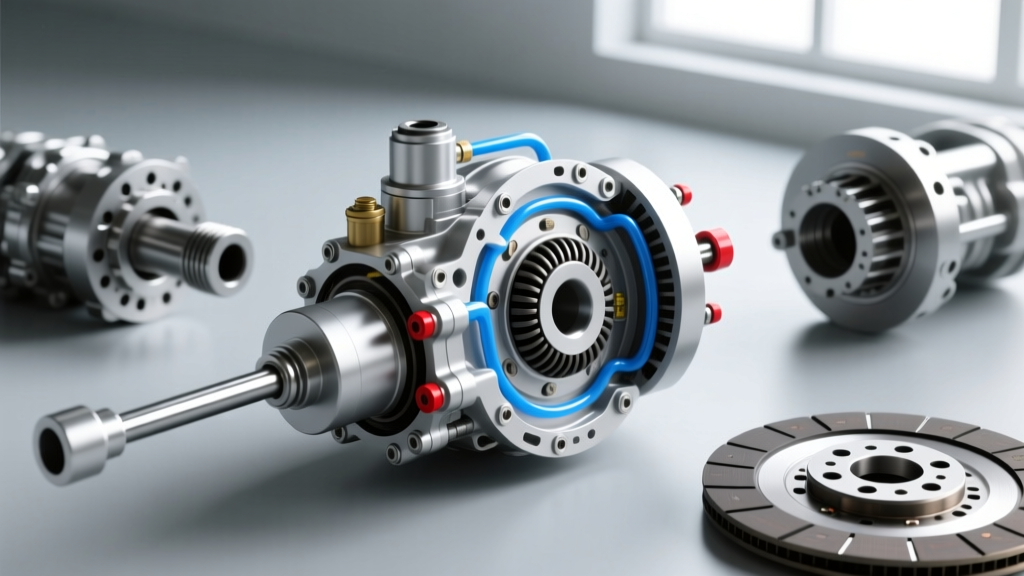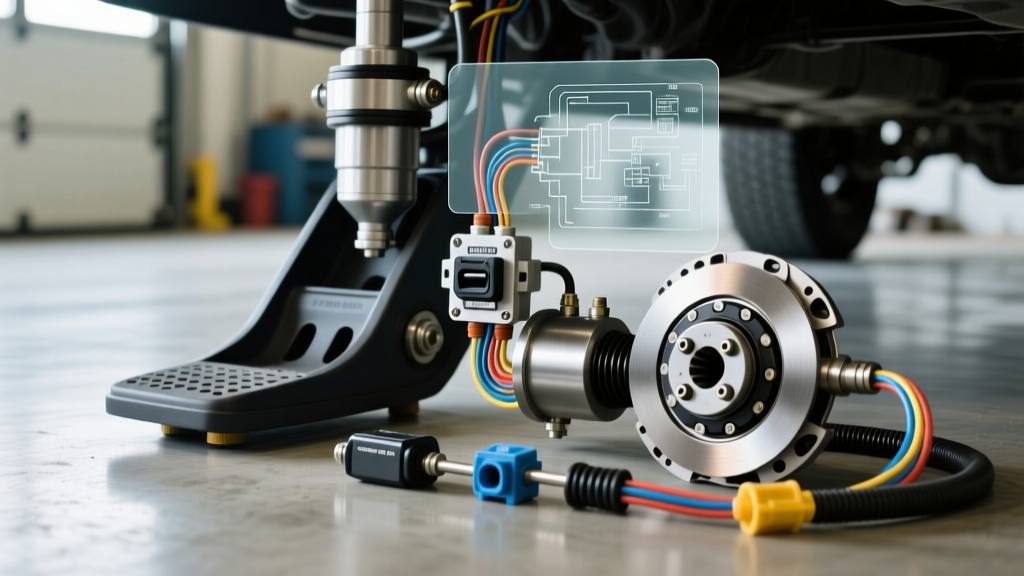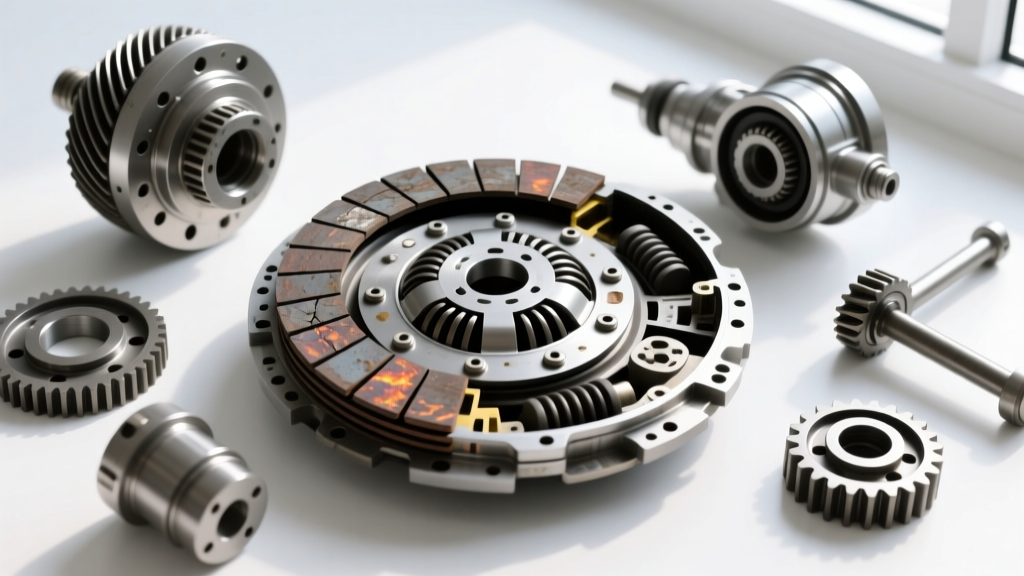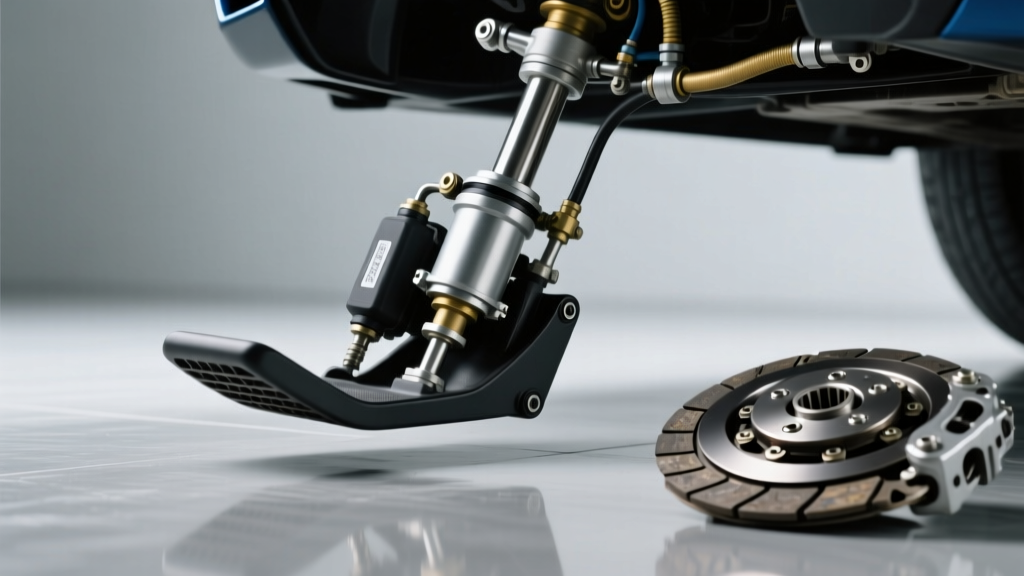
Search engines frequently associate the phrase "cars with clutches" with NYT (New York Times) crossword puzzles, where the answer is invariably "MANUALS" or "STICKSHIFTS." While daily-driver manuals are becoming a rarity in 2026, they remain the beating heart of sports cars, track builds, and enthusiast platforms. However, the romanticism of the manual transmission quickly fades when the left pedal develops severe faults. A spongy, hard, or vibrating clutch pedal is not just an annoyance; it is a critical diagnostic indicator of underlying hydraulic or mechanical failures.
As a senior transmission diagnostic specialist, I have compiled this model-specific repair guide to address the most common clutch pedal anomalies across iconic platforms. We will bypass generic advice and dive directly into exact part numbers, torque specifications, and mechanical realities for the Mazda Miata, Subaru WRX, Porsche 911, and Tremec-equipped muscle cars.
The Spongy Pedal: Hydraulic Degradation in Mazda and Honda Platforms
The Mazda Miata (NA, NB, and NC generations) represents one of the most popular manual transmission platforms globally. However, the NB generation (1999-2005) is infamous for developing a spongy clutch pedal. This is frequently misdiagnosed as air in the lines when the true culprit is the internal bypassing of the OEM slave cylinder (Part # NC10-41-400A). When the internal cup seals degrade due to moisture contamination in hygroscopic DOT 3 fluid, hydraulic pressure escapes back into the reservoir rather than actuating the release fork.
Diagnostic Protocol: Internal Bypass vs. Air
- The Static Test: Have an assistant depress the pedal while you inspect the slave cylinder pushrod. If the pedal sinks to the floor under sustained pressure without visible external leaks at the banjo bolt or pushrod boot, the master cylinder (Part # NC10-41-400) or slave is bypassing internally.
- The CDV Factor: Many modern manuals, including the Honda K-Series (Civic Si, TSX) and BMW Z4, utilize a Clutch Delay Valve (CDV) in the hydraulic line to smooth engagement for novice drivers. This valve restricts fluid flow, often mimicking a spongy pedal or causing delayed engagement. Removing the CDV and replacing the line with a stainless steel braided hose dramatically improves pedal feel and modulation.
The Hard Pedal: Mechanical Bind in Subaru and Heavy-Duty Applications
A stiff, hard-to-depress clutch pedal is frequently encountered in modified Subaru WRX and STI platforms equipped with the 5MT or 6MT transmissions. While an upgraded aftermarket clutch (such as an ACT or Exedy HDSS) inherently requires higher pedal effort due to stiffer diaphragm springs, a sudden increase in pedal resistance usually points to mechanical bind at the clutch fork pivot ball.
The OEM plastic pivot ball and stamped steel fork are prone to wear, creating a misalignment that causes the release bearing to bind on the transmission input shaft collar. This bind transfers directly to the pedal as a notchy, stiff sensation.
Subaru 5MT/6MT Repair Specifications
When replacing the clutch assembly, discard the OEM plastic pivot ball. Install an adjustable billet aluminum pivot ball (e.g., Kartboy or Crawford Performance). Proper adjustment is critical: the fork must sit perfectly parallel to the transmission bellhousing face to ensure the throw-out bearing applies even pressure to the diaphragm spring fingers.
Critical Torque Spec: When reinstalling the Subaru EJ25 or FA20 flywheel, the OEM flywheel bolts are torque-to-yield (TTY). They must be replaced. The factory specification is 69 lb-ft (94 Nm) followed by an additional 90-degree turn. Failure to use new TTY bolts or applying incorrect torque can result in catastrophic flywheel detachment under high-RPM load.
The Vibrating Pedal: Resonance and DMF Failures in Porsche and Tremec Setups
Vibrating or chattering clutch pedals are the hallmark of failing Dual-Mass Flywheels (DMF) or worn input shaft bearings, commonly seen in Porsche 996/997 models and GM vehicles utilizing the Tremec T56 or Magnum 6-speed transmissions.
Porsche 996/997: The Dual-Mass Flywheel Collapse
In the Porsche 996 Carrera, the LuK-manufactured DMF utilizes internal arc springs to dampen torsional vibrations from the flat-six engine. Over time, these springs sag and the internal grease degrades, leading to an imbalance that manifests as a severe vibration through the clutch pedal at idle. Notably, this vibration often disappears when the pedal is fully depressed, as the release bearing loads the diaphragm spring and stabilizes the assembly.
Measurement & Diagnostics: Before condemning the DMF, measure the flywheel runout using a dial indicator mounted to the bellhousing. According to Schaeffler (LuK) engineering guidelines, axial runout must not exceed 0.5mm (0.020 inches) at the friction surface. If runout exceeds this, or if there is visible rotational free-play greater than 20 degrees between the primary and secondary masses, the DMF must be replaced with a complete LuK RepSet.
Tremec T56/Magnum: Hydraulic Throw-Out Bearing Chatter
For Tremec T56 applications (found in the C5/C6 Corvette and Dodge Viper), pedal vibration is often linked to the hydraulic throw-out bearing (HTOB). Unlike traditional fork-actuated setups, the HTOB rides directly on the transmission input shaft. If the internal bearing seals fail, or if the transmission input shaft retainer collar develops grooves, the bearing will chatter, sending high-frequency vibrations directly into the pedal. Upgrading to an aftermarket aluminum retainer collar and ensuring precise HTOB shimming (maintaining a 0.100" to 0.150" air gap) is mandatory for a vibration-free rebuild.
2026 Diagnostic Matrix: Symptom, Model, and Repair Costs
| Symptom | Common Platform | Primary Culprit | 2026 Est. Repair Cost |
|---|---|---|---|
| Spongy / Sinking | Mazda Miata (NB/NC) | Internal Slave Cylinder Bypass | $250 - $450 |
| Hard / Stiff Bind | Subaru WRX (5MT/6MT) | Worn Fork Pivot Ball / Aftermarket PP | $1,200 - $1,800 (w/ Clutch) |
| Vibration at Idle | Porsche 996 / 997 | Dual-Mass Flywheel (DMF) Spring Sag | $2,800 - $3,500 |
| High-Freq Chatter | GM Tremec T56 / Magnum | HTOB Bind / Grooved Input Collar | $1,500 - $2,200 |
Advanced Bleeding and Fluid Selection for 2026
Fluid selection is paramount in modern clutch diagnostics. While older manuals specify DOT 3, modern 2026 diagnostic standards recommend flushing with a high-quality DOT 4 or DOT 5.1 fluid (such as Motul RBF 600 or Castrol SRF) to resist the extreme heat generated near the bellhousing and exhaust components. DOT 5 (silicone-based) must never be used in clutch systems, as it is highly compressible and will permanently ruin pedal feel.
When bleeding, utilize a pressure bleeder set to 15-20 PSI. For stubborn hydraulic systems, the "reverse bleed" method—pushing fluid from the slave cylinder bleeder valve up to the master cylinder reservoir—often dislodges trapped air pockets in the upward-sloping lines common in mid-engine and transaxle layouts. Always verify that the master cylinder pushrod clearance is set to factory specifications (typically 0.5mm to 1.0mm of free-play) to ensure the internal compensation port remains open, preventing pressure buildup and premature release bearing wear.