Root Cause Analysis: Top 4 Mini Bike Clutch Failure Modes
When approaching a mini bike clutch repair, understanding the exact failure mode is the difference between a $15 fix and a $200 drivetrain rebuild. Mini bikes, typically powered by 196cc to 212cc OHV engines (such as the Predator 212, Honda GX160, or Tillotson 212R), rely on either centrifugal clutches or Continuously Variable Transmissions (CVTs) to transfer power to the rear axle. Because these machines are frequently subjected to high-torque load spikes, aggressive braking, and off-road debris, their drivetrain components experience unique stress vectors compared to full-sized vehicles.
Before purchasing replacement parts, a proper diagnostic sequence is mandatory. Misdiagnosing a worn CVT drive belt as a failing clutch spring will result in recurring failures and potential crankshaft damage. Below, we break down the four most common failure modes in mini bike drivetrains, their root causes, and the precise diagnostic symptoms you need to look for in your garage.
1. Centrifugal Shoe Glazing and Thermal Slipping
The most frequent complaint among riders of Coleman CT200U and Trailmaster MB200 models is a clutch that engages but fails to transfer power, resulting in high RPMs with zero forward momentum. This is classic clutch slip, but the root cause is almost always thermal degradation of the friction shoes.
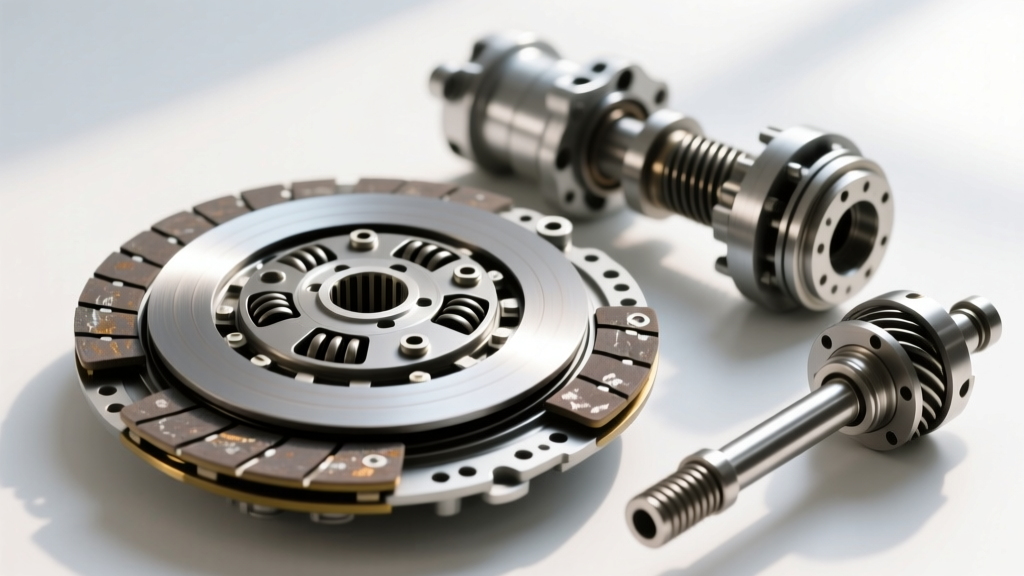
When a rider 'feathers' the throttle at low speeds or holds the bike stationary on an incline using the throttle and brake simultaneously, the clutch shoes slip against the inner drum. This friction generates extreme heat, often exceeding 400°F (204°C). At these temperatures, the bonding agents in the asbestos-free friction material break down, creating a hardened, glass-like surface known as glazing. Once glazed, the coefficient of friction drops precipitously. While some riders attempt to scuff the shoes with 80-grit sandpaper, the heat usually warps the stamped steel drum as well, necessitating a complete assembly replacement.
2. Governor Spring Fatigue and Engagement RPM Drop
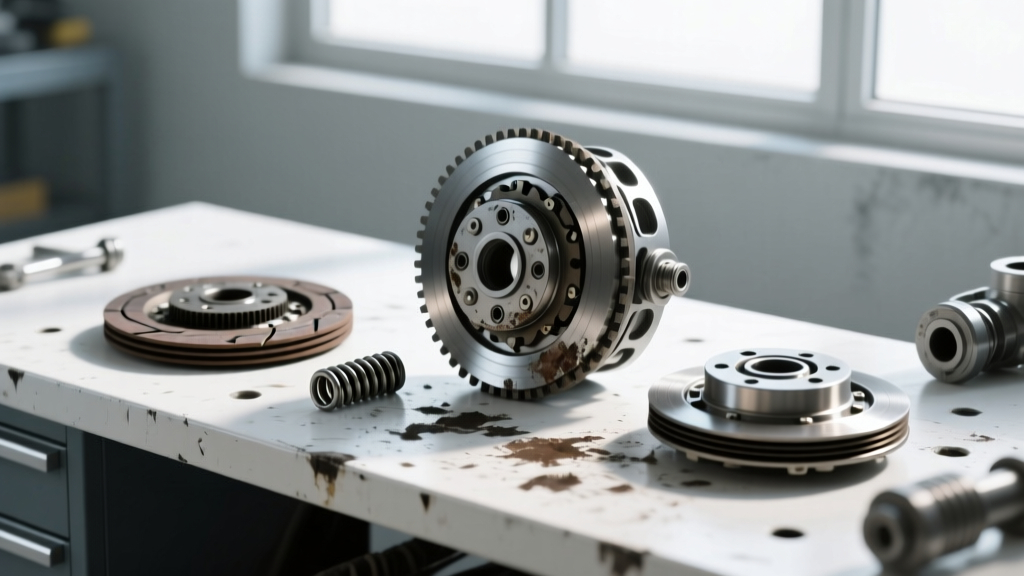
Centrifugal clutches rely on governor springs to keep the friction shoes retracted until a specific RPM threshold is met (typically between 1,800 and 2,300 RPM). Over time, the constant cycle of tension and heat causes metallurgical fatigue in the springs.
Diagnostic Symptom: The bike begins to 'creep' forward at idle, or engagement feels sluggish and happens much lower in the rev band than it did when new. If your bike stalls when coming to a stop because the clutch is still partially engaged at 1,400 RPM, your springs have lost their tensile strength. Springs are color-coded by tension; for example, a red spring might engage at 1,800 RPM, while a yellow spring engages at 2,200 RPM. Replacing these is a highly cost-effective repair compared to swapping the entire unit.
3. CVT Drive Belt Fraying and Sheave Binding
For mini bikes equipped with a torque converter (like the Comet TAV2 or 218353A series), the clutch system is actually a belt-driven CVT. The most catastrophic failure mode here is drive belt delamination and edge-cord fraying.
The root cause is rarely the belt itself; it is almost always pulley misalignment. If the engine mounts sag or the rear axle is adjusted unevenly to tension the final drive chain, the CVT driver pulley (on the crankshaft) and the driven pulley (on the jackshaft) will no longer track parallel. This forces the Kevlar-reinforced drive belt to ride at an angle, chewing through the sidewalls and generating excessive rubber dust under the plastic guard. If you find black dust and a shattered belt, you must realign the pulleys using a machined straight-edge before installing a new belt, or the replacement will fail within 50 miles.
4. Sprocket Misalignment and Bearing Seizure
A mini bike clutch operates on a 3/4-inch crankshaft bore secured by a 3/16-inch woodruff key. If the retaining nut is not torqued to specification, the clutch hub will wobble microscopically at high RPM. This wobble destroys the internal needle bearings and eventually shears the crankshaft keyway.
Diagnostic Symptom: A loud, metallic grinding noise that changes pitch with engine speed, accompanied by the clutch drum refusing to spin freely by hand when the engine is off. If the keyway shears, the engine will backfire violently upon shutdown, and the crankshaft may require welding and re-machining if the keyway wallows out.
2026 Buyer's Guide: Rebuild Kits vs. Complete Assembly Replacements
When sourcing parts for your mini bike clutch repair, you generally have two routes: buying a rebuild kit (friction shoes, springs, and bushings) or purchasing a complete, pre-assembled clutch or CVT unit. The right choice depends on your mechanical aptitude, budget, and the extent of the internal damage.
| Component Type | Repair Option | Part Number Example | Est. Cost (2026) | Best Application |
|---|---|---|---|---|
| Centrifugal Clutch (12T, #35 Chain) | Complete Assembly | Max-Torque 1277 | $45 - $65 | Severe drum warping, melted hubs, missing hardware |
| Centrifugal Clutch (12T, #35 Chain) | Shoe & Spring Rebuild Kit | Hilliard 567632 | $14 - $22 | Glazed shoes or fatigued springs with a pristine drum |
| CVT Torque Converter (3/4' Bore) | Complete TAV2 Kit | Comet 218353A | $135 - $175 | Worn driver sheave bushings, scored pulleys, missing parts |
| CVT Torque Converter (3/4' Bore) | Replacement Drive Belt Only | Comet 203589A | $28 - $40 | Frayed belt with perfectly smooth, aligned pulleys |
According to drivetrain specialists at Jack's Small Engines, complete assemblies have become significantly more affordable over the last few years due to improved overseas casting tolerances. For most weekend mechanics, swapping a complete Max-Torque centrifugal clutch takes less than 20 minutes and guarantees perfect internal clearances. Conversely, rebuilding a CVT torque converter requires specialized tools to compress the spring-loaded driver sheave, making the complete Comet Industries bolt-on kit the preferred choice for 90% of riders.
Pro-Tip: Never buy unbranded, ultra-cheap clutches from generic online marketplaces for high-performance 212cc engines. The friction material on these units is often bonded with inferior resins that shatter under the torque load of a modified Predator engine, sending shrapnel through your chain guard.
Critical Technical Specs & Installation Torque Data
A successful mini bike clutch repair relies heavily on precision installation. Guessing torque values or ignoring alignment specs is the leading cause of premature warranty denials and repeat failures. Keep this reference sheet handy when reinstalling your drivetrain components.
- Crankshaft Retaining Nut (Centrifugal Clutch): Typically a 14mm or 1/2-20 UNF nut. Torque to 25-30 ft-lbs. Always use a hardened flat washer and apply blue Loctite (242) to the threads to prevent vibration-induced backing out.
- CVT Driver Pulley Bolt: Torque to 35-40 ft-lbs. The CVT driver relies on friction against the crankshaft taper or shoulder; under-torquing will result in the pulley spinning on the shaft and destroying the keyway.
- Engine Mount Bolts (M8 x 1.25): Torque to 15-18 ft-lbs. Crucial for maintaining CVT belt alignment. Use nyloc nuts and verify that the engine is perfectly square to the frame rails.
- CVT Belt Deflection: With the belt installed and the engine off, press firmly on the top span of the belt midway between the pulleys. Proper deflection should be exactly 5/16' to 3/8'. Too tight will cause driven pulley binding; too loose will cause takeoff chatter.
- Final Drive Chain Slack (#35 Chain): Maintain 1/4' to 3/8' of vertical play at the tightest point of the chain rotation. Chains stretch unevenly; always rotate the rear wheel a full revolution to find the tightest spot before locking the axle adjusters.
Sourcing high-quality replacement hardware is just as important as the clutch itself. Retailers like OMB Warehouse offer OEM-spec replacement bolts, keys, and alignment spacers specifically tailored for Coleman, Mega Moto, and Trailmaster frames, ensuring you don't have to compromise with hardware store grade-5 bolts that are prone to stretching under shear loads.
Final Diagnostics: When to Upgrade Your Drivetrain
If you are constantly performing mini bike clutch repairs due to slipping, it may be time to evaluate your drivetrain configuration. Centrifugal clutches are excellent for flat, paved trails and lightweight riders. However, if you frequently ride in hilly terrain, mud, or carry a passenger, a centrifugal clutch will inevitably overheat and fail.
Upgrading from a standard 12-tooth centrifugal clutch to a Comet TAV2 torque converter effectively multiplies your low-end torque by up to 2.7:1, drastically reducing the slip-and-heat cycle that destroys friction shoes. While the initial investment for a CVT kit is roughly three times that of a centrifugal clutch, the longevity and performance gains in off-road environments make it the definitive choice for serious mini bike enthusiasts in 2026. Always match your repair strategy to your riding style, and never ignore the early warning signs of drivetrain misalignment.