Diagnosing the NC Miata: How to Know if Clutch Master Cylinder is Bad
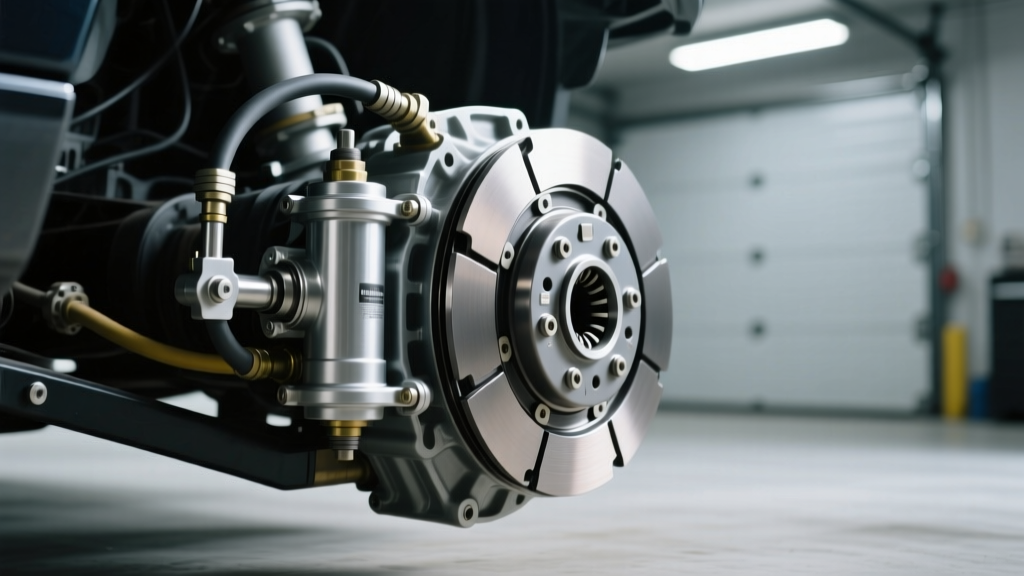
The Mazda MX-5 Miata (NC generation, 2006-2015) remains one of the most celebrated analog sports cars on the road in 2026. However, as these vehicles age, their hydraulic systems are exhibiting well-documented, age-related failures. The clutch master cylinder (CMC) is particularly notorious. Unlike older vehicles that drip fluid onto the carpet when the rear seal fails, the NC Miata's CMC often fails internally. When owners ask how to know if clutch master cylinder is bad, the answer on this specific platform usually points to internal seal bypass rather than external leaks.
The 'Internal Bypass' Symptom Profile
If you are experiencing any of the following scenarios, your CMC is likely suffering from internal seal degradation or bore scoring:
- The Stoplight Sinking Pedal: You press the clutch in at a red light. Over the course of 30 seconds, the pedal slowly sinks toward the floor without any external fluid loss.
- Crunchy 1st and Reverse Gears: Because the cylinder is bypassing fluid internally, it fails to generate the full 800-1,200 PSI required to completely disengage the clutch disc from the flywheel, resulting in gear grinding.
- Delayed Pedal Return: The pedal feels sluggish on the upstroke, especially in cold weather, due to swollen EPDM rubber seals dragging against a scored plastic bore.
The Zip-Tie Diagnostic Test
Before ordering parts, perform the definitive NC Miata bypass test. With the car off, press the clutch pedal to the floor and secure it down using a zip-tie wrapped around the pedal arm and the steering column base. Leave it for 12 hours. If the pedal has moved upward, or if you find a puddle of DOT fluid, you have a leak. If the pedal remains pinned to the floor but the fluid level in the shared brake/clutch reservoir has dropped, the fluid has bypassed the internal piston seal and leaked past the pushrod boot into the firewall cavity. According to the archives at Miata.net, this internal bypass is the leading cause of premature clutch wear on the NC platform.
Rebuild Kit vs. Complete Assembly: What Should You Buy?
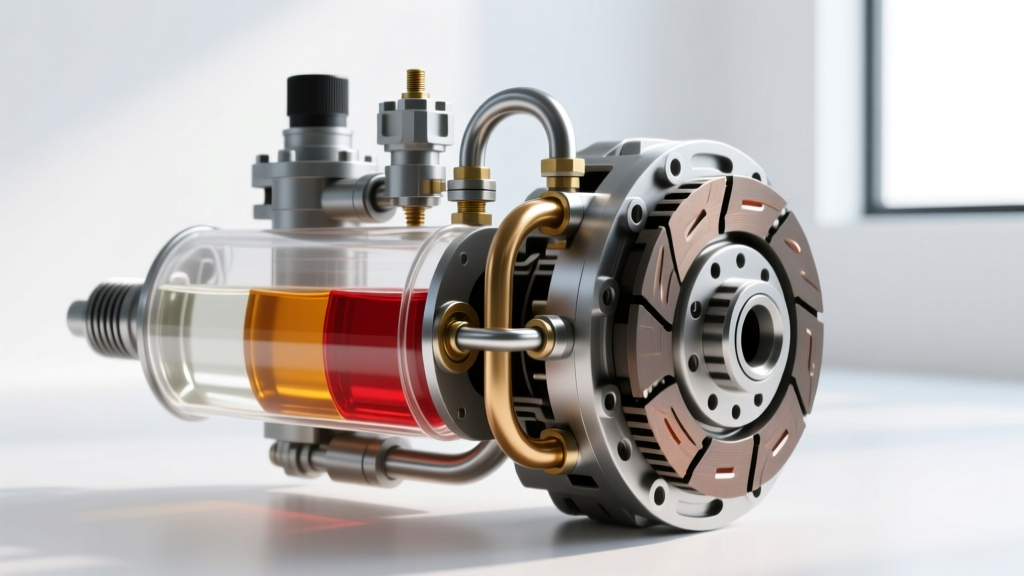
Once you have confirmed the CMC is failing, you face a critical decision: buy a complete replacement assembly or use a clutch master cylinder repair kit. The OEM NC master cylinder features a plastic bore. Over time, the constant friction of the piston seal scores this plastic. If the bore is scored, a simple seal kit will fail within 2,000 miles. However, if the bore is pristine, a rebuild kit is a highly cost-effective, factory-correct solution.
| Option | Part Number | Est. Price (2026) | Pros & Cons |
|---|---|---|---|
| OEM Complete CMC | TE91-41-400C | $115 - $140 | Pros: Guaranteed fitment, new plastic bore. Cons: Expensive; still uses a plastic bore prone to future scoring. |
| Aftermarket Complete | Dorman CM350093 | $45 - $60 | Pros: Budget-friendly, widely available. Cons: Inferior seal compounds, high failure rate in high-heat track environments. |
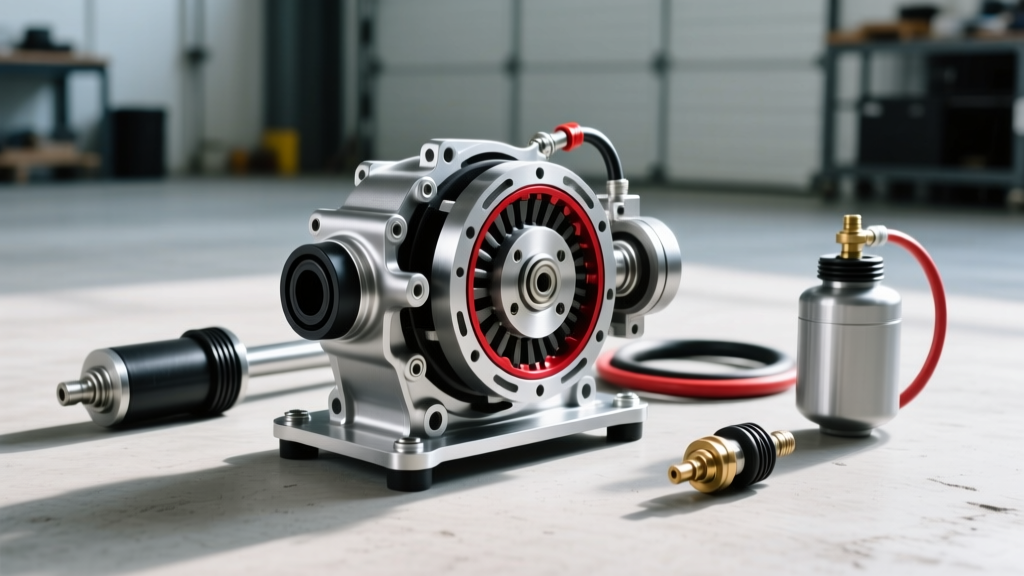
| OEM Seal Repair Kit | TE91-41-40Z | $22 - $35 | Pros: Genuine Mazda seals, extremely cheap. Cons: Useless if the plastic bore is already scored or gouged. |
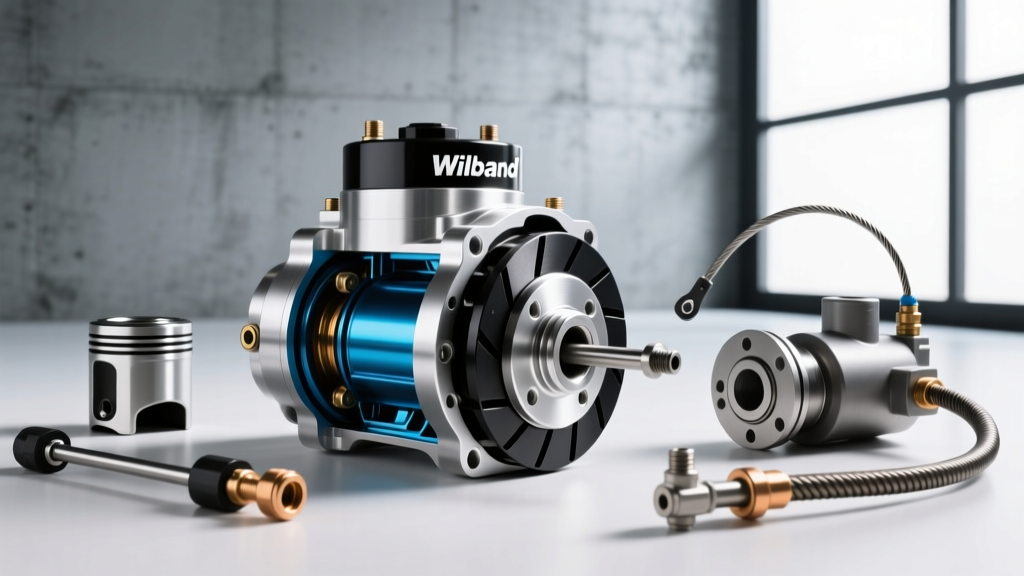
| Aluminum Upgrade | Wilwood 262-1304 | $160 - $190 | Pros: CNC machined aluminum bore, lifetime durability. Cons: Requires custom pushrod adjustment and fitting adapters. |
The Bench Rebuild: Step-by-Step Seal Replacement
If you have opted for the OEM repair kit (TE91-41-40Z) and verified your bore is in good condition, the rebuild process is straightforward but requires meticulous cleanliness. The NC Miata's clutch hydraulic system shares a fluid reservoir with the brake system, meaning any contamination introduced during the rebuild will compromise your braking safety.
Required Tooling & Consumables
- 10mm flare nut wrench (critical for the hard line)
- 12mm socket and extension (for firewall nuts)
- Needle-nose pliers and snap-ring pliers
- DOT 4 compatible rubber assembly lube (e.g., SilGlyde)
- Lint-free shop towels and isopropyl alcohol
Teardown and Bore Inspection
Remove the CMC from the firewall by disconnecting the hard line and the two 12mm mounting nuts inside the engine bay. Inside the cabin, pop the pushrod retaining clip off the clutch pedal pivot pin. Once on the bench, use a small pick to carefully pry off the external dust boot. Depress the piston slightly and use your snap-ring pliers to remove the internal retaining ring.
Extract the piston assembly. Immediately inspect the interior of the plastic bore. Run a lint-free cotton swab along the walls. If you feel any ridges, deep scratches, or if the swab snags, do not proceed with the repair kit. You must upgrade to an aluminum-bore unit or buy a complete OEM replacement. If the bore is smooth, flush it thoroughly with isopropyl alcohol and blow it out with compressed air.
Seal Installation
Disassemble the piston. Replace the primary and secondary cup seals from the TE91-41-40Z kit. Coat the new EPDM seals generously with your DOT-compatible assembly lube. Never use petroleum-based grease, as it will cause the EPDM rubber to swell and destroy the hydraulic system. Slide the piston back into the bore, ensuring the seals do not fold over, and reinstall the snap ring. Re-seat the external dust boot, ensuring it is fully seated in the outer groove to prevent moisture ingress.
Installation, Torque Specs, and Hydraulic Bleeding
Reinstalling the CMC on the NC Miata requires attention to specific torque values to prevent cracking the plastic firewall mounting flange. Furthermore, the NC's hydraulic slave cylinder is notoriously difficult to bleed due to its restrictive internal orifice.
Firewall Mounting & Line Connection
Position the CMC against the firewall. Thread the two 12mm mounting nuts by hand to avoid cross-threading. Torque these nuts to exactly 10-14 Nm (7-10 lb-ft). Overtorquing will crack the CMC mounting ears. Next, thread the 10mm hard line flare nut into the cylinder. This requires a precise alignment; forcing it will strip the aluminum threads on the CMC port. Torque the flare nut to 15-20 Nm (11-15 lb-ft). Reconnect the pushrod to the pedal inside the cabin and install a new retaining clip.
Advanced Bleeding Techniques for the NC Platform
As noted by the engineering team at Flyin' Miata, standard pedal-pumping bleeding methods often leave micro-bubbles trapped in the NC's remote slave cylinder line. For a firm, predictable pedal, use a pressure bleeder.
- Fill the shared brake/clutch reservoir with fresh, high-quality DOT 4 fluid (such as Motul RBF 600, which boasts a dry boiling point of 626°F / 330°C).
- Attach a pressure bleeder to the reservoir cap and set the pressure to 15 PSI. Do not exceed 20 PSI, or you risk blowing out the reservoir cap seal.
- Open the bleeder valve on the clutch slave cylinder (located on the bellhousing of the 6-speed manual transmission). Allow fluid to flow until it is completely free of bubbles and has a clear, amber hue.
- Close the valve, release the pressure, and verify the pedal feel. It should offer immediate, firm resistance with roughly 15-20mm of free-play at the top of the pedal stroke.
Final Thoughts on NC Hydraulic Longevity
Understanding how to know if clutch master cylinder is bad is only half the battle; preventive maintenance is the other. The OEM Mazda DOT 3 fluid is highly hygroscopic, absorbing moisture from the atmosphere which lowers its boiling point and accelerates internal corrosion. By flushing the shared brake and clutch hydraulic system every 24 months with a high-grade DOT 4 fluid, you can extend the life of your CMC seals and ensure your NC Miata continues to deliver the crisp, telepathic clutch engagement it was famous for when it first rolled off the Hiroshima assembly line.