Can You Put a Manual Transmission in an Automatic Car? The NA Miata Blueprint
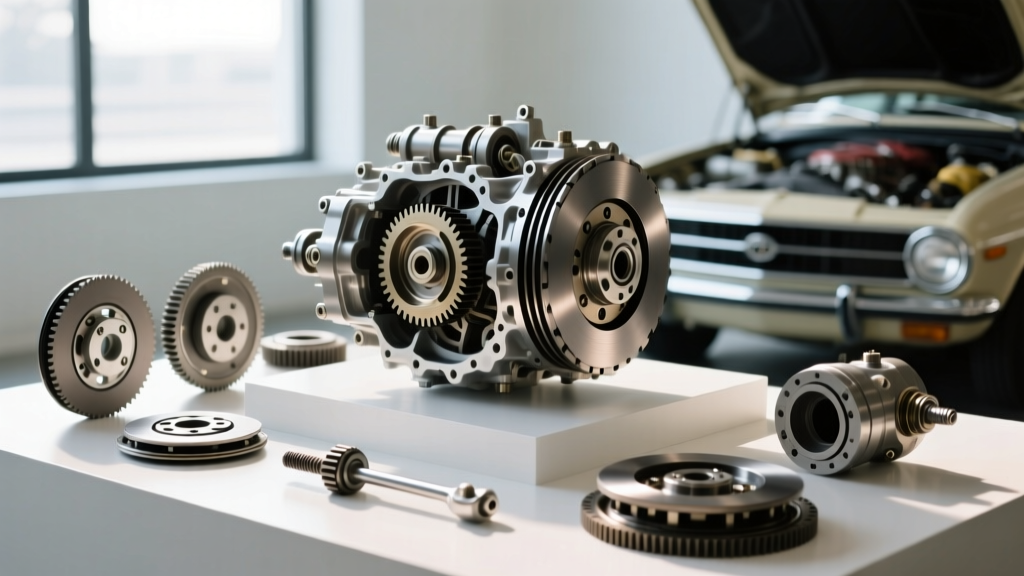
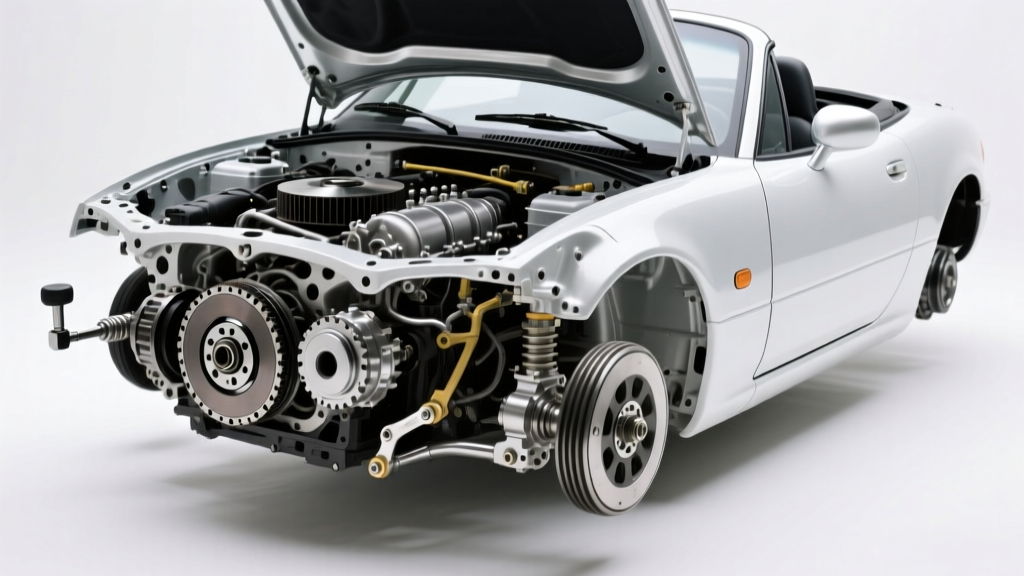
When enthusiasts ask, "can you put a manual transmission in an automatic car," the answer is a resounding yes. However, simply bolting a manual gearbox into an automatic chassis is only half the battle. The true challenge lies in adapting your manual transmission driving techniques to the newly swapped mechanical realities of the vehicle. To explore this, we are using the legendary 1994-1997 Mazda Miata (NA 1.8L) as our model-specific repair baseline for 2026. The transition from the Mazda 4-speed automatic to the robust R155 5-speed manual transmission fundamentally alters pedal geometry, drivetrain inertia, and weight transfer dynamics. This guide bridges the gap between the wrenching required for the swap and the advanced driving techniques necessary to master the car once it leaves the garage.
The Mechanical Baseline: Why the Swap Dictates Your Driving Technique
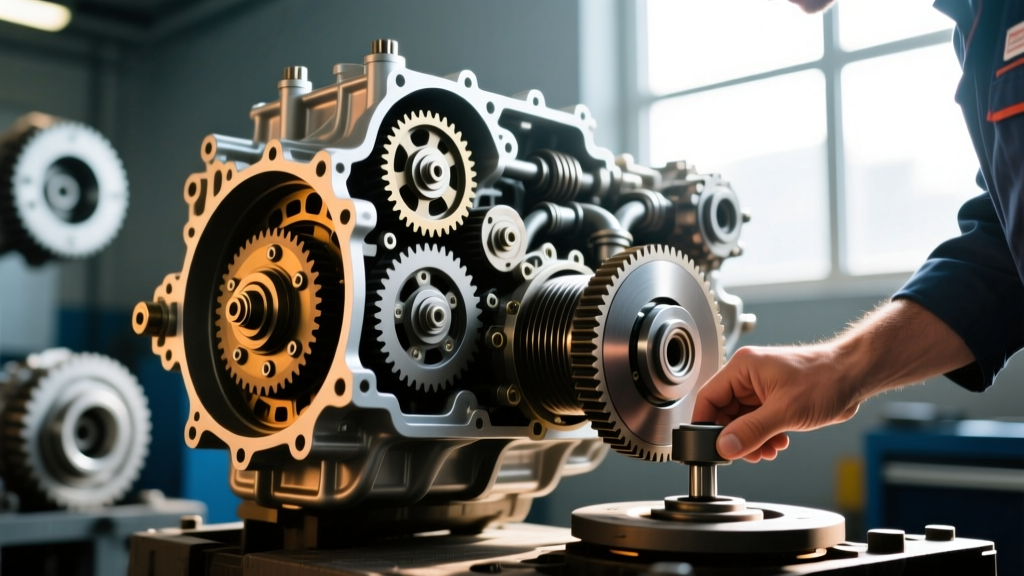
Before you can practice advanced manual driving techniques, the mechanical foundation of the swap must be flawless. Automatic Miatas utilize a weaker rear subframe that lacks the differential nose bushing mount required for the manual transmission's Power Plant Frame (PPF). If you attempt to mate the R155 manual transmission to the automatic subframe without swapping the subframe or fabricating a custom mount, the drivetrain will suffer from catastrophic wind-up. This slop makes low-speed friction zone control—like creeping in traffic or executing smooth hill starts—incredibly jerky and unpredictable.
Furthermore, the automatic Miata features a floor-hinged, narrow gas pedal. To properly execute heel-toe downshifting, you must swap to the manual suspended gas pedal assembly (Part # NA01-41-610B). This wider, top-hinged pedal provides the lateral clearance necessary for your right foot to pivot and blip the throttle while maintaining brake pressure. Skipping this repair step will render advanced track driving techniques physically impossible.
Crucial Swap Specifications & Torque Data
Precision during the repair phase ensures the driving techniques outlined below can be executed safely. Below are the critical specifications for the NA 1.8L auto-to-manual conversion.
| Component / Procedure | Part Number / Spec | Torque / Capacity | 2026 Estimated Cost |
|---|---|---|---|
| R155 5-Speed Manual Transmission | OEM Mazda (Used/Rebuilt) | 2.0L Fluid Capacity | $450 - $850 |
| Exedy Stage 1 Organic Clutch Kit | MZ021 | N/A | $260 - $320 |
| Flywheel (OEM Replacement) | 8818-11-500A | 104 - 112 ft-lbs (w/ Loctite) | $350 - $450 |
| Bellhousing to Block Bolts (19mm) | OEM Hardware | 33 - 40 ft-lbs | N/A |
| Power Plant Frame (PPF) | NA01-28-310 | 134 ft-lbs (Subframe Mounts) | $120 - $200 (Used) |
| Manual Gas Pedal Assembly | NA01-41-610B | N/A | $40 - $80 |
Mastering Post-Swap Manual Transmission Driving Techniques
Once the R155 is bolted in, the hydraulics are bled, and the correct pedal box is installed, the real work begins. Driving a swapped manual car requires recalibrating your muscle memory, especially when dealing with the BP 1.8L engine's specific rotational inertia.
1. Friction Zone Calibration with Lightweight Flywheels
Automatic transmissions use a torque converter to multiply torque and mask engine inertia, allowing for smooth, low-RPM takeoffs. When you swap to a manual, especially if you upgrade to an Exedy lightweight flywheel (Part # MZ071, weighing just 9.5 lbs compared to the stock 21 lbs), the engine loses rotational mass. This means RPMs will plummet the millisecond you lift off the throttle.
The Technique: To prevent stalling and drivetrain shudder, you must feed the clutch slip point with significantly more throttle than you would in a stock manual car. When releasing the clutch pedal through the friction zone (typically the middle 1.5 inches of travel on a properly adjusted Miata master cylinder), hold your right foot steady at 1,800-2,000 RPM. Do not lift off the throttle until the clutch pedal is fully released and the lockout collar is engaged.
2. Precision Rev-Matching the BP 1.8L Engine
Rev-matching is essential to preserve the R155's brass synchronizers and maintain chassis balance during deceleration. Because the NA Miata has relatively short gearing, the RPM drop between gears is aggressive.
The Math: If you are braking for a corner at 45 MPH in 2nd gear (approx. 5,800 RPM) and need to downshift to 1st gear, the engine must be blipped to exactly 7,200 RPM to match the wheel speed. Conversely, shifting from 3rd to 2nd at 40 MPH requires a blip from 4,000 RPM to roughly 5,900 RPM (a 1,900 RPM delta).
The Technique: Practice 'blip' depth in a safe, empty environment. The BP engine's throttle response is sharp; a heavy foot will over-rev and cause the car to lurch forward upon clutch engagement, upsetting the suspension. Aim for a quick, sharp tap with the ball of your foot, timing the clutch release exactly at the apex of the RPM spike.
3. Heel-Toe Downshifting and Pedal Box Geometry
This is where the aforementioned pedal box swap (NA01-41-610B) proves its worth. Heel-toe downshifting allows you to brake deeply into a corner while simultaneously rev-matching the transmission, keeping the engine in its powerband (4,500+ RPM) for the corner exit.
The Technique:
1. Apply initial brake pressure with the ball of your right foot.
2. Roll the right side of your foot (the 'heel' or outer edge) onto the suspended manual gas pedal.
3. Depress the clutch with your left foot and pull the shifter into neutral.
4. Blip the throttle with your rolled right foot to match RPMs.
5. Engage the lower gear and smoothly release the clutch while maintaining brake pressure.
6. Release the brake and roll back onto the throttle for corner exit.
Expert Tip: If your brake pads are worn, the brake pedal sits higher, making the height differential between the brake and gas pedal too extreme for heel-toe. Maintain fresh brake rotors and pads (e.g., Hawk HPS 5.0) to keep the pedal geometry optimal.
4. Trail Braking and Engine Braking Dynamics
In the 4-speed automatic, lifting off the throttle resulted in a gradual coasting deceleration. The R155 manual transmission, particularly in 2nd and 3rd gears, provides aggressive engine braking.
The Technique: Use this engine braking to your advantage via trail braking. As you enter a corner, downshift to 2nd gear using the heel-toe method. The mechanical grip of the engaged clutch will help rotate the rear end of the Miata (lift-off oversteer). Slowly release the brake pedal (trail off) as you turn the steering wheel, transferring the weight from the front tires to a balanced state, allowing the rear tires to use the engine braking force to tighten the car's line through the apex.
Hydraulic Maintenance for Consistent Clutch Engagement
Your driving techniques will fail if the hydraulic system is neglected. The NA Miata uses a shared fluid reservoir for the brakes and the clutch master cylinder (Part # NA01-41-400A). Air trapped in the clutch slave cylinder pushrod will cause a delayed engagement point, making rev-matching a guessing game.
Furthermore, the R155 manual transmission requires exactly 2.0 Liters of 75W-90 GL-4 gear oil. We highly recommend Red Line Synthetic Oil MT-90. Never use GL-5 fluid; the high sulfur content in GL-5 additives will chemically corrode and destroy the brass synchronizers inside the R155, leading to grinding gears and ruined downshifts.
Sources and Further Reading
- For comprehensive factory service manuals and community-verified swap wiring diagrams, consult the Miata.net Garage.
- For detailed specifications on clutch clamping force and flywheel inertia, visit Exedy USA.
- For tribology data on GL-4 vs GL-5 synchro compatibility, reference Red Line Synthetic Oil technical bulletins.