The Truth Behind the Mazda CX-5 Rear Differential Recall
When owners and independent mechanics search for the "Mazda CX-5 rear differential recall," they are typically referring to a widespread series of catastrophic failures affecting the 2013–2018 AWD models. While the NHTSA has not issued a formal safety recall mandating a free fix, Mazda has been the subject of massive class-action lawsuits and has released multiple Technical Service Bulletins (TSBs), such as TSB 03-001/19, addressing premature rear differential bearing failures. The core issue involves the rear differential bearing cages disintegrating under load. When this happens, metal shards circulate through the hypoid gear oil, destroying the ring and pinion gears, and in severe cases, locking the rear driveshaft or seizing the wheels entirely.
Because replacing these units under warranty or through aftermarket sourcing is the primary remedy, understanding differential gear ratio and performance is no longer just for off-roaders or track builders. For the CX-5, installing a replacement rear differential with an incorrect gear ratio is a guaranteed way to destroy the vehicle's entire All-Wheel-Drive (AWD) system. This model-specific repair guide details how to navigate the fallout of the CX-5 differential failures, verify your exact gear ratio, and execute a precision fluid service to ensure long-term survival.
Why Gear Ratios Dictate CX-5 AWD Survival
The Mazda CX-5 utilizes an advanced JTEKT Active Torque Coupling system to distribute power between the front and rear axles. Unlike traditional part-time 4x4 systems that can tolerate slight variances, the CX-5's Power Transfer Unit (PTU) and rear coupling rely on the front and rear propeller shafts spinning at nearly identical speeds during straight-line driving. This synchronization is entirely dependent on the front and rear differential gear ratios being perfectly matched.
If you source a used rear differential from a junkyard to fix your failed unit and accidentally install a 3.846 ratio unit into a vehicle that requires a 4.388 ratio, the consequences are immediate and catastrophic. The vehicle's ECU will detect a constant speed discrepancy between the front and rear axles. Assuming the vehicle is slipping on ice, the ECU will command the Active Torque Coupling to lock. The multi-plate wet clutch will drag continuously at highway speeds, generating immense heat. Within 50 to 100 miles, the specialized coupling fluid will shear, the clutch packs will weld together, and the resulting binding will tear the internal chains out of the front PTU. This turns a $600 rear differential replacement into a $4,500 drivetrain nightmare.
Skyactiv Gear Ratio Breakdown by Powertrain
To prevent AWD binding, you must match the replacement differential to your specific Skyactiv engine and transmission configuration. Below is the definitive gear ratio chart for the AWD CX-5 lineup:
| Model Year | Engine / Powertrain | Rear Gear Ratio | Common Housing Stamp |
|---|---|---|---|
| 2013–2016 | 2.0L / 2.5L Skyactiv-G (NA) | 4.388 | F4 4.388 |
| 2017–2024 | 2.5L Skyactiv-G (NA) | 4.388 | F4 4.388 |
| 2019–2024 | 2.5L Skyactiv-G Turbo | 3.846 | G1 3.846 |
Note: Always verify the ratio via the physical stamp on the differential housing or by decoding the VIN through a Mazda dealership parts counter. Never rely solely on a junkyard's database, as engine swaps and trim-level variations can lead to mislabeled inventory.
Diagnosing Ratio Mismatch and Bearing Failure
Before dropping the rear differential, you must confirm whether the unit has suffered the infamous bearing failure or if it is simply experiencing ratio-induced AWD binding from a previous, incorrect repair.
- Bearing Failure Symptoms: A pronounced whining or howling noise from the rear of the vehicle that scales with vehicle speed (not engine RPM). As the cage disintegrates, this progresses to a metallic grinding sound, followed by a "check AWD system" warning on the dash due to rotational drag.
- Ratio Mismatch Symptoms: The vehicle feels like the brakes are lightly applied during tight, low-speed turns (such as pulling into a parking space). The rear tires may chirp or skip on dry pavement. The AWD warning light will illuminate, and the PTU will run exceptionally hot to the touch after a short drive.
Step-by-Step Gear Ratio Verification
If the differential is already out of the vehicle, or if you are inspecting a used replacement unit, you can manually verify the gear ratio without relying on the exterior stamp, which can sometimes be obscured by rust or undercoating.
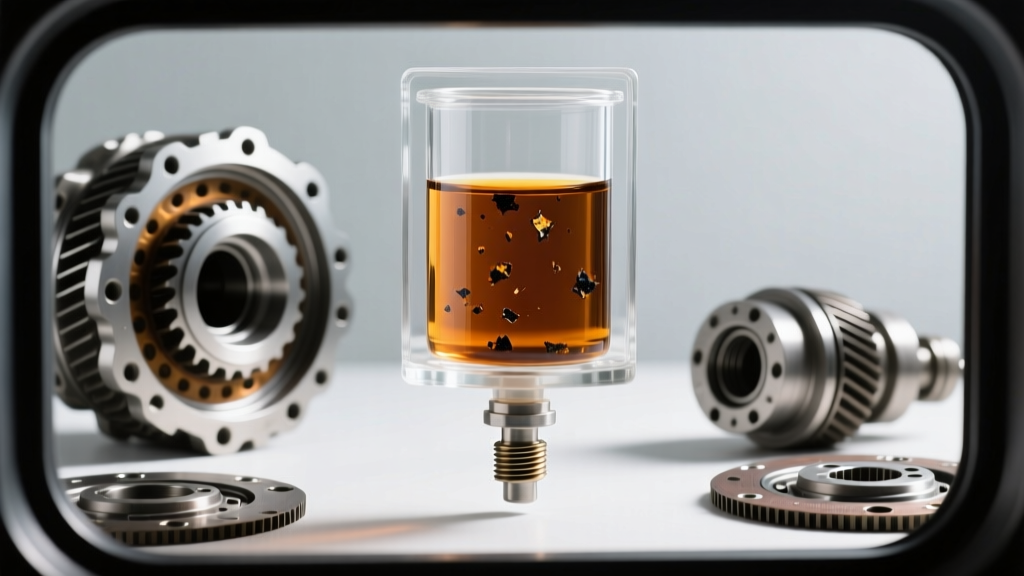
- Remove the rear differential fill plug and drain the gear oil into a catch pan. Inspect the oil for metallic glitter or large bearing roller fragments—the telltale signs of the CX-5 bearing defect.
- Rotate the pinion flange by hand while counting the exact number of revolutions it takes to rotate the ring gear (or the axle shaft, if the cover is off) exactly one full turn.
- A 4.388 ratio will require approximately 4 and 3/8 turns of the pinion flange. A 3.846 ratio will require just under 3 and 7/8 turns.
- For absolute precision, use a degree wheel on the pinion flange. Divide 360 degrees by the gear ratio to find the exact pinion rotation per single ring gear revolution.
Rebuild vs. Replace: Sourcing the Correct Unit
Given the specialized nature of the CX-5's rear differential housing and the integrated active torque coupling mounting points, rebuilding a shattered unit is rarely cost-effective for independent shops. The bearing journals on the aluminum housing often score when the bearing cage fails, meaning a simple bearing and seal kit will not suffice.
| Repair Strategy | Estimated Cost (Parts + Labor) | Warranty / Longevity |
|---|---|---|
| OEM New Rear Differential Assembly | $2,200 – $2,800 | 12-Month / 12,000 Mile (Mazda) |
| Remanufactured Unit (e.g., Propshaft Solutions) | $1,400 – $1,800 | Limited Lifetime (Varies by Builder) |
| Junkyard / LKQ Used Unit | $600 – $900 | 30 to 90 Days (High Risk of Repeat Failure) |
Expert Recommendation: Avoid junkyard units unless you can physically verify the gear ratio stamp and inspect the drain plug magnet for metal shards prior to purchase. The 2013-2016 models are highly prevalent in salvage yards, and many of them are sitting there precisely because their differentials failed.
Precision Fluid Fill: Mazda SG-1 and Torque Specs
Whether you are installing a new unit or performing a preventative fluid change to ward off the bearing failure, using the correct fluid and adhering to strict torque specifications is mandatory. The CX-5 rear differential does not use standard, off-the-shelf 75W-90 GL-5 gear oil from the local auto parts store. Mazda requires a specific low-viscosity hypoid fluid to manage the tight tolerances of the Skyactiv drivetrain and reduce parasitic drag.
CX-5 Rear Differential Service Data
- Fluid Specification: Mazda Genuine Long Life Hypoid Gear Oil SG1 (Part Number: 0000-77-124E-01). If absolutely unavailable, a high-quality synthetic API GL-5 75W-90 (such as Amsoil Severe Gear or Red Line 75W90) can be used as a temporary substitute, though SG1 is heavily preferred for bearing longevity.
- Fluid Capacity: 0.55 Liters (18.6 fl oz / 1.16 Pints).
- Drain Plug Torque: 29 lb-ft (40 Nm). Always replace the aluminum crush washer (Part # 9956-41-400).
- Fill Plug Torque: 29 lb-ft (40 Nm).
- Rear Diff Mounting Bolts: 69 lb-ft (94 Nm).
- Driveshaft Flange Bolts: 58 lb-ft (79 Nm).
The 5,000-Mile Preventative Drain Protocol
Because the CX-5 rear differential holds a mere 0.55 liters of fluid, it has virtually no reserve capacity to handle contamination. If the internal bearings begin to shed microscopic metal particles, the fluid quickly becomes a lapping compound, accelerating the destruction of the ring and pinion. To combat the inherent design flaws highlighted by the CX-5 rear differential recall campaigns and TSBs, enthusiasts and independent transmission specialists strongly recommend a "break-in" fluid change at 5,000 miles, followed by services every 30,000 miles. This aggressive maintenance interval flushes out initial manufacturing wear debris and ensures the hypoid oil film remains intact, significantly extending the life of the vulnerable bearing cages.
By understanding the critical importance of gear ratio matching and adhering to Mazda's exacting fluid specifications, you can successfully navigate the pitfalls of the CX-5 AWD system. Whether you are rectifying a catastrophic bearing failure or performing preventative maintenance, precision is the only metric that matters in modern drivetrain repair.