When a drivetrain begins to slip, shudder, or refuse to engage, vehicle owners and fleet managers are immediately faced with a complex financial and mechanical decision. The approach to diagnosing and fixing these issues varies wildly depending on the gearbox architecture. While a traditional manual transmission clutch repair is generally understood as a predictable, bolt-on mechanical service, addressing clutch problems in automatic transmissions involves navigating a labyrinth of hydraulic circuits, mechatronic units, and submerged multi-plate friction modules. As we move through 2026, the cost disparity between these two repair pathways has widened significantly due to the increasing complexity of modern 8-speed and 10-speed automatics.
This buyer's guide and diagnostic comparison breaks down the exact failure points, component sourcing strategies, and real-world labor costs associated with both systems. Whether you are evaluating a used performance car with a heavy-duty single-plate setup or troubleshooting a slipping torque converter clutch (TCC) in a late-model daily driver, understanding the mechanical divide is critical for making an informed repair or purchase decision.
The Architecture of Engagement: Dry Friction vs. Wet Clutch Packs
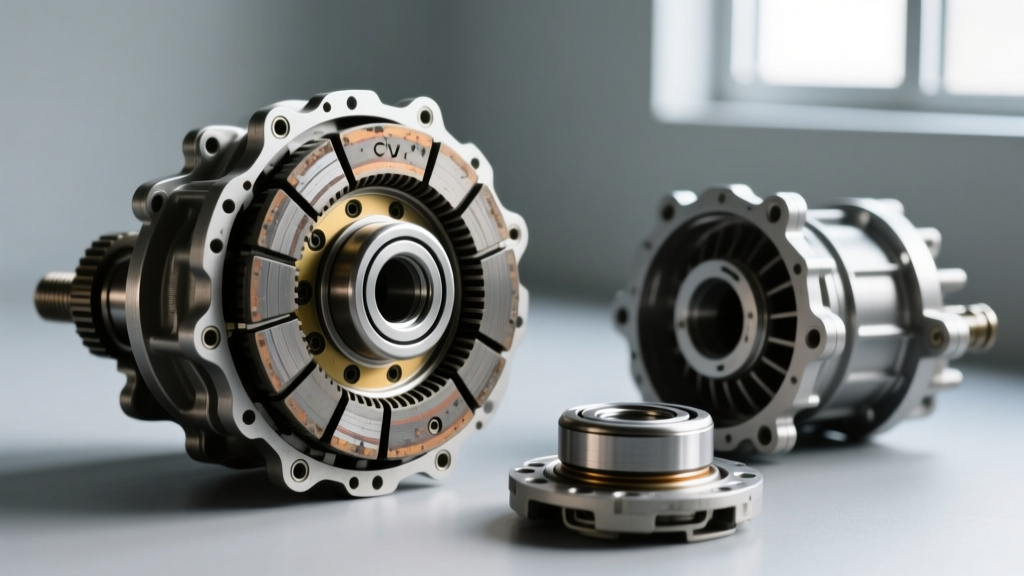
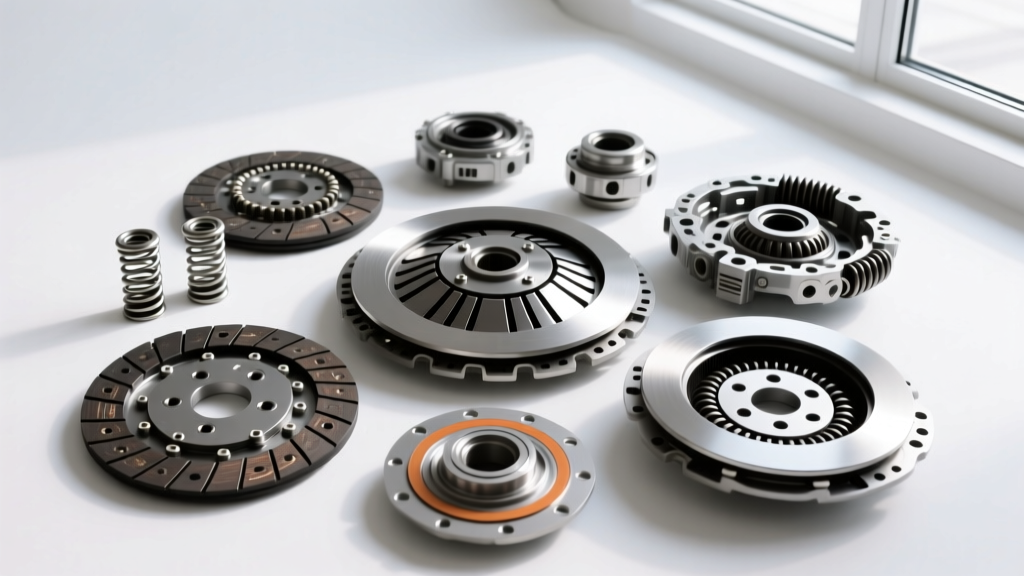
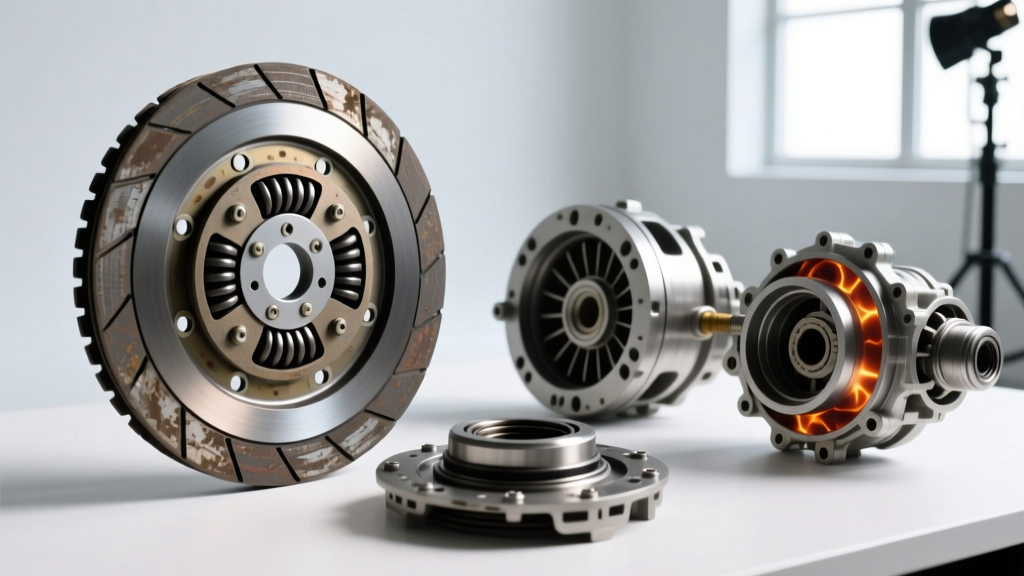
To understand the cost and diagnostic differences, we must first look at how these systems transmit power. A manual transmission relies on a single, large-diameter dry friction disc clamped between the engine's flywheel and a spring-loaded pressure plate. Engagement is binary and mechanically direct, mediated by a release bearing and hydraulic slave cylinder.
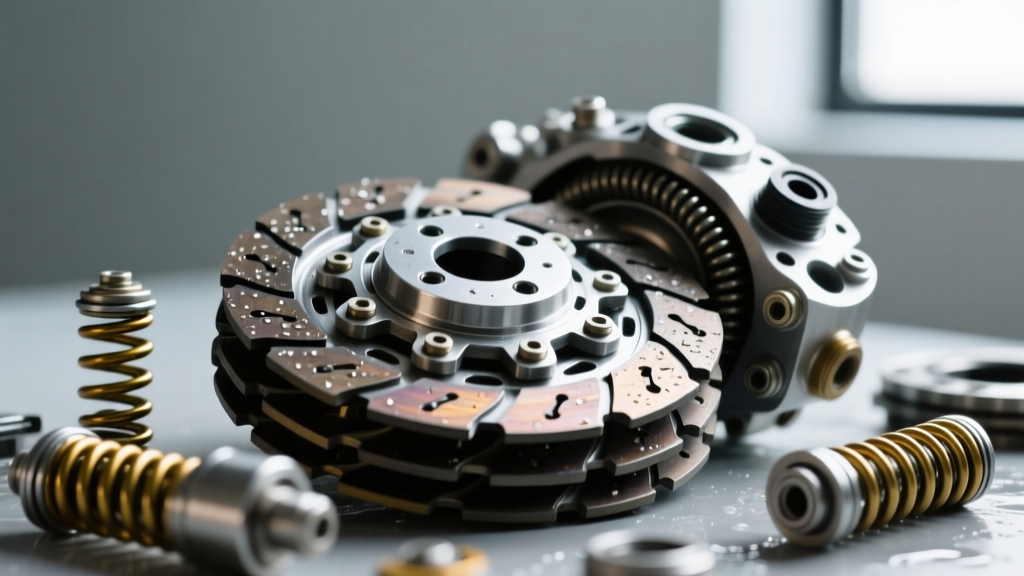
Conversely, automatic clutch problems usually stem from wet, multi-plate clutch packs housed deep within the transmission case. In a modern ZF 8HP 8-speed automatic, for example, there are five distinct clutch packs (A through E) and multiple dog clutches that engage in overlapping sequences to create gear ratios. These friction modules are bathed in automatic transmission fluid (ATF), which serves as both a coolant and a hydraulic medium. When an automatic 'slips,' it is rarely a single worn disc; it is often a failure in the hydraulic apply pressure, a degraded friction surface on a specific clutch pack, or a leaking piston seal within the transmission drum.
Diagnostic Showdown: Spotting the Failure
Manual Transmission Red Flags
Diagnosing a failing manual clutch is highly tactile. The classic symptom is RPM flare under heavy load (e.g., accelerating in 4th gear at 2,500 RPM) without a corresponding increase in vehicle speed. However, in 2026, dual-mass flywheel (DMF) failures often mimic clutch slip. A failing DMF will present with a distinct metallic rattle at idle that disappears when the clutch pedal is depressed, accompanied by severe drivetrain chatter during engagement. Furthermore, hydraulic failures in the concentric slave cylinder (CSC) will result in a spongy pedal and an inability to fully disengage the clutch, causing gear grind rather than slip.
Automatic Clutch Problems & TCC Shudder
Automatic clutch problems are notoriously difficult to isolate without a bi-directional OBD2 scan tool capable of reading transmission line pressure data. The most common complaint is 'TCC shudder'—a rhythmic vibration felt through the floorboards at highway speeds (usually 45-65 mph) that mimics driving over rumble strips. This occurs when the torque converter clutch fails to apply smoothly, rapidly slipping and grabbing. In transmissions like the GM 6L80 or Ford 10R80, this is frequently caused by degraded friction modifiers in the ATF or a failing TCC apply valve in the valve body, rather than a physically destroyed clutch pack. Harsh, banging shifts (e.g., the infamous 2-3 shift flare) usually indicate that a specific clutch pack's clearance has widened due to worn friction material, or the accumulator piston seals have hardened and lost hydraulic pressure.
2026 Cost & Labor Comparison Matrix
The financial reality of drivetrain repairs dictates much of the used car market and fleet maintenance budgets. Below is a comparative breakdown of average repair costs based on current 2026 aftermarket pricing and standard labor times.
| System Type | Common Failure Point | Component Examples | Avg Parts Cost | Labor Hours | Total Est. Cost |
|---|---|---|---|---|---|
| Manual (Standard) | Worn Friction Disc / DMF | LuK RepSet Pro, Sachs XTend | $350 - $850 | 4.5 - 6.5 | $900 - $1,800 |
| Manual (Hydraulic) | Failing Concentric Slave | FTE CSC, OEM Master Cylinder | $120 - $250 | 5.0 - 7.0 | $800 - $1,400 |
| Automatic (TCC) | Torque Converter Clutch | Remanufactured TC, Fluid, Filter | $450 - $900 | 6.0 - 9.0 | $1,400 - $2,600 |
| Automatic (Internal) | Burnt Clutch Pack / Seals | Raybestos GPZ Kit, Sonnax ZIP Kit | $600 - $1,400 | 12.0 - 18.0 | $2,800 - $5,500+ |
Note: Labor rates vary regionally. Internal automatic repairs often require specialized machine shop services for drum resurfacing and torque converter rebuilding, which can add $300-$500 to the final invoice.
Component Buyer's Guide: What to Source
Sourcing Manual Kits
When executing a manual transmission clutch repair, never buy the friction disc alone. The industry standard is to purchase a comprehensive kit. Brands like LuK (Schaeffler Group) and Sachs dominate the OEM replacement space. A proper LuK RepSet includes the pressure plate, friction disc, release bearing, and alignment tool. If the vehicle utilizes a dual-mass flywheel, it is highly recommended to source a LuK DMF conversion kit or a genuine OEM replacement, as resurfacing a DMF is generally not possible due to its internal damping springs. Always replace the pilot bearing and inspect the rear main seal while the engine and transmission are separated.
Sourcing Automatic Friction Modules & Valves
Fixing internal automatic clutch problems requires a surgical approach. If you are rebuilding a ZF 8HP or a GM 8L90, sourcing original equipment friction plates is often difficult for independent shops. Instead, buyers turn to high-performance aftermarket solutions like Raybestos GPZ friction plates, which utilize advanced composite materials designed to handle higher line pressures and resist glazing. Furthermore, addressing hydraulic leaks in the valve body is mandatory. Companies like Sonnax produce 'ZIP Kits' (e.g., the Sonnax 106740-01K for ZF 8-speeds) that replace worn aluminum valve body sleeves with hardened steel and anodized aluminum valves, restoring the precise hydraulic pressure required to clamp the clutch packs without slip.
Fluid Dynamics and Assembly Realities
The fluids used in these systems highlight their fundamental differences. Manual clutch hydraulics rely on DOT 4 or DOT 5.1 brake fluid. Because these fluids are hygroscopic (they absorb moisture from the air), they must be bled meticulously to prevent vapor lock and spongy pedal feel. Assembly torque specs for manual components are critical; for instance, pressure plate bolts (typically M8x1.25) must be torqued in a star pattern to roughly 22-25 lb-ft to prevent warping the diaphragm spring.
Automatic transmissions, however, rely on highly specific synthetic ATFs. The friction modifiers in fluids like ZF LifeguardFluid 8 or GM's Dexron ULV are chemically engineered to match the porosity of the specific paper or composite friction materials used in the clutch packs. Using the wrong fluid will result in immediate TCC shudder or catastrophic clutch pack burnout. During an automatic transmission reassembly, clutch pack clearance is measured with a dial indicator. For example, in a GM 6L80, the 3-5-R clutch pack clearance must typically fall between 0.040' and 0.070'. If the clearance is too tight, the clutch will drag and overheat; if it is too loose, the transmission will experience delayed, flaring shifts as the hydraulic piston travels too far before clamping the friction plates.
The Verdict: Repairability and Longevity
From a buyer's perspective, a vehicle requiring a manual transmission clutch repair remains a highly predictable, manageable expense. The parts are accessible, the mechanical principles are transparent, and any competent drivetrain shop can execute the repair in a single day. The vehicle is typically returned to service with a drivetrain good for another 80,000 to 120,000 miles.
Automatic clutch problems, however, represent a significant financial gamble, particularly on vehicles outside of powertrain warranty coverage. While external issues like a failing torque converter or a leaking mechatronic sleeve can be addressed with moderate expense, internal clutch pack failures require a complete transmission teardown. For buyers evaluating high-mileage automatics, reviewing maintenance records for regular ATF fluid and filter changes (every 40,000-60,000 miles) is the single most reliable indicator of the remaining life of the internal wet clutch packs. According to industry data tracked by Transmission Digest, neglected fluid maintenance remains the number one catalyst for premature automatic clutch pack degradation, making it a vital focal point for any pre-purchase inspection.