The Core Question: Do Manual Transmissions Have Torque Converters?
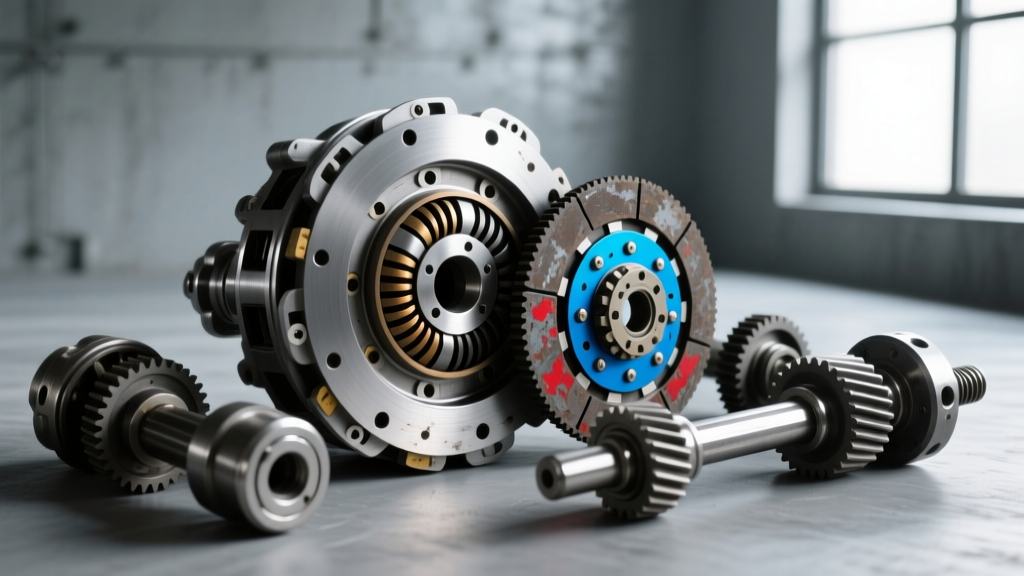
When enthusiasts and DIY mechanics begin diagnosing drivetrain heat issues, a common question surfaces: do manual transmissions have torque converters? The short answer is no. Traditional manual transmissions rely on a dry friction clutch assembly—comprising a flywheel, clutch disc, and pressure plate—to mechanically couple the engine to the transmission input shaft. There is no hydrodynamic fluid coupling involved.
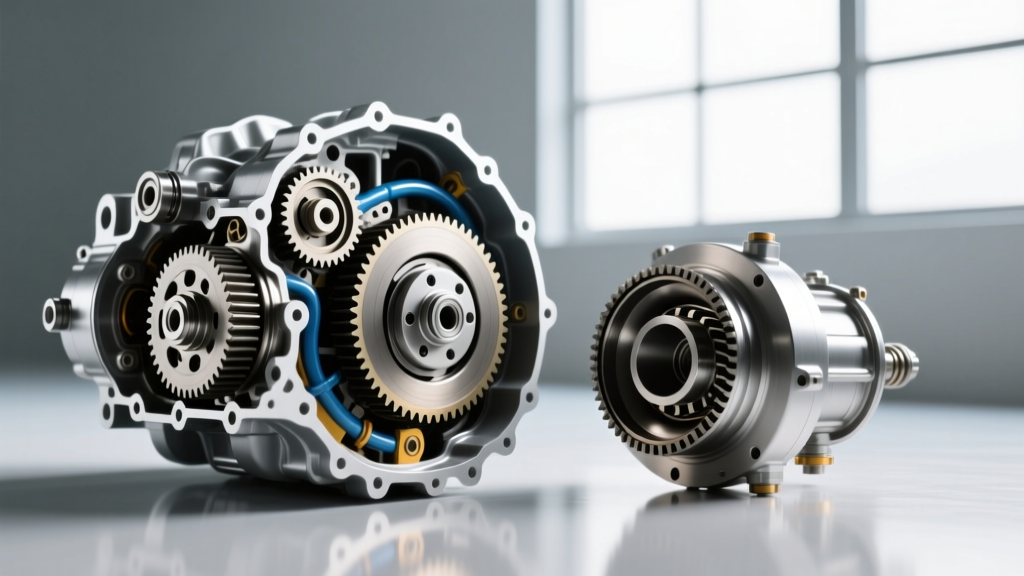
However, the confusion often stems from modern automated manual transmissions (AMTs) and Dual-Clutch Transmissions (DCTs), such as the Porsche PDK or the Ford Powershift. While these still do not use traditional torque converters, they utilize wet multi-plate clutch packs submerged in specialized fluid. These wet clutches are highly susceptible to thermal degradation and overheating, much like an automatic transmission's torque converter. But for true torque converter overheating problems, we must look exclusively at traditional planetary automatic transmissions, such as the GM 6L80, Ford 10R80, and ZF 8HP series.
The Thermal Cascade: Why Automatic Torque Converters Overheat
In an automatic transmission, the torque converter acts as a fluid coupling. The engine drives the impeller, which pushes transmission fluid into the turbine, multiplying torque via the stator. During this hydrodynamic phase (before the Torque Converter Clutch, or TCC, locks up), fluid shear generates massive amounts of heat.
According to industry data from Sonnax, the thermal thresholds for automatic transmission fluid (ATF) dictate the lifespan of your drivetrain:
- 160°F - 190°F: Optimal operating temperature. Fluid provides maximum lubrication and cooling.
- 220°F: The danger zone begins. Varnish starts to form on internal clutches and the stator one-way clutch.
- 240°F: Synthetic and conventional ATF begins to break down chemically. O-rings and lip seals harden and crack.
- 260°F: TCC friction material delaminates, and clutch plates glaze, leading to severe slipping.
- 300°F+: Total catastrophic failure. The ATF essentially turns to sludge, and the torque converter internally welds itself together.
In modern 10-speed transmissions like the Ford 10R80, tighter packaging and higher gear counts mean the TCC applies much earlier and slips continuously in higher gears to smooth out shifts. This constant micro-slipping is a primary culprit behind modern torque converter overheating problems.
Diagnosing Overheating: TCC Shudder vs. Fluid Shear
Before investing in upgrades, you must identify the root cause of the heat. Overheating typically manifests in two distinct ways:
1. Stator One-Way Clutch Failure
If the stator's one-way clutch seizes in the locked position, the stator cannot freewheel at higher coupling speeds. This forces the fluid to churn violently against the stator blades, causing rapid, extreme temperature spikes. You will notice a severe lack of top-end power and a burning smell from the degraded ATF.
2. TCC Apply Issues and Shudder
As noted by Transmission Digest, a failing TCC solenoid or worn friction lining causes the lockup clutch to slip excessively. Instead of a solid 1:1 mechanical lock, the continuous slip generates friction heat directly inside the converter housing, often triggering a P0741 (TCC Stuck Off) or P0742 (TCC Stuck On) diagnostic trouble code.
Buyer’s Guide: Auxiliary Transmission Coolers
If your factory radiator-integrated cooler is insufficient, adding an auxiliary cooler is the most cost-effective defense against torque converter overheating problems. Below is a comparison of the top aftermarket cooling solutions for 2026.
| Brand & Model | Design Type | Best Application | Est. Price Range |
|---|---|---|---|
| Hayden 678 Rapid-Cool | Plate & Fin | Heavy towing, GM 6L80/8L90 | $65 - $85 |
| Derale 13105 | Tube & Fin | Light duty, daily drivers | $45 - $60 |
| Tru-Cool LPD4739 | Low Pressure Drop Plate | Cold climates, ZF 8HP, Ford 10R80 | $110 - $140 |
Expert Buying Tip: For modern 8-speed and 10-speed transmissions, always opt for a Low Pressure Drop (LPD) cooler like the Tru-Cool. Standard tube-and-fin coolers can restrict fluid flow, starving the TCC apply circuit of the hydraulic pressure needed to fully lock the converter, ironically causing more heat.
Buyer’s Guide: Upgraded Torque Converter Replacements
If your fluid is already burnt (smells like toasted marshmallows and contains metallic glitter), a cooler will not save a damaged converter. You must replace the unit. When shopping for a replacement, avoid cheap, unbranded remanufactured units from big-box auto parts stores. Instead, look for billet upgrades.
Why Billet? OEM torque converter covers are stamped steel. Under high heat and pressure, they flex and balloon, reducing TCC clamping force and causing slip. Billet steel covers eliminate this flex.
- Circle D Specialties (e.g., 6L80E Billet Series): Priced between $650 and $950. Features a billet front cover, heavy-duty turbine hub, and upgraded friction materials. Ideal for GM trucks that tow near their max payload.
- Yank Performance (ZF 8HP Series): Priced between $800 and $1,200. Essential for modified Dodge Chargers/Challengers or BMWs where factory stators fail under increased engine torque.
- Precision Industries (Stall Converters): Priced from $500+. Best for naturally aspirated builds needing a higher stall speed to keep the engine in its powerband, though this requires careful tuning to avoid highway cruising heat.
Critical Installation Torque Specs & Clearances
When replacing a torque converter to solve an overheating issue, improper installation will destroy the new unit in under 500 miles. Always verify pilot engagement and use a torque wrench. Here are the baseline specifications for the ubiquitous GM 6L80/6L90 platforms:
- Torque Converter to Flexplate: 46 lb-ft (Use new Grade 10.9 bolts; never reuse stretched OEM bolts).
- Flexplate to Crankshaft: 60 lb-ft, plus an additional 90-degree turn.
- Bellhousing to Engine Block: 37 lb-ft.
- Converter Pilot Clearance: Must have a minimum of 1/8-inch (0.125") clearance between the converter pad and the flexplate before bolting. If you have to pull the converter forward with the bolts, you will crack the transmission oil pump gear immediately upon startup.
Preventative Maintenance & Fluid Selection
To prevent torque converter overheating problems from recurring, fluid chemistry matters. For 2026, full synthetic ATFs with advanced friction modifiers are mandatory for transmissions with continuous TCC slip strategies. Valvoline MaxLife Multi-Vehicle and Mobil 1 Synthetic ATF offer superior thermal stability, resisting varnish formation up to 30°F higher than conventional fluids. Pair a high-quality synthetic fluid with an LPD auxiliary cooler, and your automatic transmission will run cool and lock up efficiently for hundreds of thousands of miles.
For more in-depth diagnostics, always consult Hayden Automotive's thermal management guides to ensure your cooling system is properly sized for your vehicle's specific Gross Combined Weight Rating (GCWR).