The Mechanical Reality of Manual Transmission in Traffic
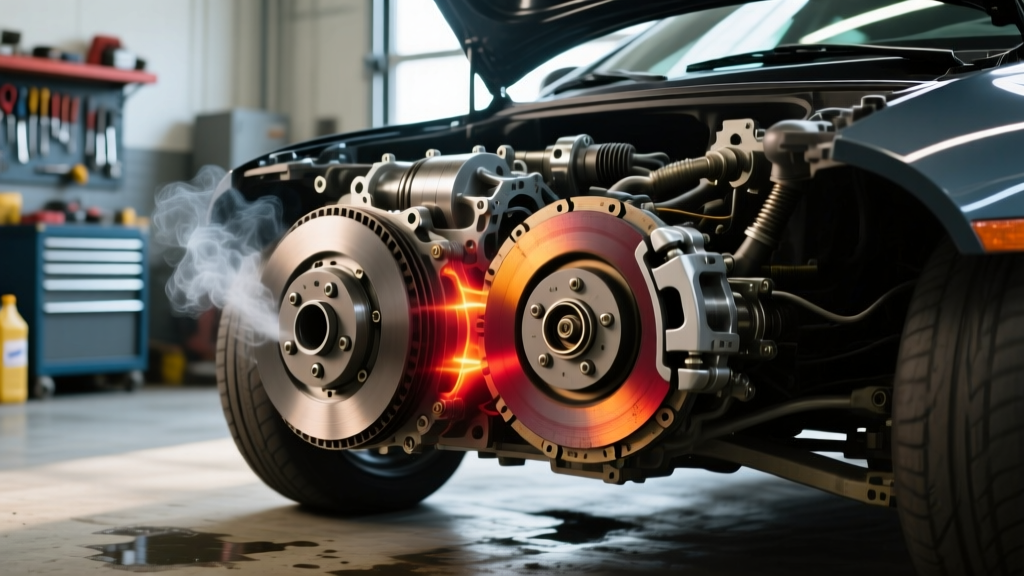
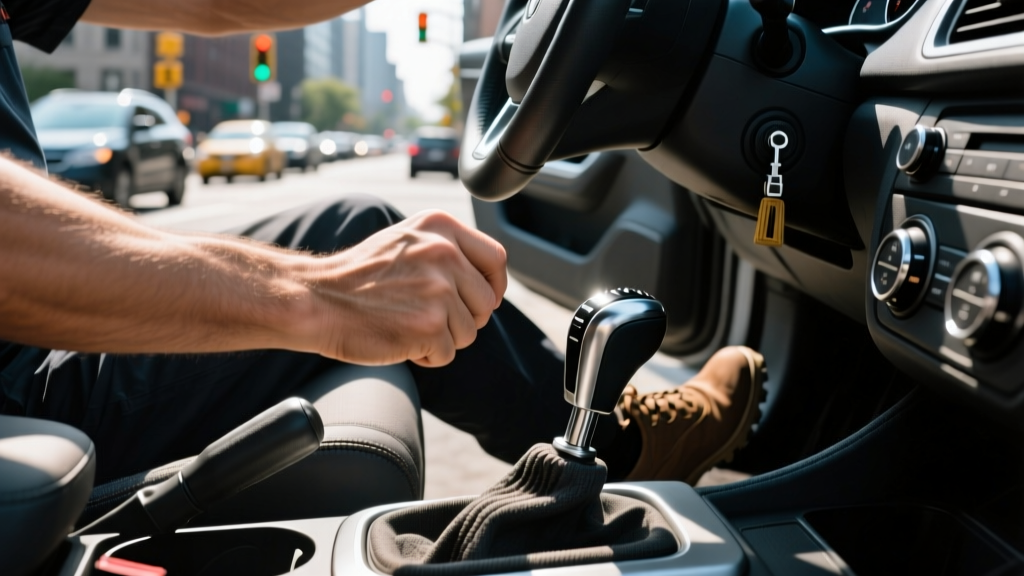
Navigating a manual gearbox in stop-and-go traffic is a rite of passage for driving enthusiasts, but it takes a severe mechanical toll if executed poorly. The urban commute is the natural enemy of the friction clutch. When you sit in gridlock, the temptation to 'ride the clutch'—keeping the pedal partially depressed to inch forward—is immense. However, slipping an organic friction disc (like those found in standard Sachs or LuK clutch kits) at 1,500 RPM while holding the vehicle's weight generates immense heat. Friction material temperatures can easily exceed 400°F (204°C), leading to glazing, premature wear, and the dreaded 'clutch chatter' upon engagement.
Beyond the friction disc, the throw-out bearing (TOB) suffers immensely in traffic. The TOB is designed to spin only during gear changes. When you rest your foot on the clutch pedal or hold the car on an incline using the bite point, you apply constant lateral pressure against the diaphragm spring fingers of the pressure plate. This constant friction wears out the TOB prematurely, a failure that requires dropping the entire transmission—a labor-intensive job that often costs between $800 and $1,500 at an independent shop.
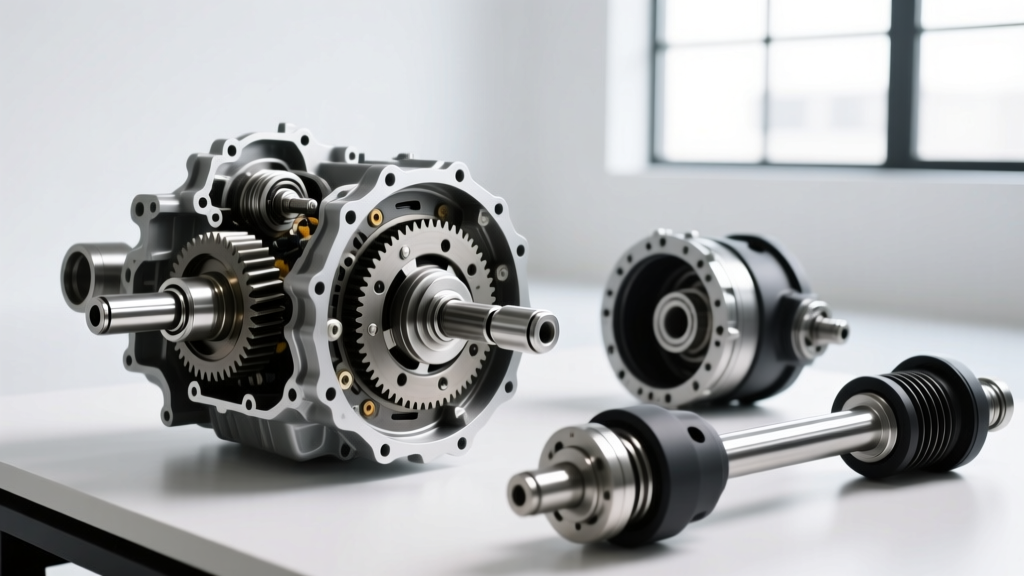
Furthermore, modern manual vehicles (such as those equipped with the VW/Audi MQ350 or the Ford MTX-75 transmissions) rely heavily on Dual-Mass Flywheels (DMF). A DMF uses internal springs to dampen torsional vibrations from the engine. Lugging the engine at low RPMs in heavy traffic, or allowing the car to shudder at the bite point, fatigues these internal springs, leading to a metallic rattling sound at idle and eventual flywheel failure. Replacing a DMF and clutch kit can easily push parts costs past $600.
Step-by-Step: Navigating Stop-and-Go Uphill Traffic
Surviving an uphill traffic jam requires a shift in technique. Instead of balancing the throttle and clutch to hold the car stationary, you must utilize the braking system to save your drivetrain.
- The Handbrake Hold: When traffic stops on an incline, immediately pull the mechanical handbrake or engage the electronic parking brake (EPB). Shift into neutral and take your foot off the clutch pedal. This completely removes the load from the TOB and allows the clutch disc to cool.
- Hill Start Assist (HSA): Many modern manual cars feature HSA, which uses the ABS hydraulic module to maintain brake line pressure for 1.5 to 2.0 seconds after you release the brake pedal. If your car has HSA, find the clutch bite point, apply slight throttle, and the system will seamlessly release the brakes as torque is transferred to the wheels.
- The Gap Rule: In creeping traffic, wait for the car ahead to move at least one full car length before you engage the clutch. Move forward, brake, and return to neutral. Avoid 'inch-worming' with the clutch pedal half-depressed.
The Ultimate Guide: When Parking Uphill in a Car with Manual Transmission
Once you finally escape the gridlock, the final challenge of the commute awaits. Knowing the exact mechanical and geometric steps to take when parking uphill in a car with manual transmission is critical for safety and for preserving your transmission mounts and parking pawl equivalents. Relying solely on leaving the car in gear is a recipe for a rolled vehicle and stressed drivetrain components. Follow this precise, step-by-step shutdown sequence.
Step 1: Wheel Geometry and Curb Positioning
Before turning off the engine, you must angle your front wheels correctly to use the curb as a physical chock. Gravity is your enemy here; if the parking brake cable snaps, the wheels must be angled to catch the curb.
- Uphill with a Curb: Turn your steering wheel fully to the LEFT (away from the curb). If the car rolls backward, the rear of the front right tire will wedge against the curb, stopping the vehicle.
- Uphill without a Curb: Turn your steering wheel fully to the RIGHT (towards the shoulder or ditch). If the car rolls, it will veer off the road rather than backward into traffic.
Step 2: Parking Brake Actuation and Clamping Force
The parking brake is your primary mechanical lock. For vehicles with a traditional mechanical lever, pull the handle up firmly. A properly adjusted rear brake cable should engage fully between 5 to 7 clicks. This equates to roughly 400 to 600 Newtons of cable tension, providing enough clamping force on the rear calipers or drum-in-hat shoes to hold a 3,500 lb vehicle on a 20% grade.
If your vehicle is equipped with an Electronic Parking Brake (EPB), simply pull the EPB switch. Listen for the whine of the 12V DC actuator motors on the rear calipers. Wait until the indicator light on the dash stops flashing and remains solid—this confirms the system has achieved maximum clamping force (typically 1.5 to 2.0 kN per side).
Step 3: The Proper Shutdown and Gear Selection Sequence
Most drivers make a critical error by shutting off the engine while the car is still resting on the foot brake, then shoving it into gear. This leaves the weight of the car resting on the transmission's internal gears, which can make it difficult to pull out of gear the next time you start the car. Use this exact sequence:
- Come to a complete stop using the foot brake.
- Shift into Neutral.
- Engage the Parking Brake fully.
- Release the foot brake. (You may feel the car roll an inch and settle. This is crucial: it transfers the entire weight of the vehicle onto the parking brake cables/calipers, not the transmission).
- Depress the clutch pedal and shift into 1st Gear. (1st gear has the lowest ratio, e.g., 3.5:1, offering the highest engine compression resistance against rolling).
- Turn off the engine and release the clutch pedal.
Wear Comparison: Manual vs. Automatic in Urban Environments
How does the manual transmission stack up against modern automatics when subjected to the rigors of uphill traffic and parking? The data below highlights the distinct wear patterns and maintenance realities of both setups.
| Component / Metric | Manual Transmission (Uphill Traffic) | Automatic Transmission (Torque Converter / DCT) |
|---|---|---|
| Primary Wear Item in Traffic | Friction Disc & Throw-Out Bearing | Transmission Fluid (Heat Degradation) |
| Uphill Holding Mechanism | Clutch Slip (High Wear) or Handbrake (Zero Wear) | Torque Converter Fluid Shear (Generates Heat) |
| Parking Lock Mechanism | Engine Compression (1st Gear) + Parking Brake | Transmission Parking Pawl + Parking Brake |
| Average Replacement Cost (Wear Item) | $800 - $1,500 (Clutch & Flywheel Kit) | $200 - $400 (Fluid & Filter Service) |
| Failure Mode from Bad Parking Habits | Stretched Parking Brake Cable, Rolled Vehicle | Sheared Parking Pawl, Transmission Case Damage |
Preventative Maintenance for the Urban Commuter
If your daily route involves heavy manual transmission in traffic scenarios, your maintenance schedule must be accelerated. The clutch hydraulic system shares fluid with the main braking system in most modern vehicles. Because stop-and-go traffic requires constant brake and clutch application, the DOT 4 brake fluid absorbs moisture rapidly due to its hygroscopic nature. This moisture lowers the fluid's boiling point and causes internal corrosion in the Clutch Master Cylinder (CMC) and slave cylinder.
Flush your clutch hydraulic fluid every 24 months or 30,000 miles. Additionally, periodically check your clutch pedal free-play. A mechanical clutch cable or a worn hydraulic system should have roughly 10mm to 15mm of free-play at the top of the pedal travel. If there is zero free-play, the TOB is constantly engaged with the pressure plate, guaranteeing premature failure. By mastering the handbrake start and executing the proper shutdown sequence when parking uphill in a car with manual transmission, you can easily extend the life of your clutch assembly past 100,000 miles, even in the worst urban gridlock.
For more foundational techniques on stick-shift operation, refer to expert guides from Hagerty Media and the operational breakdowns provided by MotorTrend. Understanding the mechanical sympathy required for manual gearboxes is what separates a driver from a true automotive enthusiast.