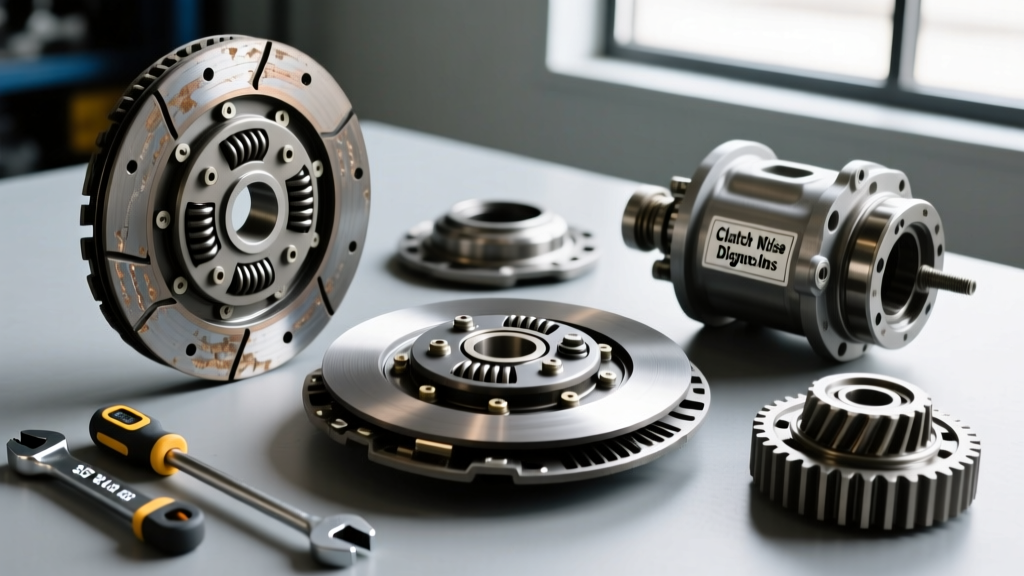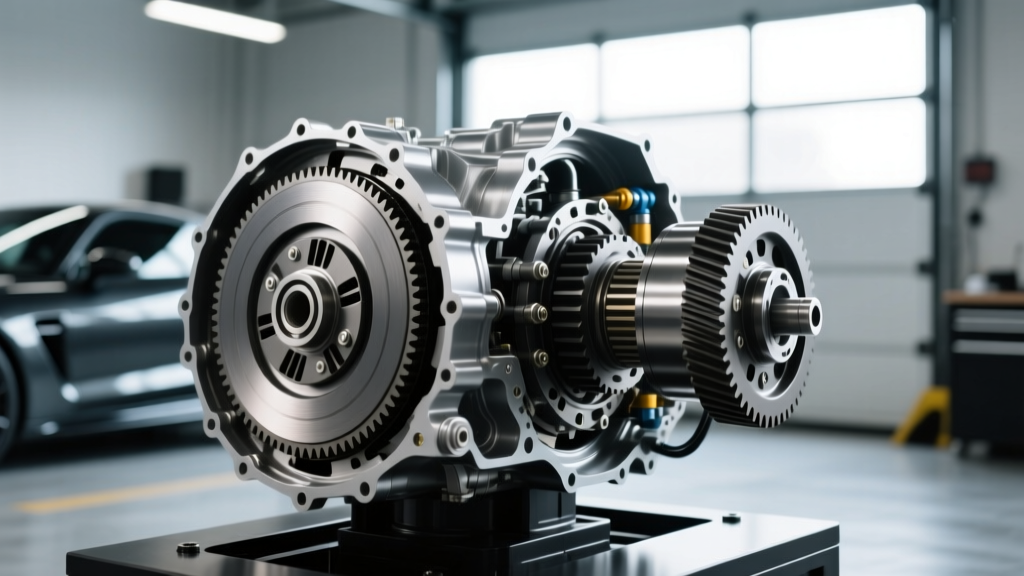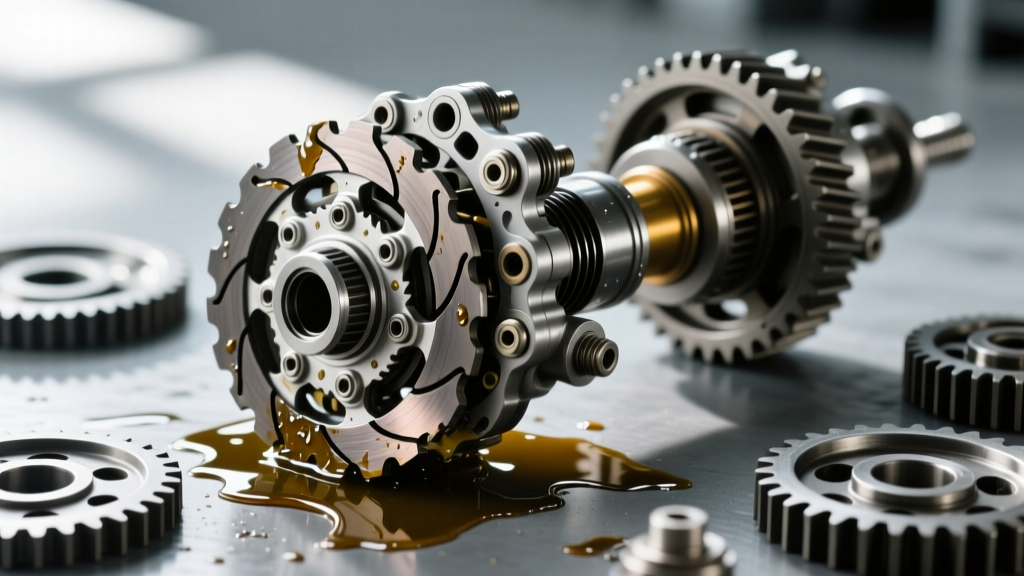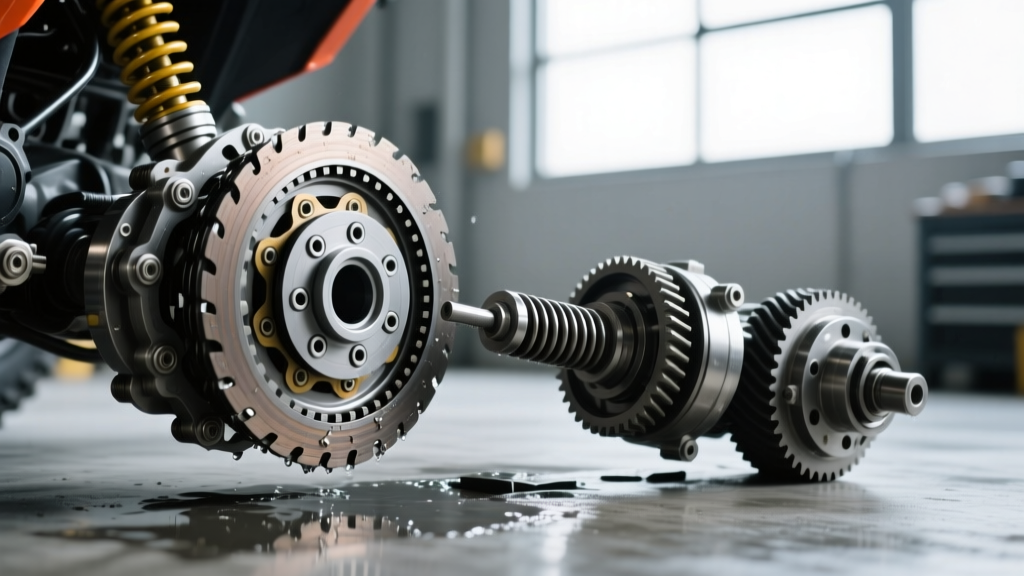
The Reality of Clutch Cargo: Why Your Payload Matters
When riders and mechanics talk about clutch cargo, they are not referring to a vintage cartoon character. In the powersports world, 'clutch cargo' refers to the physical payload—luggage, hunting gear, trail supplies, or a passenger—strapped to your motorcycle or ATV, and how that mass directly stresses your drivetrain. For beginners, it is easy to assume that a vehicle rated for 300 pounds of cargo can handle that weight without consequence. However, the clutch system is the critical bottleneck between the engine's rotational force and the rear wheels.
Hauling heavy loads increases the rolling resistance and the torque required to accelerate. If the clutch cannot transfer this increased torque, it slips. Over time, managing excessive clutch cargo without proper diagnostics leads to glazed friction plates, warped steels, and burned transmission oil. In this beginner-friendly explainer, we will break down exactly how to diagnose clutch slip caused by heavy payloads across the three main powersports clutch architectures: wet multi-plate, centrifugal (CVT), and dry single-plate systems.
Wet Multi-Plate Systems: Dirt Bikes, ADVs, and Cruisers
The vast majority of manual motorcycles and sport ATVs utilize a wet multi-plate clutch. This system relies on alternating friction and steel plates bathed in engine oil to transfer power. When you load down an Adventure bike like a BMW R1250GS or a dirt bike like a Honda CRF450R with heavy gear, the engine demands more torque at low RPMs to get the mass moving.
Diagnosing the Slip Under Load
The classic symptom of clutch cargo overload in a wet system is an RPM flare without a corresponding increase in wheel speed, usually occurring in 3rd or 4th gear while climbing an incline. To diagnose this safely:
- The Hill & Haul Test: With your typical cargo load secured, find a moderate incline. Ride in 3rd gear at roughly 3,500 RPM. Roll on the throttle firmly. If the tachometer needle jumps but your speedometer does not, your clutch pack is slipping.
- Lever Free-Play Check: Heavy loads often tempt riders to 'ride the clutch' at low speeds to avoid stalling. This habit stretches the clutch cable. Ensure your lever has exactly 10mm to 15mm (about 3/8 to 5/8 inch) of free-play at the lever perch before the cable pulls the lifter rod. Zero free-play means the release bearing is constantly pressing on the pressure plate, causing micro-slipping under cargo loads.
Specs, Torques, and Fixes
If your diagnosis confirms wear, you must measure the components against factory service limits. Let us look at a common benchmark, the Honda CRF450R wet clutch:
- Friction Plate Thickness: Measure the tabs. Standard is 3.0mm; the service limit is typically 2.6mm. A full set of OEM plates costs around $15 to $22 each.
- Clutch Spring Free Length: Heavy cargo and aggressive riding compress springs over time. Measure with calipers; if the free length drops below 41.0mm, replace the set ($40-$60 for heavy-duty aftermarket springs).
- Clutch Center Nut Torque: When reassembling, the inner hub nut must be torqued precisely to 59 lb-ft (80 Nm) using a dedicated clutch holding tool. Guessing this torque will result in the hub backing off and destroying the transmission input shaft.
Centrifugal and CVT Systems: Utility ATVs and UTVs
Utility vehicles like the Yamaha Grizzly 700 or Honda Foreman do not use a traditional manual clutch lever. Instead, they use a wet centrifugal shoe clutch that engages the CVT (Continuously Variable Transmission) primary sheave. When you strap a 200-pound deer or heavy camping gear to the rack, the centrifugal clutch takes a massive beating before the CVT even begins to multiply torque.
Diagnosing Centrifugal Shoe Glazing
If your ATV feels sluggish off the line when loaded, or you hear a high-pitched 'zinging' or rattling noise from the left-side engine cover at 2,000 RPM, your clutch shoes are slipping against the inner drum. The heavy cargo requires more low-end torque than the worn shoes can grip, causing them to skate across the drum surface and glaze.
Pro-Tip: Never spray brake cleaner directly into an assembled ATV centrifugal clutch. The harsh chemicals can degrade the rubber seals on the CVT primary shaft and contaminate the wet shoe pads, guaranteeing permanent slip.
Wear Limits and Replacement Data
To inspect, remove the left crankcase cover (usually requiring an 8mm and 10mm socket set, plus a puller for the inner hub). Use a micrometer to measure the clutch shoe friction material.
| Component | New Specification | Service Wear Limit | Estimated OEM Part Cost |
|---|---|---|---|
| Centrifugal Shoe Friction Pad | 3.5 mm | 2.0 mm | $65 - $90 (Set of 3) |
| Inner Drum (Bell) | Smooth / Machined | Grooved / Blued from Heat | $120 - $160 |
| Primary Sheave Slider Weights | 24.5 grams | Flat spots / Chipped | $45 (Set) |
Note: If the inner drum is blued from heat due to heavy clutch cargo slip, you can sometimes save it by scuffing the inner diameter with 120-grit sandpaper. If grooves are deeper than 0.5mm, replacement is mandatory.
The Silent Killer: Clutch Basket Notching
Whether you ride a manual street bike or a sport quad, hauling heavy cargo accelerates a mechanical failure known as basket notching. The outer clutch basket is typically made of cast aluminum, while the friction plates have steel tabs. Under heavy payload, the shock loads of engagement cause the hard steel tabs to hammer into the soft aluminum tangs of the basket, creating deep notches.
When notches form, the plates cannot slide freely. This causes 'clutch drag'—the bike lurches forward when you pull the lever in and try to shift into first gear, or it creeps forward at stoplights. For heavy-haul riders, the ultimate fix is upgrading to a billet aluminum or steel-insert clutch basket from manufacturers like Hinson or Wiseco (typically $250-$350), which completely eliminates notching regardless of your cargo weight.
Fluid Chemistry: The JASO MA2 Mandate
The most common beginner mistake when maintaining a machine used for heavy hauling is using the wrong oil. Car oils and standard motorcycle oils without the correct friction modifiers will destroy a wet clutch's ability to handle cargo.
You must look for the JASO MA or MA2 certification on the oil bottle. JASO (Japanese Automotive Standards Organization) MA2 oils are specifically formulated with high-friction additives that allow the clutch plates to bite under extreme torque loads. Using an API SN automotive oil containing molybdenum friction modifiers will coat your clutch plates, causing immediate and catastrophic slip the moment you load up your bike. Always drain and replace with a verified JASO MA2 10W-40 or 20W-50 synthetic after a season of heavy hauling. For authoritative guidance on lubricants, consult resources like the RevZilla Common Tread maintenance library or your OEM dealer via Partzilla's OEM catalogs.
Summary Checklist for the Heavy Hauler
Before your next trip with maxed-out cargo capacity, run through this quick diagnostic checklist:
- Verify Lever/Cable Free-Play: 10-15mm at the perch.
- Check Fluid Level & Type: Ensure JASO MA2 certification; top off if below the upper sight-glass line.
- Inspect for Drag: With the bike on a stand and in gear, pull the clutch lever and spin the rear wheel. It should spin freely without the chain trying to pull the wheel forward.
- Smell the Oil: If your engine oil smells burnt or acrid, your clutch has been slipping under load, and the oil's friction properties are compromised. Change it immediately.
By understanding the physics of your payload and respecting the mechanical limits of your friction materials, you can safely manage your clutch cargo and keep your machine pulling strong on the trail or highway.