The M-PACT Ceramic Puck Reality: Performance vs. NVH
Upgrading to a high-performance clutch is a rite of passage for anyone pushing past the 450-wheel-horsepower mark. In our 2026 performance benchmarking, the M-PACT Stage 3/4 Ceramic Puck Clutch remains a popular choice for forced-induction V8s and high-boost import builds. However, with extreme clamping force comes the notorious side effect of Noise, Vibration, and Harshness (NVH). Specifically, clutch chatter and low-speed engagement vibration are the most common complaints we see on the dyno and in the garage.
This comprehensive M-PACT clutch review goes beyond basic torque ratings. We will dissect the mechanical root causes of clutch chatter, provide exact diagnostic frameworks, and outline the precision installation protocols required to make a high-friction ceramic puck drivable on the street.
M-PACT Clutch Review: Stage 4 Ceramic Puck Overview
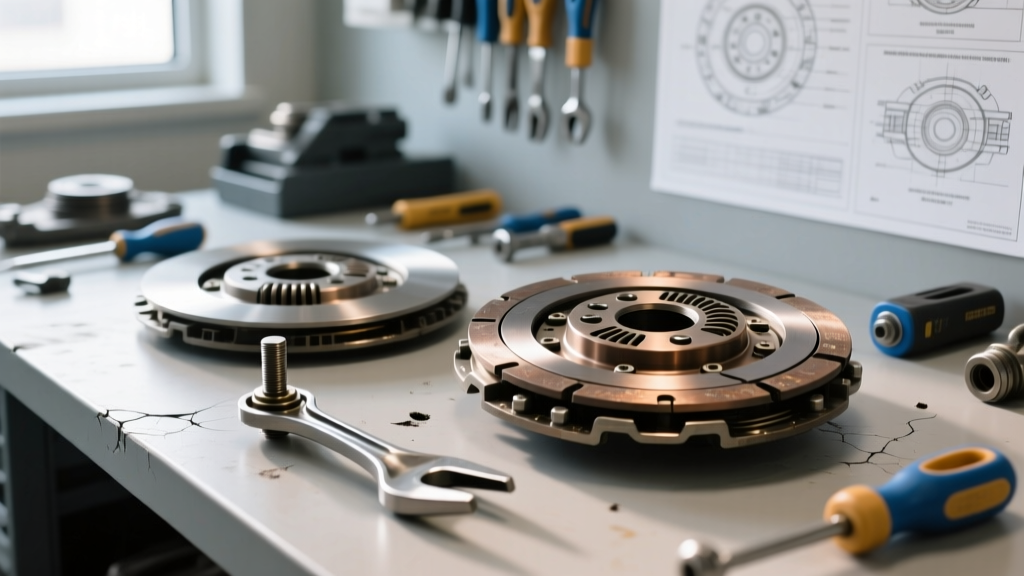
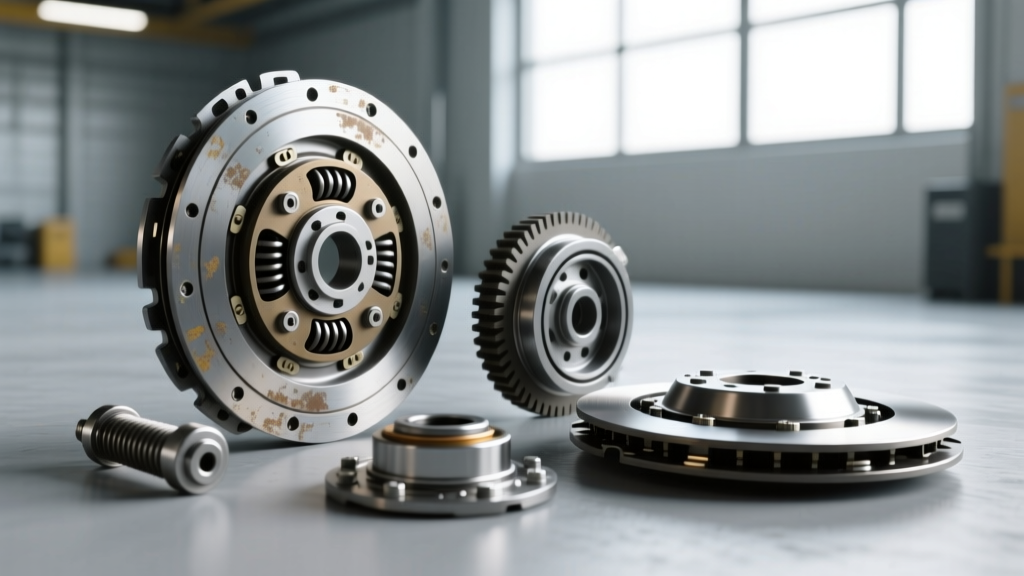
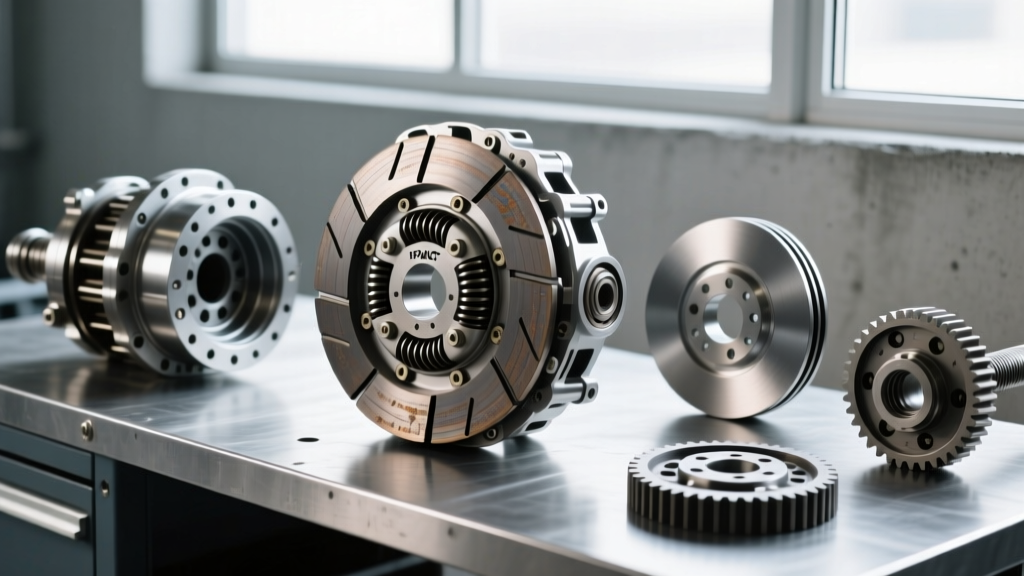
The M-PACT Stage 4 kit is engineered for severe-duty applications, utilizing a 6-puck ceramic button design with a heavy-duty diaphragm pressure plate.
- Clamp Load: ~3,200 lbs (compared to OEM ~1,800 lbs)
- Torque Capacity: Rated for 650-720 lb-ft at the crank
- Friction Material: Sintered ceramic composite
- Typical Pricing: $480 - $650 USD (kit including pressure plate, disc, and alignment tool)
While the holding power is undeniable, ceramic pucks lack the progressive engagement characteristics of organic or Kevlar discs. The friction coefficient (μ) spikes almost instantly upon contact with the flywheel. If the driveline is not perfectly harmonized, this sudden spike translates directly into violent clutch chatter.
Root Cause Analysis: Why High-Clamp Clutches Chatter
Clutch chatter is not a defect of the M-PACT disc itself; it is a symptom of a systemic driveline mismatch. When diagnosing vibration and chatter, you must evaluate the entire release and friction interface.
1. Flywheel Surface Finish (Ra) and Runout
The most frequent cause of M-PACT clutch chatter is an improper flywheel surface finish. Ceramic pucks require a specific Roughness Average (Ra) to grip smoothly. If a machine shop resurfaces a dual-mass or single-mass flywheel to a mirror finish (under 15 Ra microinches), the ceramic buttons will slip and grab repeatedly, causing severe chatter. Conversely, a finish that is too rough (above 65 Ra) will tear the ceramic material and cause high-frequency vibration.
Expert Spec: For sintered ceramic puck clutches, mandate a flywheel surface finish between 32 and 45 Ra microinches with a non-directional cross-hatch pattern. Furthermore, Total Indicator Runout (TIR) must not exceed 0.005 inches (0.127mm).
2. Driveline Harmonics and Motor Mount Deflection
When the M-PACT clutch engages, the sudden transfer of torque twists the engine block on its mounts. If you are running solid aluminum motor mounts or high-durometer polyurethane inserts (e.g., 88A+), the chassis has no way to absorb the kinetic shock. The engine physically lifts and drops during the friction zone, manifesting as violent chassis chatter. Upgrading to a 70A-75A polyurethane mount or retaining hydraulic OEM mounts for street-driven builds is critical to dampening this harmonic resonance.
3. Release Bearing Preload and Pivot Ball Wear
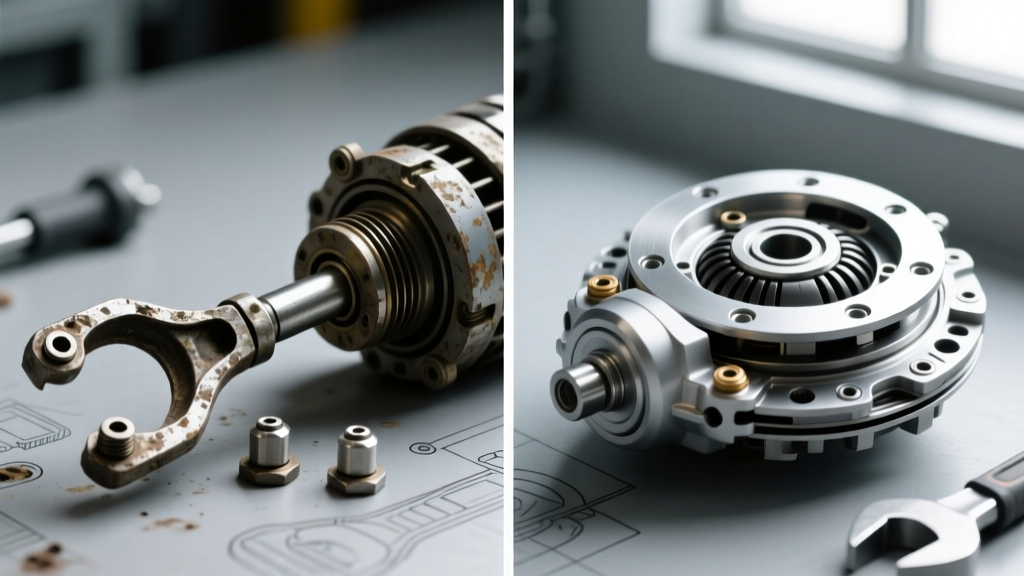
Hydraulic release systems in modern manual transmissions (such as the Tremec T56 Magnum or Ford MT-82) rely on a Concentric Slave Cylinder (CSC). If the clutch fork pivot ball is worn, or if the pushrod length is incorrect, the release bearing may maintain constant, light pressure against the diaphragm fingers. This causes the clutch to micro-slip under load, generating immense heat, glazing the ceramic pucks, and creating a high-frequency vibration that mimics chatter.
Diagnostic Matrix: Chatter vs. High-RPM Vibration
Before pulling the transmission, use this diagnostic table to isolate whether your issue is engagement chatter or rotational vibration.
| Symptom Profile | When It Occurs | Primary Suspect Component | Diagnostic Action |
|---|---|---|---|
| Low-Speed Chatter | 1st or Reverse gear, RPMs below 1,500, releasing pedal in the friction zone. | Flywheel Ra finish, motor mounts, or glazed ceramic pucks. | Check flywheel TIR and Ra; inspect mounts for binding. |
| High-RPM Vibration | 3,000+ RPM in neutral or while cruising, pedal fully released. | Clutch disc imbalance, bent pressure plate fingers, or input shaft wear. | Check for disc hub spline rattle; inspect release bearing preload. |
| Pedal Pulsation | Felt through the clutch pedal during engagement or disengagement. | Warped flywheel, uneven diaphragm spring tension, or bent fork. | Measure flywheel runout with a dial indicator while rotating crank. |
The 2026 Benchmark Installation Protocol
To eliminate chatter when installing an M-PACT ceramic kit, precision is non-negotiable. Follow these exact specifications during your build.
Hardware and Torque Specifications
Never reuse factory flywheel bolts. The clamping force of a 3,200 lb pressure plate combined with high-RPM torque spikes will stretch OEM hardware. We recommend using ARP 2000 series flywheel bolts with ARP Ultra-Torque lubricant. For a standard GM LS-application (e.g., L99 or LS3 with a T56 Magnum), torque the flywheel bolts in a star pattern to 74 lb-ft, plus an additional 90 degrees of rotation. Pressure plate bolts (typically M8x1.25) should be torqued in a crisscross pattern to 25 lb-ft.
Hydraulic System Overhaul
Ceramic clutches demand crisp hydraulic actuation. Flush the OEM DOT 3 fluid and replace it with a high-performance DOT 4 fluid like Motul RBF 600 (dry boiling point 613°F / 323°C). If your platform utilizes an external slave cylinder, upgrade to a braided stainless-steel clutch line to prevent hose expansion under the heavy pedal effort required by the M-PACT pressure plate. Ensure the 10mm bleeder valve is fully purged; even 2% air volume in the line will cause inconsistent engagement and induce chatter.
The 500-Mile Bed-In Procedure
Unlike organic clutches, ceramic pucks do not bed-in instantly. Out of the box, the buttons have microscopic machining ridges. If you perform a hard launch on day one, you will instantly glaze the friction surface and permanently ruin the disc.
- Miles 0-100: Drive conservatively. Slip the clutch slightly more than normal during 1st and 2nd gear engagements to generate mild, even heat.
- Miles 100-300: Engage in stop-and-go city driving. The goal is to transfer a microscopic layer of ceramic friction material onto the flywheel's cross-hatch pattern.
- Miles 300-500: Gradually increase torque loads. Avoid wide-open-throttle (WOT) launches or aggressive drag-strip passes until the 500-mile mark is reached.
Final Verdict: Is the M-PACT Worth the Trade-off?
Our M-PACT clutch review concludes that this kit is an exceptional value for dedicated track cars, drag builds, or weekend warriors making 600+ lb-ft of torque. However, for a daily-driven street car, the aggressive engagement and inherent low-speed chatter require significant compromises in drivability. If you are unwilling to adhere to strict flywheel Ra tolerances, upgrade your hydraulic lines, and perform a meticulous 500-mile bed-in procedure, you are better served by a twin-disc organic/Kevlar setup from manufacturers like Exedy or McLeod. But if you respect the engineering tolerances and diagnose your driveline harmonics correctly, the M-PACT ceramic puck will provide bulletproof holding power for years to come.