The Mechanics of Limited Slip Differential Operation
The limited slip differential (LSD) remains a cornerstone of high-performance, towing, and off-road drivetrains. Unlike an open differential, which routes torque to the path of least resistance (the wheel with the least traction), an LSD utilizes internal mechanisms to bias torque across both axle shafts. Understanding the precise operation of your specific LSD is the first step in executing a proper maintenance protocol.
Clutch-Pack vs. Helical Gear Architectures
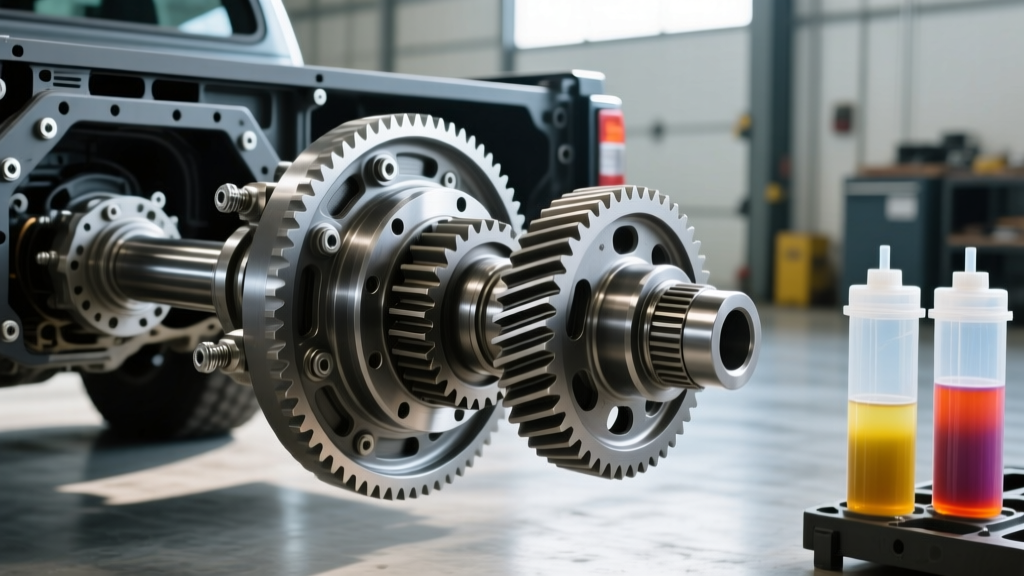
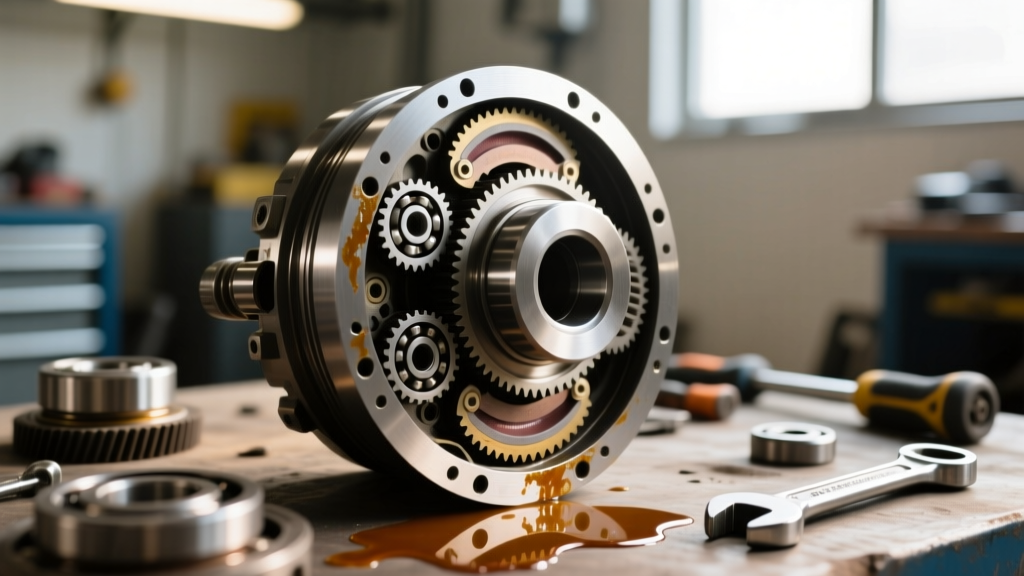
Most factory-installed LSDs, such as the Ford 8.8 Trac-Lok or the Dana 44 Powr-Lok, utilize a clutch-pack design. These systems feature alternating sets of steel reaction plates and friction-lined clutch discs splined to the side gears and the differential case, respectively. Preload springs (often S-shaped or coil-type) apply a baseline clamping force, while internal ramp rings generate additional axial thrust under torque, locking the packs tighter as load increases.
Conversely, helical gear LSDs (like the Eaton Truetrac or Torsen T-1) rely on the binding forces of worm gears and side gears to multiply torque without the use of friction clutches. While helical designs are inherently low-maintenance and do not require special friction modifiers, clutch-pack LSDs demand meticulous fluid chemistry and precise sealing to prevent catastrophic chatter and premature wear.
Fluid Dynamics: GL-5 Gear Oil and Friction Modifiers
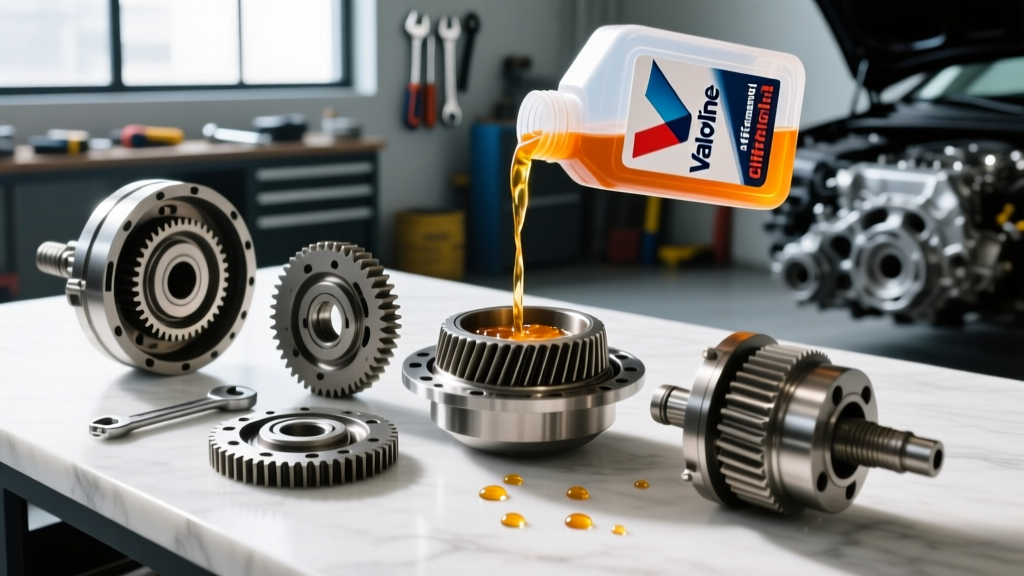
The lifeblood of any clutch-pack LSD is its gear oil. Automotive engineers mandate API GL-5 certified lubricants, typically in 75W-90 or 75W-140 viscosities, due to the extreme-pressure (EP) additives required to protect the hypoid ring and pinion gears. However, standard GL-5 oil is insufficient for the clutch packs.
Without a dedicated friction modifier, the clutch discs will experience "stick-slip" friction during low-speed cornering. This manifests as an aggressive, shuddering chatter that can shatter side gears and destroy the differential case. Manufacturers require specific additive packages, such as Ford XL-3 (EST-M2C118-A) or GM EOS (12377916). The standard dosage is generally 4 fluid ounces of modifier per quart of gear oil, though competition builds with carbon-fiber clutches may require custom tuning to achieve the target breakaway torque (typically 40-80 lb-ft for street use, and 120+ lb-ft for track use).
Sealing the Housing: Pre-Cut Gaskets vs. Differential Gasket Sealer
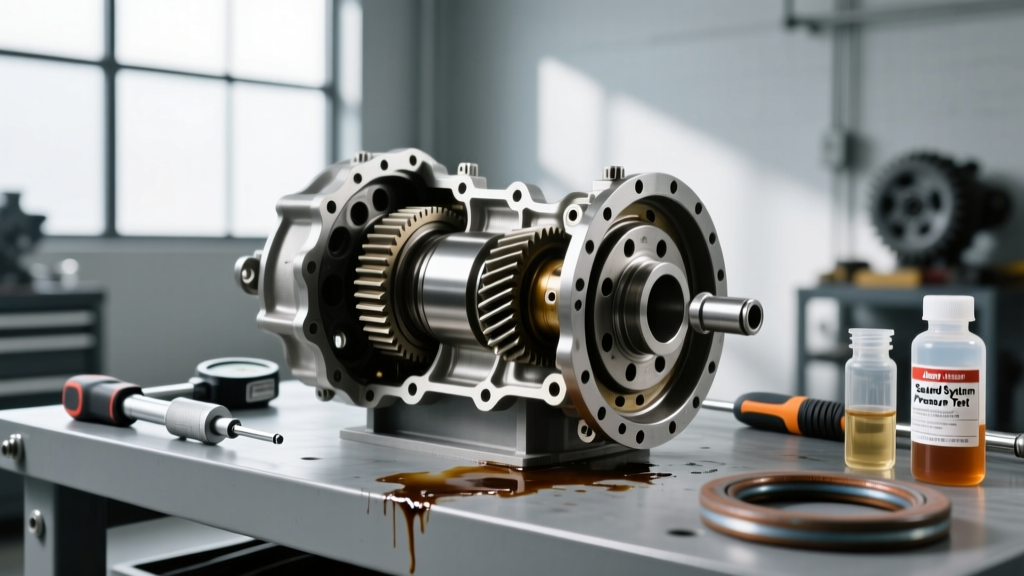
When performing a drain, flush, and fill, the integrity of the axle housing seal is paramount. Gear oil is notoriously difficult to contain; its low surface tension and high sulfur content allow it to weep through microscopic imperfections. While older axles relied on cork or rubber pre-cut gaskets, modern high-performance applications frequently require a high-quality differential gasket sealer to ensure a leak-free, permanent bond.
Choosing the Right RTV Silicone
Not all silicones are created equal. Standard hardware-store RTV will rapidly degrade when exposed to the extreme-pressure sulfur compounds in GL-5 gear oil. You must use an oil-resistant, sensor-safe RTV. According to Permatex RTV Silicone Technical Data, two formulations dominate the differential service bay:
- Permatex Ultra Black (Part #82180): The industry standard for differentials. It offers maximum flexibility, exceptional oil resistance, and a working time of 4 minutes with a full cure in 24 hours.
- Permatex The Right Stuff (Part #29208): A fast-curing elastomer designed for production-line speeds. It seals instantly and allows for immediate fluid fill, making it ideal for commercial shops, though it requires flawless surface preparation and immediate assembly.
Expert Tip: Never combine a pre-cut cork gasket with RTV differential gasket sealer. The compression limit of the cork will prevent the RTV from achieving the necessary surface contact, leading to inevitable weeping at the bolt holes. Choose one sealing method and commit to it.
Technical Matrix: Popular LSD Axle Specifications
Reference the table below for exact fluid capacities, torque specifications, and sealing recommendations for common clutch-pack LSD axles. Always verify with the specific OEM service manual, as aftermarket differential covers will alter fluid volume requirements.
| Axle Model | LSD Type | Fluid Capacity (OEM Cover) | Cover Bolt Torque | Sealant Recommendation |
|---|---|---|---|---|
| Ford 8.8" (10-Bolt) | Trac-Lok (Clutch) | 2.5 - 3.0 Quarts | 28 - 38 lb-ft | RTV Differential Gasket Sealer |
| Dana 44 (10-Bolt) | Powr-Lok / Trac-Lok | 2.0 - 2.5 Quarts | 25 - 35 lb-ft | Pre-cut Rubber or RTV |
| GM 8.5" / 8.6" (10-Bolt) | Eaton Posi (Clutch) | 2.0 - 2.4 Quarts | 25 lb-ft | RTV Differential Gasket Sealer |
| Chrysler 8.75" (Drop-out) | Sure-Grip (Clutch) | 3.5 - 4.0 Quarts | 30 - 35 lb-ft (Nuts) | Gasket + Sealant on Studs |
Step-by-Step LSD Service and Sealing Protocol
Proper maintenance requires more than just draining and filling. The sealing surface preparation dictates whether your differential gasket sealer will hold for 100,000 miles or leak onto your driveway in 48 hours.
- Drain and Inspect: Remove the fill plug first. If the fill plug is seized or stripped, you do not want to drain the housing only to discover you cannot refill it. Once open, drain the fluid into a catch pan equipped with a magnetic drain plug or inspect the OEM magnetic pickup for excessive metallic paste (normal) or large ferrous chunks (indicates bearing or gear failure).
- Surface Preparation: Use a plastic razor blade and a dedicated brake parts cleaner to remove all old RTV, gasket material, and oil residue from both the axle housing flange and the differential cover. Do not use metal scrapers or wire wheels, as scoring the machined aluminum or stamped steel flange creates micro-channels for oil to escape. Wipe the flange with isopropyl alcohol to remove the final oily film.
- Bead Application: Apply a continuous 3/16-inch bead of RTV differential gasket sealer to the cover flange. Crucially, you must circle the inside of every bolt hole. If you leave a gap at a bolt hole, oil will wick up the threads and seep out under thermal expansion. Allow the RTV to skin over for 5-10 minutes before mating the surfaces.
- Torque Sequence: Mate the cover and hand-start all bolts to prevent cross-threading. Tighten using a crisscross "star" pattern to distribute clamping force evenly. Torque to the specifications listed in the matrix above using a calibrated inch-pound or foot-pound torque wrench. Over-torquing stamped steel covers will warp the flange, guaranteeing a leak.
- Fill and Modify: Pump the specified GL-5 gear oil into the fill hole until it reaches the bottom of the threads. Add the exact dose of friction modifier. Replace the fill plug using a new crush washer or a fresh wrap of PTFE thread seal tape, torquing to 15-30 lb-ft depending on the thread pitch (typically 3/8" NPT or 1/2" NPT).
Diagnostic Edge Cases: Chatter, Whine, and Seepage
Post-service diagnostics are critical for validating your maintenance procedure. According to Spicer Drivetrain Engineering guidelines, differentiating between mechanical noise and fluid-induced noise requires a systematic approach.
The Figure-8 Test for Clutch Chatter
If you experience vibration or binding during low-speed parking maneuvers, perform a Figure-8 test in an empty lot on dry pavement. If the chatter is severe, the friction modifier is either depleted, improperly mixed, or the clutch packs have become glazed due to excessive heat. The remedy requires a second drain and fill with a fresh dose of modifier, followed by 20-30 aggressive lock-to-lock turns to work the chemistry into the sintered bronze or carbon friction surfaces.
Pinion Bearing Whine vs. Gear Howl
It is vital not to confuse LSD clutch noise with bearing failure. A worn pinion bearing typically generates a continuous whine that changes pitch precisely with vehicle speed, regardless of clutch engagement or throttle position. If you suspect bearing wear, checking the ring and pinion backlash with a dial indicator (target spec is generally 0.006" to 0.010") and verifying pinion bearing preload is mandatory before condemning the differential fluid or seals.
By adhering to strict surface preparation protocols, utilizing the correct friction modifiers, and applying a premium differential gasket sealer, you ensure the longevity and optimal torque-biasing performance of your limited slip axle system. For further fluid specification cross-references, consult the AMSOIL Drivetrain Fluid Specifications database to match synthetic viscosities to your specific operating temperature range.