The Driveway Dilemma: Leak Repair vs. Traction Upgrade
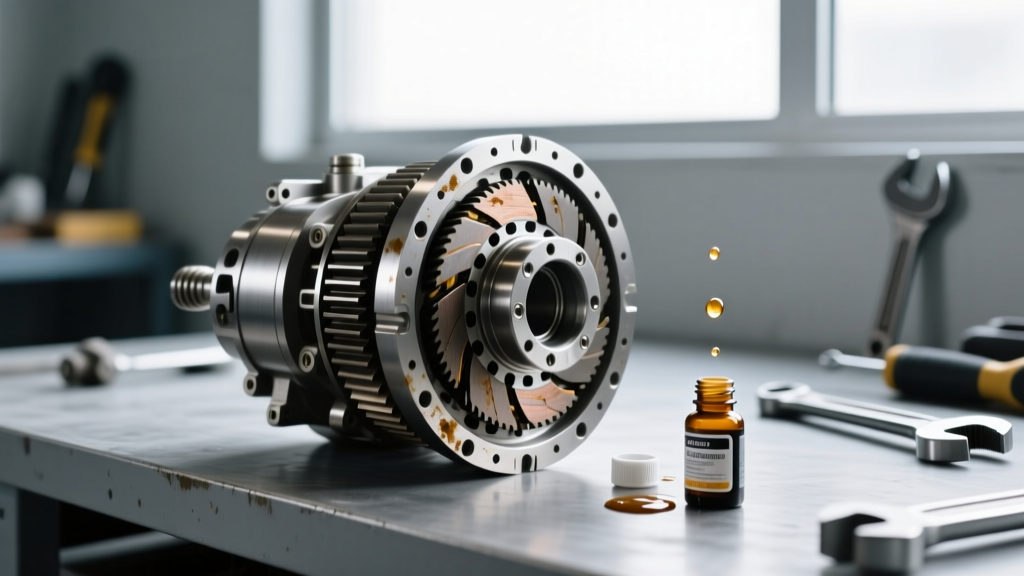
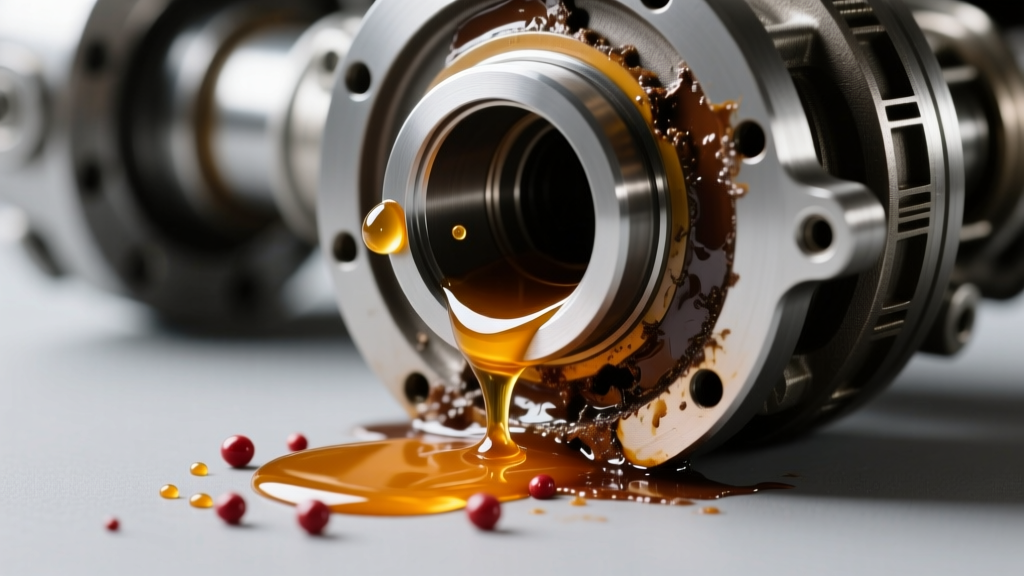
It is 2026, and the modern off-road rig or performance truck is subjected to more driveline stress than ever before. If you have noticed a slinging pattern of 75W-140 gear oil coating the underside of your truck and pooling near the front of the differential housing, you are likely facing a failing pinion seal. For most daily drivers, the immediate fix is a standard rear differential pinion seal replacement. However, for the performance enthusiast or off-roader, a leaking seal presents a unique crossroads.
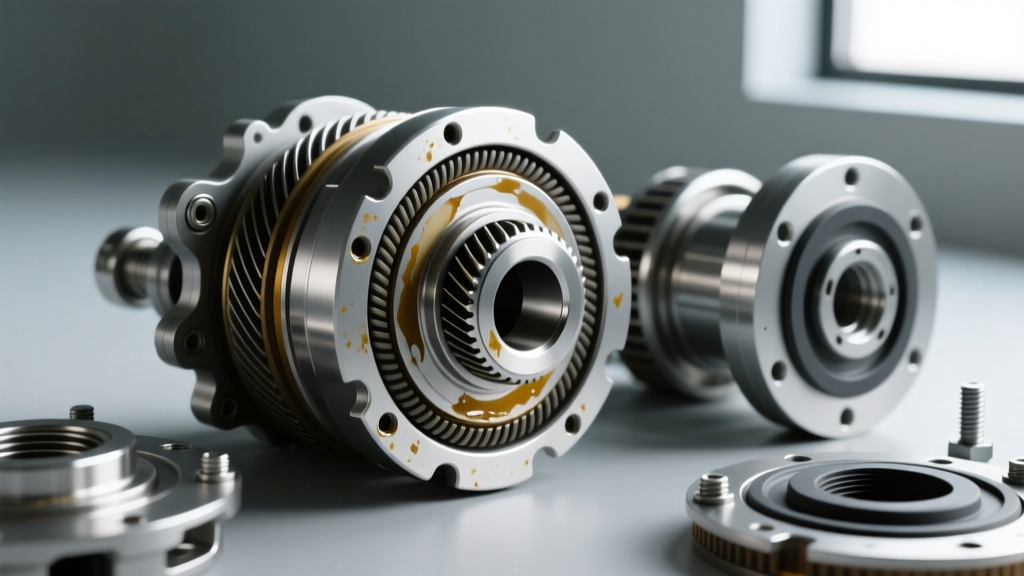
To replace the seal, you must drain the gear oil, remove the driveshaft, pull the pinion yoke, and often remove the differential carrier to verify bearing preload and ring-and-pinion backlash. Since you are already 60% of the way through a complete differential teardown, this is the ultimate opportunity to evaluate your traction needs. Should you simply reseal the open differential, or should you capitalize on the labor overlap and upgrade to a locking differential? This guide breaks down locking differential types, selection criteria, and the technical synergy of combining a locker install with a pinion reseal.
Diagnosing the Pinion Seal Failure
Before committing to a traction upgrade, it is critical to understand why the original seal failed. A rear differential pinion seal replacement is not always a simple wear-and-tear issue. Common failure modes include:
- Yoke Pitting: The sealing surface on the pinion yoke develops a groove from years of friction. Installing a new seal (e.g., SKF 20430 for GM 8.5-inch 10-bolts or National 710928 for Ford 8.8-inch axles) will fail quickly unless you use a speedi-sleeve or replace the yoke entirely.
- Over-Torquing: Previous mechanics may have over-tightened the pinion nut, crushing the sleeve beyond its yield point and deforming the seal lip.
- Pinion Bearing Wear: Excessive pinion bearing play allows the yoke to orbit, tearing the seal from the inside out. If you have rotational play, a seal replacement is merely a band-aid; a full bearing and setup overhaul is required.
Locking Differential Types: 2026 Selection Matrix
If your ring and pinion are in good health and your bearings are within spec, upgrading to a locker during your teardown is a highly cost-effective performance modification. Here is how the primary locking differential types stack up for modern applications.
Automatic Lockers (Detroit Locker & Spartan)
Automatic lockers replace the entire carrier or the internal side gears and cross pins. The Eaton Detroit Locker is the benchmark for heavy-duty traction, utilizing a toothed coupling mechanism that locks under load and unlocks during turns to allow for wheel speed differentiation.
Pros: Bombproof reliability; no air lines or wiring required; excellent for drag racing and hardcore rock crawling.
Cons: Driveline clunk; can induce understeer on wet or icy pavement; harsh engagement.
Selectable Air Lockers (ARB)
The ARB Air Locker utilizes a pneumatic piston to engage a locking collar. It requires mounting an onboard air compressor (like the ARB CKMA12) and routing a copper or synthetic air line through a sealed bulkhead fitting in the axle housing.
Pros: Functions as a standard open diff on the street (zero driveline stress or noise); 100% locked off-road.
Cons: Requires drilling the axle tube (creating metal shavings that must be meticulously flushed to prevent pinion bearing destruction); reliant on air system integrity.
Selectable Electric Lockers (Eaton E-Locker)
The Eaton E-Locker uses an electromagnetic coil to actuate the locking mechanism. It is highly popular in modern overlanding builds due to its simplicity—requiring only a 12V power source and a ground.
Pros: No air compressor needed; instant engagement; open-diff street manners.
Cons: The wiring harness exits through the carrier bearing cap, requiring a specialized seal. If this seal is improperly seated during installation, gear oil will wick up the wiring harness and leak externally, mimicking a pinion seal failure.
Cost & Labor Matrix: Seal vs. Full Locker Install
Understanding the financial and temporal overlap is crucial for your build planning. Below is a comparative matrix based on average 2026 aftermarket pricing for a standard semi-floating axle (e.g., Dana 44 or GM 10-Bolt).
| Service Path | Estimated Parts Cost | Labor Time (Professional) | Special Tools Required | Best Application |
|---|---|---|---|---|
| Rear Differential Pinion Seal Replacement Only | $25 - $60 (Seal, Nut, Fluid) | 1.5 - 2.5 Hours | Inch-pound torque wrench, Yoke holder | Daily drivers, towing rigs, budget repairs |
| Seal Replacement + Detroit Locker Install | $800 - $950 (Locker, Bearings, Seals, Fluid) | 4.0 - 5.5 Hours | Case spreader, Dial indicator, Press | Dedicated off-road rigs, drag cars, rock crawlers |
| Seal Replacement + ARB Air Locker Install | $1,300 - $1,500 (Locker, Compressor, Lines, Fluid) | 5.5 - 7.0 Hours | Case spreader, Drill press, Tap set, Leak tester | Overlanders, Weekend trail rigs, Daily-driven 4x4s |
Synergy: Executing the Pinion Seal and Locker Swap Together
When combining a rear differential pinion seal replacement with a locker upgrade, you must address the pinion bearing preload setup. Factory differententials use a crush sleeve to establish pinion bearing preload. To replace the pinion seal without changing the crush sleeve, a mechanic must carefully mark the yoke to the pinion threads and torque the nut back to the exact same rotational resistance (usually 15-25 in-lbs of rotational drag).
The Solid Spacer Conversion (Highly Recommended)
Since you are upgrading the differential, ditch the crush sleeve entirely. According to setup guidelines from Yukon Gear & Axle, installing a solid pinion spacer (e.g., Yukon YSPSP-007 for GM 10-bolts) with selective shims is the ultimate performance upgrade.
A solid spacer eliminates the risk of over-crushing the sleeve, allows you to safely torque the pinion nut to high specifications (often 200-250 ft-lbs depending on the axle), and ensures your new pinion seal is seated perfectly square without the harmonic vibrations caused by a worn crush sleeve.
Critical Torque Specifications
Whether you are installing a Detroit Locker or an E-Locker, adhering to precise torque specifications is non-negotiable to prevent catastrophic failure and subsequent fluid leaks:
- Ring Gear Bolts: 70-90 ft-lbs (depending on thread size), always apply Loctite 262 (Red) and allow 24 hours to cure before filling with fluid.
- Carrier Bearing Cap Bolts: GM 8.5-inch 10-Bolt: 65 ft-lbs; Dana 44: 75 ft-lbs; Ford 8.8-inch: 85 ft-lbs.
- Pinion Nut (Solid Spacer w/ Prevailing Torque Nut): 125-150 ft-lbs (Verify specific manufacturer spec, as this differs vastly from crush sleeve torque).
- Pinion Nut (Crush Sleeve Retention): 200-300 ft-lbs (Never reuse a crushed sleeve if the yoke was removed).
Fluid Selection for Locking Differentials
The final step in your rear differential pinion seal replacement and locker upgrade is selecting the correct gear oil. This is where many enthusiasts make a critical error.
If you have installed a gear-driven automatic locker (like the Detroit Locker or Spartan), you must not use gear oil containing friction modifiers. Friction modifiers are designed for clutch-type Limited Slip Differentials (LSDs) to prevent chatter. In a gear-driven locker, these modifiers can cause excessive foaming and inadequate boundary lubrication under extreme shock loads.
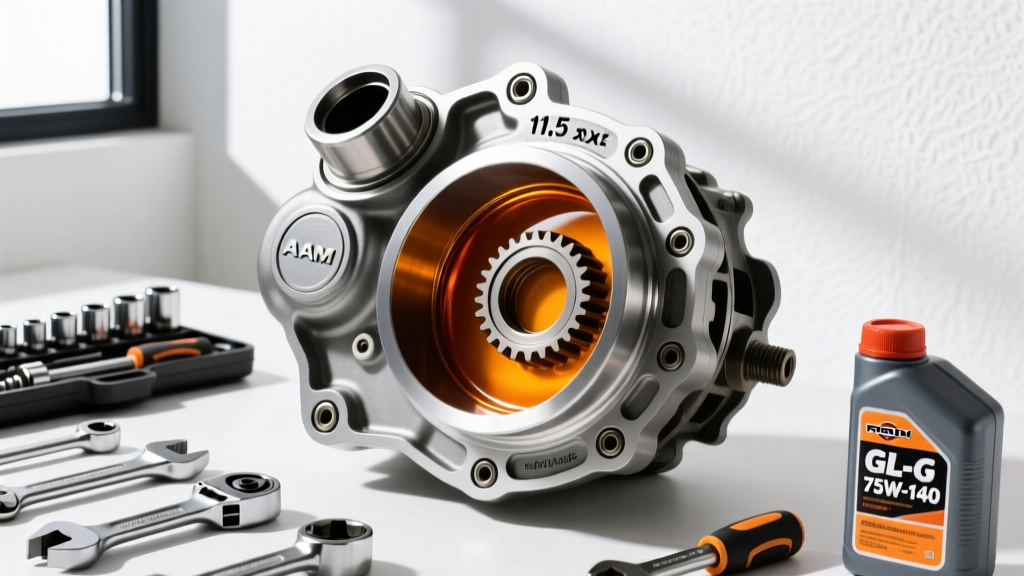
For 2026 performance builds, opt for a high-quality synthetic GL-5 gear oil without LSD additives. Red Line 75W-90 NS (Non-Sliding) or Amsoil Severe Gear 75W-90 are industry standards. Ensure you fill the differential to the exact bottom edge of the fill plug hole, and if your vehicle features an axle-mounted breather tube, verify it is clear of debris to prevent internal pressure buildup from blowing out your brand-new pinion seal.
Final Verdict
A leaking pinion seal is an annoyance, but it is also an invitation to elevate your vehicle's capability. While a standalone rear differential pinion seal replacement is the correct path for stock commuter vehicles, performance and off-road enthusiasts should leverage the overlapping labor to install a locking differential. By upgrading to a solid pinion spacer, selecting the correct locker type for your traction needs, and utilizing the proper GL-5 fluid, you transform a routine maintenance chore into a definitive drivetrain upgrade.