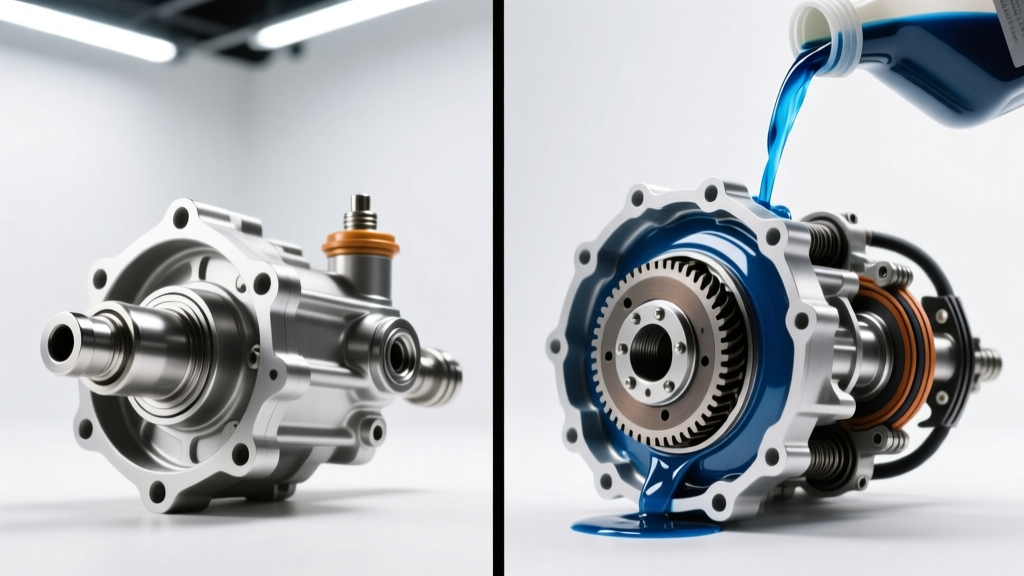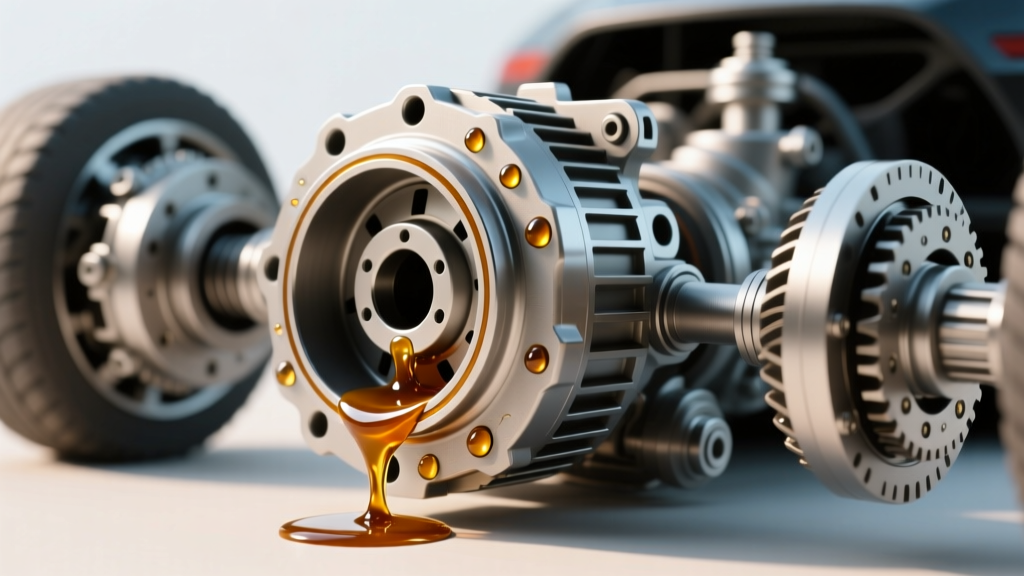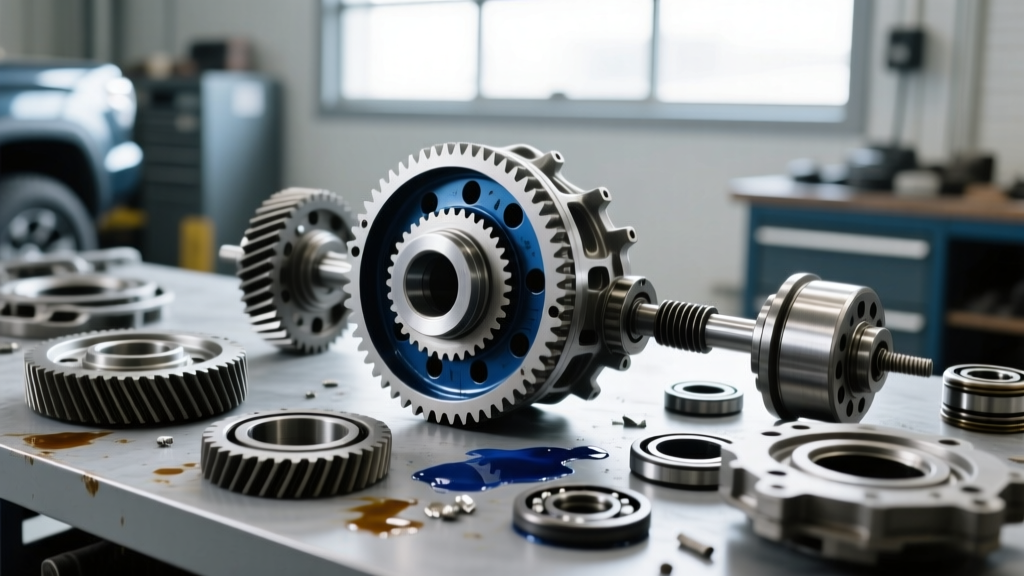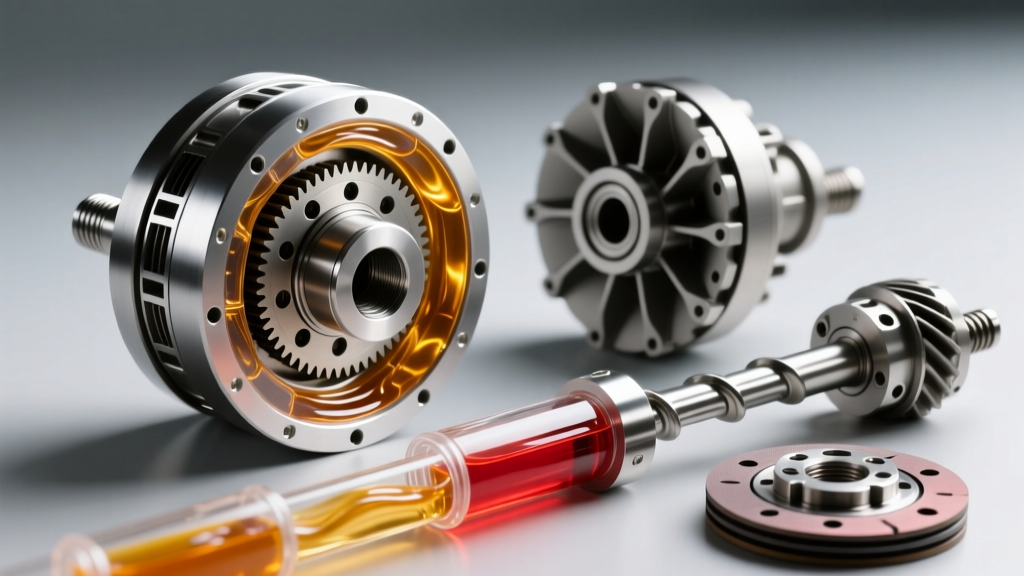
When evaluating drivetrain upgrades or diagnosing axle noise, the debate between a limited slip differential and an open differential is foundational. While most enthusiasts focus purely on traction metrics, the true divergence between these two axle systems lies beneath the surface—specifically within the differential housing, gear oil chemistry, and long-term maintenance profiles. As we navigate the 2026 automotive aftermarket, understanding the fluid dynamics and mechanical realities of open versus limited slip differential (LSD) setups is critical for both daily drivers and off-road rig builders. This comprehensive buyer’s and fluid guide breaks down the engineering, lubrication requirements, and real-world costs of each system.
The Mechanical Divide: Torque Biasing vs. Path of Least Resistance
An open differential is an engineering marvel of simplicity. It utilizes a set of spider gears to allow the left and right axle shafts to rotate at different speeds, which is essential for cornering without binding the chassis. However, its fatal flaw is torque distribution. An open diff always sends power to the wheel with the least resistance. If your left tire is on dry asphalt and your right tire is on ice, 100% of the engine’s torque routes to the spinning ice-bound tire, leaving you stranded.
A limited slip differential solves this by introducing internal resistance. Clutch-type LSDs (like the iconic Eaton Posi or Ford 8.8 Track-Lok) use a stack of carbon-fiber or Kevlar friction discs pressed together by preload springs. When one wheel loses traction, the internal torque spike forces the clutch packs to lock, transferring power to the wheel with grip. Helical LSDs, such as the Eaton Detroit Truetrac, use worm-gear physics to create torque biasing without any internal friction clutches, offering a seamless, maintenance-free traction upgrade.
The Fluid Factor: Gear Oil Chemistry and Friction Modifiers
This is where the ownership experience drastically diverges. The type of differential you run dictates your exact fluid specification, and using the wrong gear oil can result in catastrophic failure or unbearable drivetrain noise.
Open Differential Lubrication
Open differentials are relatively forgiving. They require a standard API GL-5 gear oil, typically in a 75W-90 or 80W-90 viscosity. GL-5 oils are packed with sulfur-phosphorus Extreme Pressure (EP) additives designed to protect the hypoid gear sets (ring and pinion) from the immense sliding friction inherent in their design. Because there are no clutch packs to worry about, you simply drain the old fluid, clean the housing, and refill to the bottom of the fill plug.
Clutch-Type LSD and the Friction Modifier Imperative
If you are running a clutch-type limited slip differential, standard GL-5 gear oil is only half the equation. You must add a specialized Friction Modifier (FM). According to Red Line Synthetic Oil's technical documentation, the clutch packs in an LSD require a specific coefficient of friction to operate smoothly. Without an FM (such as GM AC Delco 10-9003 or Ford XL-3), the clutch plates will experience "stick-slip" engagement during low-speed turns. This manifests as a violent shuddering or "chatter" from the rear axle, which will rapidly glaze and destroy the clutch packs.
Helical Gear LSDs (Torsen/Truetrac)
Helical LSDs operate purely on gear geometry. Because they lack clutch packs, they do not require friction modifiers. In fact, adding an FM to a Truetrac can slightly reduce its torque-biasing efficiency. These units thrive on high-quality, full-synthetic 75W-90 GL-5 gear oils that provide maximum film strength for the complex worm-gear meshing.
2026 Maintenance & Cost Comparison Matrix
To help you budget for your next axle service or build, we have compiled a direct comparison of the maintenance profiles for the three most common differential setups on the road today.
| Differential Type | Required Fluid Spec | Friction Modifier Needed? | Service Interval | Avg. Fluid Service Cost (DIY) |
|---|---|---|---|---|
| Open Differential | 75W-90 GL-5 | No | 50,000 - 100,000 miles | $25 - $40 |
| Clutch-Type LSD | 75W-140 or 75W-90 GL-5 | Yes (4-8 oz) | 30,000 - 50,000 miles | $55 - $85 |
| Helical LSD (Truetrac) | 75W-90 Synthetic GL-5 | No (Do Not Use) | 50,000 - 100,000 miles | $45 - $65 |
Buyer’s Guide: Upgrading from Open to Limited Slip
If you are currently running an open differential and want to upgrade to a limited slip differential in 2026, the aftermarket is flooded with options. However, the swap is not just a simple "drop-in" procedure. It requires specialized tools, precise measurements, and a complete fluid overhaul.
Component Costs and Part Numbers
For a popular platform like the GM 8.5/8.6-inch 10-bolt rear end (found in millions of Silverados and Camaros), upgrading to an Eaton Detroit Truetrac (Part # 910A486 for 30-spline axles) will cost between $650 and $750 for the unit alone. If you prefer a clutch-type LSD like the Eaton Positraction, expect to pay around $500 to $600.
The Hidden Costs: Setup and Bearings
According to Ring & Pinion technical resources, whenever you swap the differential carrier (the "third member" or center section), you must reset the ring and pinion gear mesh. This requires a new carrier bearing kit ($80-$120), a dial indicator, and an inch-pound torque wrench to measure rotational preload. Professional installation and setup typically add $400 to $600 to your total invoice. If you attempt this in your driveway without a press and bearing pullers, you risk destroying the carrier bearings or setting an incorrect backlash, leading to whining gears and premature failure.
Service Procedures and Torque Specifications
Whether you are servicing an open diff or a limited slip differential, adhering to exact torque specifications is non-negotiable. Over-tightening differential cover bolts will warp the housing, leading to persistent leaks and potential bearing misalignment.
- Ford 8.8-Inch (10-Bolt): Cover bolts require 28-38 lb-ft. Always use a new gasket or high-temp RTV silicone. Fill with Motorcraft SAE 75W-140 Synthetic and 4 oz of XL-3 Friction Modifier if equipped with Track-Lok.
- GM 8.5/8.6-Inch (10-Bolt): Cover bolts require exactly 25 lb-ft. Do not exceed this, as the thin stamped-steel covers warp easily. Fill to the bottom of the fill hole with AC Delco 75W-90.
- Dana 44 (Jeep/Truck): Cover bolts require 30-35 lb-ft. If running an Eaton E-Locker or Truetrac, use Red Line 75W-140 Heavy ShockProof for heavy off-road abuse.
The Break-In Protocol: If you are installing a new clutch-type limited slip differential, the first 500 miles are critical. After filling with the correct gear oil and friction modifier, find an empty, wet parking lot. Perform 10 to 15 tight, continuous figure-eight maneuvers at 5-10 MPH. This controlled slipping burns off the manufacturing preservatives on the clutch discs and seats the friction material evenly, preventing lifelong axle chatter. For deeper insights on break-in procedures, consult Eaton's differential catalog and technical bulletins.
Final Verdict: Which System Wins?
The choice between an open differential and a limited slip differential ultimately depends on your vehicle's purpose and your willingness to perform specialized maintenance. Open differentials remain the undisputed champions of low-cost, low-maintenance highway cruising. However, for towing, off-roading, or performance driving, the traction benefits of an LSD are undeniable.
From a fluid maintenance perspective, helical LSDs like the Truetrac offer the best of both worlds: massive traction improvements without the strict friction modifier requirements or clutch-pack wear of traditional LSDs. Whichever route you choose, respecting the precise gear oil viscosities, additive packages, and torque specs outlined above will ensure your axle system survives the harshest conditions 2026 has to offer.