The Drivetrain Divide: Axle-Level vs. Driveline-Level Traction
When diagnosing traction loss or planning a drivetrain service in 2026, technicians and enthusiasts must distinguish between axle-level torque biasing and driveline-level torque distribution. A limited slip differential (LSD) manages left-to-right wheel slip at the axle, while a center locking differential manages front-to-rear slip within the transfer case or transaxle. Understanding the mechanical operation and precise fluid maintenance of both systems is critical for preserving driveline longevity in modern AWD and 4WD platforms, from the Toyota Land Cruiser LC300 to the Subaru WRX.
Limited Slip Differential Operation: Clutch-Pack vs. Helical Gear
At the axle level, an open differential sends torque to the path of least resistance, which is detrimental off-road or in low-grip conditions. Limited slip differentials solve this through two primary mechanical architectures:
1. Clutch-Pack LSDs (Preload and Friction Modifiers)
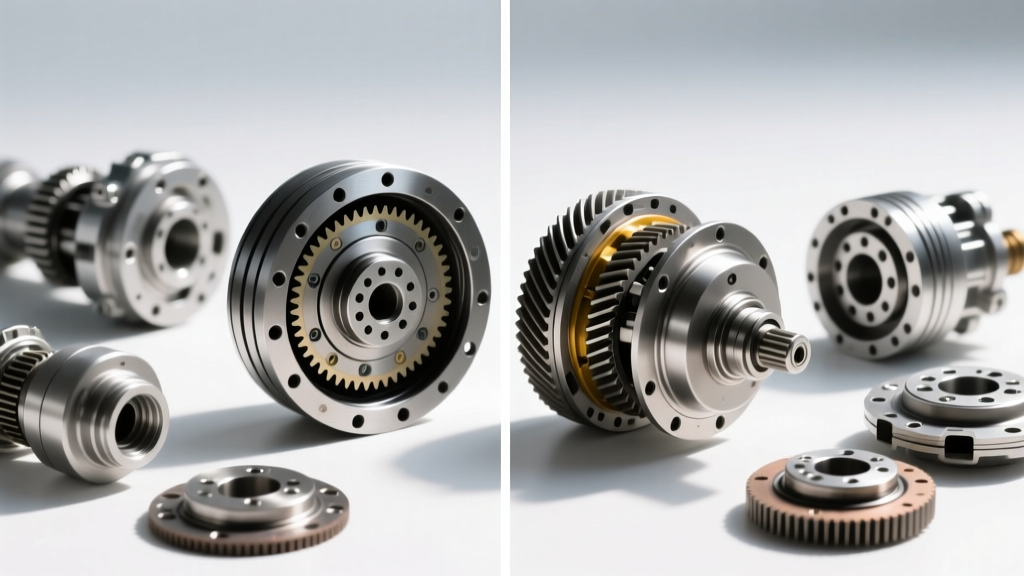
Clutch-type LSDs, such as the Auburn Gear Pro Series or OEM Ford Traction-Lok units, utilize alternating steel and friction-lined clutch packs positioned between the side gears and the differential case. Under straight-line acceleration, the preload springs keep the clutches engaged, forcing both axles to turn at the same speed. When a wheel loses traction, the internal ramp rings (cone clutches) push the packs outward, binding the side gear to the case and transferring torque to the wheel with grip.
Critical Maintenance Note: Clutch-pack LSDs absolutely require a friction modifier additive (e.g., GM Part # 1052358 or Ford XL-3). These long-chain organic esters alter the coefficient of friction on the clutch surfaces, preventing the aggressive 'stick-slip' phenomenon that causes low-speed chatter and premature clutch glazing.
2. Helical Gear LSDs (Torque-Biasing)
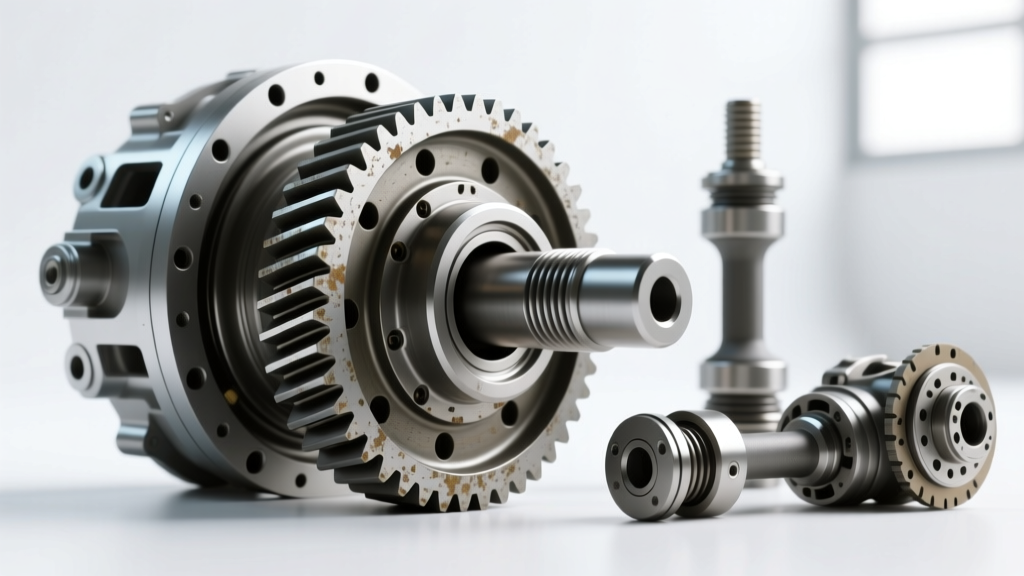
Helical gear differentials, most notably the Eaton Detroit Truetrac and the legendary Torsen T-1/T-2 designs, operate entirely without clutch packs. They rely on the axial thrust generated by helical-cut planetary gears meshing against the differential case. As torque increases, the gears are forced outward into thrust washers, creating friction that biases torque to the wheel with traction (typically a 2.5:1 to 3.5:1 bias ratio). Because they lack friction clutches, helical LSDs do not require friction modifiers and operate silently.
Center Locking Differential Integration in AWD/4WD Systems
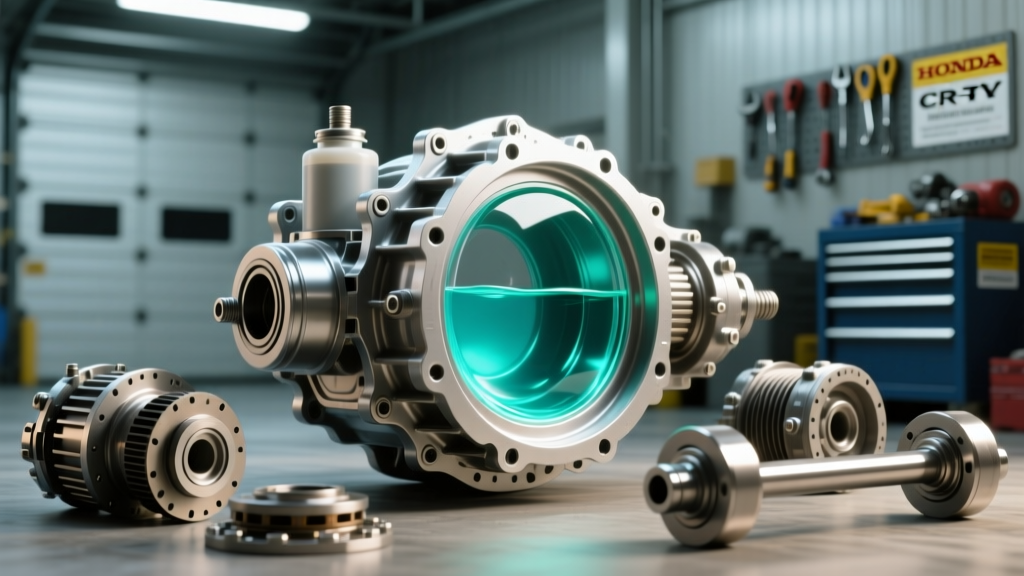
While the axle LSD handles left-to-right traction, the center locking differential dictates front-to-rear torque split. Found in the transfer case of traditional 4WD trucks or the transaxle of AWD rally-bred cars, the center diff ensures that a spinning front driveshaft doesn't rob the rear axle of power.
- Torsen T-3 Center Diffs: Used in Audi Quattro and Toyota Land Cruiser systems, these act as helical gear LSDs but on a longitudinal axis, biasing torque front-to-rear seamlessly without driver input.
- Dog-Clutch Lockers: Found in part-time 4WD transfer cases (like the Jeep Wrangler Rubicon or Toyota Tacoma TRD Off-Road), these use a pneumatic or electric actuator to slide a splined collar, physically locking the front and rear output shafts together in a rigid 50/50 split.
- Active Multi-Plate Clutches: Modern crossovers (e.g., Ford Explorer, BMW xDrive) use electronically controlled wet-clutch packs in the rear drive module or transfer case to simulate a locking center diff on demand.
When a center locking differential is engaged on dry pavement, driveline binding occurs because the front and rear axles are forced to rotate at the exact same speed despite traveling different distances through a turn. This results in severe tire scrubbing and potential transfer case chain stretch or gear tooth shearing.
The Chemistry of Traction: Fluid Specifications and E-E-A-T Insights
The most common point of failure in both LSD and center diff maintenance is the misapplication of gear oil. Modern differentials require API GL-5 rated fluids, which contain high levels of Sulfur-Phosphorus Extreme Pressure (EP) additives to protect hypoid ring and pinion gears under high sliding loads. However, the interaction between EP additives, friction modifiers, and yellow metals is complex.
Expert Warning: Never use standard GL-5 gear oil in a manual transmission or a center transfer case that shares fluid with synchros or yellow-metal bushings unless explicitly approved by the OEM. The sulfur in GL-5 can corrode brass and bronze components at sustained operating temperatures above 175°F (80°C).
| Differential Type | Fluid Specification | Friction Modifier? | Typical Capacity | Service Interval |
|---|---|---|---|---|
| Clutch-Pack LSD (Axle) | 75W-90 or 80W-90 GL-5 Synthetic | Yes (3-4 oz required) | 1.5 - 2.5 Quarts | 30k - 50k miles |
| Helical LSD (Truetrac/Torsen) | 75W-90 GL-5 Synthetic | No (Will cause slip) | 1.5 - 2.5 Quarts | 50k - 100k miles |
| Center Locking Diff (Transfer Case) | OEM Specific (e.g., 75W-85 GL-4/GL-5) | No | 1.5 - 3.0 Quarts | 30k - 60k miles |
| Active Wet-Clutch Center Diff | Specific DCT / Transfer Case Fluid | Integrated in OEM fluid | 0.8 - 1.5 Quarts | 30k miles (Severe) |
Step-by-Step Maintenance & Torque Specifications
Proper differential service goes beyond simply draining and filling. As an automotive transmission expert, I recommend the following protocol for servicing axle LSDs and center driveline components:
- Pre-Service Warm-Up: Drive the vehicle for 15 minutes to bring the hypoid gear oil up to operating temperature (approx. 140°F). This suspends metallic particulates in the fluid, ensuring a complete drain.
- Break the Fill Plug First: Always remove the fill plug before the drain plug. If the fill plug is seized and you strip it after draining the fluid, the vehicle is stranded.
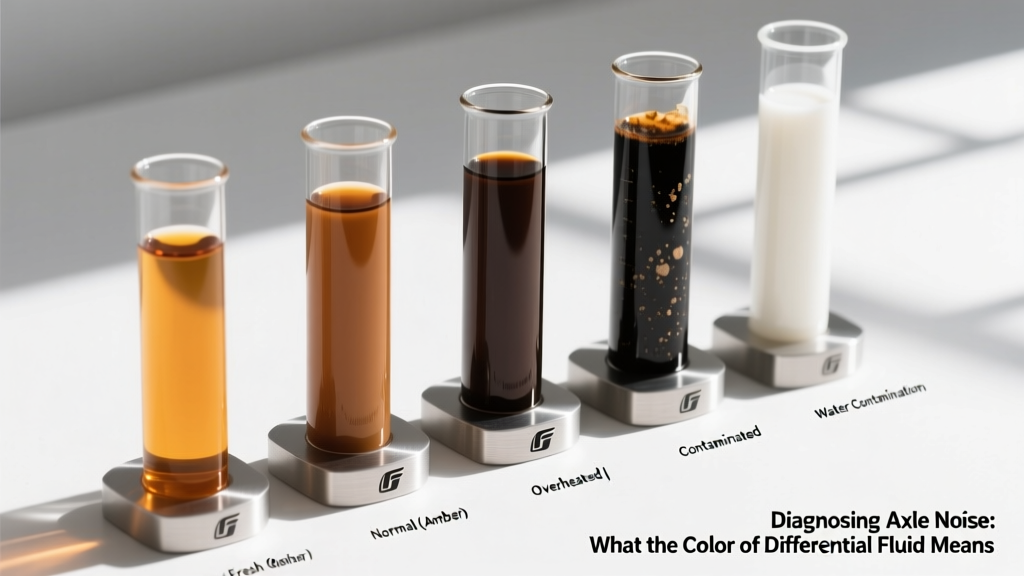
- Drain and Inspect: Drain the fluid into a catch pan equipped with a rare-earth magnet. Fine metallic paste is normal for hypoid gears; chunks or brass shards indicate bearing or thrust washer failure.
- Sealant Application: For differentials with stamped steel covers (e.g., Dana 44, GM 8.5-inch 10-bolt), clean the mating surfaces with brake cleaner. Apply a 3/16-inch continuous bead of Permatex Ultra Black RTV silicone. Avoid over-application, which can cause RTV to break off and clog the oil pickup tube.
- Torque Specifications: Precision matters. Overtightening cover bolts warps the housing and causes leaks.
- GM 10-Bolt / 12-Bolt Cover Bolts: 22 lb-ft
- Dana 44 / Spicer 60 Cover Bolts: 25-30 lb-ft
- Toyota Land Cruiser / Tacoma Diff Drain/Fill Plugs: 29 lb-ft (Drain), 54 lb-ft (Fill)
- Subaru Rear Differential Fill/Drain Plugs: 33 lb-ft
- Friction Modifier Protocol (Clutch LSDs Only): Add the required 3-4 oz of friction modifier before pouring in the bulk 75W-90 gear oil to ensure proper mixing. Perform a series of tight figure-eight turns in a parking lot to circulate the additive into the clutch packs.
Diagnosing NVH: Chatter, Whine, and Binding
Noise, Vibration, and Harshness (NVH) diagnostics can isolate whether an issue stems from the axle LSD or the center locking differential.
Axle LSD Chatter
If a vehicle exhibits a rhythmic 'chattering' or 'hopping' sensation from the rear end during tight, low-speed turns, the clutch packs in the LSD are binding and releasing rapidly. This is almost always cured by adding an additional 1-2 oz of friction modifier or performing a complete fluid flush with a high-quality synthetic like AMSOIL Severe Gear formulated with the correct additive package.
Center Differential Whine and Bind
A high-pitched whine emanating from the center console or transfer case area, particularly under deceleration, often points to low fluid levels in the center locking differential housing or worn needle bearings in the planetary gearset. Conversely, if the vehicle 'hops' or binds the driveline in 4WD High on dry pavement, the center locking mechanism may be failing to fully disengage due to a stretched shift fork, a failing vacuum actuator, or degraded transfer case fluid preventing the clutch collar from sliding freely on the main shaft.
By respecting the distinct mechanical boundaries and fluid requirements of both axle-level limited slip differentials and driveline-level center locking differentials, you ensure maximum traction and component longevity across the entire AWD/4WD spectrum.
For further technical documentation on hypoid gear setups and differential rebuilds, consult the engineering resources at Dana Incorporated and Spicer Parts.