The Mechanics of Limited Slip Differentials
Unlike an open differential that sends power to the path of least resistance, a Limited Slip Differential (LSD) actively manages torque bias to maintain traction. For automotive enthusiasts and daily drivers alike, understanding LSD operation is critical—not just for performance, but for long-term drivetrain survival. As of 2026, the vast majority of factory-installed and aftermarket clutch-type LSDs (such as the Eaton PosiTrac and Auburn Gear units) rely on intricate internal friction to function.
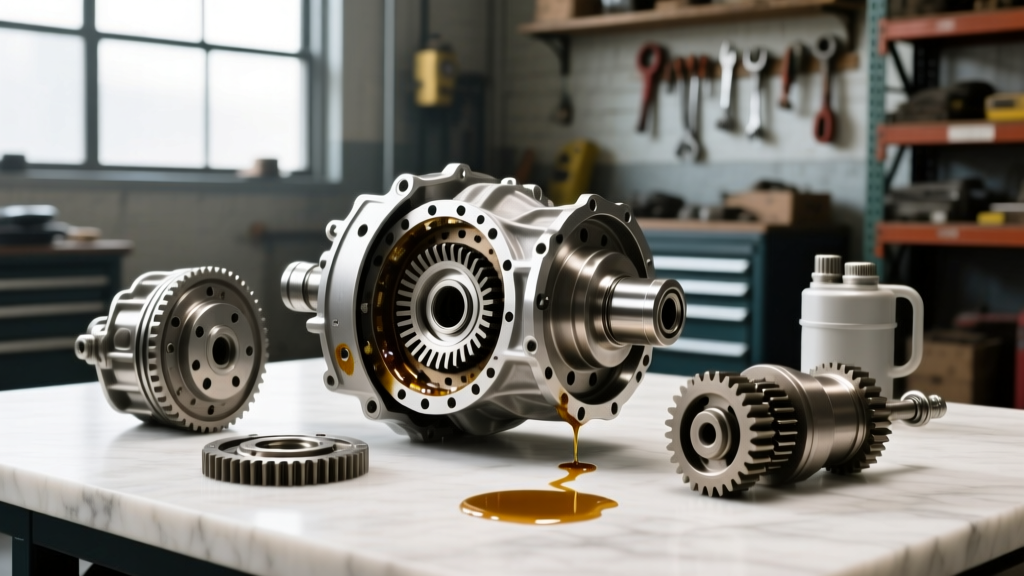
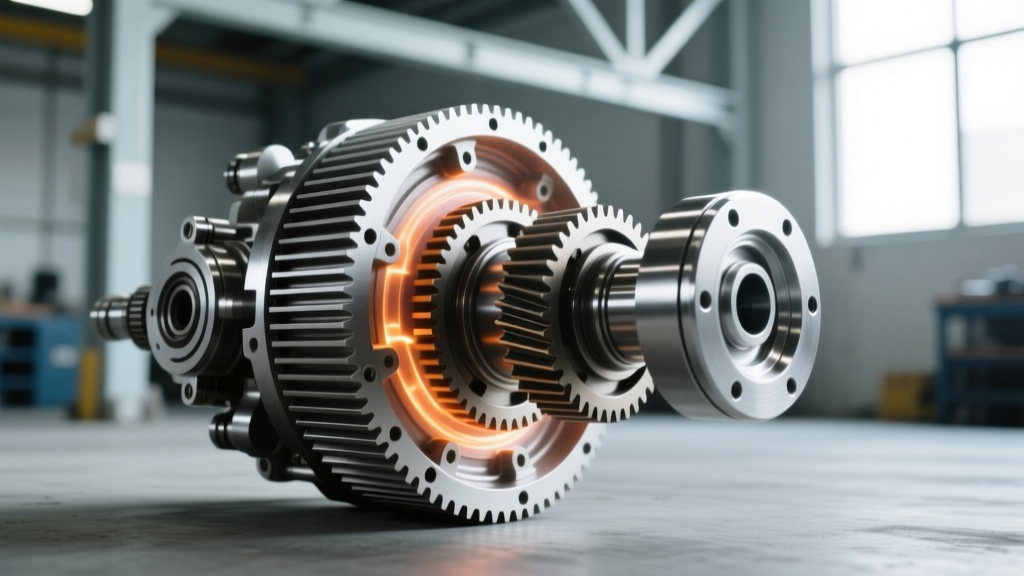
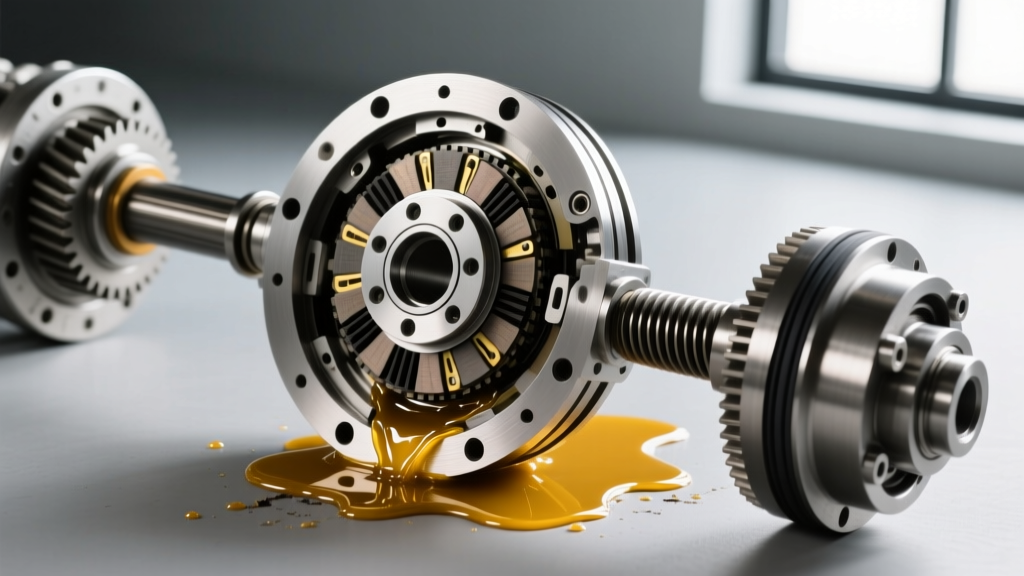
Inside a clutch-type LSD, the side gears are backed by a series of alternating friction and steel clutch discs. These packs are preloaded by S-springs or heavy coil springs. When one wheel begins to lose traction and spin faster than the other, the side gear thrusts outward against the clutch pack. This axial load binds the clutch discs to the differential case, effectively locking the axles together and transferring torque to the wheel with grip. However, this constant binding and releasing generates immense internal heat and shear forces, making specialized lubrication and prompt maintenance non-negotiable.
Clutch-Pack vs. Helical Gear Designs
While clutch-type LSDs require specific friction modifiers to prevent 'chatter' (the stick-slip phenomenon that causes low-speed shuddering), helical gear designs like the Torsen (Torque Sensing) differential operate purely on gear binding angles. Torsen units (commonly found in older Audi Quattro and Ford Mustang Boss 302 applications) do not require friction modifiers and can run standard GL-5 gear oil. However, because clutch-type LSDs remain the most popular choice for trucks, SUVs, and muscle cars, this guide focuses heavily on their unique maintenance requirements and the inevitable need for a differential leak fix.
Critical LSD Maintenance: Fluids and Friction Modifiers
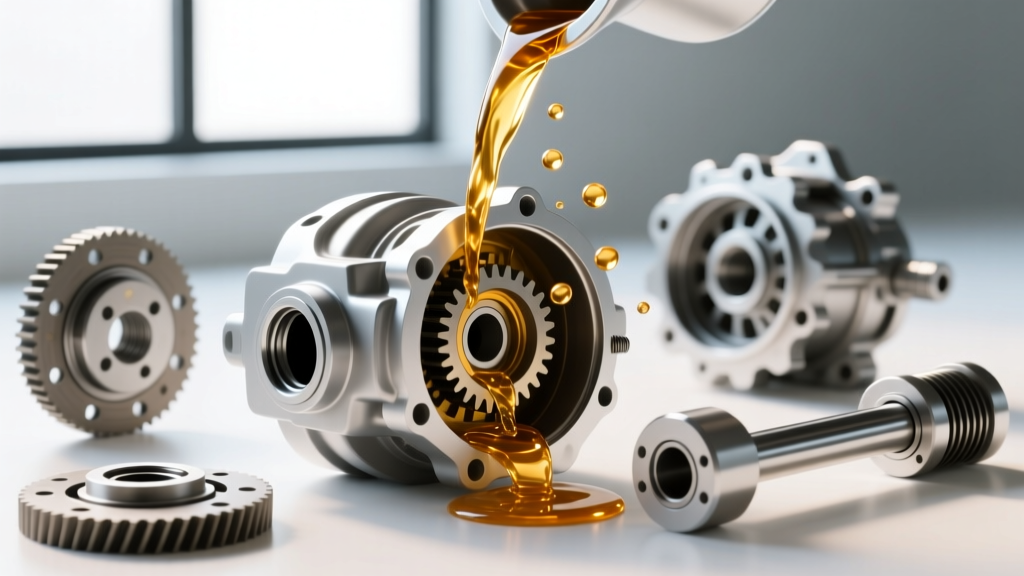
The lifeblood of any clutch-type LSD is its gear oil. Standard 75W-90 or 80W-90 GL-5 gear oil provides the extreme pressure (EP) protection required for the hypoid ring and pinion gears. However, GL-5 additives alone will cause an LSD's clutch packs to grab aggressively, resulting in tire chirping, drivetrain binding, and premature clutch disc glazing.
To counteract this, a Friction Modifier (FM) must be added. The FM alters the coefficient of friction on the clutch surfaces, allowing them to slip smoothly during low-speed turns while still locking under heavy load.
| Fluid Type | Viscosity | FM Requirement | Best Application |
|---|---|---|---|
| Red Line 75W90 | 75W-90 | None (Pre-blended) | High-performance street/track LSDs |
| Amsoil Severe Gear | 75W-90 | Yes (Add Slip Lock) | Heavy-duty trucks, towing, off-road |
| Mobil 1 Synthetic | 75W-90 | Yes (Add Motorcraft XL-3) | OEM replacement, daily drivers |
| Valvoline SynPower | 75W-140 | Yes (Pre-blended options) | High-load towing, Dana 44/60 axles |
Expert Note: Always add the friction modifier (typically 4 oz. per axle) before filling the rest of the housing with gear oil. Overfilling with FM will cause the clutch packs to slip excessively under load, effectively turning your LSD into an open differential.
Diagnosing and Executing a Differential Leak Fix
Because LSDs run hotter than open differentials, the thermal cycling accelerates the degradation of rubber seals and gaskets. Ignoring a minor weep can lead to low fluid levels, which starves the pinion bearings and destroys the clutch packs in a matter of miles. When you identify wetness around the axle tubes, pinion yoke, or differential cover, a targeted differential leak fix is immediately required.
1. The Pinion Seal Leak Fix
The pinion seal sits where the driveshaft yoke meets the differential housing. It is subjected to high rotational speeds and extreme heat from the nearby pinion bearings. A leaking pinion seal will sling oil onto the underside of the vehicle and the exhaust.
- Diagnosis: Oil radiating outward from the front of the differential center section.
- The Fix: Remove the driveshaft. Use a marker to index the pinion nut to the yoke and the threads. Remove the nut (often requiring 200-250 ft-lbs of breakaway torque on a Ford 8.8-inch). Pry out the old seal (e.g., National Seal Part #711004 for GM 8.5-inch 10-bolts).
- Critical Warning: If your differential uses a crush sleeve for bearing preload, overtightening the pinion nut upon reassembly will crush the sleeve further, overloading the bearings and causing catastrophic failure. Always measure rotational torque with an inch-pound torque wrench. Used bearings should show 16-29 in-lbs of rotational drag. If you exceed this, you must replace the crush sleeve and reset the preload.
2. The Axle Seal Leak Fix
Axle seals keep fluid inside the axle tubes. When they fail, fluid leaks onto the brake rotors or drums, causing severe braking hazards and contaminating the brake pads.
- Semi-Floating Axles (GM 10-Bolt, Ford 8.8): You must remove the differential cover, drain the fluid, and remove the center pinion shaft to access the C-clips (or S-clips) that retain the axles. Slide the axle shafts out approximately 6 inches, pry the old seal out with a dedicated seal puller, and tap the new seal in flush using an axle seal installer tool.
- Full-Floating Axles (Dana 60, Dana 70): The axle shaft and seal can be removed without draining the differential or opening the center section. Simply unbolt the axle retaining flange (typically 8 bolts, 50 ft-lbs torque spec) and pull the assembly.
3. The Differential Cover Gasket Fix
The most common and easiest differential leak fix involves the rear cover. Factory RTV silicone degrades over time and can flake off internally, potentially clogging the oil pickup or scoring the clutch packs.
Pro-Tip for 2026: Stop using cheap RTV silicone for differential covers. Upgrade to a reusable, O-ring sealed gasket like the LubeLocker (Part #LLK-F88 for Ford 8.8). These feature a steel core with an elastomer O-ring that seals perfectly dry, requires no curing time, and torques evenly to 25-30 ft-lbs without squeezing out into the gear mesh.
Preventative Maintenance & Cost Matrix
Addressing leaks early saves thousands in ring-and-pinion or LSD rebuild costs. Below is a realistic cost breakdown for DIY mechanics and professional shop rates for common LSD maintenance and leak repairs in the current market.
| Service / Repair | DIY Parts Cost | Shop Labor (Est.) | Interval / Trigger |
|---|---|---|---|
| LSD Fluid & FM Change | $45 - $85 | $80 - $120 | Every 30k - 50k miles |
| Pinion Seal Replacement | $15 - $35 | $250 - $400 | As needed (Leak detected) |
| Axle Seal Replacement (Pair) | $20 - $40 | $300 - $500 | As needed (Brake contamination) |
| Cover Gasket (LubeLocker) | $35 - $45 | $150 - $200 | During every fluid change |
Final Thoughts on LSD Longevity
Maintaining a limited slip differential requires a dual-focus approach: respecting the chemical needs of the clutch packs via proper friction modifiers, and maintaining the physical integrity of the housing seals. Whether you are installing a reusable gasket during a routine 50,000-mile service or executing a complex pinion seal differential leak fix to save your Eaton PosiTrac, precision is everything. Always consult the specific service manual for your axle model—whether it is a Spicer Dana 44, a Ford 8.8, or a GM 10-bolt—to verify exact rotational preload specifications and torque sequences. For deeper technical schematics and installation guides, refer to the Yukon Gear Tech Guides or the Spicer Parts Tech Tips portal.