Does Every Car Have a Differential? Understanding Drivetrain Architecture
When enthusiasts and new gearheads ask, does every car have a differential, the answer requires a nuanced understanding of modern drivetrain layouts. In short: every vehicle that turns a corner must have a mechanism allowing the outer wheel to spin faster than the inner wheel. However, the physical packaging of that mechanism varies wildly.
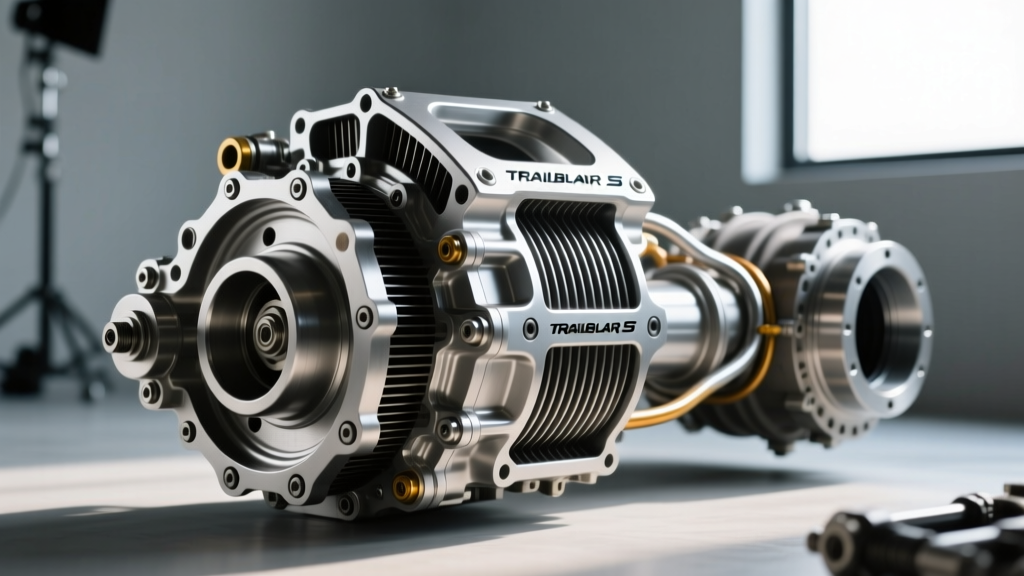
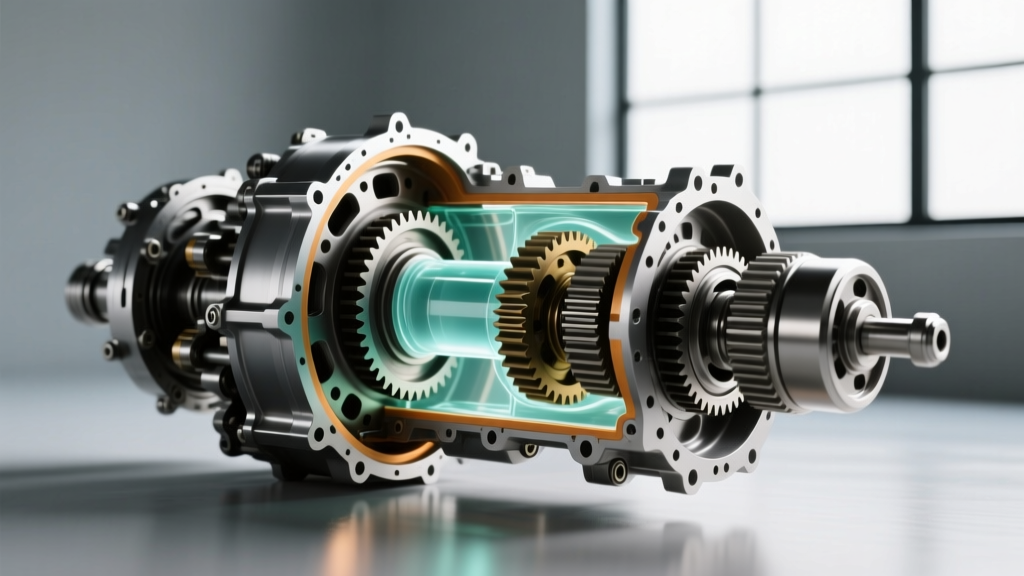
Front-wheel-drive (FWD) vehicles typically utilize a transaxle, which integrates the transmission and differential into a single sealed housing. Rear-wheel-drive (RWD) and traditional four-wheel-drive (4WD) vehicles feature a standalone, dedicated differential—often called a "pumpkin"—mounted to the rear or front axle. Modern electric vehicles (EVs) use integrated e-axles that house a single-speed reduction gear and an open or electronic limited-slip differential in a unified casing.
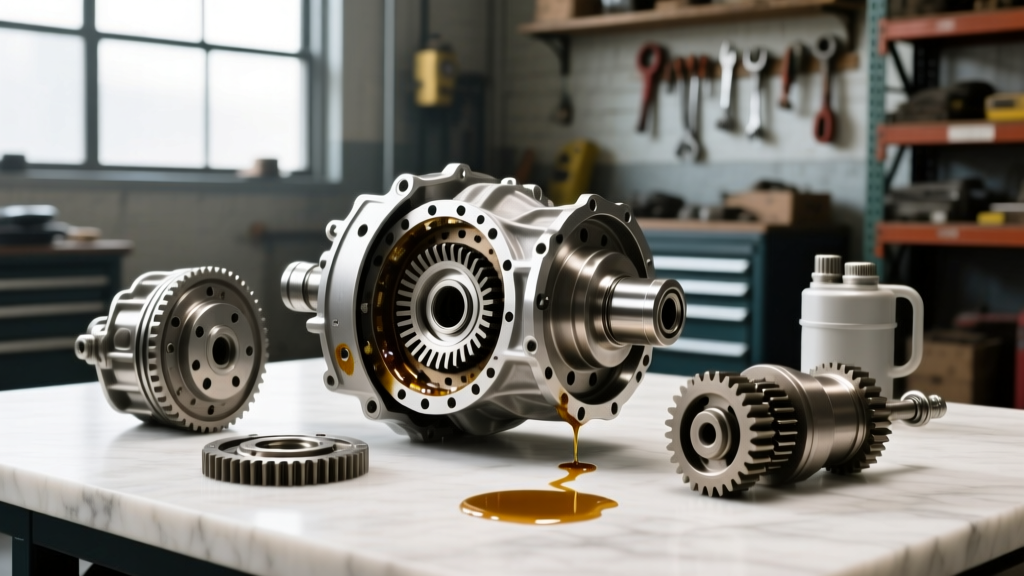
Because standalone differentials (found in RWD, AWD, and 4WD platforms) operate as independent gearboxes, they require dedicated gear oil and are highly susceptible to external fluid leaks. This model-specific repair guide will bypass generic advice and dive deep into differential leak detection and repair for two notoriously leak-prone platforms: the Jeep Wrangler JL (Dana 44 M220 solid axle) and the Subaru WRX (R160 independent rear differential).
The Four Primary Differential Leak Points
Before ordering seals, you must accurately diagnose the origin of the leak. Gear oil is viscous and tends to travel along the axle tube or skid plate via wind wash, making the source deceptive. Inspect these four failure points:
- Pinion Seal (Companion Flange): Located where the driveshaft connects to the differential. Prone to failure from worn yokes, excessive driveline angles, or clogged breather vents.
- Axle Tube Seals (Stub Axle Seals): Located where the CV or solid axle shaft enters the differential housing. Failure here often contaminates the rear brakes.
- Differential Cover Gasket: Common on solid axles. Usually caused by overtightened bolts warping the stamped steel cover or degraded RTV silicone.
- Axle Breather Vent: If the breather tube clogs, internal pressure builds during heat cycles, forcing gear oil past the weakest seal (usually the pinion).
Model-Specific Repair Guide: Jeep Wrangler JL (Dana 44 M220)
The Jeep Wrangler JL equipped with the Rubicon or Sport S packages often features the Dana 44 M220 rear axle. While robust, the M220 is infamous for pinion seal weeping, especially after water fording or heavy towing.
Diagnostic Step: The Breather Tube Check
Before replacing the pinion seal on an M220, trace the rubber breather hose routed up to the frame rail. If the plastic check-valve cap is clogged with mud, internal differential pressure will blow out your new seal within 500 miles. Always replace a suspect breather valve (Mopar Part #68303521AA) before condemning the seal.
Pinion Seal Replacement & Crush Sleeve Risks
Replacing the pinion seal on a Dana 44 requires extreme caution regarding the crush sleeve. The crush sleeve sets the preload on the pinion bearings. If you overtighten the pinion nut, you over-crush the sleeve, leading to catastrophic bearing whine and failure.
- Mark the Flange: Use a paint pen to mark the pinion shaft and the companion flange to ensure exact reinstallation depth.
- Remove the Nut: Use a flange holding tool and a 1/2-inch impact gun to remove the pinion nut. (Note: The M220 uses a specific staked nut; have a replacement nut on hand, Part #68212409AA).
- Extract the Seal: Use an OTC 4521 seal puller to remove the old seal without scoring the aluminum housing bore.
- Install New Seal: Tap the new seal (Mopar Part #68212408AA or Spicer 48682) flush using a seal driver. Lubricate the inner lip with 75W-140 gear oil.
- Set Rotational Torque: This is the critical step. Reinstall the flange and tighten the nut incrementally. You must measure rotational torque using an inch-pound torque beam wrench. The target rotational torque for a used M220 bearing set is 18 to 22 inch-pounds. Do not exceed your pre-teardown baseline torque.
Model-Specific Repair Guide: Subaru WRX (R160 Rear)
Subaru’s symmetrical AWD system relies on the R160 rear differential (found in VA and VC generation WRX models). Unlike the solid Jeep axle, the R160 is an independent unit. Leaks here almost exclusively occur at the left and right stub axle side seals, dripping directly onto the exhaust or subframe.
Stub Axle Seal Replacement Procedure
Because the R160 uses internal C-clips to retain the axle stubs, you cannot simply pull the axle out to access the seal. The entire CV axle assembly must be removed from the wheel hub first.
- Drain the Fluid: Remove the 10mm hex drain plug on the bottom of the R160 housing. Expect roughly 0.8 liters of 75W-90 GL-5 fluid.
- Free the CV Axle: Remove the 32mm front axle nut. Unbolt the lower control arm pinch bolt to drop the knuckle, then use a pry bar to pop the CV axle spline out of the R160 differential.
- Extract and Install Seal: Pry out the old side seal (Subaru Part #38342AA040). Clean the bore with brake cleaner. Coat the outer metal ring of the new seal with a thin layer of RTV, and heavily lubricate the inner rubber lip with fresh gear oil to prevent dry-start tearing.
- Reassembly: Carefully guide the CV axle splines past the new seal lip to avoid cutting the rubber. Push firmly until the internal C-clip clicks into the cross-pin gear. Torque the 32mm axle nut to 140 ft-lbs (190 Nm) and stake it.
Differential Fluid & Capacity Matrix
Using the correct fluid viscosity and friction modifier profile is non-negotiable for preventing chatter and premature wear. Below is the 2026 specification matrix for common platforms.
| Vehicle / Axle Model | OEM Fluid Spec | Capacity | LSD Additive Required? |
|---|---|---|---|
| Jeep JL Dana 44 (M220) | 75W-140 Full Synthetic | 2.0L (68 oz) | No (Trac-Lok uses specific fluid) |
| Subaru WRX (R160 Rear) | 75W-90 GL-5 | 0.8L (27 oz) | Yes (Subaru SOA635041) |
| Ford F-150 (9.75 Rear) | 75W-140 Synthetic | 2.36L (80 oz) | Yes (Motorcraft XL-3) |
| Toyota Tacoma (8.0" E-Locker) | 75W-90 GL-5 | 2.6L (88 oz) | No (E-Locker is mechanical) |
For verified OEM part numbers and torque specifications, always cross-reference the Spicer Parts Catalog or your manufacturer's specific parts portal, such as Subaru Parts Online.
2026 Labor Cost Breakdown: Dealer vs. Independent
Differential repairs are labor-intensive due to the necessity of draining fluids, managing heavy driveline components, and precision torque measurements. Based on current 2026 national averages, here is what you can expect to pay for professional leak repair:
- Pinion Seal Replacement (Solid Axle): $450 – $750. (Includes fluid, seal, staked nut, and 2.5 hours of labor). Dealerships often quote higher due to mandatory OEM fluid requirements.
- Stub Axle Seal (Independent RWD/AWD): $350 – $600 per side. (Requires CV axle removal and alignment check post-reassembly).
- Differential Cover Reseal (RTV/Gasket): $200 – $350. (Mostly labor and fluid cost; highly recommended to do while changing aftermarket gear ratios).
Expert Diagnostic Tip: Never use standard black RTV silicone on differential covers. Gear oil contains sulfur-phosphorus additives that break down standard silicone over time, leading to micro-leaks. Always use a gear-oil resistant gasket maker, such as Permatex Ultra Black or The Right Stuff, and torque cover bolts in a star pattern to a maximum of 25 ft-lbs to prevent warping the stamped steel.
Final Thoughts on Drivetrain Maintenance
Understanding whether your specific vehicle utilizes a standalone differential or an integrated transaxle dictates your maintenance schedule. While FWD transaxles share fluid with the transmission and are sealed for long intervals, standalone RWD and 4WD differentials require vigilant leak inspections every 15,000 miles. By addressing pinion and axle seal leaks early, and strictly adhering to model-specific rotational torque and fluid specifications, you can easily push a Dana 44 or Subaru R160 past the 200,000-mile mark without a catastrophic bearing failure.