The Critical Role of Gear Oil in Drivetrain Longevity
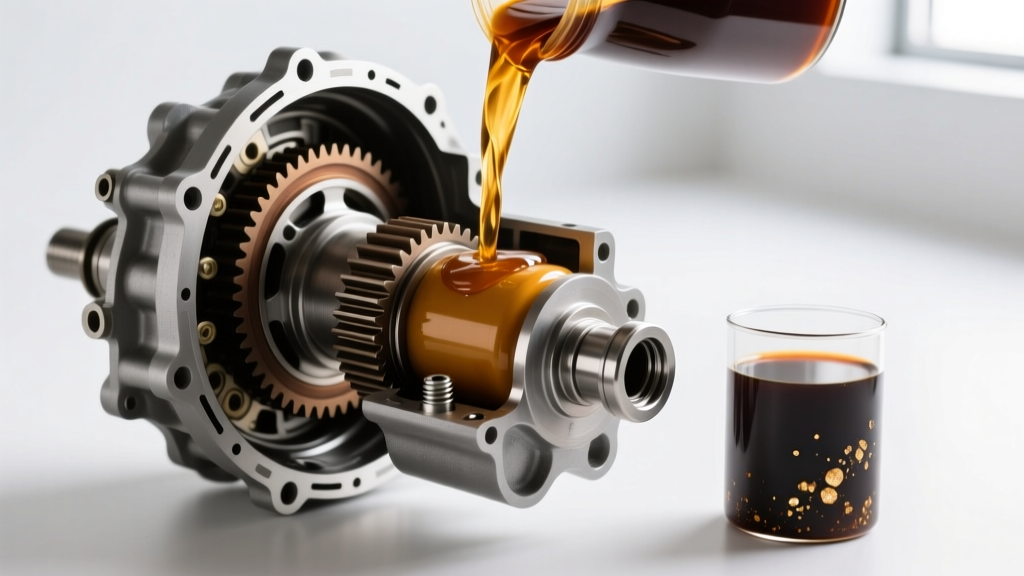
As we navigate the automotive landscape in 2026, modern trucks, SUVs, and performance vehicles are generating unprecedented torque, placing extreme shear and thermal loads on axle assemblies. The differential is the final mechanical gateway between your engine's power and the pavement. Inside this housing, the ring and pinion gears, spider gears, and carrier bearings rely entirely on a specialized film of gear oil to survive. When that lubricant degrades, metal-on-metal contact accelerates, often culminating in a catastrophic failure that necessitates a complete differential replacement—a repair that can easily exceed $3,500.
As a preventive maintenance guide, this article focuses on the most accessible and revealing diagnostic tool at your disposal: the condition, color, and odor of your differential fluid. By learning to read these visual and olfactory cues, you can intervene before minor wear escalates into a total axle rebuild.
How to Properly Extract and Sample Differential Fluid
Before diagnosing the fluid, you must extract a representative sample. Simply pulling the drain plug (if equipped) often leaves the heaviest contaminants and water pooled at the very bottom of the housing, giving a false reading of the overall fluid health.
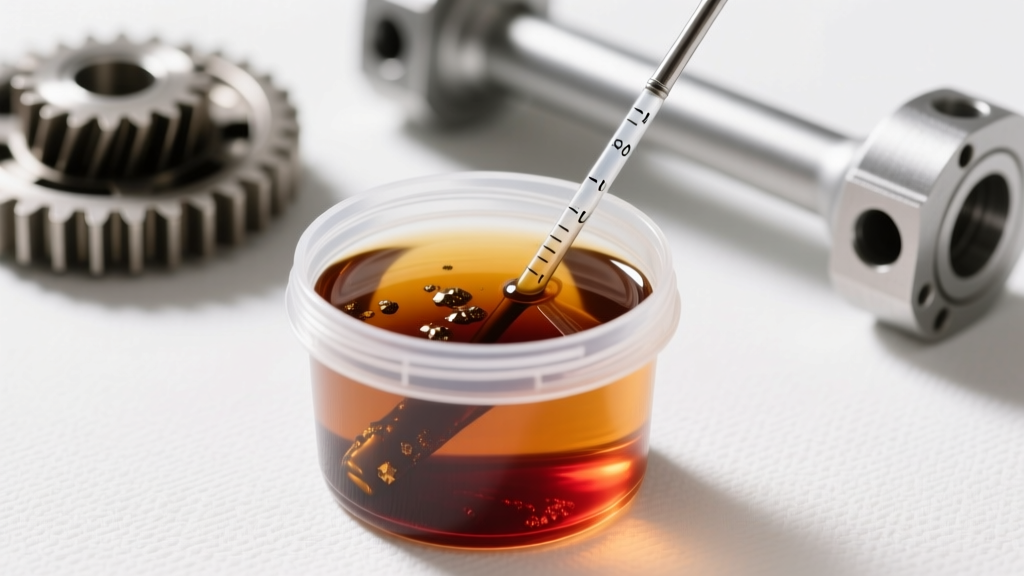
- The Extraction Method: Remove the fill plug first. Insert a clean fluid extractor tube down to the center of the gear bath and pump out 4 to 8 ounces into a clear glass or plastic vessel. This provides a mid-level sample that accurately reflects the fluid's suspended particulate and emulsion state.
- The Magnetic Plug Inspection: If your differential utilizes a magnetic fill or drain plug, wipe it with a clean white lint-free shop towel. The nature of the debris on the magnet is your first mechanical warning sign.
- Torque Specifications for Reassembly: Always respect OEM torque specs to prevent housing distortion or stripped threads. For the ubiquitous Ford 8.8 and 9.75-inch axles, the fill plug torque is typically 33 lb-ft. For the legendary Dana 44, aim for 25 to 35 lb-ft. GM's 9.5-inch 14-bolt axles generally require 24 lb-ft.
Decoding Differential Fluid Color and Condition
Gear oils, particularly API GL-5 rated synthetics like 75W-90 or 80W-90, contain complex Extreme Pressure (EP) additive packages rich in sulfur and phosphorus. As these additives react to heat, friction, and contamination, the fluid's physical appearance changes drastically.
| Fluid Appearance | Texture / Odor | Diagnostic Meaning | Preventive Action Required |
|---|---|---|---|
| Clear to Light Amber | Smooth, mild chemical scent | Optimal condition. Additives are intact. | None. Continue standard interval monitoring. |
| Dark Brown / Opaque | Thick, slight burnt odor | Normal oxidation or thermal breakdown from heavy towing. | Schedule fluid drain and fill within 3,000 miles. |
| Jet Black / Sludgy | Gritty, sharp acrid burn | Severe thermal degradation. EP additives are depleted. | Immediate fluid change; inspect for gear scoring. |
| Milky / Chocolate Milk | Creamy, may separate over time | Water intrusion and emulsion. | Flush system, replace fluid, clear axle breather tube. |
| Swirling Metallic Glitter | Smooth but reflective | Normal wear (break-in) or mild bearing wear. | Change fluid, monitor closely at next 10k mile interval. |
| Chunky Metal Flakes | Visible shards, needle-like | Catastrophic mechanical failure (gear shearing, cage disintegration). | Stop driving. Teardown required to avoid full differential replacement. |
1. Clear to Light Amber: The Baseline
Fresh synthetic 75W-90 gear oil typically presents as a clear, light amber or honey-colored liquid. In this state, the friction modifiers (if equipped for Limited Slip Differentials) and EP additives are fully active, providing the necessary boundary lubrication to protect the hypoid gear sliding action.
2. Dark Brown or Black: Thermal Stress and Oxidation
It is entirely normal for differential fluid to turn dark brown over 30,000 to 50,000 miles. However, if the fluid turns jet black and emits a sharp, acrid, burnt-toast smell, the oil has suffered severe thermal breakdown. According to tribology experts, when gear oil exceeds its thermal stability threshold (often around 250°F to 300°F in the gear contact zone), the base oil oxidizes and forms varnish and sludge. This sludge can block oil galleries in the carrier, starving the pinion bearing and leading to premature failure.
3. Milky or 'Chocolate Milk': The Water Intrusion Threat
If your extracted sample looks like a milkshake, water has mixed with the gear oil, creating an emulsion. Water destroys the load-bearing film strength of GL-5 gear oil by up to 70%. This usually occurs when a hot axle is submerged in cold water (e.g., launching a boat or driving through deep puddles). The rapid cooling creates a vacuum inside the housing, sucking water past the axle seals or through a clogged, malfunctioning axle breather valve. Ignoring milky fluid guarantees rust on the ring and pinion gears, pitting the mating surfaces and forcing an early differential replacement.
4. Metallic Glitter vs. Chunky Shavings
A fine, mica-like metallic glitter on the magnetic plug is normal during the first 15,000 miles of a differential's life as the gears undergo microscopic break-in wear. However, if you find chunky, jagged flakes or needle-like shards in the fluid pan, a bearing cage has likely disintegrated, or a ring gear tooth has sheared. At this stage, a simple fluid change is useless; the housing must be opened and rebuilt.
The Cost of Ignorance: Preventive Service vs. Differential Replacement
Understanding the financial escalation of neglected differential maintenance highlights why fluid analysis is a cornerstone of preventive care. Below is a 2026 cost escalation matrix based on current aftermarket and OEM parts pricing.
| Maintenance Stage | Drivetrain Status | Estimated Cost (Parts & Labor) |
|---|---|---|
| Proactive Fluid Service | Fluid dark but gears intact | $120 - $250 (Using premium 75W-90 Synthetic) |
| Breather & Seal Repair | Milky fluid, minor water intrusion | $200 - $450 (Seals, breather, flush) |
| Carrier Bearing Rebuild | Whining noise, chunky metal in fluid | $900 - $1,600 (Bearings, seals, machine shop setup) |
| Ring & Pinion Replacement | Scored gears, howling under load | $1,400 - $2,200 (Gears, master rebuild kit, labor) |
| Complete Differential Replacement | Catastrophic housing/gear explosion | $2,800 - $4,500+ (Crate axle or remanufactured unit) |
Advanced Diagnostics: Limited-Slip Friction Modifiers
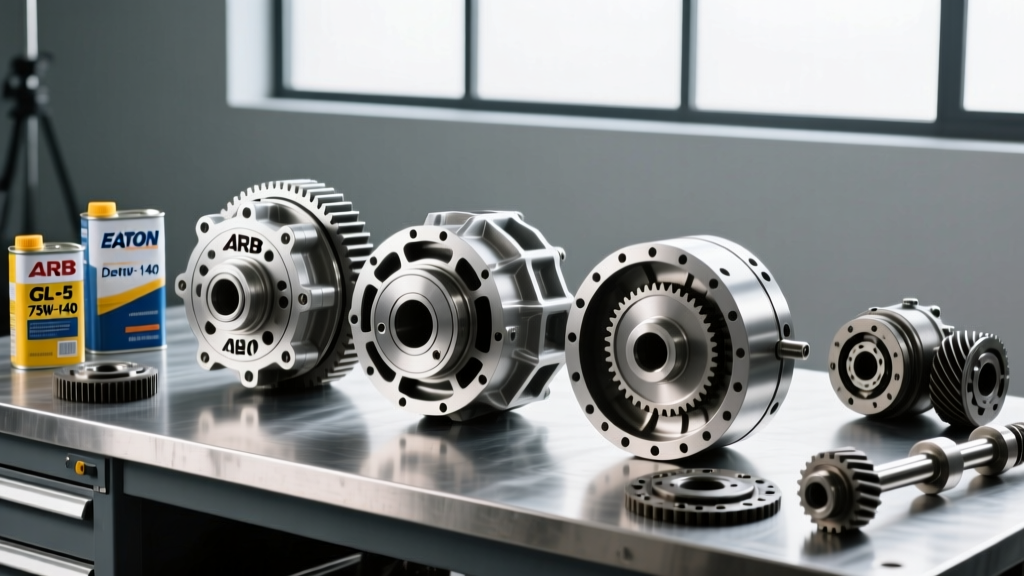
If your vehicle is equipped with a clutch-type Limited-Slip Differential (LSD), such as the Auburn Gear or Eaton Posi units found in many GM and Ford performance applications, the fluid condition involves an extra variable: the friction modifier. Over time, the chemical friction modifiers (like Motorcraft XL-3 or equivalent) shear down and deplete. While this doesn't always change the fluid's color drastically, it changes the behavior of the differential. If you experience low-speed 'chatter' or binding during tight parking lot turns, the modifier is depleted. A simple drain, fill, and addition of 4 to 8 ounces of LSD modifier can save the clutch packs from glazing and burning out.
'The hypoid gear design inherent in most automotive axles relies heavily on the sulfur-phosphorus EP additives in GL-5 fluid. When water contamination or extreme heat strips these additives, the sliding friction of the pinion gear will literally weld and tear the ring gear surface in a matter of miles. Visual inspection of the fluid is your only early warning system.' — Drivetrain Engineering Guidelines, Dana Incorporated
OEM-Specific Maintenance Nuances for Modern Axles
Ford 9.75-Inch and GM 9.5-Inch Axles
Modern half-ton trucks like the Ford F-150 and Chevy Silverado utilize large ring gears (9.75 and 9.5 inches, respectively) to handle high towing capacities. These differentials hold roughly 2.5 to 3.0 quarts of fluid. Because these axles sit low and are frequently subjected to highway towing, fluid temperatures can easily exceed 220°F. Upgrading to a high-quality synthetic 75W-90 that meets API GL-5 and MT-1 specifications is highly recommended over conventional mineral oils to resist thermal thinning and oxidation.
Jeep Dana 44 and Rubicon Lockers
Off-road vehicles face the highest risk of water intrusion and shock-loading. The Dana 44, a staple in the Jeep Wrangler ecosystem, requires roughly 2.0 quarts. For vehicles with electronic or air lockers, ensuring the fluid level is exactly at the bottom of the fill plug hole is critical; overfilling can cause fluid to be forced up the locker actuator tubes, leading to pneumatic or electrical failures. Specialists at Ring-Pinion.com frequently note that overfilled off-road differentials are a leading cause of secondary seal and locker failures.
Establishing Your Preventive Maintenance Interval
While many modern owner's manuals claim differential fluid is a 'lifetime' fluid, automotive engineers universally disagree. 'Lifetime' usually translates to the duration of the powertrain warranty (typically 60,000 to 100,000 miles). To genuinely avoid a differential replacement, adhere to the following preventive schedule:
- Normal Duty (Commuting, Light Highway): Inspect fluid condition every 30,000 miles; replace every 60,000 miles.
- Severe Duty (Towing, Off-Road, Track Use): Inspect every 15,000 miles; replace every 30,000 miles or immediately after any deep water submersion.
- Post-Break-In: If you have recently installed a new ring and pinion or a crate axle, perform the first fluid change at 3,000 miles to remove the high volume of break-in metallic particulate.
Conclusion
Ignoring the color, smell, and texture of your differential fluid is a gamble with severe financial consequences. A $150 preventive fluid service using top-tier synthetic GL-5 gear oil takes less than an hour but provides invaluable data about the internal health of your axle. By routinely extracting samples, monitoring for water emulsion, and respecting thermal breakdown indicators, you ensure your drivetrain operates silently and efficiently, successfully avoiding the massive downtime and expense of a premature differential replacement.