Understanding the Kia Telluride Drivetrain & CV Axle Vulnerabilities
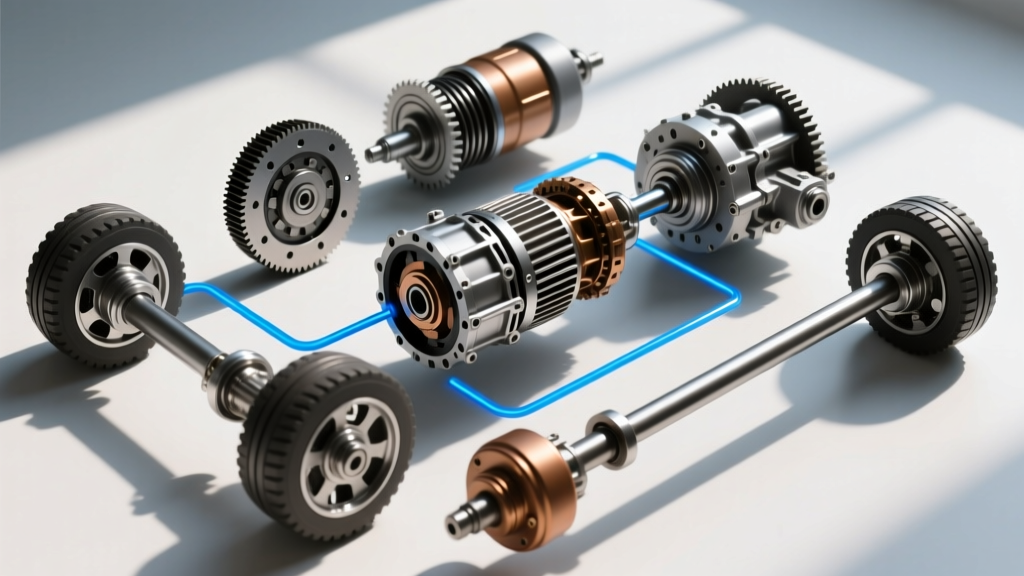
The Kia Telluride has dominated the midsize SUV segment since its introduction, relying on a robust transverse powertrain layout. Whether equipped with the standard 3.8L Lambda II V6 or the newer hybrid iterations, power is routed through an 8-speed automatic transmission (such as the A8LF1/A8LF2) and distributed via constant velocity (CV) axles. In AWD models, a Power Transfer Unit (PTU) sends torque rearward, but the front and rear CV halfshafts remain the critical final link to the wheels.
As these vehicles accumulate mileage and age into the 2026 ownership window, CV joint and axle failures are becoming a prevalent drivetrain concern. A failing CV axle doesn't just cause annoying NVH (Noise, Vibration, and Harshness); it can lead to catastrophic drivetrain binding if the joint seizes at highway speeds. This guide provides a comprehensive cost analysis, diagnostic framework, and mechanical breakdown for replacing CV axles on the Kia Telluride platform.
Symptom Diagnostics: Inner vs. Outer CV Joint Failures
Before authorizing a repair bill, it is crucial to isolate which joint on the halfshaft assembly has failed. A CV axle consists of an inner joint (connecting to the transaxle or differential) and an outer joint (connecting to the wheel hub). They fail in distinctly different ways.
The 'Click-Clack' Test (Outer Joint Failure)
The outer CV joint utilizes a Rzeppa-style ball-and-cage design to accommodate the extreme steering angles of the front wheels. When the grease degrades or the rubber boot tears, contaminants enter the bearing race.
- Symptom: A rhythmic clicking or popping noise when turning the steering wheel to full lock under acceleration.
- Visual Check: Inspect behind the wheel for a torn, flapping rubber boot and slung grease on the inner fender liner or brake caliper.
- Repair Reality: While some shops offer boot-only replacement kits, modern 2026 labor guidelines almost universally recommend replacing the entire halfshaft assembly due to the risk of hidden pitting on the bearing races.
Acceleration Shudder (Inner Tripod Joint Failure)
The inner joint typically uses a tripod (tri-pot) design that slides in and out to accommodate suspension travel and engine torque roll. The needle bearings inside the tripod housing are highly susceptible to wear from improper grease or high-torque loads.
- Symptom: A lateral shudder or vibration felt through the floorboards and steering wheel specifically during hard acceleration (usually between 30-50 mph). The vibration disappears when you lift off the throttle.
- Diagnostic Edge Case: Do not confuse inner CV shudder with torque converter shudder from the A8LF1 transmission. If the vibration strictly correlates with throttle application and lateral G-forces, suspect the inner tripod housing.
2026 Cost Analysis: OEM vs. Aftermarket CV Axles
The pricing landscape for Telluride drivetrain components has shifted in 2026. Supply chain stabilizations have brought aftermarket options back to competitive levels, though OEM dealership parts remain at a premium. Below is the current market matrix for front and rear CV axle assemblies.
| Component / Part Type | Estimated Part Cost (2026) | Typical Warranty | Application Notes |
|---|---|---|---|
| OEM Front Axle (Left/Right) | $480 - $620 | 12 Months / 12k Miles | Exact factory balance; requires dealership or specialized parts counter ordering. |
| Aftermarket Front Axle (e.g., GSP, Surtrack) | $130 - $210 | Lifetime / Limited | Highly recommended for out-of-warranty vehicles. GSP NCV series offers OEM-equivalent metallurgy. |
| OEM Rear Axle (AWD Models) | $520 - $680 | 12 Months / 12k Miles | Rear axles are shorter but feature specific ABS tone ring spacing. |
| Aftermarket Rear Axle | $150 - $240 | Lifetime / Limited | Ensure the part number explicitly lists AWD compatibility; FWD models do not use rear halfshafts. |
| CV Boot Kit (Clamp & Grease Only) | $25 - $45 | N/A | Only viable if the tear is caught immediately before contamination occurs. |
Labor Breakdown & Dealership vs. Independent Shop Rates
Labor times for CV axle replacement on the Telluride are dictated by the MacPherson strut front suspension and multi-link rear suspension geometry. According to standard Kia Tech Info labor guides, the book time for a single front axle replacement is approximately 1.6 to 1.9 hours.
The Dealership Premium
In 2026, average dealership labor rates range from $165 to $225 per hour. If you opt for an OEM front axle installed at the dealer, expect a total invoice between $750 and $950 per side. Dealerships will often insist on replacing the 36mm axle nut (a one-time-use torque-to-yield fastener) and may recommend a concurrent wheel alignment, adding $120-$150 to the bill.
The Independent Shop Advantage
Independent mechanics typically charge $110 to $150 per hour. By sourcing a premium aftermarket axle from a supplier like the RockAuto Catalog beforehand, a driver can expect a total out-the-door cost of $300 to $450 per side. This represents a savings of over 50% compared to the dealership route, with negligible compromises in drivetrain longevity if a reputable brand is selected.
DIY Replacement: Torque Specs, Tools, and Hidden Costs
For the advanced DIYer, replacing a CV axle on the Telluride is a moderate-difficulty weekend project. However, the Lambda II platform requires specific tools and adherence to strict torque sequences to prevent hub bearing damage or suspension failure.
Required Tooling
- 36mm Axle Nut Socket: A standard 1/2-inch drive 36mm socket is required. Do not use an impact wrench to remove the axle nut; use a high-leverage breaker bar with the vehicle on the ground and the brakes applied.
- Slide Hammer & Jaw Puller: The inner CV joint housing is secured by a snap ring inside the transaxle differential. A slide hammer is often necessary to pop the axle free without prying on the aluminum transaxle case.
- Pickle Fork or Tie Rod Puller: To separate the lower ball joint from the steering knuckle without destroying the rubber dust boot.
Critical Torque Specifications (Telluride 3.8L Platform)
Improper torque on drivetrain fasteners leads to catastrophic failure. Always use a calibrated torque wrench for the following:
- Front Axle Nut (36mm): 202.5 - 223.7 lb-ft (274.6 - 303.4 Nm). Note: This is a torque-to-yield nut. It must be replaced with a new OEM nut upon reassembly.
- Lower Control Arm Ball Joint Pinch Bolt: 72 - 81 lb-ft (98 - 110 Nm).
- Tie Rod End Castle Nut: 43 lb-ft (59 Nm), then align the cotter pin hole.
- Brake Caliper Mounting Bolts: 101 lb-ft (137 Nm) for the front guide pins.
Drivetrain Warranty Coverage: Will Kia Pay for It?
A common point of contention at the dealership service desk is warranty coverage for CV axles. Kia offers a 5-year/60,000-mile basic warranty and a 10-year/100,000-mile powertrain warranty. However, CV axles occupy a gray area in warranty adjudication.
If the failure is due to a torn boot caused by road debris, Kia will classify this as environmental damage or wear-and-tear, denying the claim under the powertrain warranty. However, if the inner tripod housing fractures or the splines shear off under normal use without boot contamination, a strong case can be made for coverage under the 10/100 powertrain warranty as an internal drivetrain defect. Always demand a detailed teardown inspection from the service advisor before accepting a denied claim.
Expert Verdict & Preventative Maintenance
The Kia Telluride's drivetrain is highly capable, but the CV axles are a known wear item as the vehicle crosses the 80,000-mile threshold. For 2026, the most financially sound strategy for out-of-warranty Tellurides is to bypass the dealership parts counter and utilize high-quality aftermarket assemblies from established brands like GSP or TrakMotive.
To maximize the lifespan of your replacement axles, avoid aggressive lifting of the vehicle by the control arms, which over-extends the CV joints, and perform a visual inspection of the rubber boots every 10,000 miles during routine oil changes. Catching a torn boot early remains the single most effective way to prevent a $400 axle replacement from becoming an unavoidable drivetrain repair.