The Kia Stinger GT Drivetrain: Performance Meets NVH Challenges
The Kia Stinger GT, equipped with the 3.3L twin-turbo V6 and the longitudinal 8-speed automatic transmission, is a triumph of Korean engineering. However, as these vehicles age and accumulate mileage, owners frequently report high-speed NVH (Noise, Vibration, and Harshness) issues. When diagnosing the Kia Stinger GT drivetrain, driveshaft vibrations are among the most common and misunderstood complaints. Whether you are tracking your Stinger or daily driving it, a vibrating driveshaft degrades ride quality and can prematurely destroy differential pinion bearings.
This comprehensive guide bridges the gap between advanced drivetrain diagnostics and practical buyer's advice, helping you identify the root cause of your Stinger's vibration and choose the best replacement components on the market in 2026.
Anatomy of the Stinger GT Driveshaft Layout
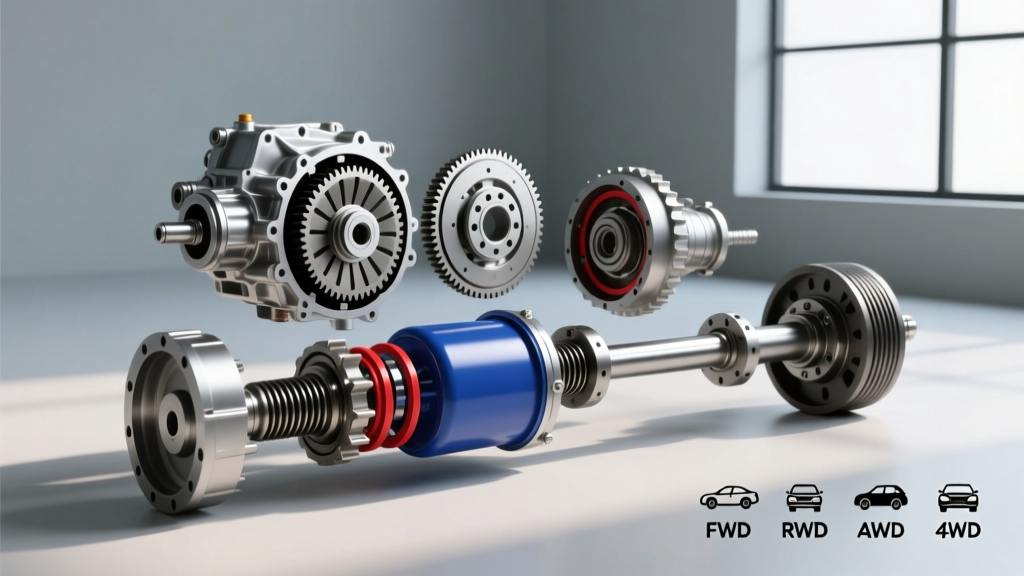
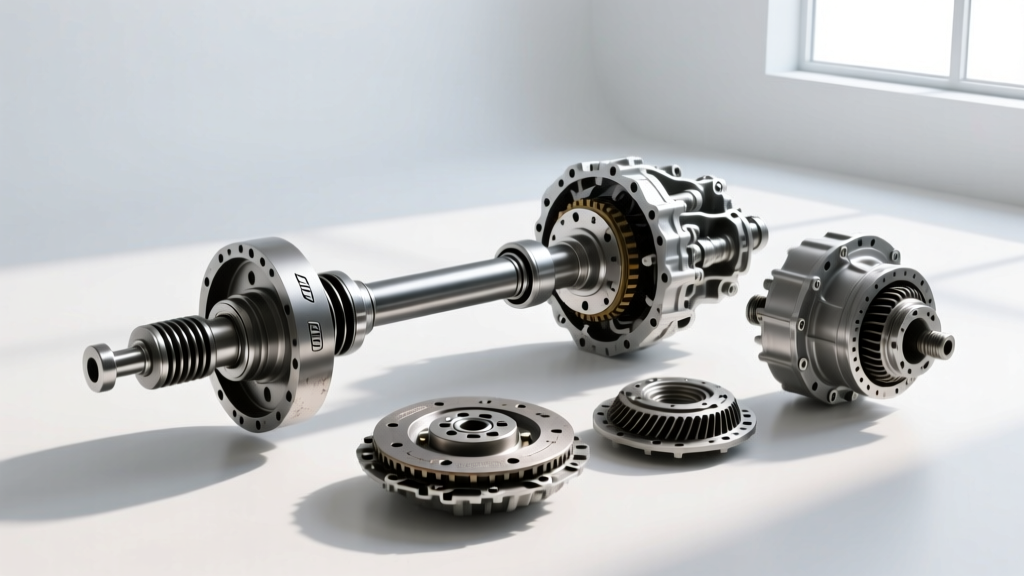
To diagnose a vibration, you must understand the hardware. The rear-wheel-drive (RWD) and all-wheel-drive (AWD) Stinger GT models utilize a multi-piece rear driveshaft to bridge the distance between the transmission/transfer case and the rear differential. Because the distance is substantial, Kia utilizes a two-piece or three-piece steel shaft joined by a Center Support Bearing (CSB) and rubber isolators.
- Front Section: Connects to the transmission output flange (or AWD transfer case) via a CV joint or U-joint.
- Center Support Bearing (CSB):strong> Bolted to the chassis crossmember, featuring a rubber harmonic damper designed to absorb torsional spikes from the 8-speed automatic's aggressive downshifts.
- Rear Section: Connects to the rear differential pinion flange, typically utilizing a staked U-joint or bolted CV joint depending on the model year.
Diagnosing Driveshaft Vibrations: The 3-Zone Road Test
Before throwing parts at the car, perform a systematic road test to isolate the frequency and load-dependency of the vibration. Driveshaft vibrations are typically rotational, meaning they correlate directly with vehicle speed (VSS) rather than engine RPM.
Zone 1: Take-Off and Low-Speed Clunk (0-20 MPH)
If you feel a shudder or metallic clunk when shifting from Park to Drive, or during the 1-2 gear shift under load, you are likely dealing with excessive U-joint play, a failing slip-yoke, or degraded differential bushings. This is a load-dependent issue.
Zone 2: The Mid-Range Resonance (45-65 MPH)
A cyclic hum or floor-pan buzz that peaks around 55 MPH and subsides at 70 MPH is the classic hallmark of a failing Center Support Bearing (CSB). As the rubber isolator degrades, the bearing sags, altering the operating angle of the U-joints. When U-joint operating angles exceed 3 degrees of variance between the front and rear joints, a 2nd-order vibration is introduced into the chassis.
Zone 3: High-Speed Harmonic Shake (70-85+ MPH)
If the steering wheel remains perfectly still but the seat and rear floorpan vibrate violently at highway speeds, you have a 1st-order driveshaft imbalance. This could be a missing balance weight, a slightly bent rear shaft section from road debris, or excessive runout at the differential pinion flange.
Common Failure Points and Inspection Protocols
Put the Stinger on a lift and run it in gear (safely secured) or use a pry bar and dial indicator to check the following:
- CSB Rubber Degradation: Look for cracking, tearing, or separation between the inner bearing race and the outer metal bracket. If the rubber is collapsed, the shaft is misaligned.
- U-Joint Play: Grab the shaft on either side of the U-joint cap and attempt to rotate it in opposing directions. Any rotational 'tick' or play indicates needle bearing failure.
- Pinion Flange Runout: Use a dial indicator on the rear differential flange. Runout exceeding 0.005 inches will cause high-speed vibrations, regardless of how well the driveshaft is balanced.
Buyer's Guide: OEM vs. Aftermarket Driveshaft Replacements
If your diagnosis confirms a failed CSB or a bent shaft, you face a critical purchasing decision. Kia does not officially sell the CSB separately from the entire rear driveshaft assembly for many model years, forcing owners to buy complete units. Here is how the 2026 market stacks up for replacement options.
| Option | Material & Design | Est. Cost (2026) | Pros | Cons |
|---|---|---|---|---|
| OEM Kia/Hyundai | Multi-piece Steel w/ Rubber CSB | $850 - $1,150 | Perfect factory fitment; maintains original NVH tuning. | Heavy; prone to repeat CSB failure after 60k miles. |
| The Driveshaft Shop (DSS) | 1-Piece Aluminum (No CSB) | $1,000 - $1,250 | Eliminates CSB failure point; reduces rotational mass; handles 1000+ hp. | May transmit more gear-whine NVH; requires careful pinion angle checking. |
| Generic Aftermarket / Reman | Multi-piece Steel w/ New CSB | $350 - $550 | Budget-friendly; widely available on eBay/Amazon. | Hit-or-miss high-speed balancing; cheap U-joints; short lifespan. |
Expert Recommendation: For daily drivers and grand tourers, an OEM replacement or a high-quality remanufactured unit from a dedicated driveline shop is best to preserve cabin quietness. For track-day enthusiasts or tuned Stingers running E85 and larger turbos, the 1-piece aluminum upgrade from The Driveshaft Shop is mandatory to prevent shaft failure under high torque loads.
Installation: Torque Specifications and Best Practices
Installing a driveshaft requires precision. Improper torque or failing to mark the factory alignment marks will guarantee a vibration. Always mark the relationship between the driveshaft flange and the differential pinion flange with a paint pen before removal.
Critical Torque Specs (Stinger GT 3.3T)
- Center Support Bearing Bracket to Chassis: 49 Nm (36 lb-ft)
- Rear Differential Pinion Flange Nuts: 127 Nm (94 lb-ft)
- AWD Transfer Case Output Flange: 108 Nm (80 lb-ft)
- Exhaust Heat Shield Fasteners: 10 Nm (89 lb-in)
Pro-Tip: When installing a 1-piece aluminum aftermarket shaft that eliminates the CSB, you must measure the pinion angle. The Stinger's rear subframe utilizes eccentric bolts for alignment. If the static pinion angle is not within 1 to 2 degrees of the transmission output shaft angle, the resulting U-joint bind will cause severe vibrations and rapid joint wear.
Warranty Coverage: Drivetrain vs. Powertrain
A frequent point of confusion at the dealership service desk is whether a failed driveshaft is covered under Kia's famous 10-year/100,000-mile powertrain warranty. According to Kia's warranty guidelines and discussions on forums like Stinger Owners Club, the powertrain warranty strictly covers internal engine components, the transmission, and the AWD transfer case.
The driveshaft, U-joints, and CSB are typically classified as chassis or 'wear-and-tear' components. Therefore, they are generally only covered under the 5-year/60,000-mile basic bumper-to-bumper warranty. If your Stinger is past the 60k mark, expect to pay out of pocket unless a specific Technical Service Bulletin (TSB) has been issued for your VIN regarding premature driveline component failure. Always check Kia Tech Info for active TSBs before purchasing parts.
Final Verdict
Diagnosing a Kia Stinger GT drivetrain vibration requires moving beyond simple tire balancing and examining the operational angles and harmonic dampers of the driveshaft. By utilizing the 3-zone road test, verifying flange runout, and selecting the right replacement shaft for your specific driving needs, you can restore your Stinger's refined grand-touring manners or prep it for the rigors of the drag strip.