The 2026 Jeep JL Axle Landscape: High-Mileage Leak Diagnosis
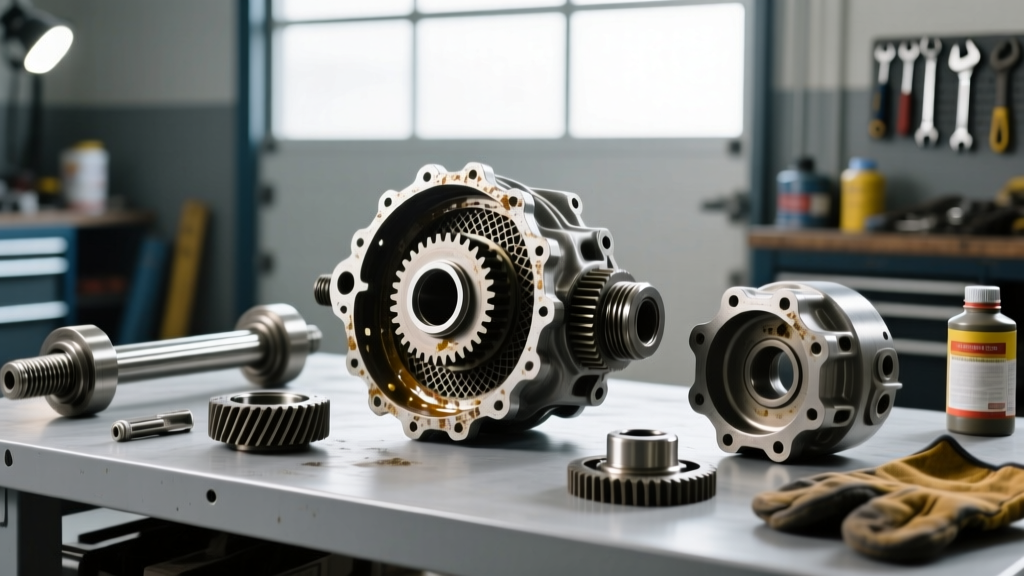
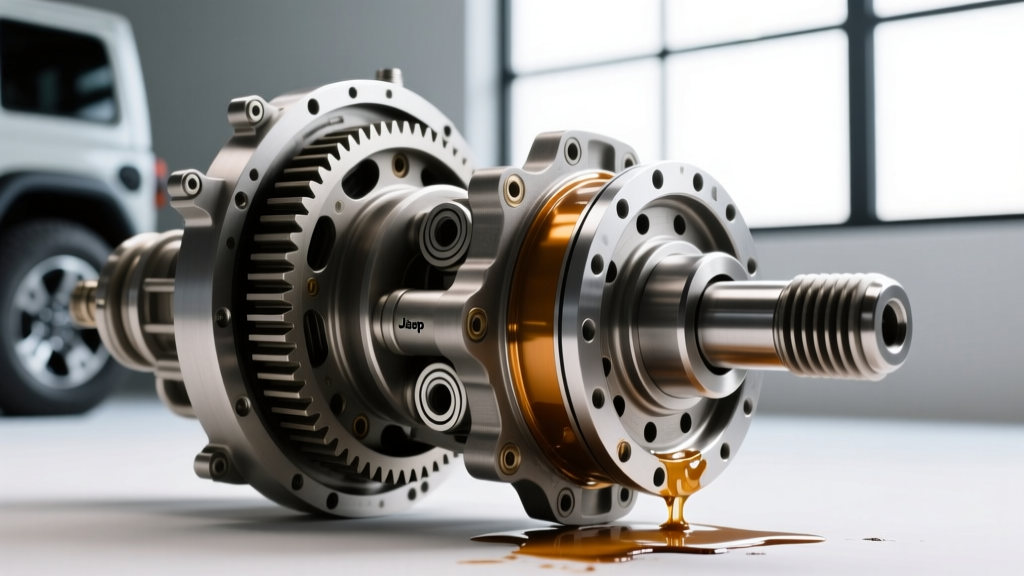
As we move through 2026, the Jeep Wrangler JL and Gladiator JT platforms are crossing the 100,000-mile threshold in massive numbers. With age and aggressive off-road use, drivetrain seepage has become one of the most common service complaints at specialty 4x4 shops. The JL generation relies heavily on the Dana 44 M210 (front) and M220 (rear) axles. While robust, these housings feature unique sealing points that vary drastically depending on the factory options your rig was built with.
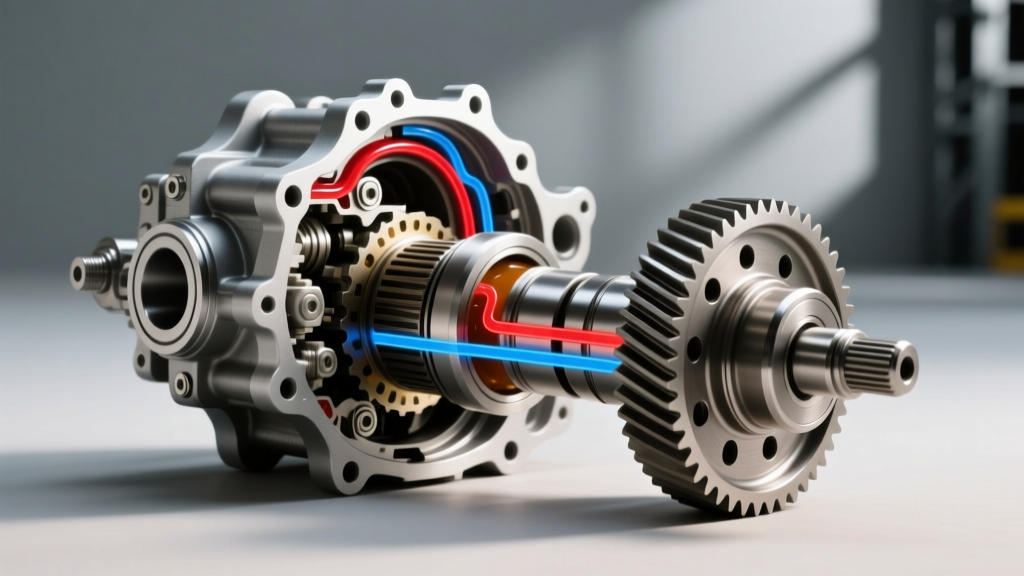
When wrenching on the JL platform, recognizing the different types of differentials installed from the factory is not just an academic exercise; it directly dictates your diagnostic path, fluid selection, and repair strategy. An open differential, a Trac-Lok limited-slip, and a Tru-Lok electronic locking differential all share the same basic ring and pinion, but their external housings, actuator seals, and internal friction requirements are entirely different. This model-specific guide will walk you through the exact leak points, OEM part numbers, and torque specifications required to properly reseal a Jeep JL Dana 44 axle.
How Differential Types Dictate Leak Profiles
Before you order seals, you must identify which of the different types of differentials is housed inside your axle tubes. The M220 rear axle, for example, was offered with three primary configurations, each with unique leak vulnerabilities:
- Open Differential: The simplest setup. Leaks are typically isolated to the pinion seal, axle shaft seals, or the differential cover gasket. There are no external wiring harnesses or actuator motors to worry about.
- Trac-Lok (Limited-Slip):strong> Mechanically similar to the open diff externally, but requires a specific friction modifier additive in the gear oil to prevent clutch pack chatter. Leaks are identical to the open diff, but misdiagnosing a low-fluid chatter as a failing clutch pack is a common rookie mistake.
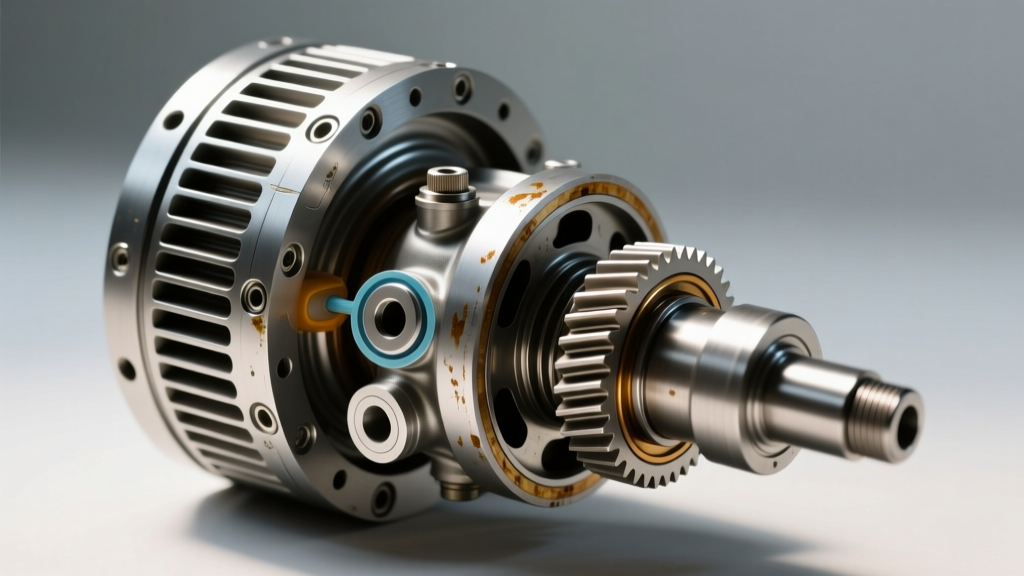
- Tru-Lok (Electronic Locker):strong> This is where the JL gets complicated. The Tru-Lok features an external electromagnetic actuator motor bolted to the differential housing. A highly specific leak point on the 2018-2026 JLs is the actuator O-ring and the wiring harness pass-through seal. If you see gear oil weeping from the passenger-side axle tube near the diff cover, trace it up to the actuator motor before tearing into the axle seals.
Fluid Specifications and Capacities
Using the correct fluid is paramount. The JL Dana 44 axles run hotter than their JK predecessors due to higher factory gearing and increased vehicle weight. Mopar specifies a full synthetic 75W-140 API GL-5 gear oil. Below is the definitive fluid chart for the JL platform:
| Axle Model | Position | Differential Type Options | Fluid Capacity | OEM Fluid Spec / Part Number |
|---|---|---|---|---|
| Dana 44 M210 | Front | Open, Tru-Lok (Electronic) | 1.5 Liters | Mopar 75W-140 Synthetic (68218655AB) |
| Dana 44 M220 | Rear | Open, Trac-Lok, Tru-Lok | 2.0 Liters | Mopar 75W-140 Synthetic (68218655AB) |
Note: If your M220 is equipped with the Trac-Lok LSD, you must add Mopar Friction Modifier (Part #04318060AD). The Tru-Lok electronic locker does NOT require friction modifier, as it uses a dog-clutch locking mechanism rather than friction clutches.
Pinion Seal Replacement: The Crush Sleeve Danger Zone
The pinion seal is the most frequent failure point on the JL M220 rear axle, often victimized by lifted Jeeps running modified driveshafts with poor pinion angles. Replacing it seems straightforward, but the M220 utilizes a crush sleeve to set bearing preload. If you over-torque the pinion nut, you will crush the sleeve too far, resulting in catastrophic pinion bearing failure within 5,000 miles.
Step-by-Step Pinion Seal Procedure
- Measure Rotational Torque: Before removing anything, put the transmission in neutral and use a beam-style inch-pound torque wrench on the pinion nut. Record the rotational torque required to turn the pinion (typically between 15-25 in-lbs for a used axle).
- Mark the Yoke and Nut: Use a paint pen to mark the exact alignment of the pinion nut to the yoke. Count the exact number of exposed threads on the pinion shaft.
- Remove the Yoke: Use a heavy-duty yoke holding tool (OTC 4521 equivalent) and a 1/2-inch drive impact to remove the nut. Pull the yoke with a standard 3-jaw puller. Do not pry it, or you will score the sealing surface.
- Extract and Install the Seal: Pry out the old seal. Lubricate the lip of the new OEM seal (Mopar Part #68340682AA) with fresh 75W-140. Drive it in perfectly square using a specialized seal driver. Warning: The JL pinion seal has an integrated dust shield. If you hammer it in with a piece of PVC pipe and crush the dust shield, the seal will fail prematurely.
- Reassembly and Torque Verification: Reinstall the yoke. Tighten the pinion nut using a torque wrench while constantly checking the rotational torque with your inch-pound beam wrench. Stop tightening the exact moment you reach your original recorded rotational torque plus 5 in-lbs. Never exceed the original thread count mark.
Pro-Tip: Never use an impact wrench to reinstall a pinion nut on a crush-sleeve axle. The rotational torque can spike instantly, crushing the sleeve and forcing you to tear down the entire differential to install a new solid spacer or crush sleeve.
Axle Shaft Seals and the ABS Tone Ring Risk
When diagnosing leaks at the wheel hubs, you are looking at the axle shaft seals. On the JL Dana 44, the bearing and seal are pressed onto the axle shaft, and the ABS tone ring is pressed on right next to them. This is a major difference from older C-clip axles where the seal could be pried out from inside the housing.
To replace a leaking JL axle seal (Mopar Part #68303453AA), you must:
- Remove the differential cover and drain the fluid.
- Unbolt the axle shaft retainer plate (four 13mm bolts, torque spec: 60 ft-lbs on reassembly).
- Slide the axle shaft out using a slide hammer with an internal jaw puller.
- Press off the old bearing, seal, and retainer plate using a hydraulic press.
The E-E-A-T Warning: The ABS tone ring on the JL M220 is incredibly brittle and prone to cracking if subjected to lateral pressure during the pressing operation. If you crack the tone ring, the vehicle will throw ABS, ESC, and Hill Descent Control codes the moment it is driven. Always use a bearing splitter that isolates pressure strictly to the inner bearing race, completely bypassing the tone ring. When pressing the new seal and bearing assembly back onto the shaft, ensure the seal lip faces inward toward the differential fluid.
The Tru-Lok Electronic Actuator Leak: A Modern Quirk
If your JL Rubicon or Mojave is equipped with the Tru-Lok electronic locker, you have an additional leak point that does not exist on base models. The electromagnetic actuator motor mounts to the differential housing via three T-30 Torx bolts. Between the motor and the housing is a large, flat O-ring.
In 2026, we are seeing a wave of these O-rings degrading due to the extreme heat cycles generated by 35-inch and 37-inch tire setups working the axles hard. Gear oil wicks up past the O-ring and coats the passenger side of the differential housing, often mimicking a leaking axle tube seal. To fix this, you must carefully unbolt the actuator, clean the mating surface with brake cleaner (ensure no debris falls into the locker mechanism), and install a new Actuator O-Ring (Mopar Part #68303452AA). Do not use RTV silicone here; the gap tolerance is machined specifically for the O-ring, and RTV will interfere with the electromagnetic engagement.
Cost Analysis: DIY vs. Professional Service
Understanding the financial reality of these repairs helps you decide whether to turn the wrenches yourself or hand the keys to a specialist. Here is a realistic 2026 pricing breakdown for a single M220 rear pinion seal repair:
- OEM Parts (Seal, Nut, Fluid): $85 - $120
- Specialty Tools (Seal Driver, Yoke Holder, Inch-lb Torque Wrench): $150 - $250 (one-time purchase)
- Professional Shop Labor: $350 - $550 (Typically 2.5 to 3.5 hours of book time)
For the experienced home mechanic, the DIY route saves hundreds of dollars and guarantees the job is done with patience rather than rushed on a shop lift. However, if you lack a beam-style inch-pound torque wrench or a hydraulic press for the axle seals, the risk of destroying a crush sleeve or an ABS tone ring makes professional service the safer financial bet.
Final Thoughts on Drivetrain Maintenance
Sealing the different types of differentials found in the Jeep JL platform requires more than just a tube of RTV and a socket set. It demands an understanding of crush sleeve preload dynamics, electronic actuator tolerances, and fragile ABS components. By identifying your exact axle configuration, sourcing the correct Mopar or Dana Spicer OEM seals, and adhering strictly to rotational torque specifications, you can ensure your JL or Gladiator remains trail-ready and leak-free for the next 100,000 miles.
For further technical documentation and community-verified torque specs, we recommend consulting the WranglerForum JL Technical Section, reviewing OEM service manuals via Quadratec Jeep Tech, and referencing the official engineering bulletins from Dana Incorporated.