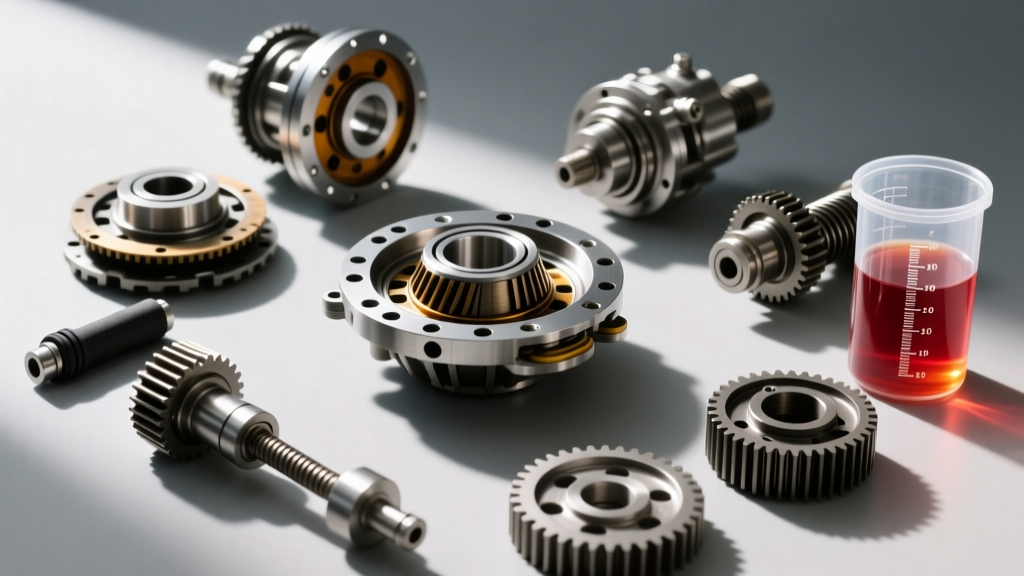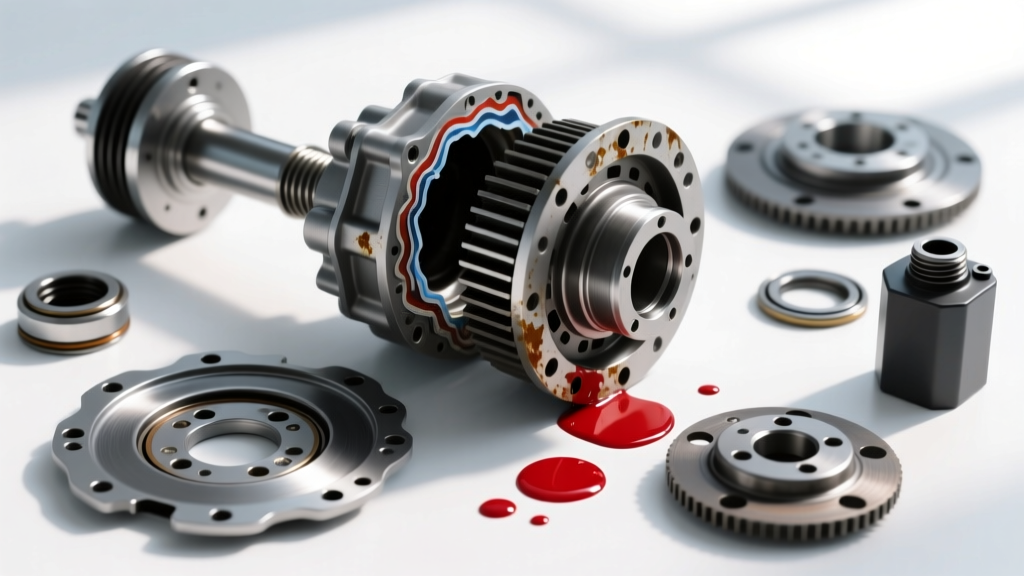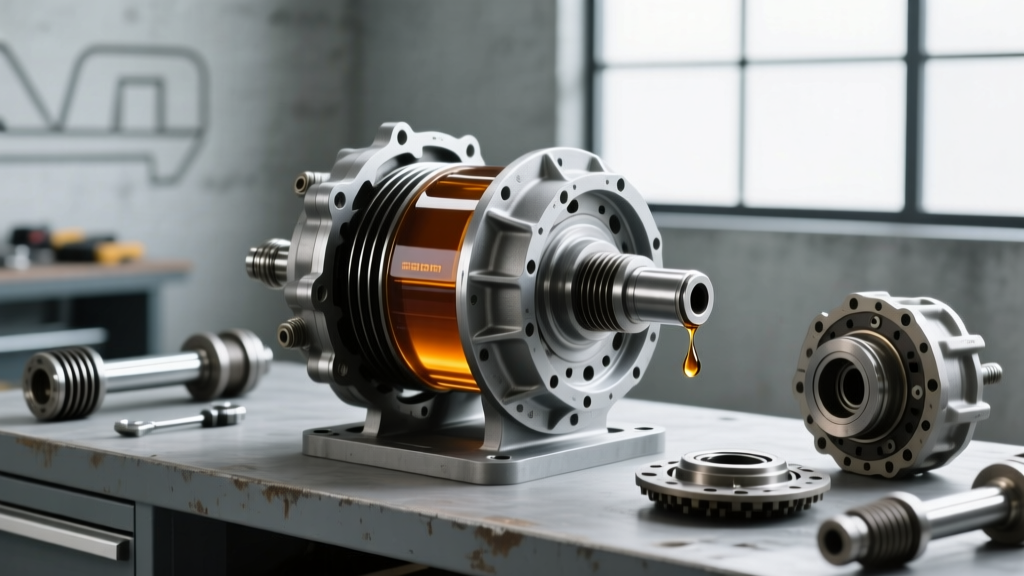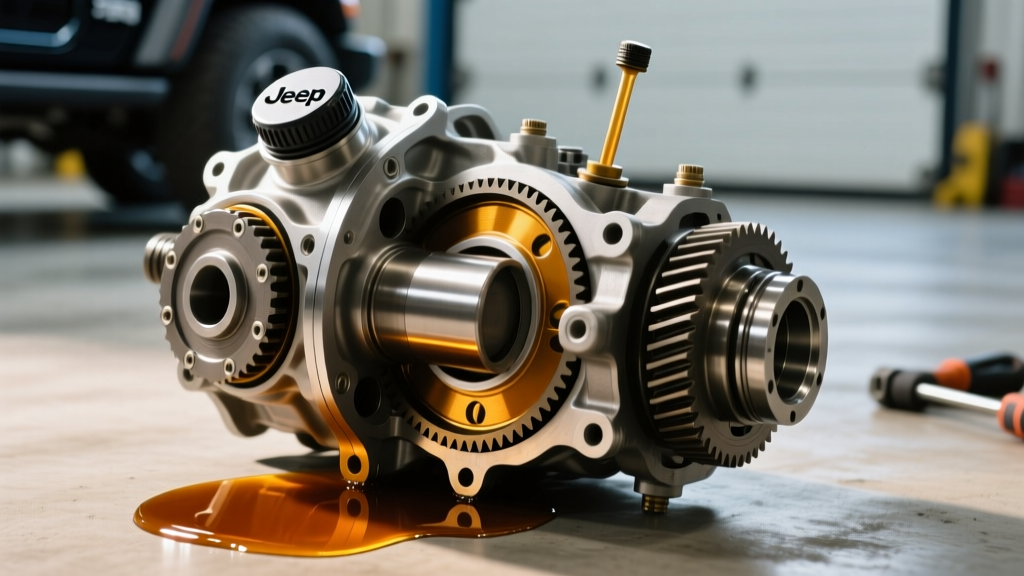
The Architectural Divide: Part-Time 4WD vs. True AWD Center Differentials
When diagnosing drivetrain noise, binding, or chatter, understanding the mechanical architecture of your vehicle is paramount. A common point of confusion in off-road and daily-driver communities alike is the role of the center differential. For enthusiasts searching for the correct jeep jk differential fluid, it is critical to recognize that the Jeep Wrangler JK (2007–2018) does not actually possess a center differential. Instead, it utilizes a part-time transfer case (the NV241 Command-Trac or NV241OR Rock-Trac) that mechanically locks the front and rear driveshafts together when in 4WD. This stands in stark contrast to full-time All-Wheel Drive (AWD) systems found in vehicles like the Toyota 4Runner Limited, Audi Quattro, or Subaru Outback, which rely on a true center differential to manage speed differentials between the front and rear axles on high-traction surfaces.
Misdiagnosing drivetrain bind often stems from applying AWD troubleshooting logic to a part-time 4WD system, or vice versa. As we navigate the 2026 landscape of aging JK platforms and increasingly complex AWD systems, bridging this diagnostic gap is essential. This guide provides a masterclass in symptom diagnosis, fluid specifications, and mechanical troubleshooting for both the Jeep JK's locked transfer case and true AWD center differentials.
Fluid Misdiagnosis: The Drivetrain Confusion
One of the most frequent and catastrophic mistakes made by novice DIYers is conflating axle differential fluid with transfer case fluid. Because the transfer case sits between the front and rear axles—occupying the physical space where a center differential would reside in an AWD vehicle—many incorrectly assume it requires heavy gear oil. Pouring 75W-140 synthetic gear oil into an NV241 transfer case will lead to immediate overheating, planetary gear failure, and destroyed synchronizers.
Below is the definitive fluid matrix comparing the Jeep JK drivetrain with common AWD center differential systems. Note the strict separation of gear oils, automatic transmission fluids, and specialized friction modifiers.
| Component / System | Fluid Specification | Capacity | Friction Modifier Required? | OEM / Reference Part Number |
|---|---|---|---|---|
| Jeep JK Dana 44 Rear Axle (Trac-Lok LSD) | SAE 75W-140 Synthetic API GL-5 | 2.0 Liters | Yes (if equipped with Trac-Lok) | Mopar 04318060AD (Additive) |
| Jeep JK Dana 30 Front Axle (Open) | SAE 75W-140 Synthetic API GL-5 | 1.4 Liters | No | N/A |
| Jeep JK NV241 / NV241OR Transfer Case | Mopar ATF+4 Automatic Transmission Fluid | 2.6 Liters (2.75 qts) | No | Mopar 05013458AA |
| AWD Torsen Center Differential (e.g., Audi/Toyota) | SAE 75W-90 API GL-5 | Varies (Typ. 1.0 - 1.5L) | No (Gear-biased, no clutches) | N/A |
| AWD Clutch-Pack Center Diff (e.g., Subaru/BorgWarner) | Specific OEM AWD Fluid / LSD Gear Oil | Varies (Typ. 0.8 - 1.2L) | Yes (Critical for chatter prevention) | Subaru SOA868V9270 |
Symptom Diagnosis: Drivetrain Bind, Chatter, and Whine
Diagnosing a drivetrain complaint requires isolating the symptom from the mechanical architecture. Here is how to differentiate between normal operational characteristics, fluid-related failures, and catastrophic mechanical wear.
Scenario A: Part-Time 4WD Bind (The Jeep JK on Dry Pavement)
Symptom: The vehicle bucks, hops, or refuses to turn sharply when driven in 4WD High or 4WD Low on dry, high-traction pavement.
Diagnosis: This is not a mechanical failure; it is normal operational behavior known as "driveline wind-up." Because the Jeep JK lacks a center differential, the front and rear driveshafts are forced to spin at the exact same RPM. When turning, the front wheels travel a longer distance than the rear wheels. Without a center diff to absorb this speed difference, the tires must slip to relieve the tension. If you experience this, shift the transfer case back into 2WD High immediately. Forcing the vehicle to turn will result in shattered U-joints, snapped axle shafts, or destroyed transfer case chain stretch.
Scenario B: AWD Center Differential Clutch-Pack Chatter
Symptom: A low-frequency shudder, vibration, or "chatter" felt through the chassis during tight, low-speed turns on dry pavement in an AWD vehicle.
Diagnosis: In AWD systems utilizing a clutch-pack center differential (such as the Subaru Multi-Mode Driver Controlled Center Differential or various BorgWarner torque-on-demand systems), this chatter is the hallmark of depleted friction modifiers. As the fluid degrades, the clutch plates stick and slip rapidly rather than engaging smoothly. Fix: Drain and refill the center differential with fresh OEM-specified fluid containing the correct friction modifier package. If the chatter persists after 100 miles of driving to allow the new fluid to penetrate the clutch packs, the clutches are permanently glazed and the center diff requires a rebuild.
Scenario C: High-Pitch Whine Under Load
Symptom: A distinct howling or whining noise that changes pitch with vehicle speed and load (acceleration vs. deceleration).
Diagnosis: This points to ring and pinion gear wear or improper backlash, not necessarily a fluid issue, though low fluid levels can accelerate it. In a Jeep JK Dana 44, a whine on deceleration typically indicates a worn drive-side gear face or excessive backlash. In an AWD center differential (like a Torsen T-3), a whine suggests planetary gear wear due to running the unit dry. According to drivetrain specialists at Quadratec, ignoring transfer case or differential whines often leads to complete casing destruction as metal shatters and circulates through the bearings.
Step-by-Step Troubleshooting Protocol
When a customer or DIYer presents with a binding or noisy drivetrain, follow this exact diagnostic tree to avoid unnecessary parts replacement:
- Verify Operating Mode: Ensure the Jeep JK is in 2WD for pavement testing. Ensure the AWD vehicle is in its standard "Auto" or "Full-Time" mode.
- The Figure-8 Test: Drive the vehicle in a tight figure-8 pattern on dry asphalt at 5 MPH.
- If the Jeep JK hops violently: Normal. The transfer case is locked.
- If the AWD vehicle chatters/shudders: Center diff clutch fluid failure. Perform a fluid service with friction modifier.
- If the AWD vehicle binds completely and stalls: Seized viscous coupling or welded center diff. Immediate teardown required.
- Static Fluid Inspection: Crack the fill plug (never the drain plug first). Insert a zip-tie or finger. If the fluid smells burnt (like sulfur and burnt toast), the clutch packs or bearings have overheated. If the fluid is milky, water intrusion has occurred past the axle seals or transfer case vent.
- Magnetic Plug Analysis: Inspect the magnetic fill/drain plug. Fine metallic paste is normal for a 50,000-mile service. Chunky metal shards or needle-bearing fragments indicate catastrophic internal failure requiring a full rebuild.
Maintenance Intervals, Torque Specs, and Real-World Costs
Proper maintenance is the only way to prevent premature drivetrain failure. While the owner's manual might suggest extended intervals, the off-road and enthusiast community—and experts on platforms like JK-Forum—recommend much shorter service intervals for vehicles subjected to water crossings, towing, or heavy trail use.
Jeep JK Drivetrain Service Data
- Front/Rear Axle Fluid Interval: 15,000 miles (severe/off-road) to 30,000 miles (street).
- Transfer Case (NV241) Fluid Interval: 30,000 to 60,000 miles. (Remember: ATF+4 ONLY).
- Fill Plug Torque (Dana 30/44 & NV241): 25 ft-lbs (34 Nm).
- Differential Cover Bolt Torque (if dropping cover): 30 ft-lbs (41 Nm) in a crisscross pattern. Note: Using a fluid pump via the fill hole is highly preferred over dropping the cover to avoid RTV sealant issues and gasket leaks.
- Estimated DIY Cost: $120–$180 for full synthetic 75W-140, ATF+4, and friction modifiers.
- Shop Labor Cost: $250–$450 for a complete axle and transfer case fluid service.
AWD Center Differential Service Data
- Service Interval: Often labeled "lifetime" by manufacturers, but true experts mandate a 60,000-mile drain and fill to preserve clutch-pack integrity.
- Viscous Couplings: Sealed for life. Cannot be serviced. If the vehicle exhibits "torque bind" when hot, the viscous fluid has degraded and the entire unit must be replaced ($800–$1,500+ parts cost).
Final Diagnostic Takeaways
Whether you are maintaining a rugged Jeep Wrangler JK or troubleshooting a sophisticated AWD daily driver, the golden rule of drivetrain diagnosis remains the same: respect the architecture. The jeep jk differential fluid regimen requires strict adherence to separating heavy GL-5 gear oils for the axles from ATF+4 for the transfer case. Conversely, AWD center differentials demand meticulous attention to friction modifier chemistry to prevent clutch-pack chatter. By understanding the mechanical realities of locked transfer cases versus torque-biasing center differentials, you can accurately diagnose symptoms, avoid catastrophic misdiagnoses, and keep your drivetrain operating flawlessly for hundreds of thousands of miles.
For further technical documentation on drivetrain lubricants and gear ratios, refer to the engineering specifications provided by AMSOIL and your vehicle's OEM service manual.