The Shared Reservoir Dilemma in Modern Manual Transmissions
Diagnosing intermittent clutch problems is one of the most frustrating tasks in manual transmission troubleshooting. Unlike a hard mechanical failure—such as a shattered pressure plate diaphragm or a worn friction disc—intermittent hydraulic issues manifest unpredictably. Your clutch pedal might feel perfectly firm during a cold morning commute, only to develop a spongy, sinking sensation in stop-and-go traffic or after a spirited canyon drive. When the pedal drops to the floor without engaging the clutch, or when gear engagement becomes intermittently notchy, the root cause almost always traces back to the hydraulic actuation system.
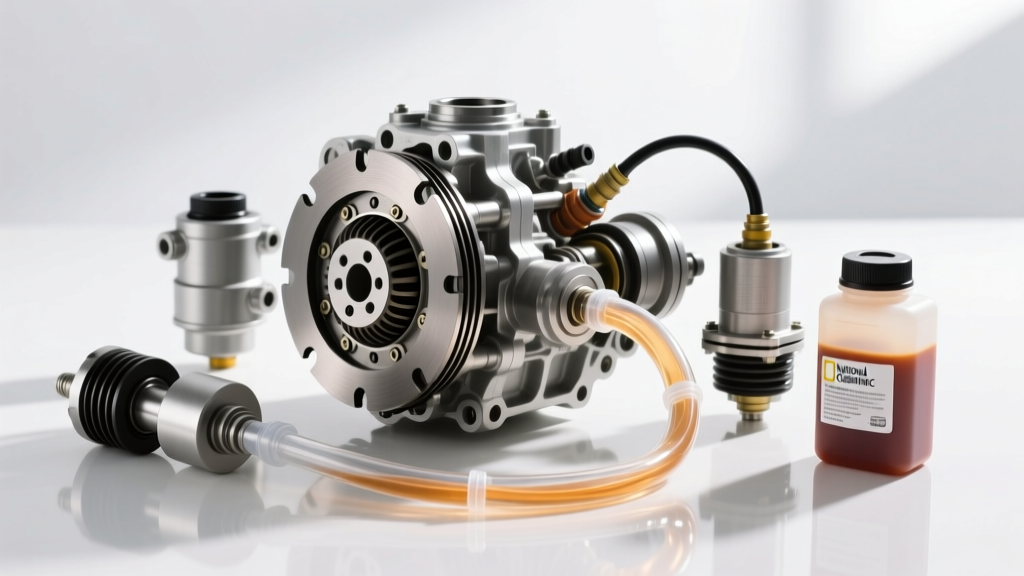
In many modern vehicles, from the Chevrolet Corvette C7 (utilizing the Tremec T56 Magnum LT) to various Porsche and BMW platforms, the clutch master cylinder draws directly from the brake master cylinder reservoir. This shared architecture saves weight and space but introduces a unique set of diagnostic variables. Because the clutch line often routes dangerously close to high-heat exhaust components and the transmission bellhousing, the fluid is subjected to extreme thermal cycling. This brings up a critical question that many DIY mechanics and even some general service technicians ask: is clutch fluid the same as brake fluid?
Is Clutch Fluid the Same as Brake Fluid? The Chemical Reality
To answer the target question directly: yes, in 95% of modern passenger and performance vehicles, clutch fluid and brake fluid are chemically identical. Both systems typically require glycol-ether-based fluids that meet FMVSS 116 and SAE J1703 standards, specifically DOT 3, DOT 4, or DOT 5.1. However, while the base chemistry is the same, the operational demands of the clutch system dictate that you cannot simply treat them as interchangeable without considering thermal thresholds.
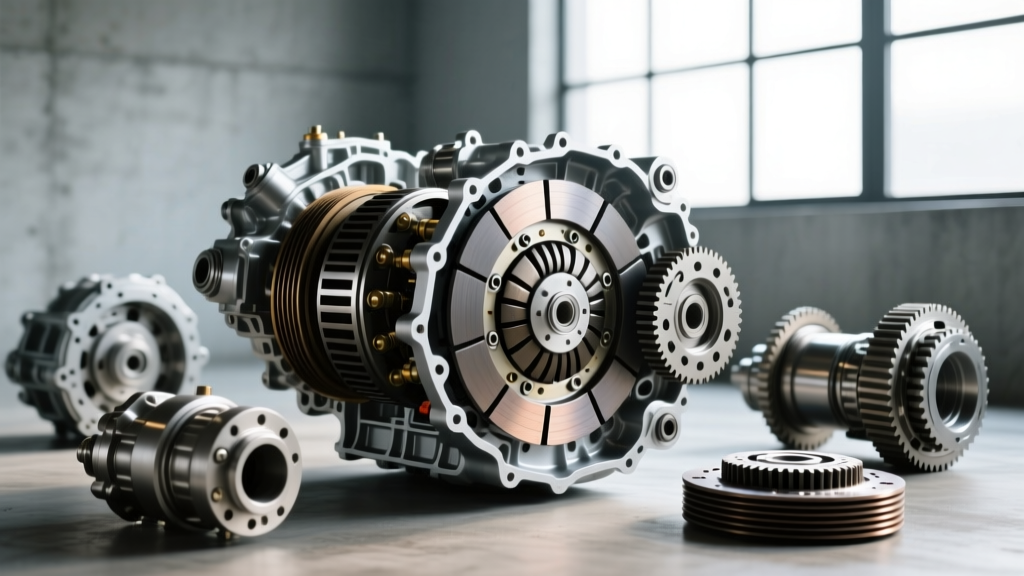
The clutch hydraulic system operates with a much smaller fluid volume than the brake system. Furthermore, the clutch slave cylinder—especially internal Concentric Slave Cylinders (CSCs) like those manufactured by FTE Automotive or Sachs—sits directly inside the bellhousing. It absorbs massive amounts of radiant heat from the clutch assembly and exhaust headers. Because glycol-based fluids are hygroscopic (they absorb moisture from the atmosphere over time), the boiling point of the fluid degrades. When the fluid micro-boils in the clutch line, it creates compressible gas bubbles, resulting in an intermittent, spongy pedal that vanishes once the vehicle cools down.
DOT Fluid Specifications & Clutch Suitability Chart
| Fluid Type | Base Chemistry | Dry Boiling Point (Min) | Wet Boiling Point (Min) | Clutch System Suitability |
|---|---|---|---|---|
| DOT 3 | Glycol-Ether | 205°C (401°F) | 140°C (284°F) | Poor for performance; prone to intermittent vapor lock. |
| DOT 4 | Glycol-Ether / Borate | 230°C (446°F) | 155°C (311°F) | Standard OEM recommendation for most daily drivers. |
| DOT 5.1 | Glycol-Ether | 260°C (500°F) | 180°C (356°F) | Excellent for heavy-duty or track use; resists micro-boiling. |
| DOT 5 | Silicone | 260°C (500°F) | 180°C (356°F) | NEVER USE. Does not absorb water; causes localized boiling and destroys ABS/shared systems. |
Note: For high-heat applications, upgrading to a high-performance DOT 4 fluid, such as Motul RBF 600, provides a dry boiling point of 312°C (594°F), virtually eliminating intermittent thermal vapor lock in the clutch line.
Root Causes of Intermittent Clutch Hydraulics
If you have confirmed that the correct fluid is in the system, yet the clutch still engages and disengages erratically, you must isolate the mechanical and hydraulic failure points. Intermittent problems generally fall into three distinct categories.
1. Thermal Degradation and Micro-Vapor Lock
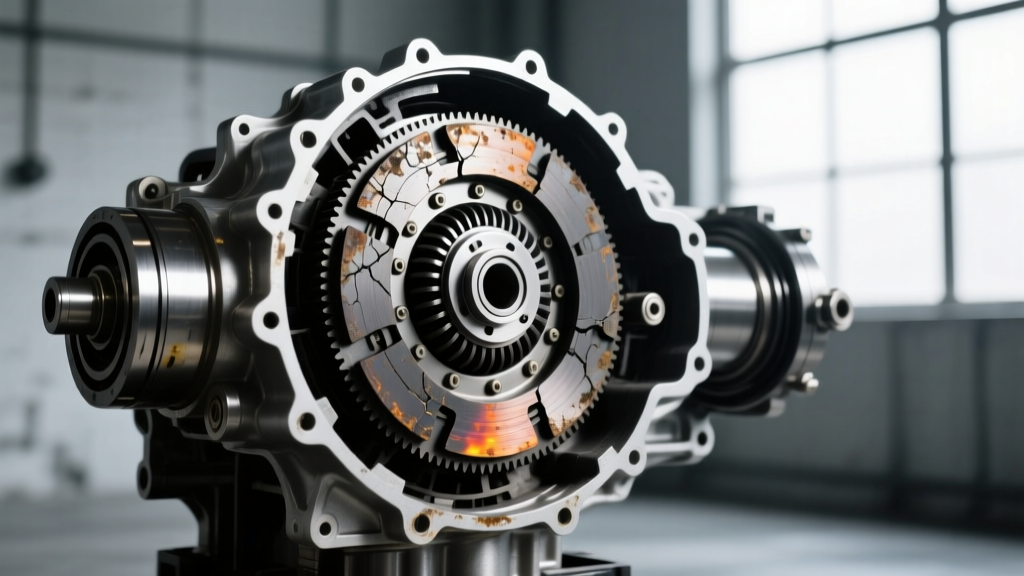
As mentioned, hygroscopy is the enemy of hydraulic consistency. A DOT 4 fluid that has been in the vehicle for three years can easily absorb 3% to 4% moisture by volume. This drops the wet boiling point dangerously close to the ambient temperatures found inside a bellhousing during traffic congestion. The fluid literally boils in the line, creating air pockets. Because air is compressible, the pedal stroke is consumed by compressing the gas rather than moving the slave cylinder piston. Once the car is parked and cools, the vapor condenses back into a liquid, and the pedal feels 'normal' again, masking the issue.
2. Internal Seal Bypass (The 'Phantom Pedal')
Both the clutch master cylinder and the slave cylinder rely on internal rubber cup seals to hold hydraulic pressure. When these seals age, or when the cylinder bore develops microscopic scoring, the fluid can bypass the seal internally under high load or high temperature. This is incredibly common in GM trucks and Camaros utilizing the GM PN 24288144 hydraulic throwout bearing. The symptom is a pedal that holds pressure at idle but slowly sinks to the floor when you are holding the car in gear at a redline light, causing the clutch to intermittently drag and the car to creep forward.
3. Master Cylinder Pushrod Clearance Issues
If your intermittent issue manifests as clutch drag (difficulty shifting into gear, grinding into reverse) rather than sponginess, the master cylinder pushrod may lack adequate free-play. Modern pedals use a plastic retaining clip or an adjustable threaded pushrod. If the free-play is zero, the master cylinder piston never fully retracts to uncover the fluid compensation port. As the fluid heats up and expands, it has nowhere to go, applying partial, intermittent pressure to the clutch release bearing. This causes premature wear on the Sachs or LuK clutch components and erratic disengagement.
Diagnostic Protocol: Isolating the Intermittent Fault
To accurately diagnose an intermittent clutch hydraulic issue, follow this systematic troubleshooting protocol. Do not skip steps, as hydraulic systems will mask secondary faults if primary faults are present.
- Verify Fluid Condition and Level: Inspect the shared reservoir. If the fluid is dark brown or black, it is heavily oxidized and contaminated with rubber particulate from degrading seals. Flush the system immediately.
- Check Pushrod Free-Play: Measure the gap between the clutch pedal arm and the master cylinder pushrod. There must be a minimum of 1/16-inch (1.5mm) free-play before the piston is depressed. Adjust if necessary.
- Perform a Pressure Bleed: Gravity bleeding is rarely sufficient for modern clutch lines, which often feature complex routing and anti-rattle loops that trap air. Use a pneumatic pressure bleeder set to exactly 15-20 PSI. Higher pressures can cause the master cylinder reservoir cap to blow off or damage the plastic threads on OEM bleeder valves.
- The Clamp Test (Isolating the Master vs. Slave): If the pedal still sinks intermittently, use a specialized soft-jaw hose clamp to pinch the flexible rubber hydraulic line connecting the chassis to the transmission. Pump the pedal. If the pedal now holds rock-solid, the master cylinder is functioning, and the internal leak is inside the bellhousing (slave cylinder/CSC). If the pedal still sinks with the line clamped, the master cylinder is bypassing internally and requires replacement.
- Inspect for External Leaks: Check the bellhousing inspection cover for signs of weeping fluid. A leaking CSC will often contaminate the clutch friction disc, leading to a secondary symptom of intermittent clutch chatter and slipping under heavy throttle.
2026 Component Replacement & Cost Guide
When diagnostics confirm a failed hydraulic component, replacing it with high-quality OEM or premium aftermarket parts is critical to preventing a recurrence. Below is a breakdown of current market pricing and torque specifications for a standard rear-wheel-drive manual transmission setup.
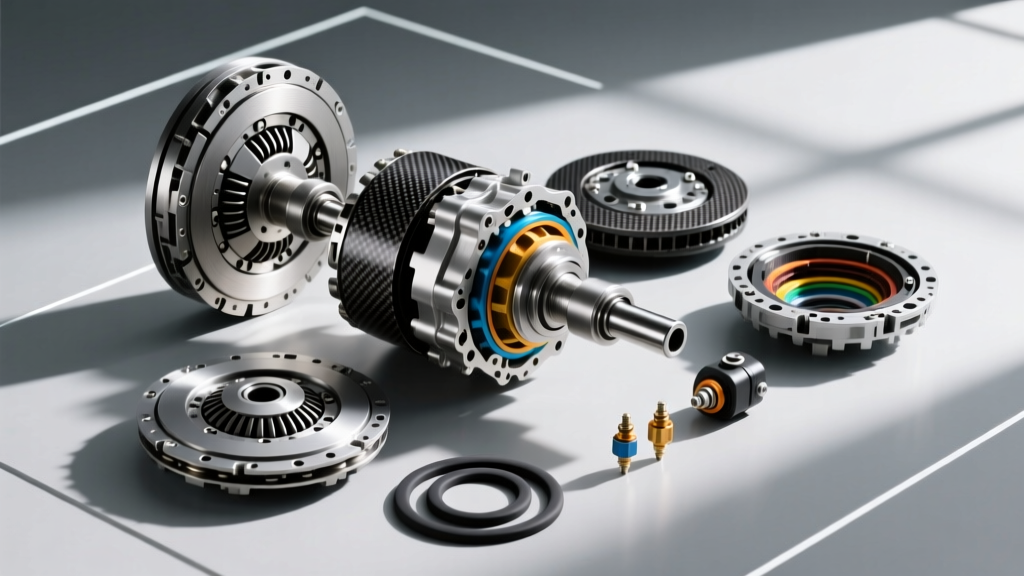
- OEM Concentric Slave Cylinder (CSC): $180 - $350 depending on the application (e.g., FTE or Sachs). Never use cheap, unbranded CSCs; their internal seals fail rapidly under heat.
- OEM Clutch Master Cylinder: $90 - $160.
- High-Performance DOT 4 Fluid (1 Liter): $22 - $35.
- Stainless Steel Braided Clutch Line: $60 - $120 (Highly recommended to replace the OEM rubber line, which can balloon under pressure, causing a spongy feel).
Critical Torque Specifications
When reinstalling hydraulic components, adherence to torque specs is mandatory to prevent stripped aluminum threads on the transmission casing or master cylinder firewall mounts.
- Slave Cylinder to Bellhousing Bolts: 25 Nm (18 lb-ft)
- Hydraulic Line Fitting to Slave Cylinder: 15 Nm (11 lb-ft)
- Bleed Nipple / Valve: 7 Nm (62 lb-in) - Overtightening will snap the bleed screw inside the casting.
- Master Cylinder Firewall Nuts: 12 Nm (9 lb-ft)
Expert Warning: Never substitute DOT 5 Silicone fluid in a vehicle with a shared brake/clutch reservoir or an ABS system. Silicone fluid does not mix with glycol, will trap air bubbles that cannot be bled out, and will cause catastrophic failure of the ABS modulator and rubber hydraulic seals not designed for silicone exposure.
Final Thoughts on Hydraulic Consistency
Intermittent clutch problems are rarely caused by the clutch disc or pressure plate themselves; they are almost always a symptom of hydraulic instability. By understanding that while clutch fluid and brake fluid share the same chemical DNA, their operational environments demand high-temperature resilience. Upgrading to a high-temp DOT 4 or DOT 5.1 fluid, ensuring proper pushrod clearance, and methodically isolating internal seal bypasses will permanently resolve the elusive 'phantom pedal' and restore crisp, predictable gear changes.