The "Automatic" Misconception: Understanding the DPS6 PowerShift
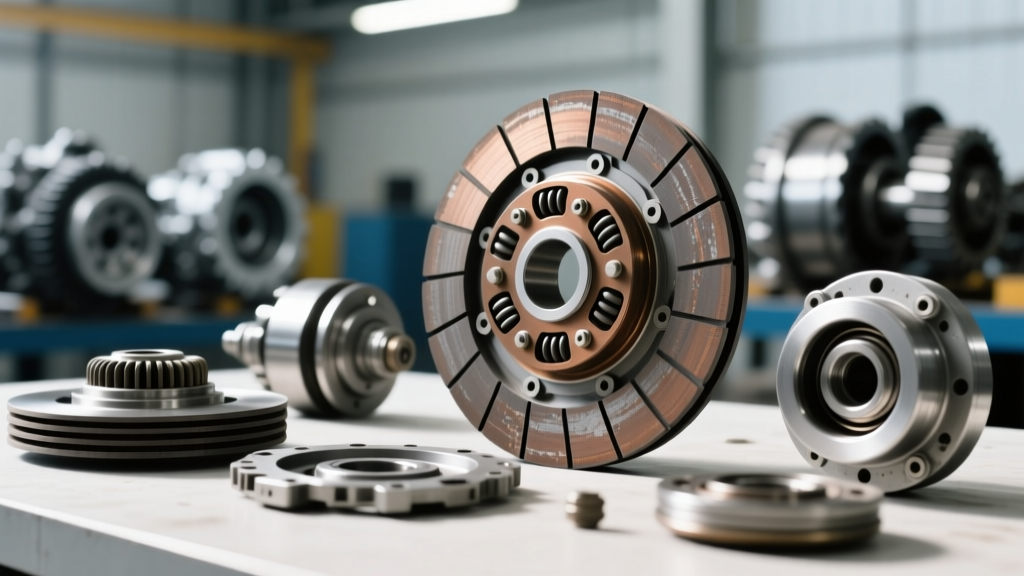
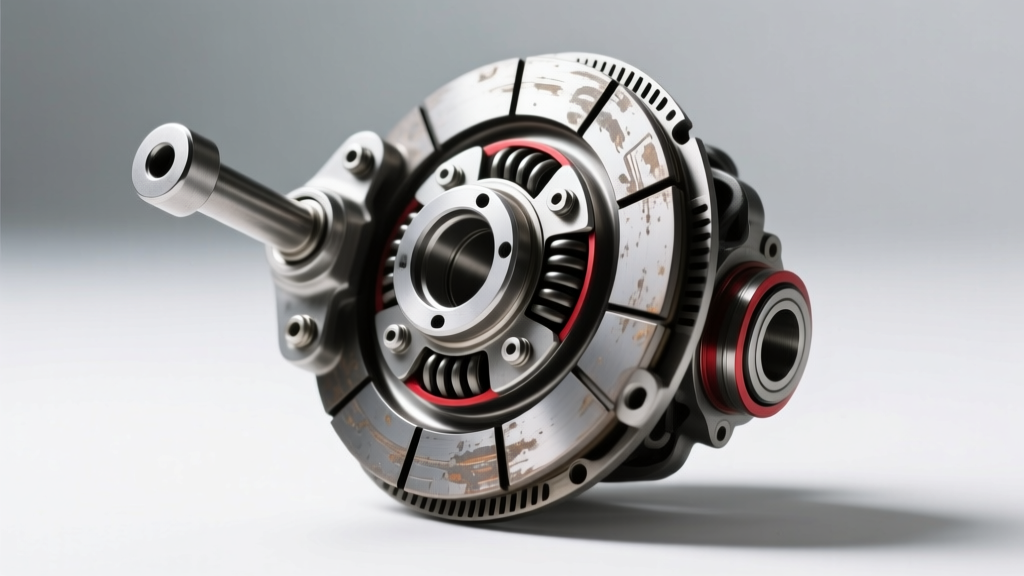
When discussing clutch problems in automatic transmissions, few platforms generate as much diagnostic complexity and owner frustration as the 2012–2018 Ford Focus equipped with the DPS6 PowerShift transmission. Marketed to consumers as a seamless automatic, the DPS6 (Getrag 6DCT250) is mechanically an automated manual transmission (AMT) utilizing two dry clutches. One clutch handles the odd gears (1, 3, 5), while the other manages the even gears (2, 4, 6, R). Because it uses dry friction plates rather than a wet clutch pack bathed in fluid, it is highly susceptible to thermal degradation, wear, and actuator misalignment.
As we navigate the aftermarket landscape in 2026, the original wave of factory defects has largely transitioned into a mature cycle of secondary and tertiary replacements. For technicians and DIY buyers, understanding the exact failure points of the Ford Focus dual clutch system is critical before investing in parts. This guide breaks down the symptoms, compares replacement clutch kits, and outlines the critical calibration procedures required to restore drivability.
Diagnosing Ford Focus Dual Clutch Symptoms
Unlike traditional torque-converter automatics that slip smoothly when worn, a failing dry dual-clutch system exhibits harsh, mechanical symptoms. Because the DPS6 relies on electric motors to actuate the clutch forks, wear on the friction material forces the Transmission Control Module (TCM) to continuously adjust the clutch touch-points. Eventually, the TCM runs out of adaptive travel, resulting in the following hallmark symptoms:
- Low-Speed Shudder: A violent shaking or chattering sensation during 1st-to-2nd gear upshifts or when creeping in stop-and-go traffic. This is caused by uneven friction material wear and thermal hot-spotting on the dry clutch plates.
- Harsh Engagement and Clunking: Audible metallic clunks when shifting into Drive or Reverse, indicating excessive backlash in the shift drums or worn clutch fork pivot balls.
- Slipping Under Load: RPM flares during acceleration, particularly in 3rd or 4th gear, signaling that the clutch pack can no longer maintain clamping pressure against engine torque.
- Wrench Light and Limp Mode: The TCM will trigger the powertrain malfunction indicator and restrict the vehicle to a single gear to protect the transmission from catastrophic mechanical failure.
When pulling OBD-II codes, technicians frequently encounter P07EE (Transmission Internal Temperature Sensor), P090C / P090D (Clutch Actuator Circuit Low/High), and P287A** / **P287B** (Clutch Position Sensor faults). According to historical data archived by the NHTSA, these electrical and mechanical faults were the primary drivers of early Focus transmission recalls, and they remain the dominant failure modes in 2026.
2026 Buyer’s Comparison: OEM vs. Aftermarket Clutch Kits
If your diagnostic scan confirms mechanical clutch wear (often verified by checking the clutch wear index via a bi-directional scan tool like FORScan), a physical replacement is mandatory. The dry clutch assembly on the DPS6 is a sealed, non-serviceable dual-mass equivalent unit. Below is a 2026 market comparison of the top replacement options for the Ford Focus dual clutch system.
| Manufacturer | Part Number | Est. Price (2026) | Warranty | Best Application |
|---|---|---|---|---|
| Ford OEM (Motorcraft) | CV6Z-7540-B | $480 - $550 | 2-Year / Unlimited Miles | Dealership restorations, purists seeking factory pedal feel. |
| LuK (Schaeffler) | 05-115 (RepSet) | $290 - $360 | 12-Month / 12k Miles | Independent shops, high-value daily drivers. (LuK is the original OEM supplier for Getrag). |
| Valeo | 835030 | $310 - $380 | 12-Month / 12k Miles | European-spec Focus models, alternative OEM-tier quality. |
| Economy / White-Box | Various (Import) | $150 - $220 | 90-Day / Limited | Avoid. Friction compounds degrade rapidly under dry-clutch thermal loads. |
Expert Recommendation: For the vast majority of 2026 repairs, the LuK RepSet is the optimal choice. Schaeffler (LuK's parent company) co-developed the original dual-clutch technology with Getrag. Purchasing the LuK kit effectively provides the exact OEM friction materials and diaphragm spring tensions without the Ford dealership markup. Always ensure the kit includes the release bearings and alignment tool; attempting to align the dry clutch plates without the specific dummy shaft tool will result in immediate input shaft binding upon bellhousing mating.
The TCM and Actuator Dilemma: Do You Need More Than a Clutch?
A major pitfall for buyers tackling Ford Focus dual clutch problems is replacing the clutch assembly only to find the shudder persists. This is rarely a defect in the new clutch; rather, it is a failure of the electromechanical actuators or the TCM itself.
Shift Drum Actuators
The DPS6 uses two external electric motors to rotate the shift drums. Over time, the internal carbon brushes wear out, or the plastic gears strip, throwing P090C and P090D codes. If your old actuators have more than 120,000 miles, replace them concurrently with the clutch. The OEM Ford part number for the shift motor assembly is typically CV6Z-7538-A (pricing ranges from $180 to $250 each). Ignoring worn actuators will cause the new clutch to be abused by erratic, delayed shifts.
The Transmission Control Module (TCM)
Mounted directly to the side of the transmission case, the DPS6 TCM is subjected to extreme vibration and heat. Solder joint fractures on the TCM's internal PCB are notorious for causing sudden loss of drive. If you are experiencing communication errors (U-codes) or the TCM fails to hold adaptive memory, a replacement is required. The updated Ford TCM (Part AV6Z-7Z490-C) costs between $350 and $450 via Ford Parts and requires PMMI (Programmable Module Installation) via Ford IDS or a capable J2534 pass-through device.
Critical Installation Specs and Torque Sequences
The DPS6 is highly sensitive to installation tolerances. Improper torqueing will warp the clutch cover, leading to immediate engagement shudder. Adhere strictly to the following specifications during reassembly:
- Flywheel to Crankshaft Bolts: Yield bolts must be replaced. Torque to 60 Nm (44 lb-ft), plus an additional 90-degree turn.
- Clutch Cover to Flywheel: Torque to 25 Nm (18 lb-ft) in a star pattern to ensure even diaphragm spring loading.
- Clutch Actuator Motors: The external shift drum motors are secured by three 8mm bolts. Torque to 10 Nm (89 lb-in). Warning: Overtorquing these will crack the aluminum actuator housing.
- Bellhousing to Engine Block: Torque to 48 Nm (35 lb-ft).
- TCM Mounting Bolts: Torque to 8 Nm (71 lb-in). Ensure the ground strap is free of corrosion to prevent CAN-bus voltage drops.
Mandatory Adaptive Learning Procedures
Physical installation is only half the battle. The new Ford Focus dual clutch assembly will not function correctly until the TCM learns the physical touch-points of the new friction plates. Using FORScan or Ford IDS, you must execute the following routines in exact order:
- Clutch Fill Adaptation: Measures the hydraulic/mechanical volume required to bring the release bearing into contact with the diaphragm spring.
- Touch Point Adaptation: The TCM slowly engages the clutches while monitoring engine RPM drop to map the exact friction bite point.
- Shift Drum Learning: Calibrates the rotational end-stops of the shift motors for precise gear selection.
Failure to perform these adaptations will result in the TCM utilizing the worn parameters of the old clutch, causing the new unit to slip and overheat within the first 50 miles.
Final Verdict: Is the DPS6 Worth Saving in 2026?
From a buyer's perspective, rescuing a Ford Focus with DPS6 clutch problems requires a calculated financial approach. A comprehensive refresh—including a LuK clutch kit, two new shift actuators, fluid service (using exactly 1.9 liters of Motorcraft Dual Clutch Transmission Fluid, XT-11-QDC), and a TCM recalibration—will cost between $900 and $1,400 if performed by an independent specialist, or upwards of $2,500 at a dealership.
If the vehicle's engine and chassis are in excellent condition, investing in the OEM-tier LuK components and replacing the shift motors proactively will yield a reliable, crisp-shifting daily driver for another 80,000 to 100,000 miles. However, buyers must commit to the strict maintenance realities of a dry automated manual: avoid creeping at stoplights by coming to a complete stop to allow the clutches to fully disengage, and never use the throttle to hold the car on an incline. Treat the DPS6 like the manual transmission it truly is, and the notorious shudder will remain a thing of the past.