The Physics of Intermittent Centrifugal Clutch Kart Failures
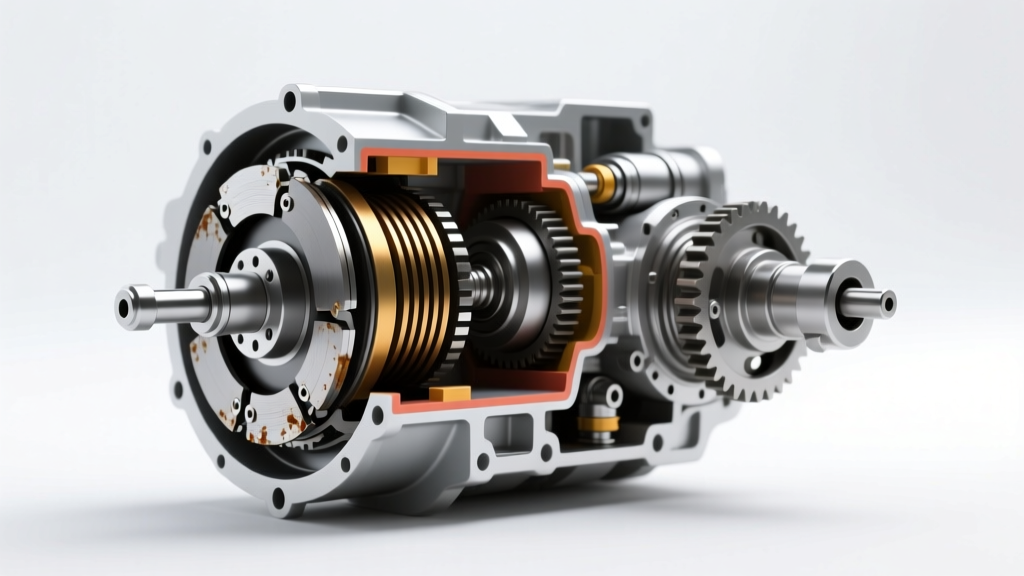
Unlike the complex hydraulic and electronic mechatronics found in modern automotive transmissions—such as the ZF 8HP or the GM 10L80—a centrifugal clutch kart setup relies on a brutally simple mechanical premise: rotational mass overcoming spring tension. However, when a kart exhibits intermittent symptoms—engaging flawlessly when cold but stalling when hot, or slipping on inclines while gripping on flat straights—diagnosing the root cause requires a deep understanding of thermal dynamics, metallurgy, and drivetrain harmonics.
As we evaluate small-engine platforms in 2026, particularly high-compression Predator 212, Ducar 212, and Honda GX160/GX200 clones, the aftermarket is flooded with varying tolerances. An intermittent failure is rarely a catastrophic breakage; it is almost always a marginal tolerance being pushed past its threshold by heat, vibration, or harmonic runout. This guide provides a master-level diagnostic framework for isolating and resolving erratic clutch behavior.
Diagnostic Matrix: Symptom vs. Root Cause
| Symptom | Intermittent Trigger | Primary Suspect | Verification Method |
|---|---|---|---|
| Erratic Engagement RPM | Heat Soak (15+ mins) | Spring Modulus Loss | Swap to higher-rate spring; measure engagement with tachometer |
| Hot Stall (Engine dies at idle) | Thermal Expansion | Drum Out-of-Round / Shoe Drag | Measure drum ID hot vs. cold with calipers |
| Slipping Under Load Only | Chassis Flex / Vibration | Chain Misalignment / Glazed Shoes | Check sprocket runout; inspect shoe friction material |
| Sudden Lockup / Chatter | RPM Fluctuation | Contaminated Friction Surface | Inspect for crankshaft seal oil migration |
Thermal Expansion and the 'Hot Stall' Phenomenon
One of the most common intermittent centrifugal clutch kart problems is the 'hot stall.' The kart idles perfectly when pulled out of the garage, but after 20 minutes of racing, the engine bogs down and stalls when returning to idle. This is a thermal expansion issue.
Drum Inner Diameter (ID) Tolerances
The clutch drum is typically cast iron or stamped steel. As the friction shoes slip during initial engagement, they generate immense localized heat (often exceeding 400°F at the friction surface). This heat transfers to the drum. If the drum is worn or manufactured with poor concentricity, thermal expansion will cause the ID to warp out-of-round. A nominal 2.500-inch drum should never exceed 2.515 inches in diameter, and out-of-round variance must remain below 0.005 inches. When the drum warps, it creates tight spots that drag on the shoes even at idle RPM, stalling the engine.
Diagnostic Step: Use a digital micrometer to measure the drum ID at four distinct axis points immediately after a hot run. If variance exceeds 0.005 inches, the drum is scrap. Replacement clutch assemblies like the Max-Torque 5/8-inch 12T typically cost between $45 and $65, making replacement far more viable than attempting to machine a warped casting.
Spring Fatigue and Heat Soak Dynamics
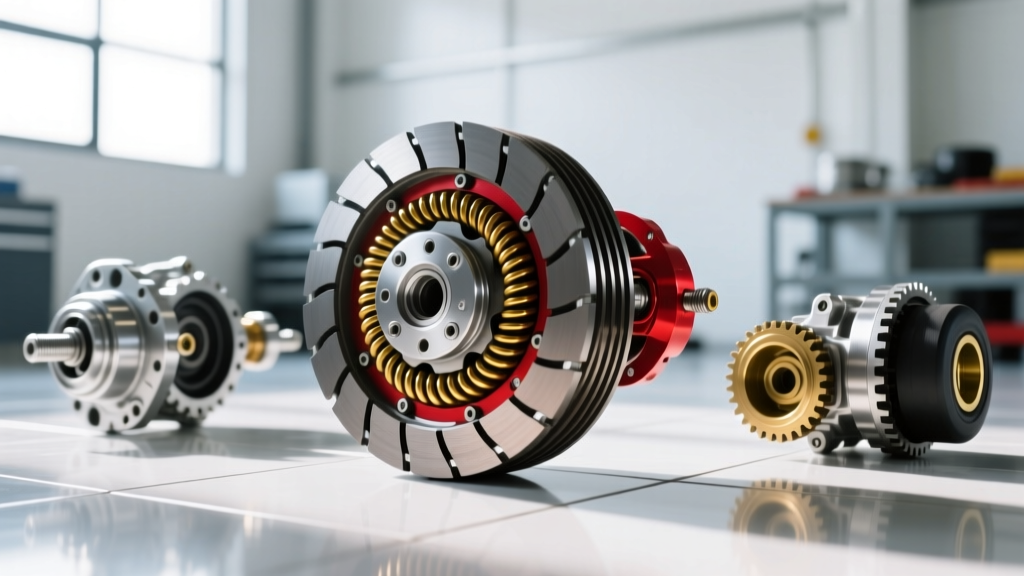
Centrifugal clutches utilize torsion springs to dictate engagement RPM. Intermittent slipping or delayed engagement is frequently traced back to spring heat soak. As the ambient temperature of the clutch assembly rises, the modulus of elasticity in standard music wire springs temporarily decreases, lowering the engagement threshold and causing the clutch to 'feather' or slip inconsistently under load.
| Spring Color | Cold Engagement RPM | Hot Engagement RPM (Est.) | Application |
|---|---|---|---|
| Green | ~1,800 RPM | ~1,600 RPM | Junior Karts, Low-Torque Trail Riding |
| Yellow | ~2,500 RPM | ~2,300 RPM | Standard Trail Karts, Mini Bikes |
| Red | ~3,500 RPM | ~3,200 RPM | Racing, High-Compression Predator 212 |
If your kart slips intermittently on hills but grips on flat ground, the engine is likely lugging below the hot engagement RPM of your current spring. Upgrading to a stiffer spring (e.g., swapping Yellow for Red) ensures the clutch remains fully locked during high-load, low-speed cornering. Always ensure the spring tabs are fully seated in the shoe and hub retaining slots; a partially seated tab will cause asymmetric shoe deployment, leading to violent, intermittent chatter.
Friction Material Glazing and Crankshaft Oil Migration
Intermittent lockup followed by free-spinning is a hallmark of friction surface contamination. The centrifugal clutch mounts directly onto the engine crankshaft. If the engine's PTO (Power Take-Off) side crankshaft seal begins to weep, oil is slung outward by centrifugal force directly into the clutch drum.
Because the leak is often minor, it may only manifest when the engine reaches peak operating temperature and internal crankcase pressure peaks. This results in a clutch that performs perfectly for the first three laps, then suddenly chatters and slips as the oil heats up and coats the shoes.
Remediation Protocol
- Seal Replacement: Replace the crankshaft seal. For Honda GX160/GX200 and most Predator clones, the OEM part number is 91201-ZE1-003 (approx. $6). Ensure the seal lip is lightly lubricated with assembly grease during installation to prevent dry-start tearing.
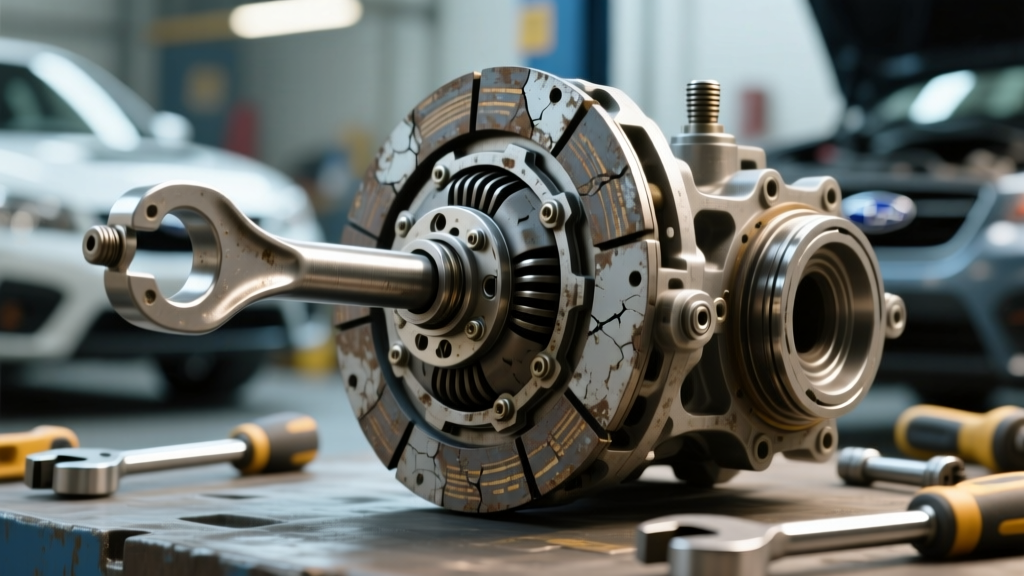
- Shoe De-glazing: If the friction material is saturated with oil, it must be replaced. If it is merely glazed from heat, scuff the surface with 120-grit aluminum oxide sandpaper. Never use chemical brake cleaners on sintered bronze or organic cork clutch shoes, as the solvents can break down the binding resins and leave a slippery residue.
- Drum Cleaning: Scour the inner drum wall with a maroon Scotch-Brite pad and isopropyl alcohol to remove embedded oil and friction dust.
The 5/8-Inch Bore Bind: Bushing vs. Bearing
Another culprit behind intermittent engagement is internal bore binding. Most entry-level karts use a clutch with a sintered bronze bushing riding directly on the 5/8-inch crankshaft. If the kart sits for a few weeks, microscopic corrosion forms on the crankshaft. When started, the clutch heats up, expands, and binds to this corrosion, causing the clutch to spin at idle (a severe safety hazard) or fail to disengage smoothly.
For high-performance or heavily used karts, upgrading to a sealed needle-bearing clutch is mandatory. Hilliard Corporation and similar manufacturers produce extreme-duty clutches featuring sealed bearings (e.g., Hilliard part number 10-02-05 series). These eliminate metal-on-metal bore friction, ensuring that the only variable controlling engagement is the spring tension, not parasitic drag. When installing any clutch, the crankshaft bolt must be torqued to 35-40 ft-lbs using a hardened flat washer to prevent the clutch hub from walking and binding against the engine block.
Drivetrain Harmonics: Chain Tension and Sprocket Runout
Finally, do not mistake drivetrain harmonics for internal clutch failure. A bent axle, warped rear sprocket, or improperly tensioned chain will create cyclical resistance. As the rear sprocket rotates, a high spot will pull the chain taut, transmitting a shock load back to the clutch drum. This shock load can momentarily overcome the friction shoes' grip, causing a single, sharp 'slip' or 'pop' once per wheel revolution.
To diagnose this, place the kart on a stand and rotate the rear axle by hand. Watch the #35 or #219 chain as it feeds into the clutch sprocket. If the chain 'breathes' (tightens and loosens rhythmically), your issue is drivetrain runout, not the clutch. Maintain exactly 1/4-inch to 3/8-inch of chain slack at the tightest point of the rear sprocket's rotation, and verify that the clutch sprocket and rear sprocket are perfectly aligned using a straight-edge laser or taut string line.